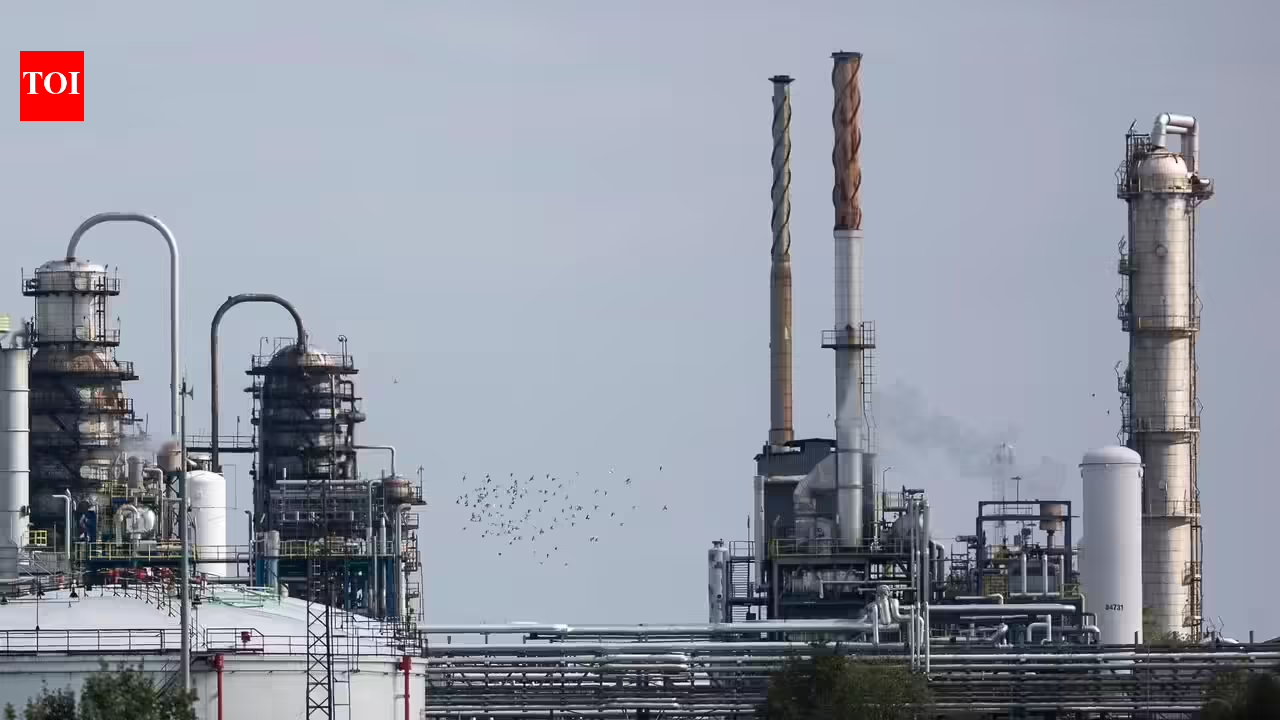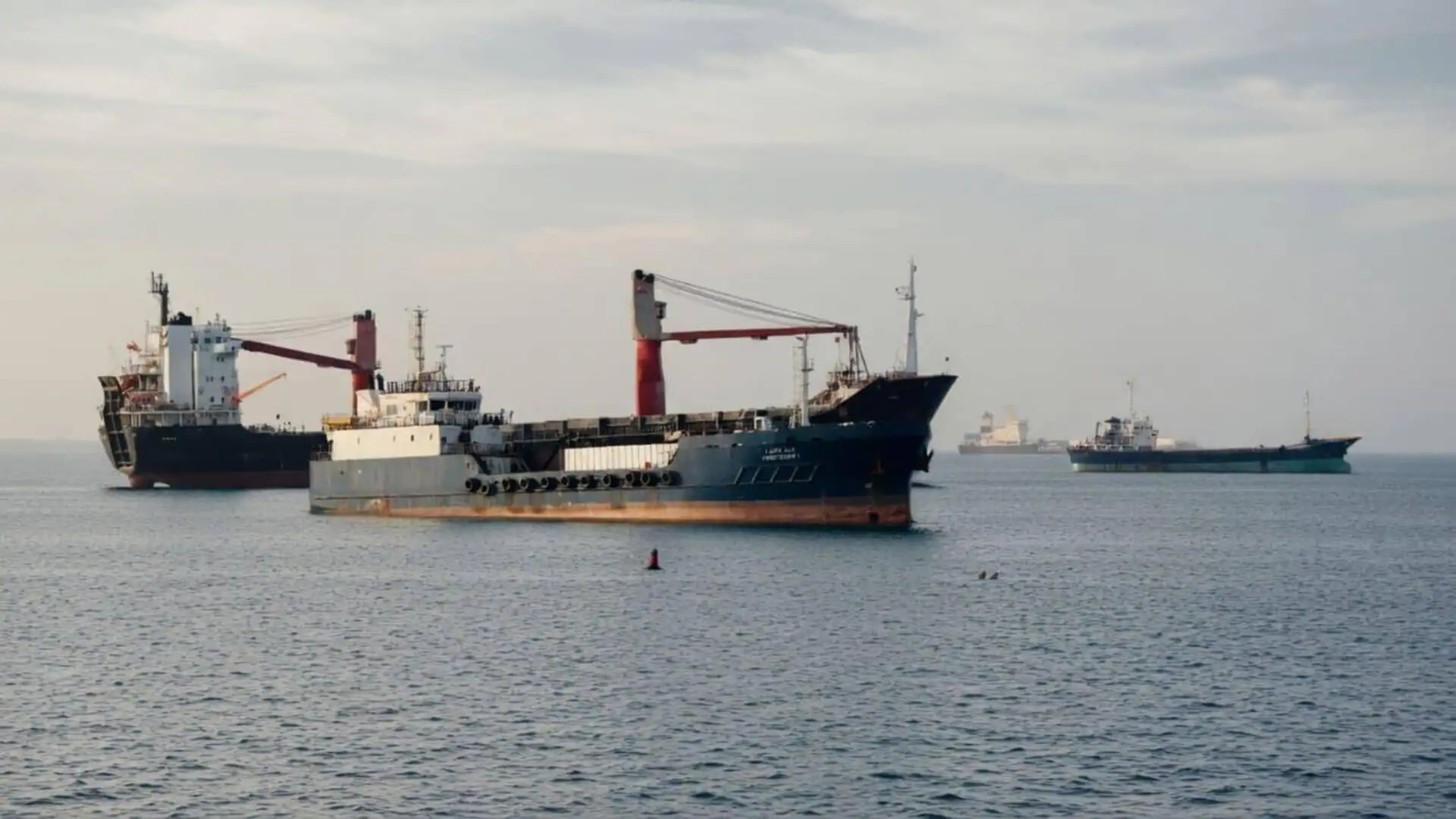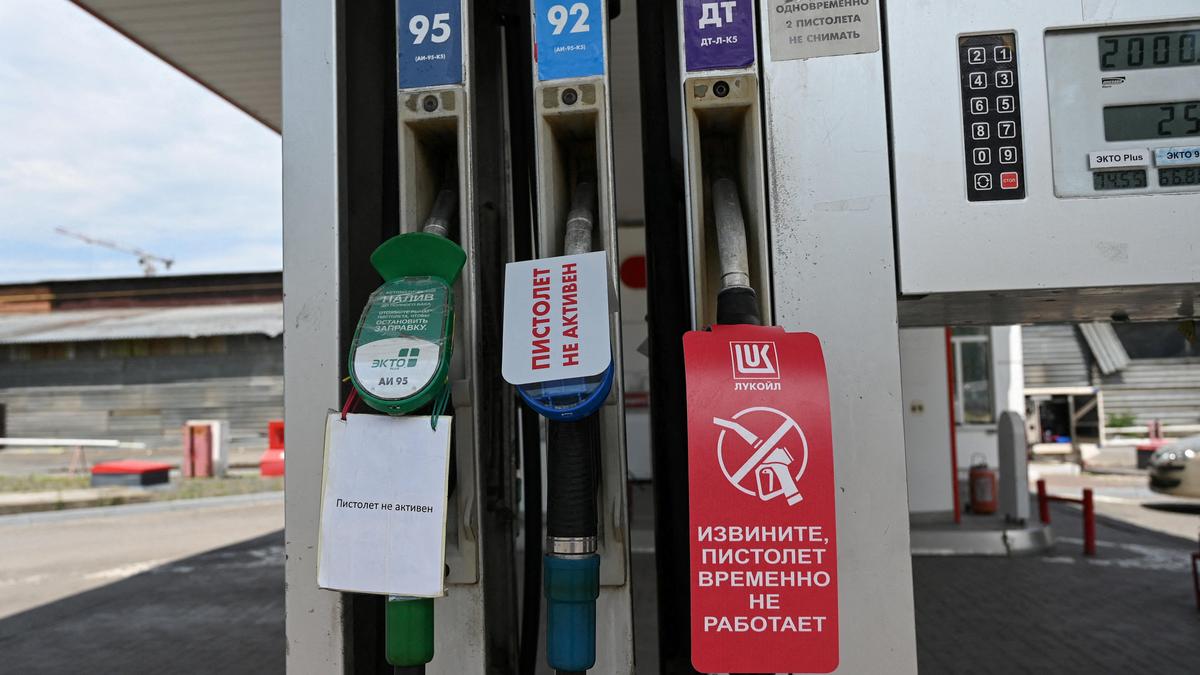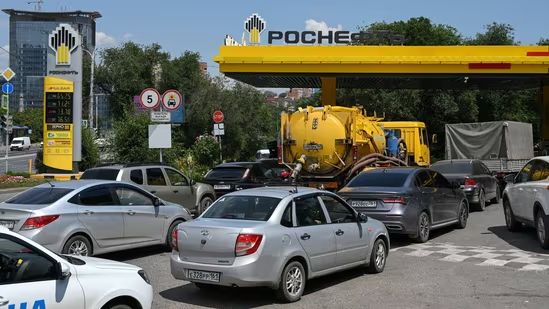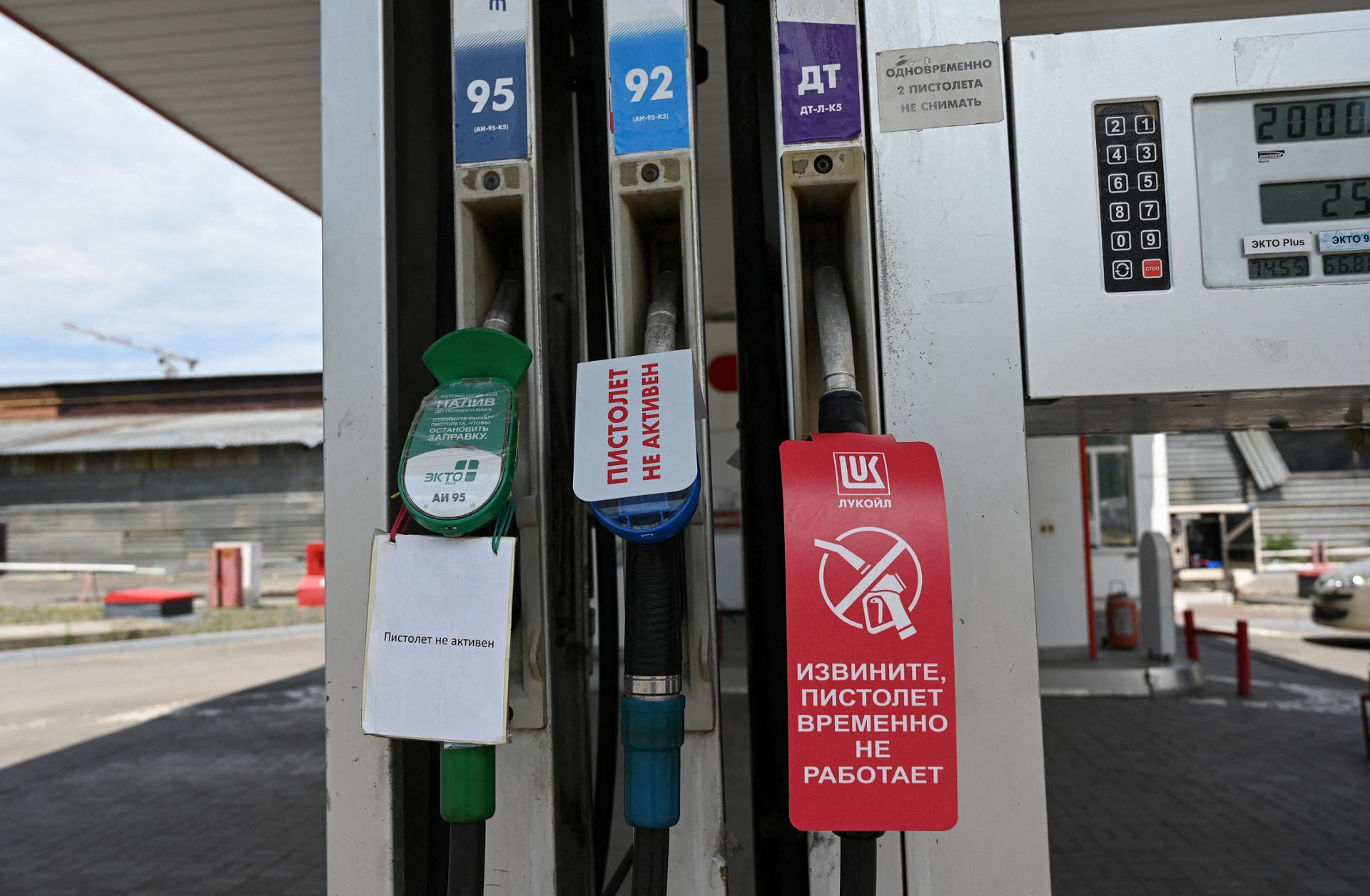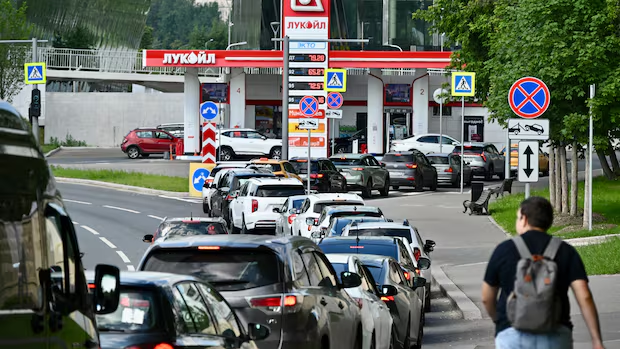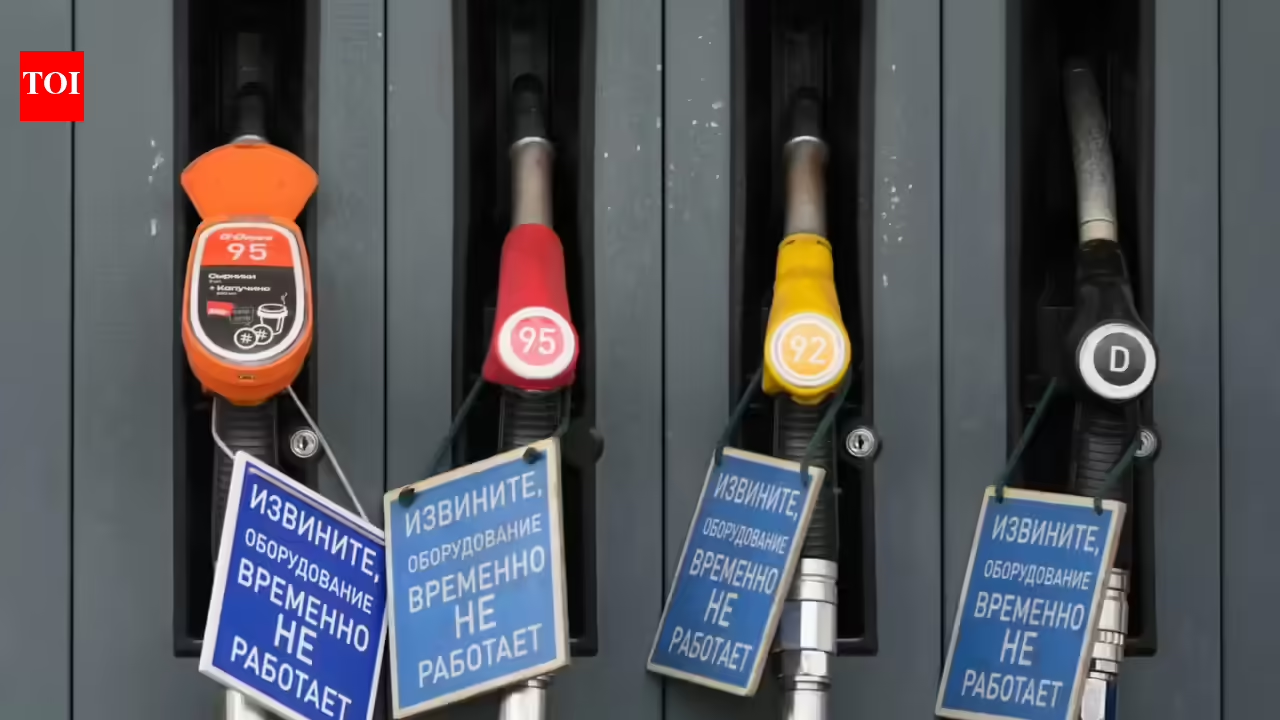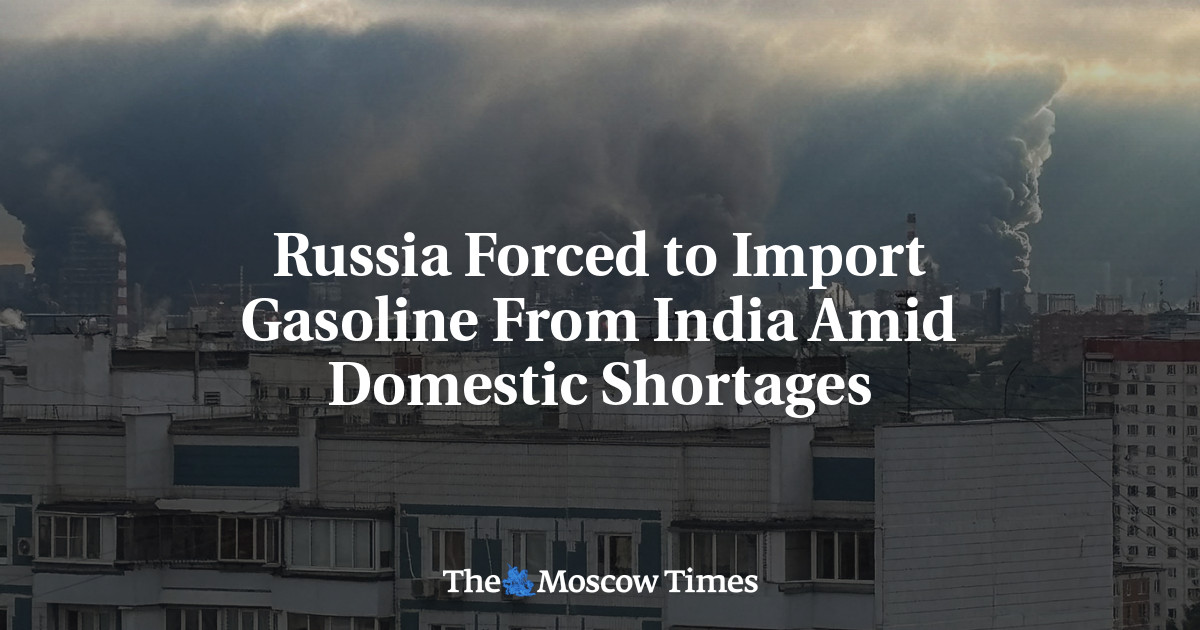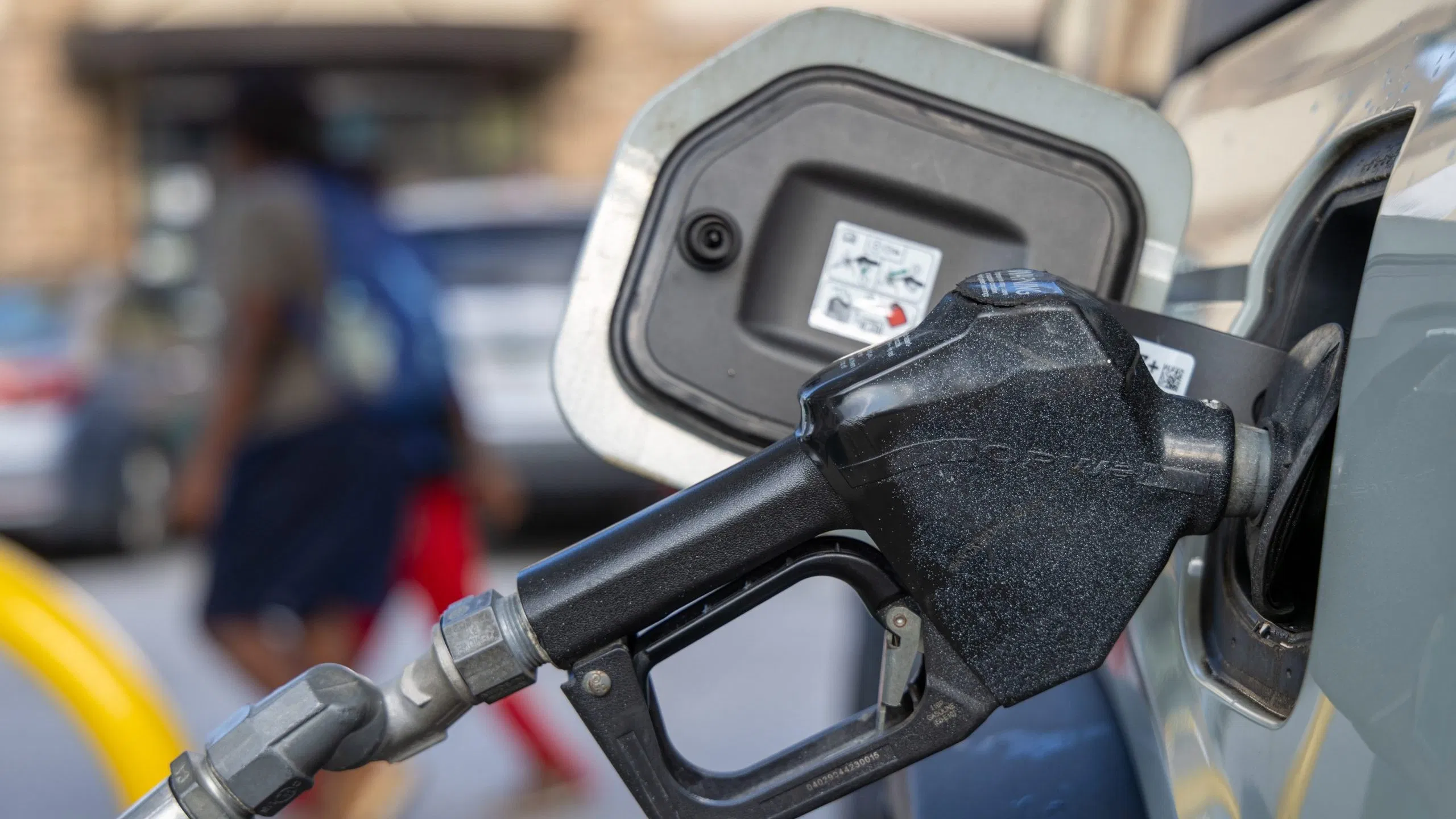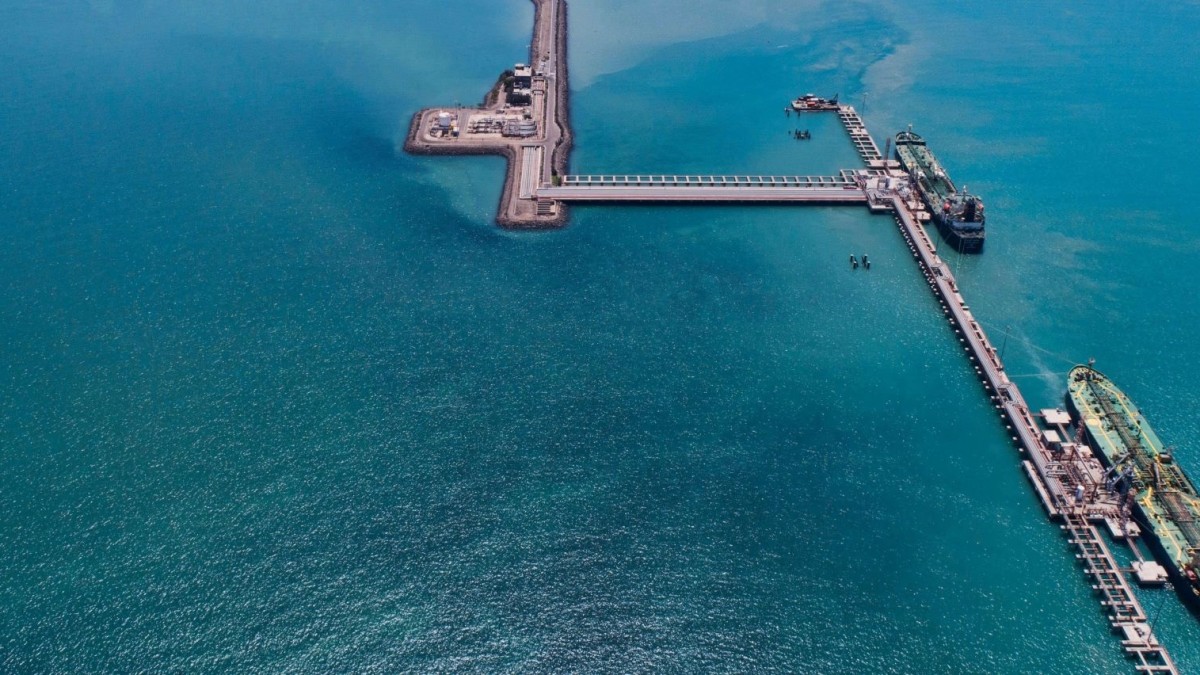
Russia has started importing refined fuel from India by sea in a bid to mitigate critical domestic fuel shortages triggered by sustained Ukrainian drone attacks on its energy infrastructure. In an exclusive Reuters report, industry sources revealed that an initial shipment of at least 60,000 metric tons (510,000 barrels) of gasoline has been dispatched from India via two tankers destined for Russian ports. Ukrainian drone strikes have knocked offline roughly 30% of Russia’s oil refining capacity, pushing domestic refining throughput to a 21-year low during peak summer demand. With gasoline consumption spiking to at least 110,000 metric tons per day in the busy summer months, Moscow is scrambling to meet a deficit of ~25,000 tons (212,500 barrels) per day, according to Reuters.Last week, the Russian parliament approved urgent tax amendments offering subsidies for fuel imports. These subsidies are explicitly pegged to Indian delivery costs and port prices to make maritime imports economically viable. The Kremlin plans to import 400,000 metric tons of gasoline monthly from India and various other countries. Regional allies have also stepped up: Belarus tripled its gasoline rail deliveries to Russia to over 70,000 tons in the first half of June. Unfortunately for Moscow, its land-based neighbors lack the spare capacity required to resolve the crisis on their own.India has become an unlikely supplier to Russia’s fuel market. After buying record volumes of discounted Russian crude, Indian refiners are now exporting gasoline back to Russia as domestic shortages worsen. India imported roughly 2.6 million to 2.7 million barrels per day of Russian crude in June, more than half of its total oil imports. Those refineries have ample capacity to process the crude into gasoline and other fuels, allowing India to supply markets that Russia can no longer fully serve itself.Ukraine’s long-range drone strikes have repeatedly hit Russian refineries, fuel depots and petrochemical facilities over the past year, reducing refining capacity and forcing Moscow to restrict fuel exports to protect domestic supplies. The attacks have exposed the difficulty of defending energy infrastructure spread across Russia’s vast territory.By Alex Kimani for Oilprice.comMore Top Reads From Oilprice.comAsian Refiners Redirect Middle East Crude to the U.S. as Hormuz Flows RecoverPakistan Pays Premium for Urgent LNG CargoVLCC Earnings Near $470,000 a Day as Hormuz Hopes Drive Tanker Frenzy
Ukraine’s Drone Campaign Forces Russia to Buy Gasoline From India | OilPrice.com
Russia has started importing refined fuel from India by sea in a bid to mitigate critical domestic fuel shortages triggered by sustained Ukrainian drone attacks on its energy infrastructure
376 words~2 min read