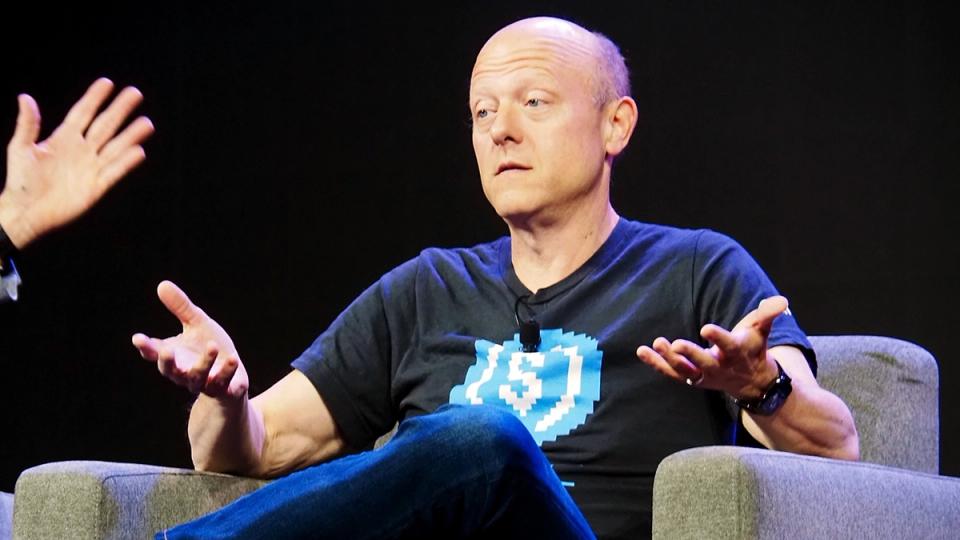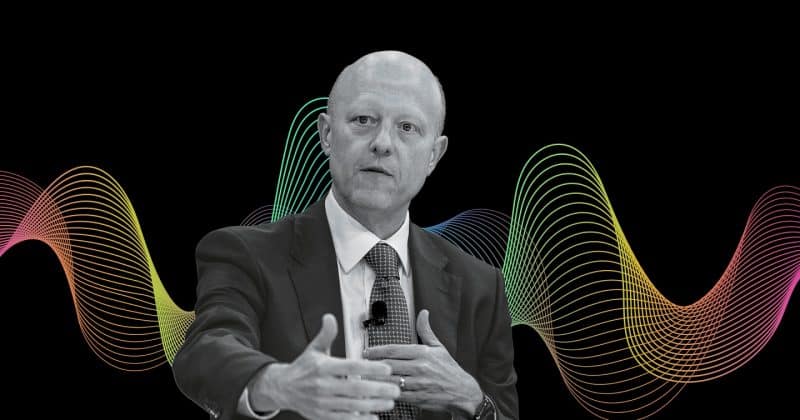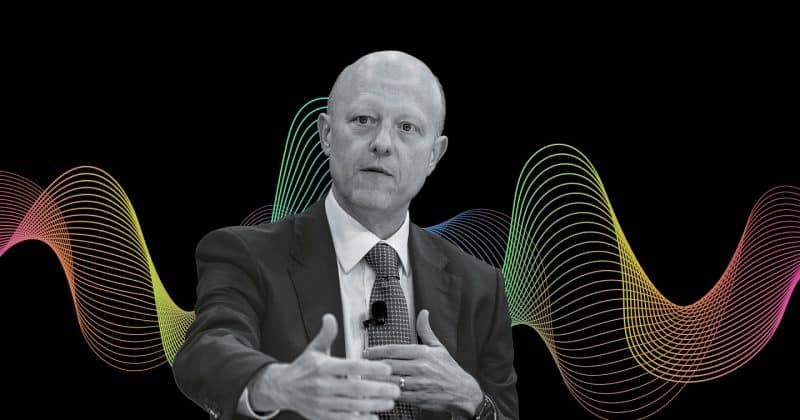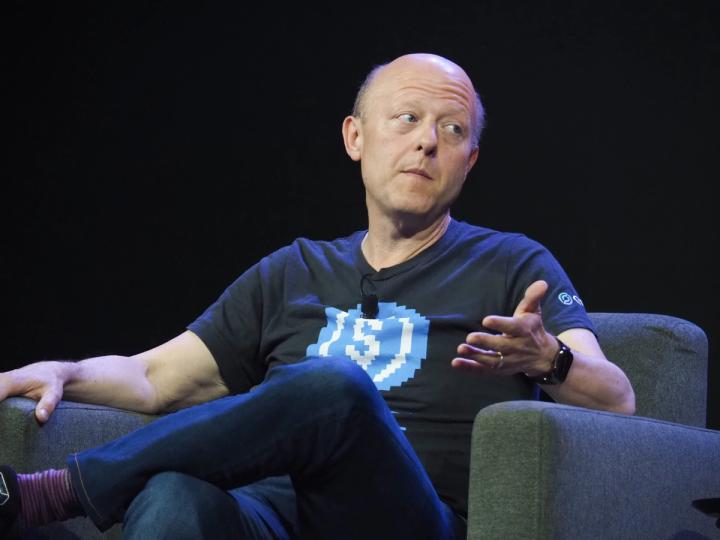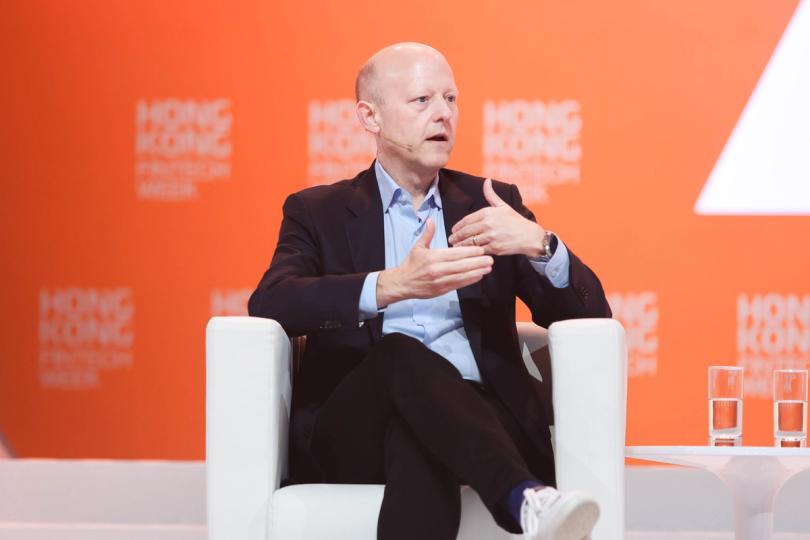
Circle co-founder and CEO Jeremy Allaire published a lengthy rebuttal on X on July 1 to the pitch behind OUSD, the stablecoin launched by the Open Standard consortium, arguing that USDC's advantages in distribution, liquidity and regulatory licensing are not easily replicated.
"We've had lots of questions from our investor community looking for thoughts on OUSD, and so I thought I'd share my direct views here," he wrote, describing stablecoin networks as "platform and network effect businesses that are established over a long period of time" and built on three layers: developer and application integrations, liquidity depth, and regulatory licensing accumulated over years, including USDC's approvals in the European Union and Japan.
Open Standard, the independent company formed to govern Open USD, unveiled the token on June 30. According to Open Standard's announcement, OUSD rests on three design principles: partner businesses can mint and redeem the token without fees or volume caps; partners receive nearly all reserve earnings after a management fee; and the token is governed collectively by a board of partner companies rather than a single issuer.
Reserves are described as maintained at financial institutions in compliance with U.S. regulatory requirements, though specific custodians and attestation practices had not been disclosed as of launch, as The Defiant reported.