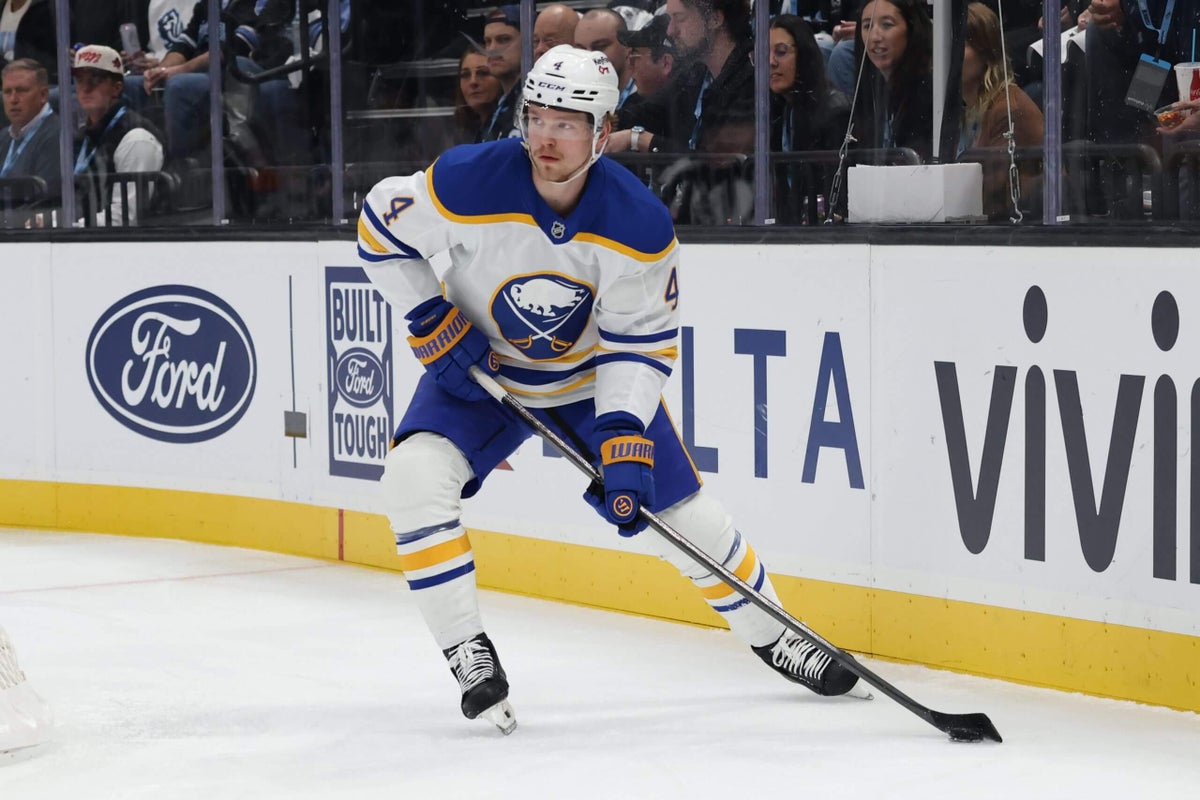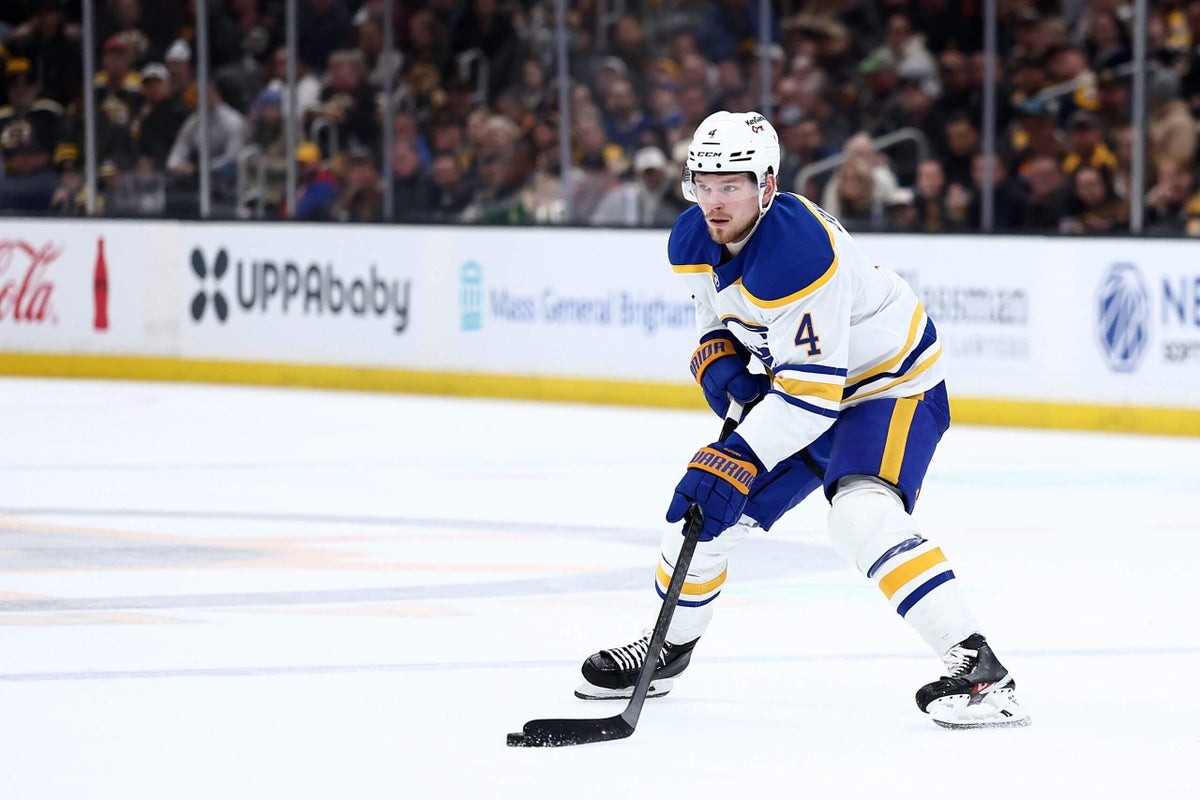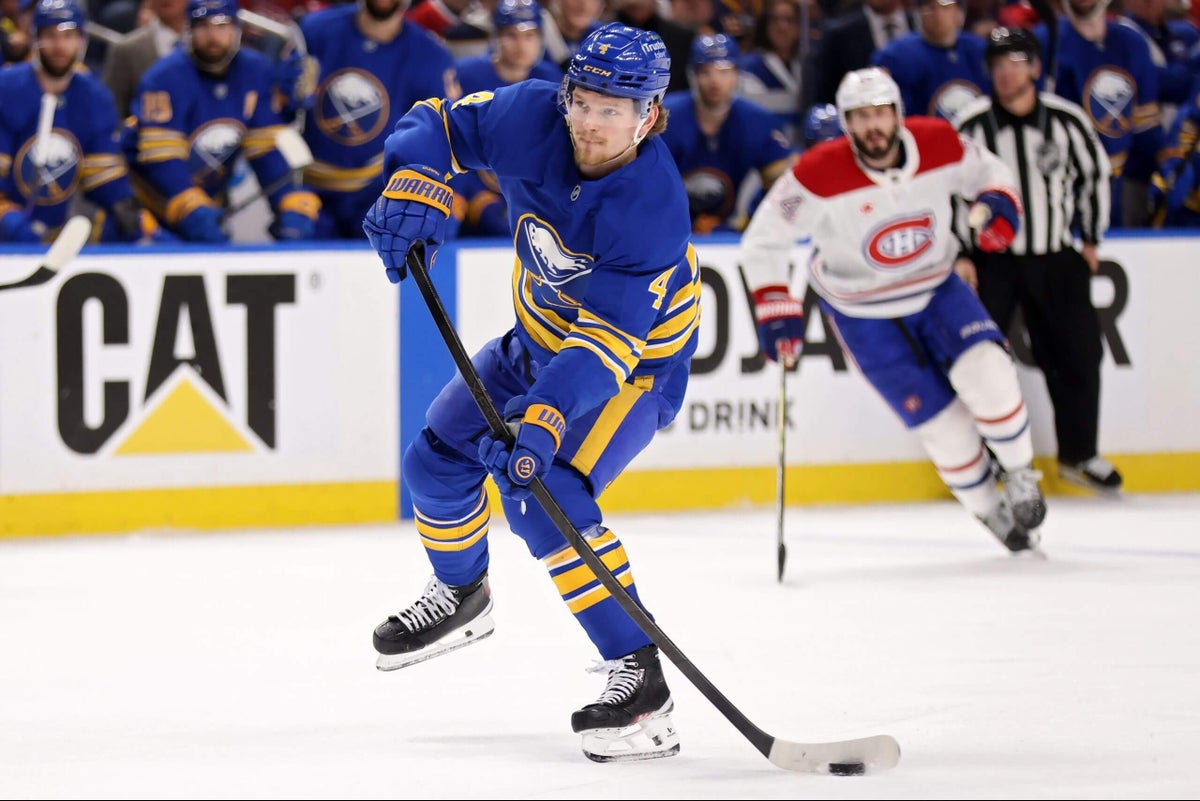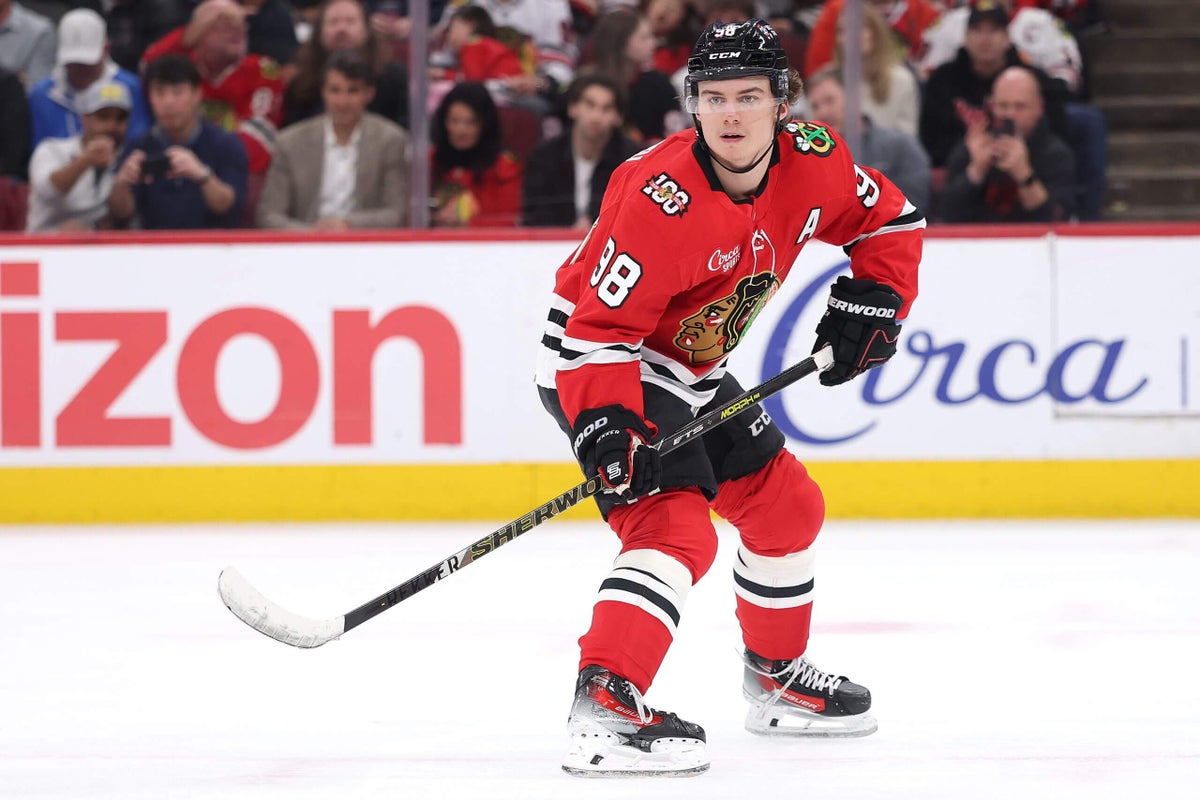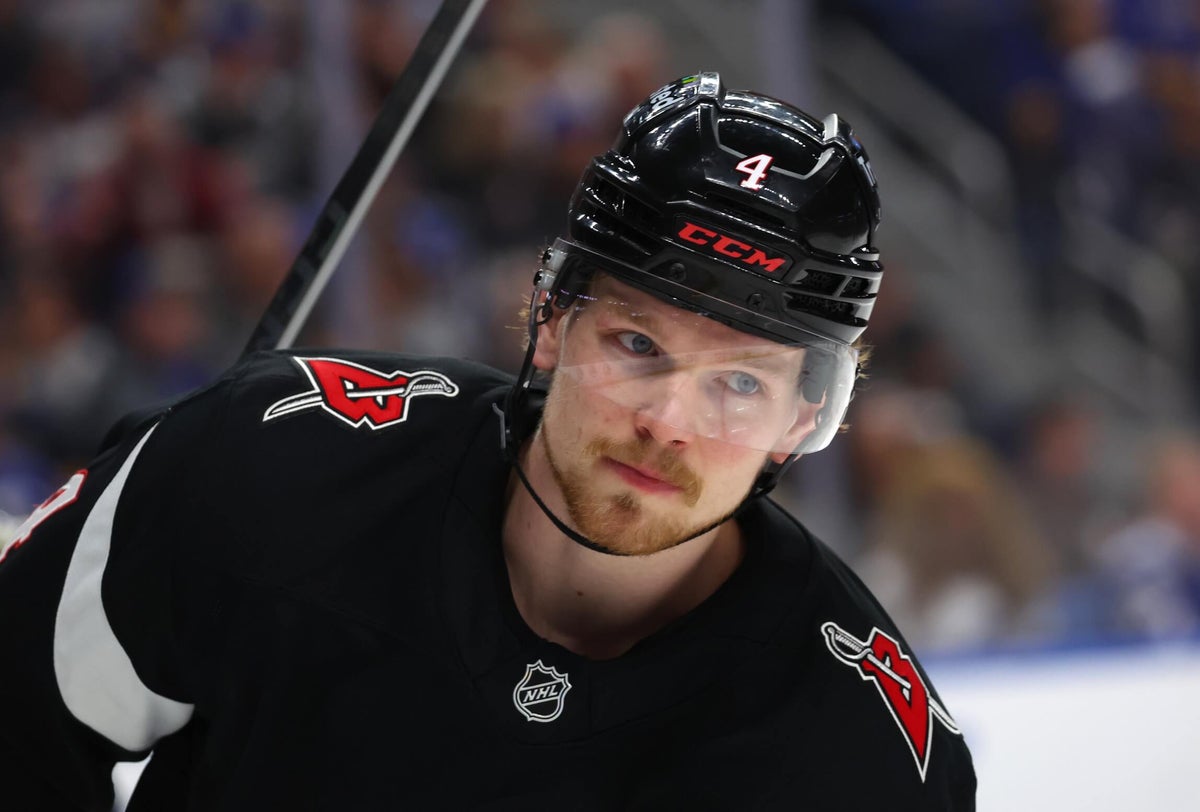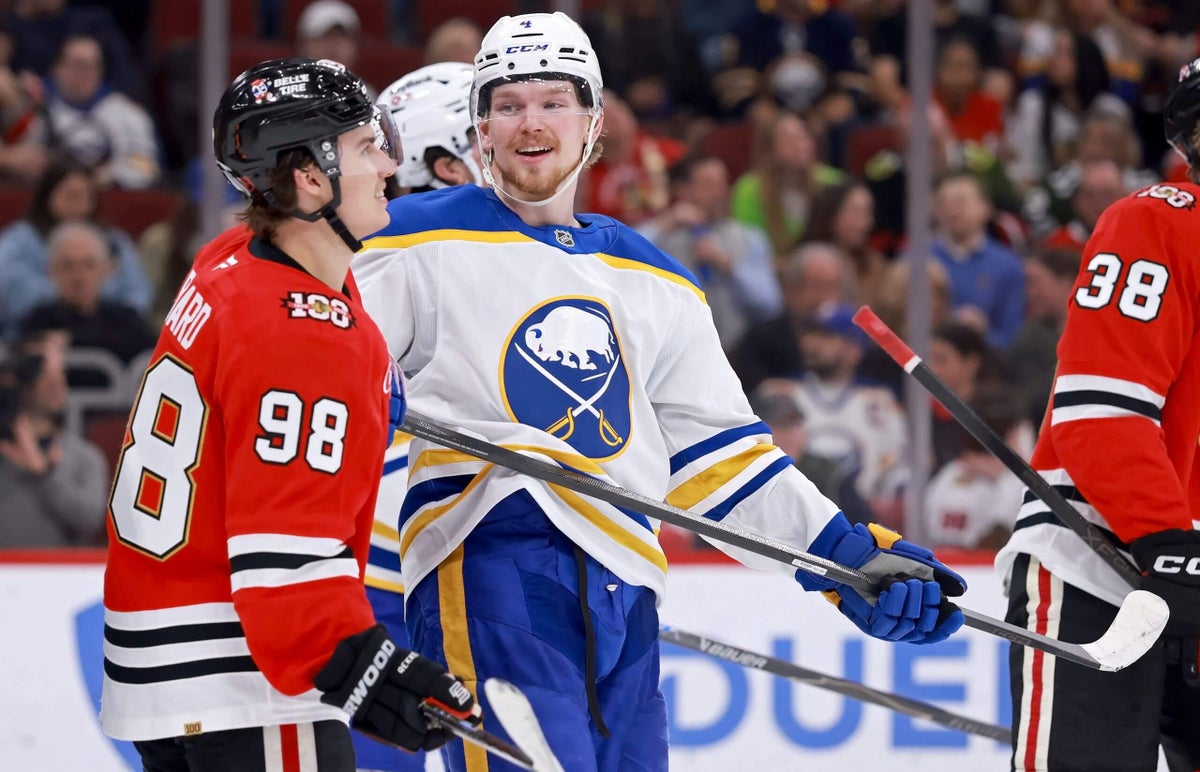
The contractChicago Blackhawks sign Bowen Byram to a six-year extension with a $12.5 million AAV.Mark Lazerus: Look, if Bowen Byram becomes the player Blackhawks general manager Kyle Davidson clearly believes he’ll become — a big-minutes, all-situations No. 1 defenseman who drives play at five-on-five and makes magic with Connor Bedard on the power play — then nobody will be lamenting this contract in a few years. The cap is rising, the price of great players is skyrocketing and the sticker shock of 2026 will be the relative bargain of, say, 2030.But that’s a big if.As it stands now, Byram is slated to become the sixth-highest-paid player in the league in 2027-28 — tied with one Connor McDavid. The staggering $12.5 million cap hit Byram will carry is higher than any defenseman has ever carried. That is, until Cale Makar and Quinn Hughes sign their own extensions, ones that could be realistically and justifiably pushing $20 million.That’s what makes this a little tricky to grade. Yes, it’s a ridiculously huge contract for a player who’s never been more than a No. 3, working behind Makar in Colorado and behind Rasmus Dahlin in Buffalo. It carries all the potential in the world to be an abject disaster, an albatross that’ll make the Brent Seabrook and Seth Jones contracts look like minor inconveniences. The Blackhawks already paid a very steep price to get Byram — the No. 4 pick and a second-round pick in last week’s draft, along with roster defenseman Louis Crevier. Would Byram, who made it clear he wanted to go to Chicago for the opportunity to be a No. 1, really have turned down, say, $10 million or 11 million a season? Did the Blackhawks really have to give him McDavid money? Even the modified McDavid money of his current deal? Who were they negotiating against?The double-takes and spit-takes are understandable. The question is, are they warranted? Or just the reaction of those of us still stuck in the flat-cap era? After years of shedding contracts and focusing on younger players, the Blackhawks seem to have all the cap space in the world. Bedard’s about to take a big chunk of it — perhaps in the $14 million to $15-million range. But Frank Nazar’s already under a modest long-term deal at $6.6 million a year, and it’s unlikely Artyom Levshunov, Anton Frondell, Nick Lardis, Sam Rinzel and Kevin Korchinski all become megastars worthy of similar deals by the end of their entry-level deals. Their second contracts should still be in full swing when Byram’s new deal expires. And keep this in mind: When the Blackhawks signed Brian Campbell ahead of the 2008-09 season, a signing that signaled the team’s arrival as a new contender, his $7.14 million a year was 12.6 percent of the salary cap. Byram’s $12.5 million will be 11 percent of the 2027-28 cap, a percentage that will continue to fall. So no, this contract won’t sink the Blackhawks, and it likely won’t hamstring them in future free agency. In this player-friendly, rising-cap climate, we need to adjust our expectations on what a contract should look like. There will be superstars making less money than non-superstars, and there will be world-class players who are hilariously underpaid.
NHL contract grades: Bowen Byram contract won’t sink Blackhawks but it’s still a massive overpay
Kyle Davison believes he got his No. 1 defenseman and paid him accordingly. He’d better be right.
956 words~4 min read