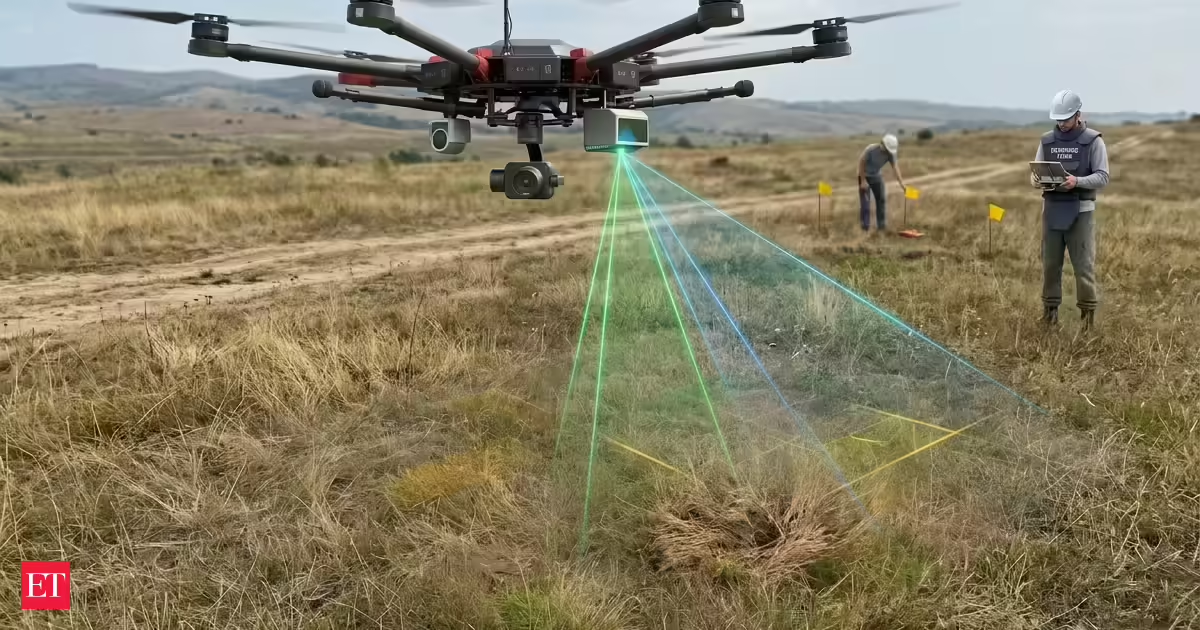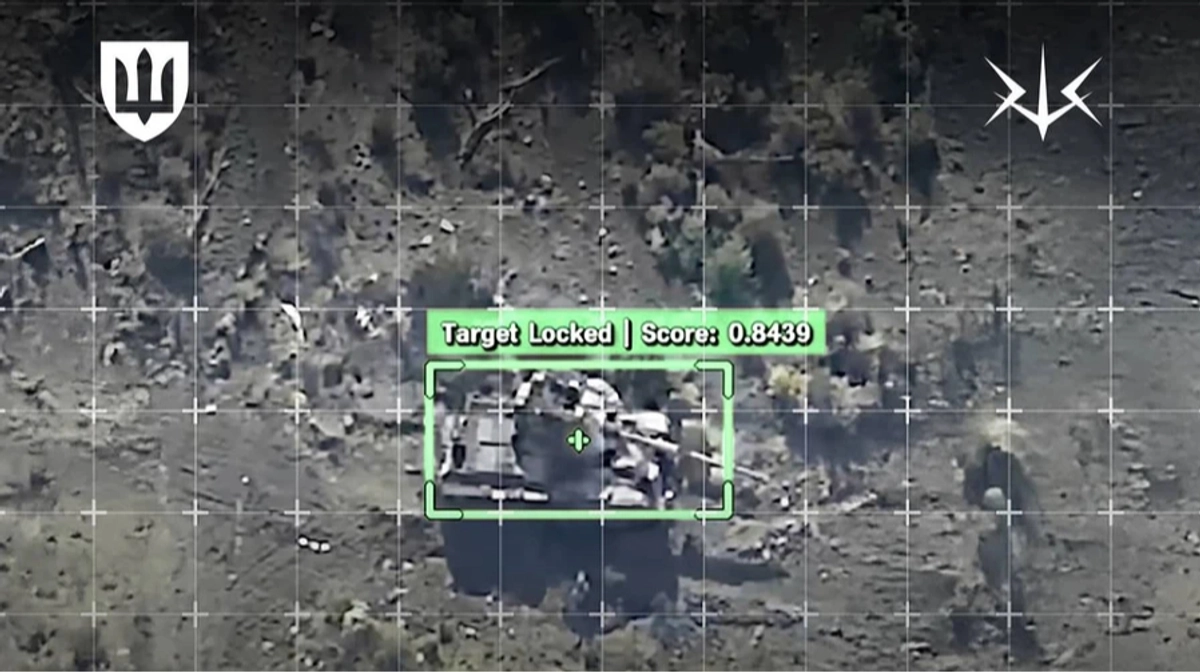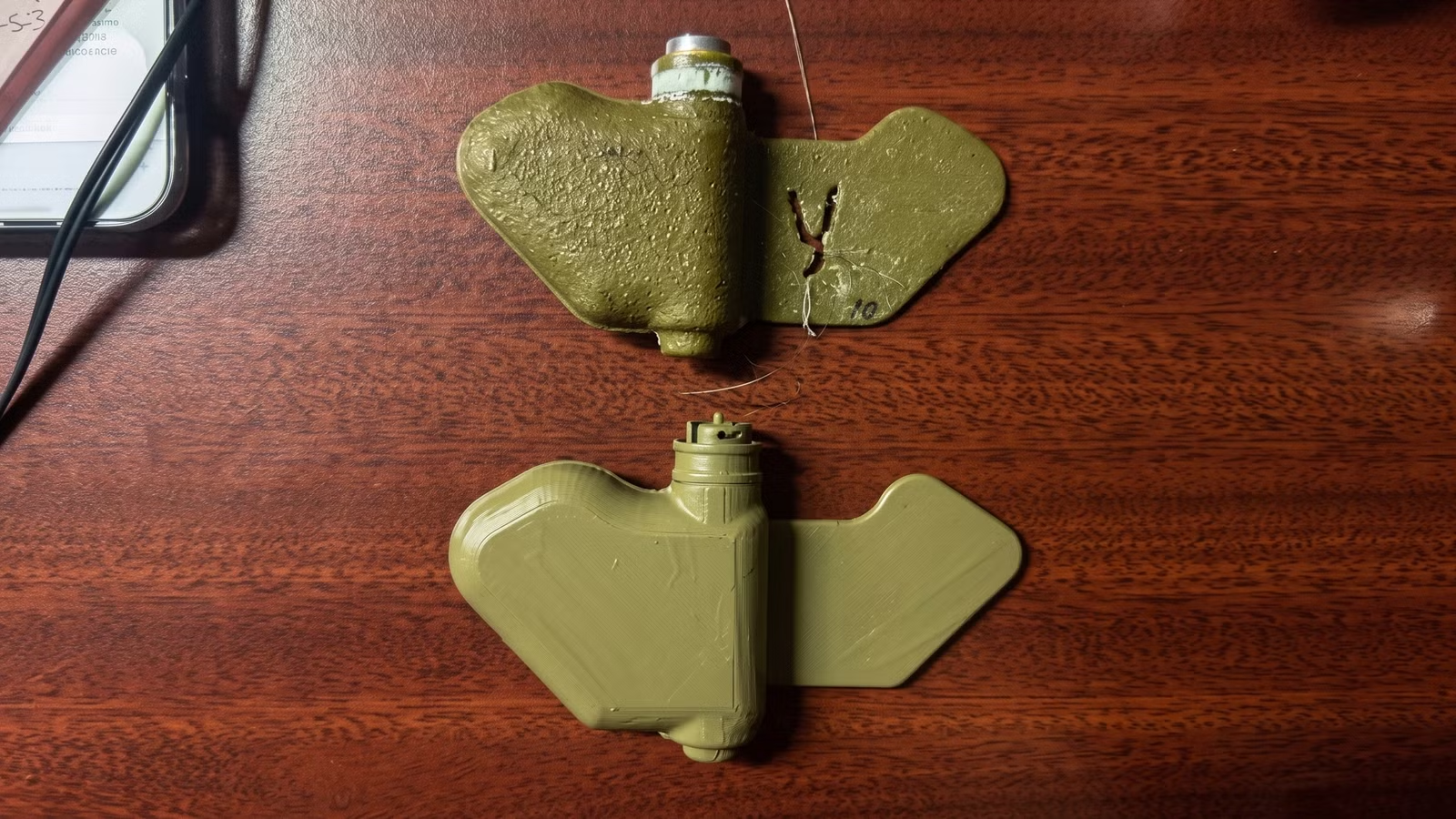
Researchers at Binghamton University used AI technology to discover a new way to detect plastic landmines in vast war zones—and it doesn't even require an internet connection. The research, Deep Learning and Multiview-Based Detection of Scatterable PFM-1 Landmines: Performance, Out-of-Sample Evaluation, and Field Readiness, recently appeared in the journal Geomatics and examined the prevalence of small landmines encased in plastic to deter metal detectors and other geophysical techniques like asground-penetrating radar, magnetometry and electromagnetic induction in combat zones—all found by the study's authors to be significantly less effective with plastic mines than with metal ones. The study was authored by Alex Nikulin, Binghamton University associate professor of earth sciences; Binghamton geology alumna Sharifa Karwandyar, and Thomas Pingel, an associate professor of geography. Researchers express particular concern with so-called "scatterable" landmines designed to be deployed over wide areas, such as the widely used Soviet-era PFM-1 "designed to fall like maple seeds from the sky." It is also known as the butterfly mine for its distinctive shape, with the consequences for war fighters often costly. “It’s harder to take care of a wounded soldier than a dead one. They’re meant to hurt, not kill,” Nikulin said. “They’re specifically designed with that purpose in mind, and their entire construction is meant to evade detection.”
How AI Tech Deployed in War Zones Detects Cellphone-Sized Plastic Landmines
Researchers at Binghamton have studied how wars, such as in Ukraine, have led to better landmine detection and don't require internet connections.
1,386 words~6 min read