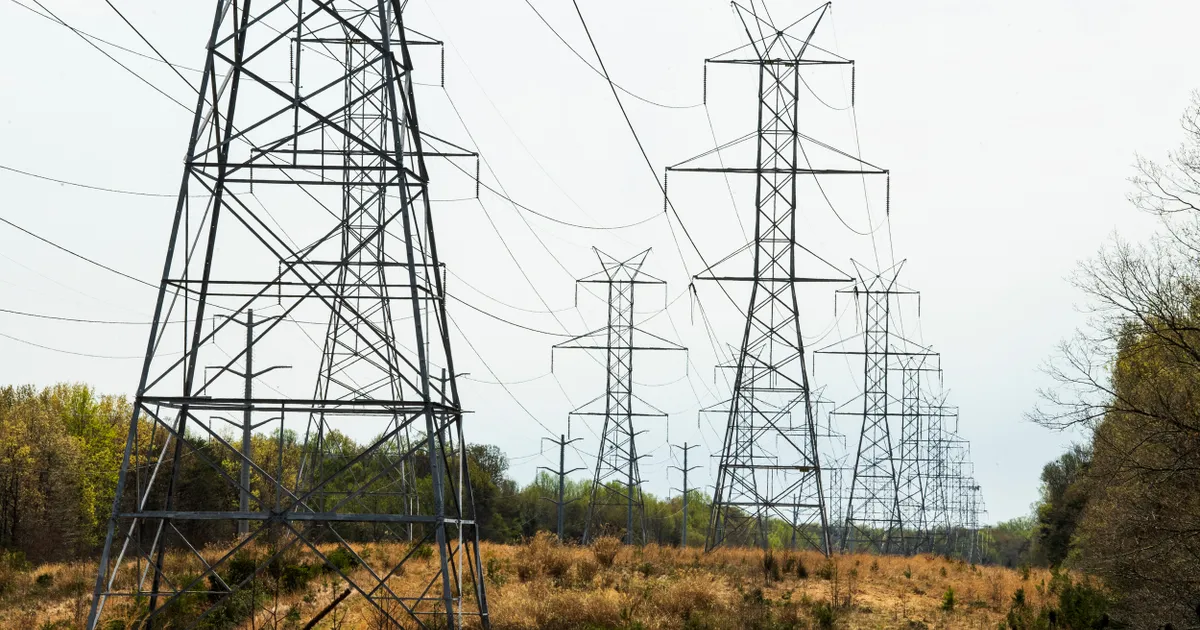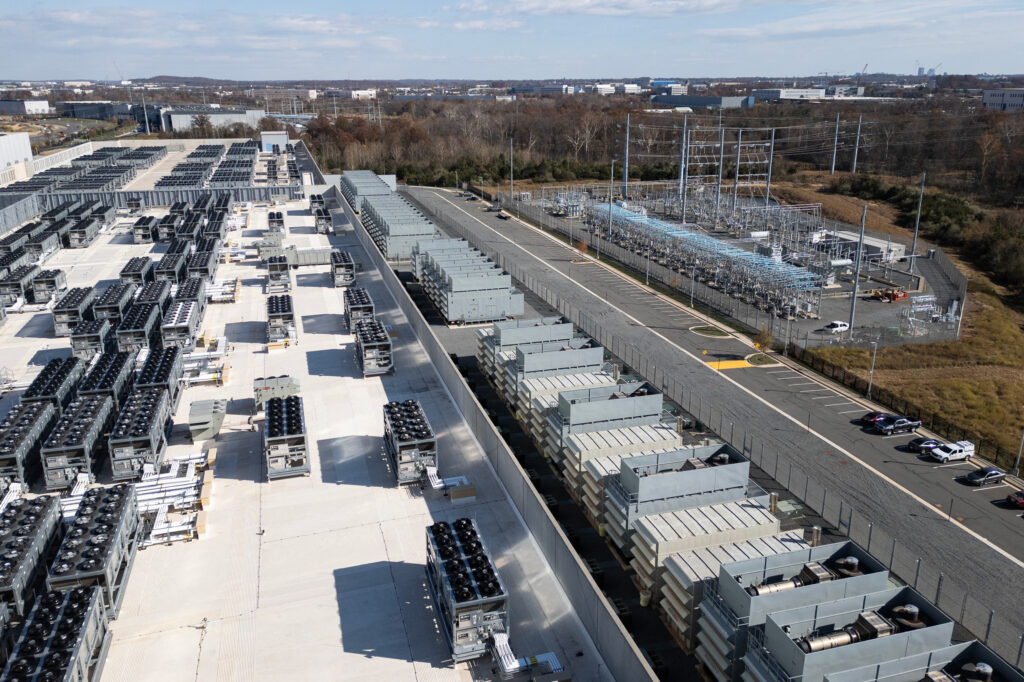
Maryland’s Utility RELIEF Act, a law packaged as a way to save Marylanders at least $150 annually on their energy utility bills, took effect on Wednesday, as legislators across the United States look to save ratepayers money.“The bipartisan Utility RELIEF Act speeds up new energy generation, it invests in local clean energy, and it stops big corporations from shifting their costs onto taxpayers,” Gov. Wes Moore (D-MD) said during his May signing ceremony of the bill.The legislation comes in a midterm election year, when American politicians have preached affordability and lower utility costs, blaming artificial intelligence companies and their widespread expansion of electricity-hungry data centers for rising energy costs. As residents raise concerns about the possible effects data centers have on already rising utility costs, Democratic and Republican politicians alike have vowed to hold data centers accountable and bring down costs for ratepayers.
Under the Utility RELIEF Act, the state says data centers will be mandated to cover their own energy infrastructure upgrade costs, alleviating any burden on surrounding grid residents. RELIEF stands for Reducing Energy Load Inflation for Everyday Families. The bill also placed a one-year ban on utility companies using speculative forecasting to predict energy bill rates rather than using the actual cost at the time.The law, which had been debated for much of the legislative session, included several inter-chamber and inter-party compromises to get the bill over the finish line, including settling on the one-year speculation moratorium, according to Maryland Matters. However, Republicans have argued the bill does not go far enough to save taxpayers’ money, saying $12 a month is too little and that Democratic policies brought the rising costs in the first place.“Democrats are holding a victory lap over a bill they admit will save Marylanders a measly $12 a month while families have seen their utility bills increase by hundreds of dollars over the last few years,” GOP State Sen. Steve Hershey said in a statement. “Celebrating $12 in savings shows just how disconnected Annapolis Democrats are from what Maryland families are actually dealing with every month. Instead of blaming everyone else, PJM, utility companies, or the federal government, the Governor and Democratic leadership should take a hard look at the green energy policies they passed that helped create this problem in the first place.”Maryland and Virginia, two states that have been at the forefront of data center expansion, have held 2026 legislative sessions, including robust debates about data centers and compromise between Democrats and Republicans to land on initiatives to bring down costs.VIRGINIA NARROWLY STAVES OFF FIRST-EVER GOVERNMENT SHUTDOWN ONE DAY BEFORE DEADLINEIn Virginia, the Democratic majority sparred over a proposed tax on data centers in the commonwealth as they looked to solidify a state budget. The Old Dominion’s finalized budget imposes a $0.011-per-kilowatt-hour tax on data center electricity use per month, with a cap of $600 million per year and a subsequent refund once the cap is reached.In Maryland, Moore guarantees the Utility RELIEF bill will save taxpayers at least $150 per year on their energy bills. The legislation also includes provisions to modernize energy infrastructure so as not to have outdated, costly systems.