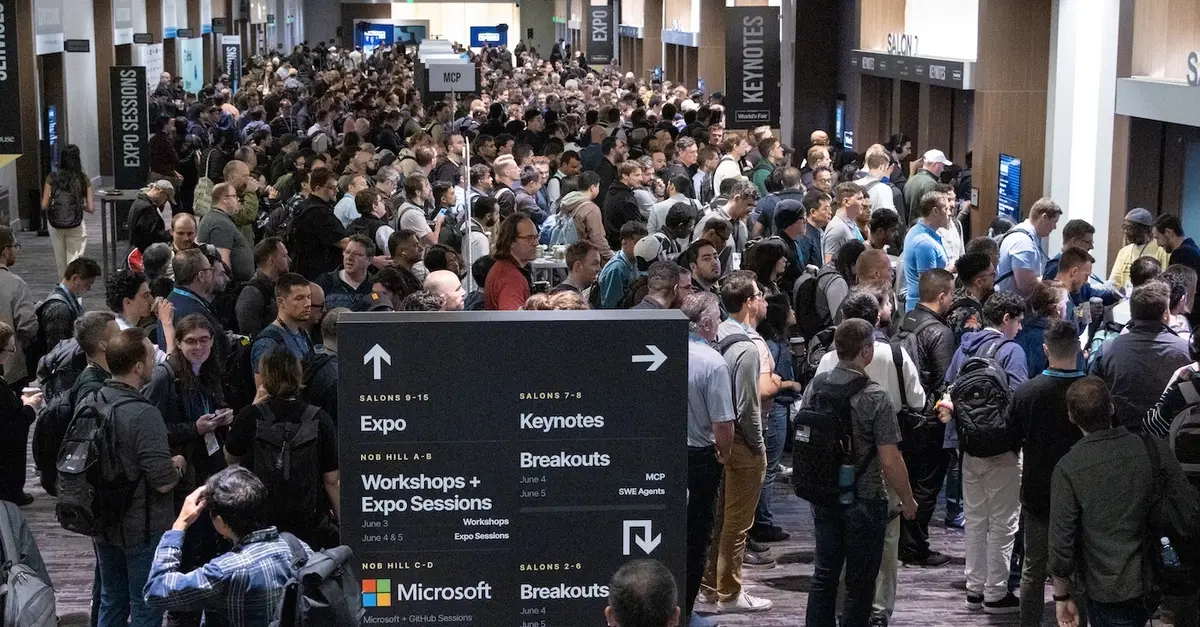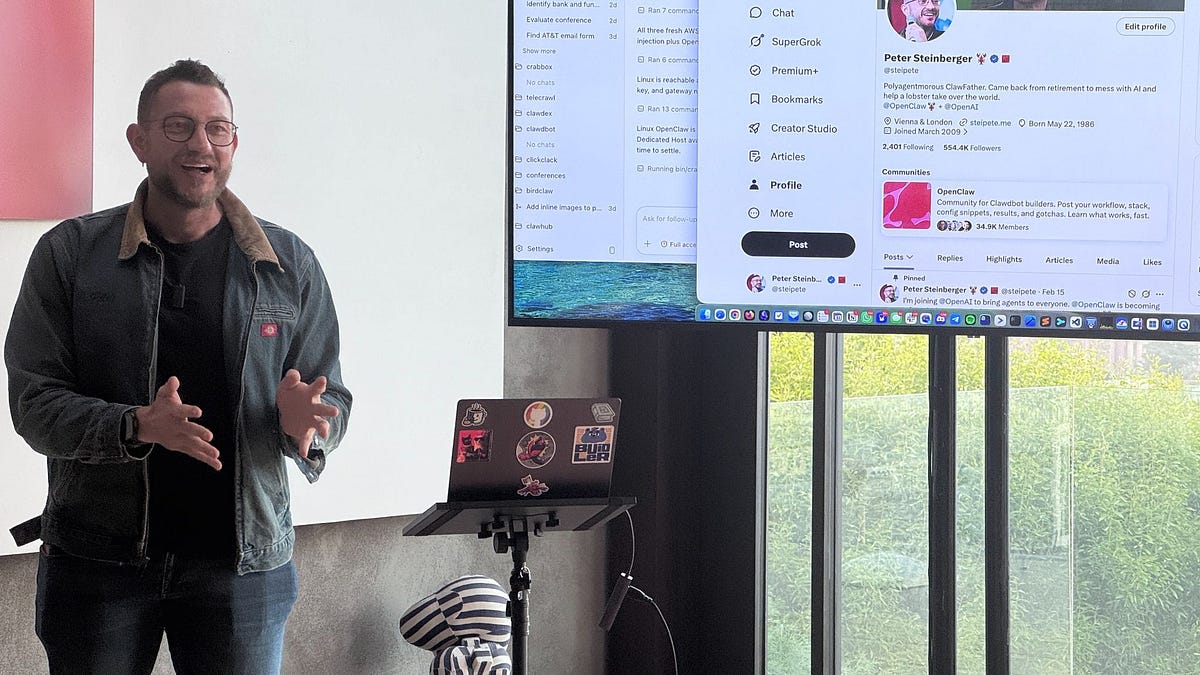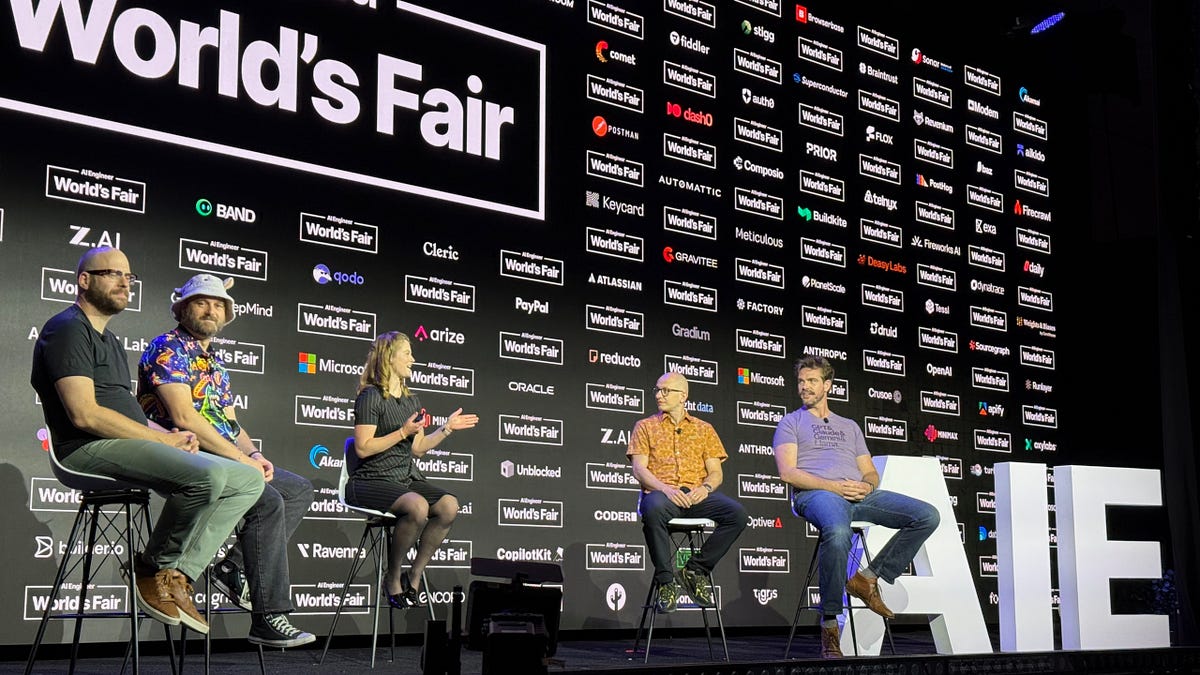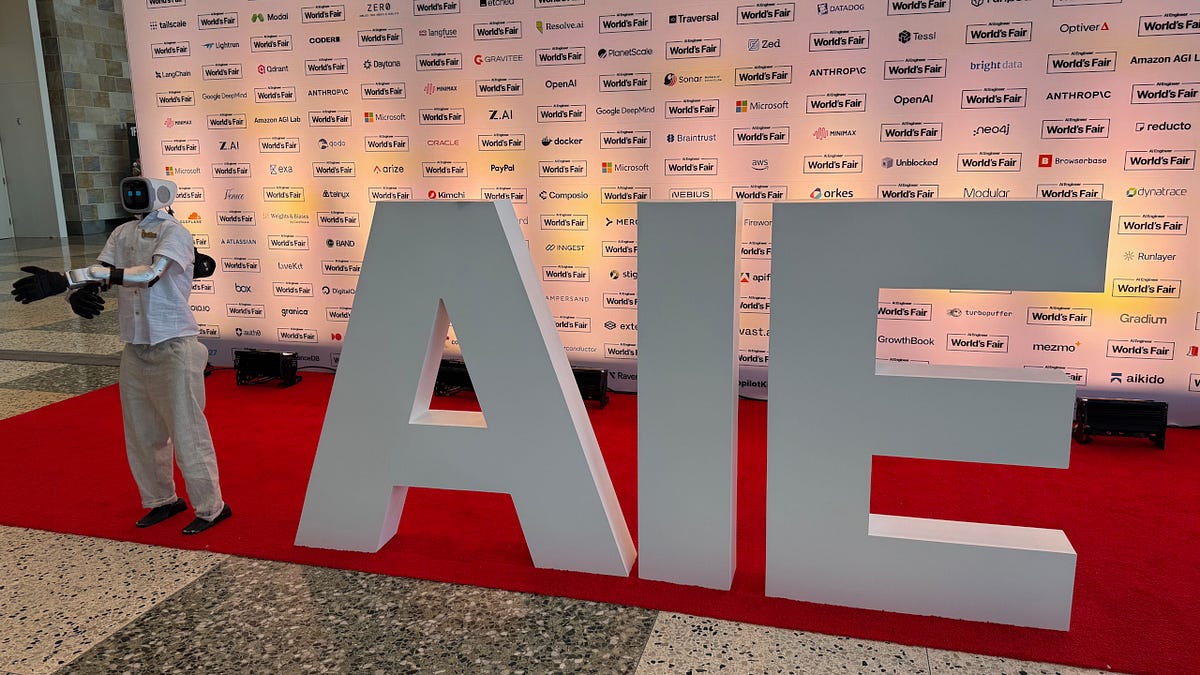
I’m at the AI Engineer conference in San Francisco this week. The event has every major brand-name sponsor you’d expect, a lineup of internet-famous project maintainers on stage, and a massive schedule covering which more or less has something for everyone. It’s easy to get lost in the noise. I spent my time trying to figure out what themes are actually real.
With dozens of tracks and thousands of builders, the ecosystem looks incredibly fractured. But if you look at what engineers are actually putting into production, the chaos collapses into a clear pattern. The industry is moving past simple chat interfaces and treating large language models like central processing units inside a larger, highly structured software architecture—essentially an LLM Operating System.
I cataloged everything I was seeing, dug into the technical tracks, and came away with these six themes. This is not my endorsement, and I have not separated the hype from the real. Take these brief summaries as jumping-off points to help you go deeper if any of these ideas trigger your curiosity.
1. The Shift to Repository-Scale “Software Factories”
For the last few years, AI in development was basically tab-complete. You wrote a line of code, an assistant suggested the next few tokens, and you moved on.