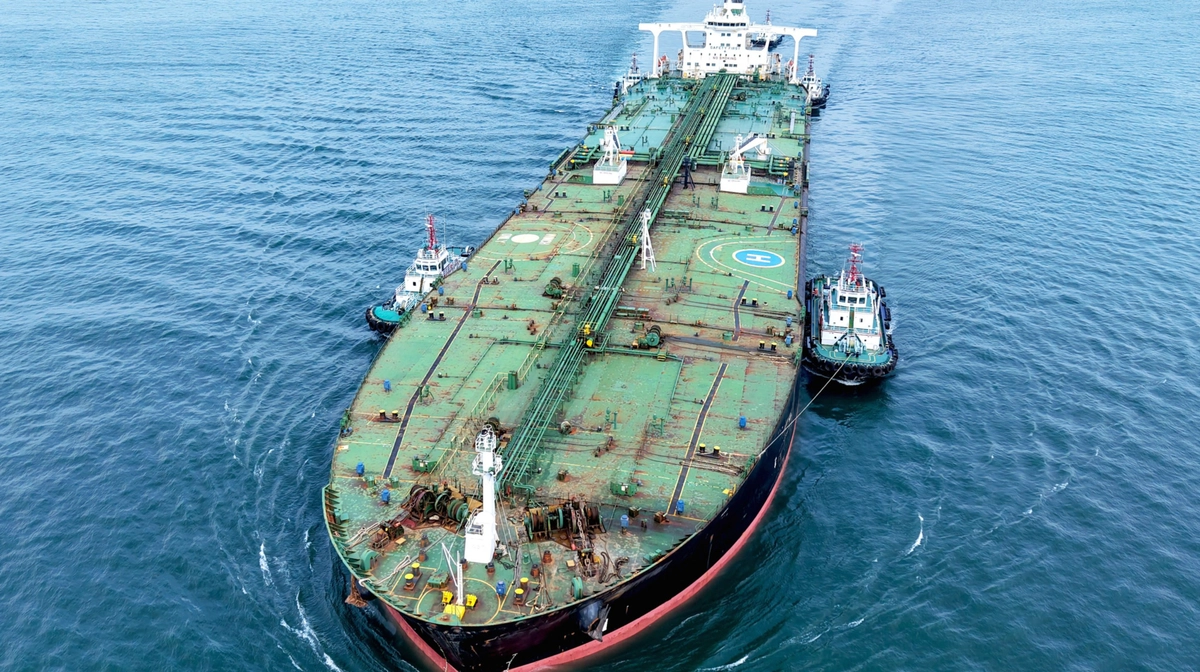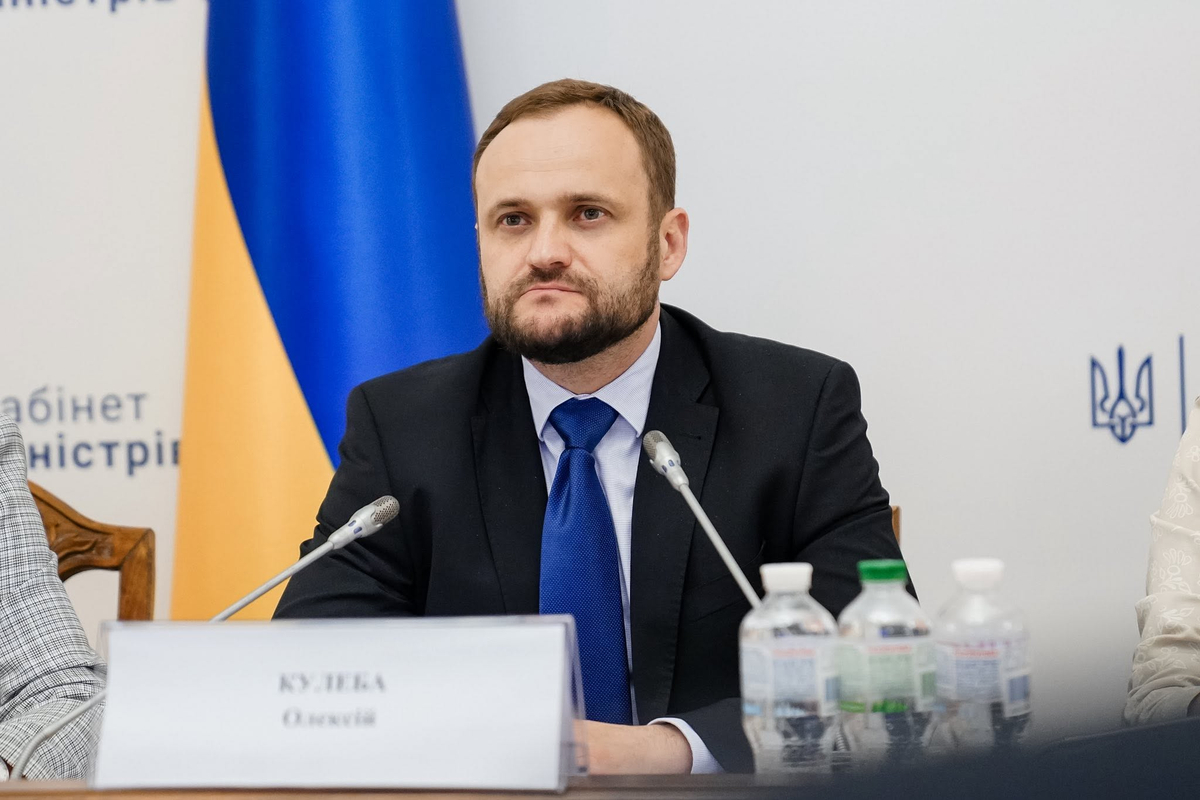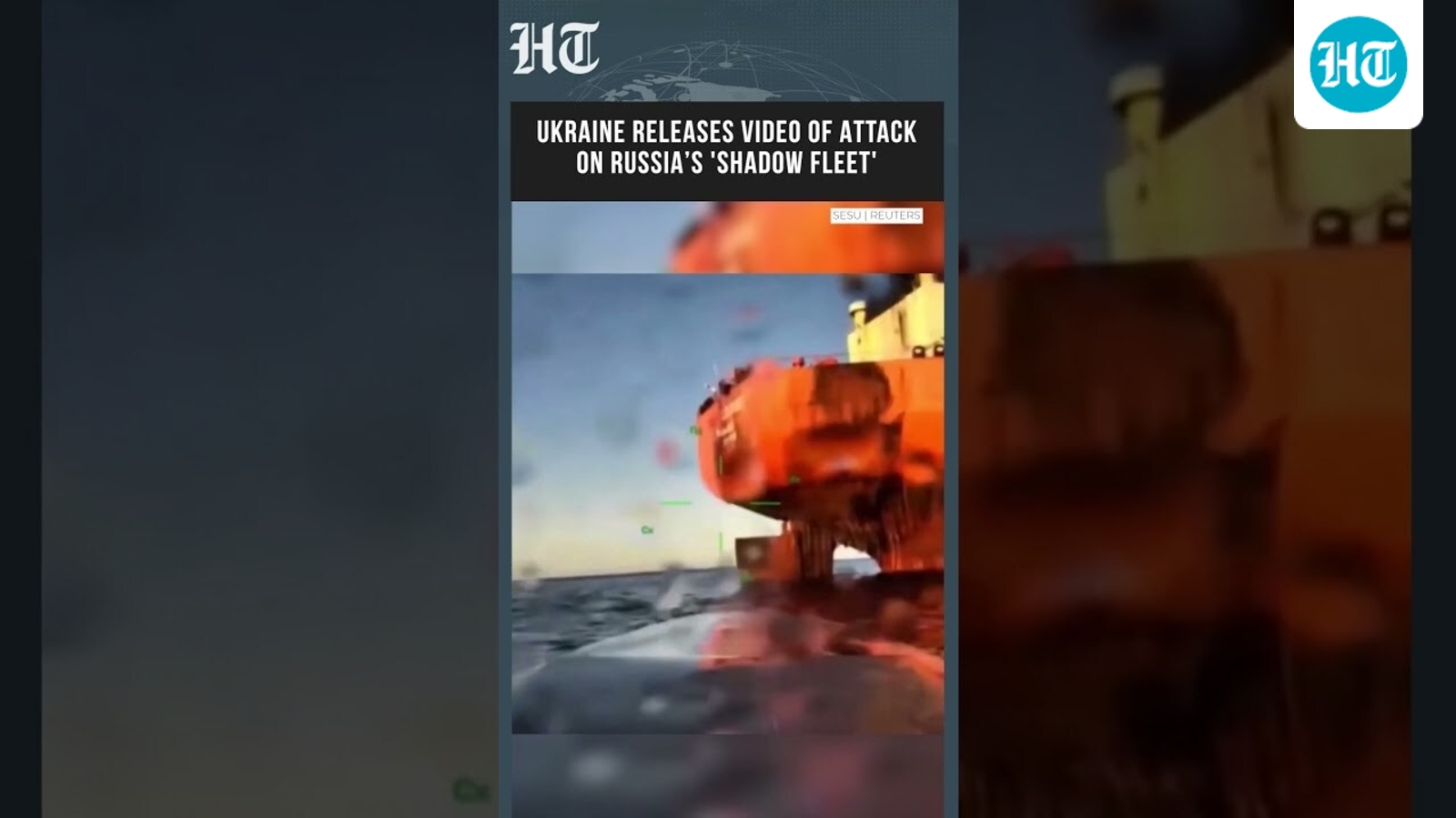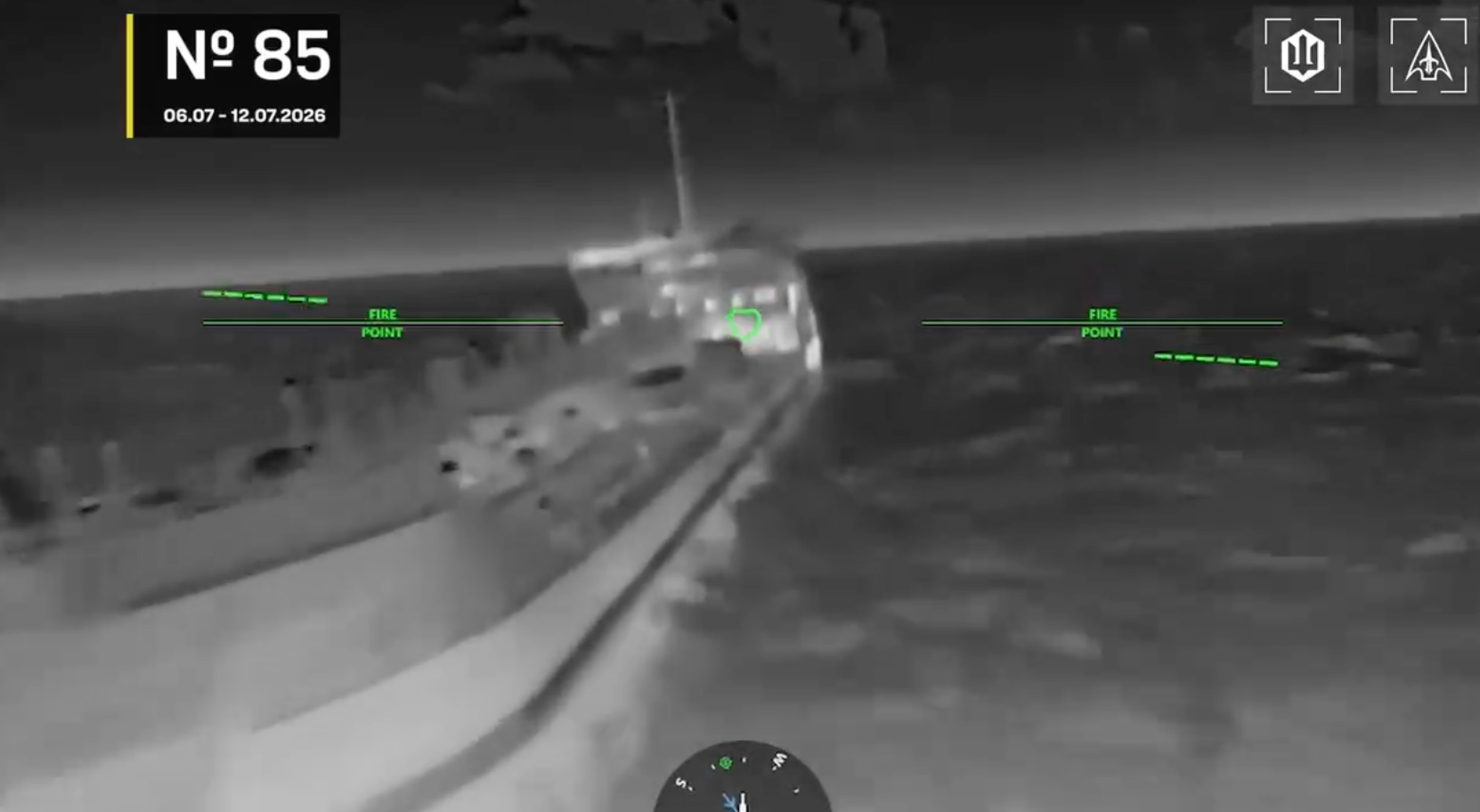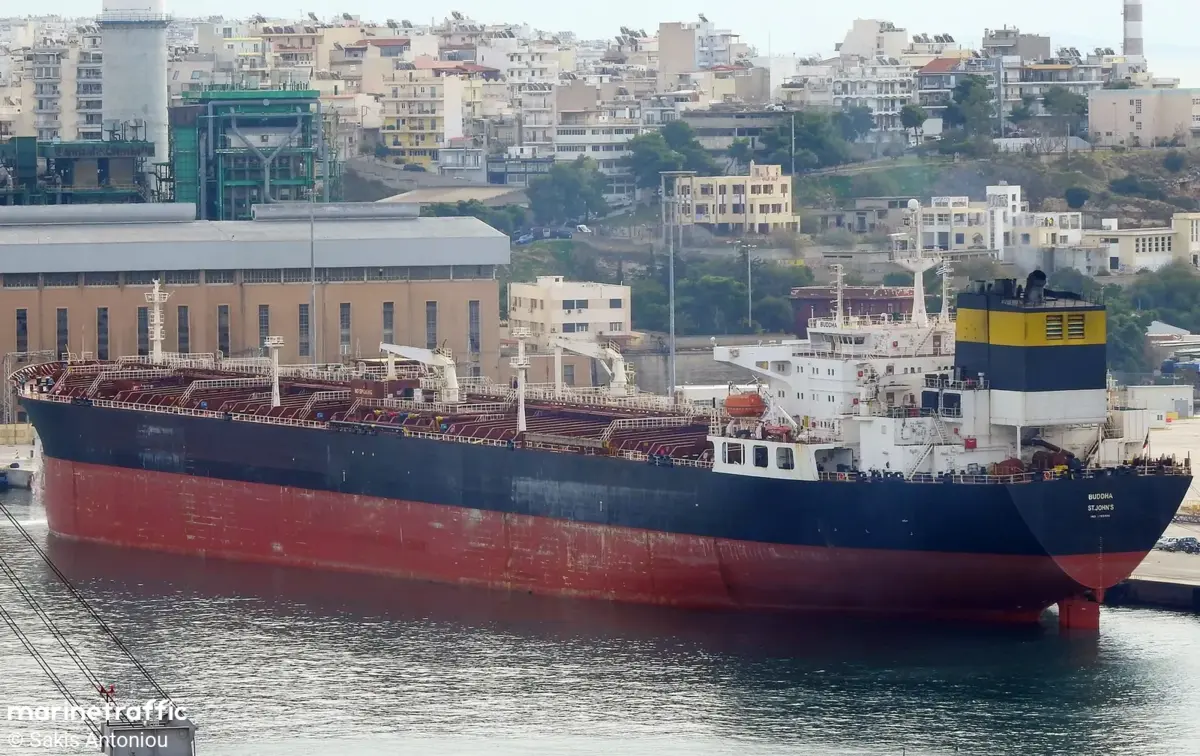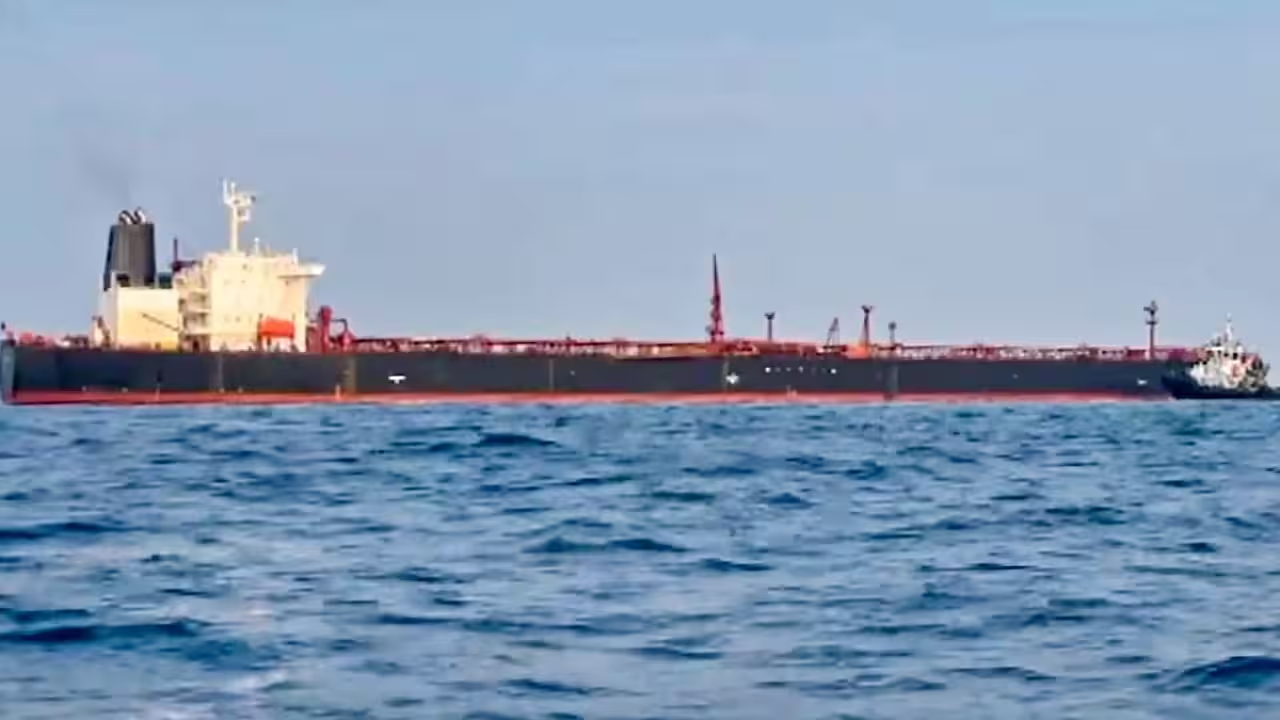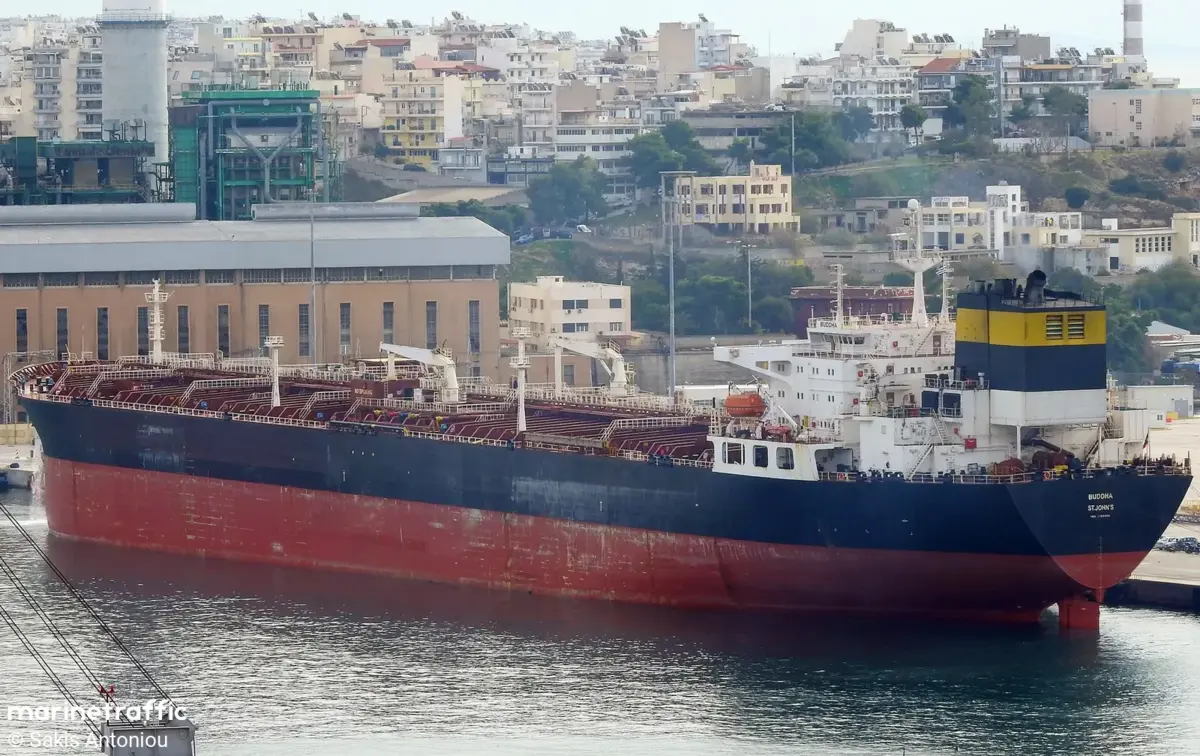
Ukraine has argued that Russia's shadow fleet vessels may no longer qualify as ordinary civilian shipping under international law, according to a June 26 letter sent by Deputy Prime Minister Oleksii Kuleba to the International Maritime Organization (IMO) and first reported by Lloyd's List."Legitimate questions arise as to whether the activities of such vessels can be regarded solely as ordinary commercial operations," Kuleba wrote, according to Financial Times. He argued that Russian oil and gas carriers are "critical to the generation of budget revenues for the Russian Federation and the continuation of its war effort."Russia relies on a vast shadow fleet of aging tankers operating under opaque ownership structures and flags of convenience to export oil and petroleum products despite Western sanctions. Ukraine has targeted several of them in recent months.Earlier in June, Russia sent a complaint to the IMO, accusing Ukraine of "terrorism" over the March attack on the Russian-flagged LNG tanker Arctic Metagaz in the Mediterranean.In response, Kuleba argued that Russia has repeatedly violated international maritime law by attacking civilian shipping. According to the letter, Russian forces have attacked 59 merchant vessels since the beginning of the full-scale invasion, including the Turkish cargo ship MV Victress and the German-owned Helga, which was carrying 25,000 metric tons of corn to Chornomorsk."These attacks constitute further evidence of the Russian Federation's blatant disregard for international humanitarian law, the laws governing naval warfare, and the safety of merchant shipping," Kuleba wrote.The letter comes as evidence mounts that Russia is militarizing parts of its civilian maritime fleet.An investigation published by the Organized Crime and Corruption Reporting Project (OCCRP) on June 29 found that the Marshal Vasilevskiy, a Gazprom-owned liquefied natural gas tanker supplying Russia's exclave of Kaliningrad, had been equipped with Kord 12.7-millimeter heavy machine guns mounted behind sandbagged firing positions. Journalists also identified two dozen people aboard the vessel with Russian military backgrounds. European countries have also stepped up efforts to crack down on Russia's shadow fleet as Western governments seek to tighten enforcement of sanctions on Russian oil exports. The U.K. seized a shadow fleet tanker carrying Russian cargo in the English Channel on June 14, and France intercepted another Russian shadow fleet vessel in the Mediterranean on June 25.According to shipbroker Clarksons, the Russian shadow fleet consists of about 1,800 vessels, roughly 1,500 of them oil tankers. Most are more than 20 years old, an age at which commercial cargo ships are typically retired and scrapped.
Ukraine argues Russia's shadow fleet should be treated as military targets
Ukraine argued in a letter to the International Maritime Organization that Russia's shadow fleet may no longer qualify as ordinary civilian shipping, citing its role in financing Moscow's war effort.
406 words~2 min read