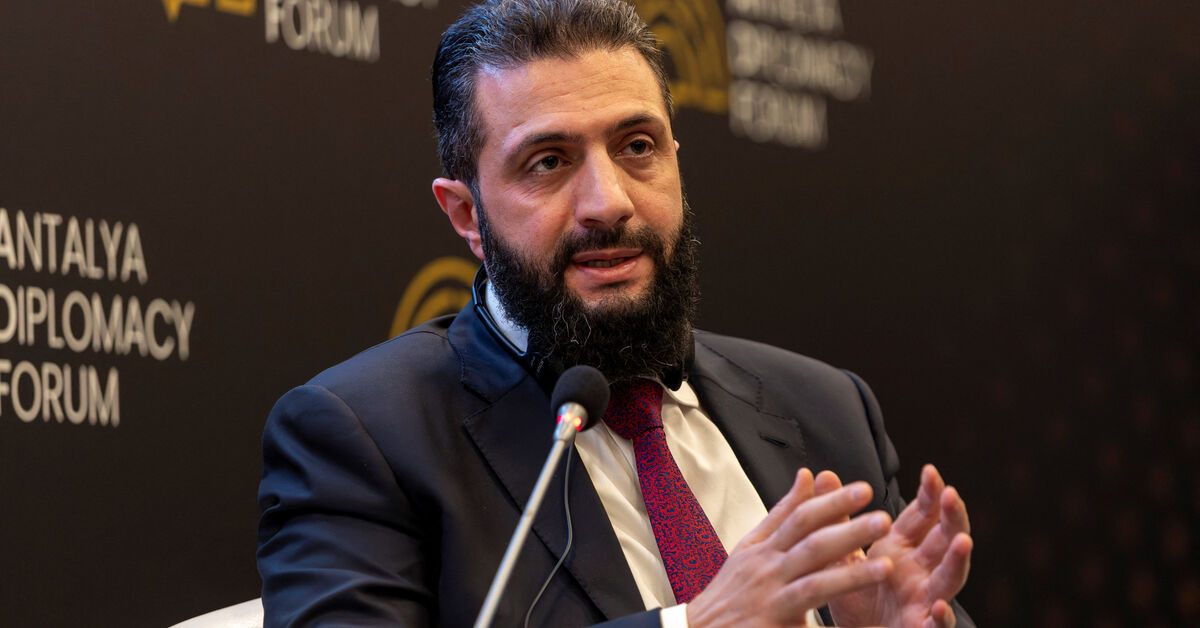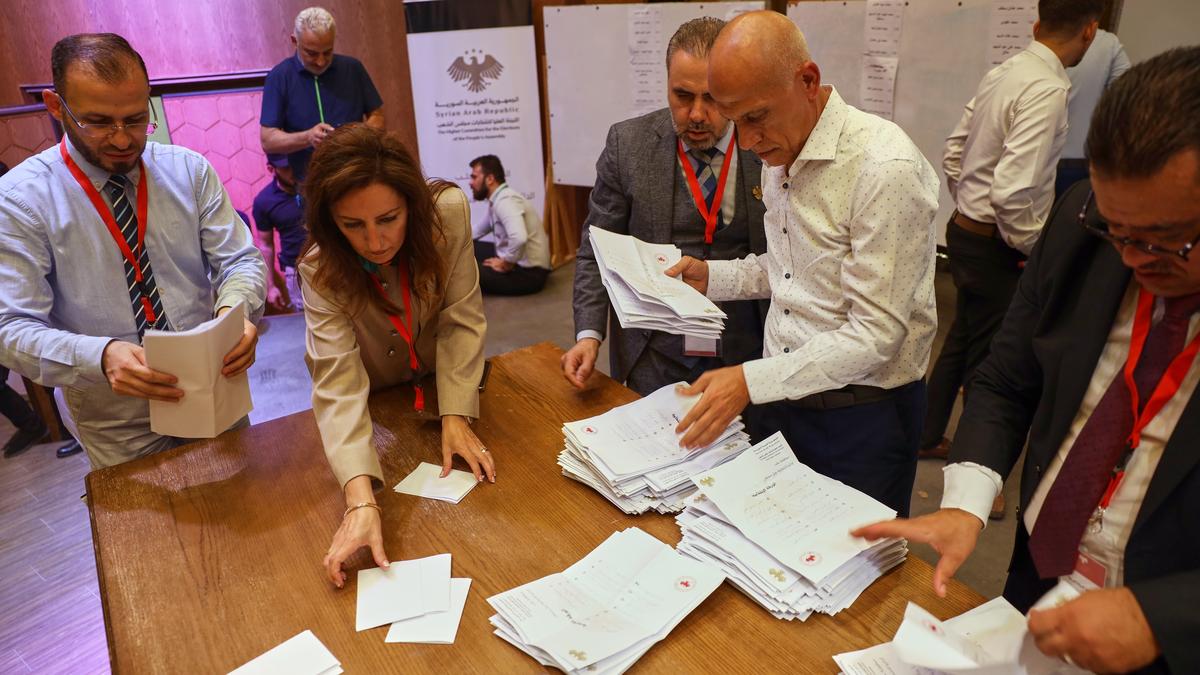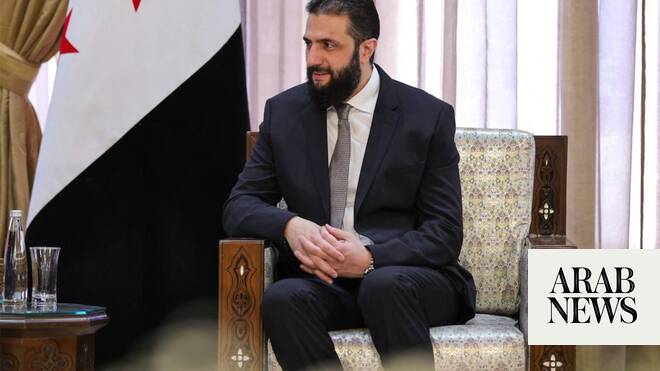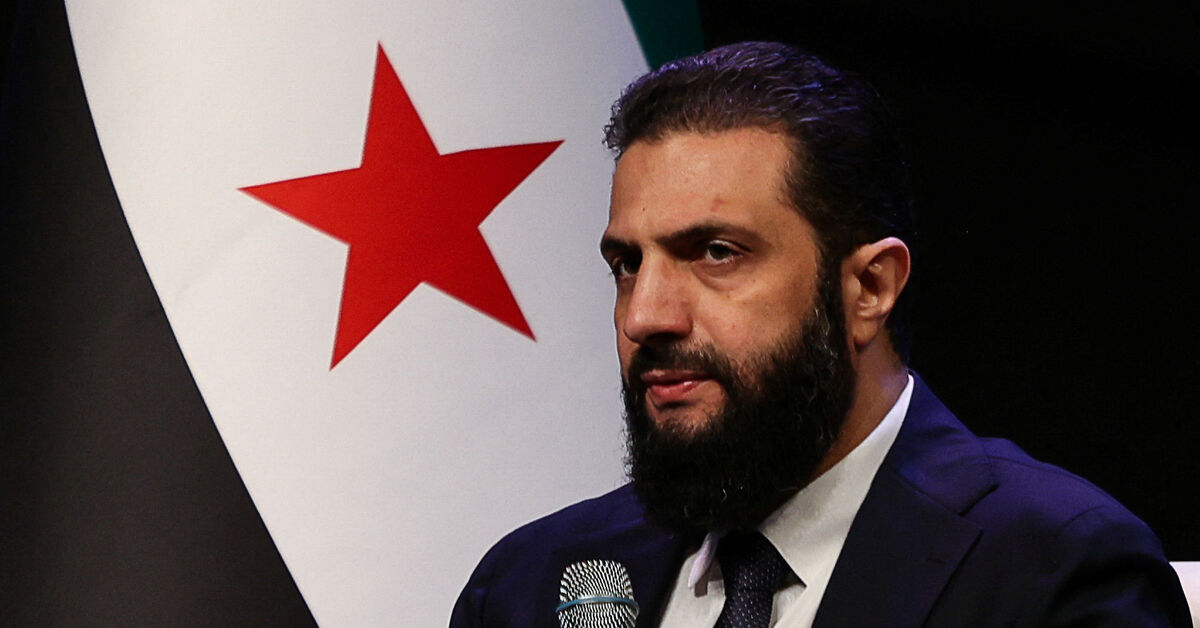
The majority of Syrian respondents said they couldn’t predict what influence the assembly would have, while 26% said they didn’t think it would have any weight on government decisions at all.Follow us on GoogleSyrian President Ahmed al-Sharaa arrives to attend the second day of the first Syrian-Emirati (United Arab Emirates) Investment Forum, at the People's Palace in Damascus on May 12, 2026.(photo credit: LOUAI BESHARA / AFP via Getty Images)ByDANIELLE GREYMAN-KENNARDJULY 1, 2026 17:38A startling minority of Syrians have confidence in the new People’s Assembly’s ability to represent the people or influence the government’s decision, according to a survey conducted by the Arab magazine Syria in Transition.The poll was conducted only weeks before Syrian authorities announced the names of 70 lawmakers appointed to a transitional parliament by Syrian President Ahmed al-Sharaa. The 210-member chamber will wield limited power under a presidential system established by Sharaa after he ousted Bashar al-Assad in 2024.Interviewing 900 people across Damascus, Rural Damascus, and Homs in mid June 2026, the research found that only 14% of respondents believed that the assembly would represent the people and only 10% thought it would influence government decisions. In contrast, 45% of people said the body would not represent the people, though more than a quarter (29%) explicitly said they didn’t care, even though they believed it wasn't representative.Notably, while efforts were made to ensure female and certain sect representatives, including the Alawite community, were selected, Sharaa did not allow the selection of lawmakers for the predominantly Druze province of Sweida, saying such a selection would only take place once "conditions become suitable."The majority of Syrian respondents (64%) said they couldn’t predict what influence the assembly would have, while 26% said they didn’t think it would have any weight on government decisions at all.The debris of a destroyed building and vehicle litters the ground following a Jordanian strike on reported drugs and weapons storage facilities in the village of Busan, in the southern Druze-majority province of Sweida on May 3, 2026; Illustrative. (credit: Shadi AL-DUBAISI / AFP via Getty Images)Those residing in wealthier areas generally had a more positive perspective (64%) on the rule of law than those in less economically stable communities (6%). Neighborhood wealth also strongly aligned with perceptions of safety, satisfaction with public services and satisfaction with Syria’s economic situation.While the country is still reconstructing its political identity, a majority of respondents (68%) said they wanted democratic values taught in schools, while 18% explicitly opposed such instruction.Negotiations over violence in SweidaAsked how they wanted the government to address issues in Sweida, where sectarian violence saw around 1700 people murdered and hundreds abducted last year, and where tensions remain high with periodic outbreaks of violence, only 7% said they supported a military solution. Far more popular a resolution was a negotiated solution, which was supported by 67% of respondents.Syrian respondents were far less certain when it came to the issue of integrating the formerly US-backed Kurdish Syrian Democratic Forces. A majority of 63% said they were unaware of any developments when it came to the integration of SDF forces, while 16% said they didn’t believe Damascus resolved the issue. Only 21% believed that Damascus’s efforts had been a success.Majority hold Moscow accountable for AssadOn the issue of holding Russia accountable for supporting the Assad regime, a country that continues to host the former dictator after he was ousted, 53% said the country should be held accountable for its backing, with 10% refusing to answer the question, 18% saying they were unsure, and 19% explicitly stating that Moscow should not be responsible.Follow us on Google
Syrian poll shows low confidence in Ahmed al-Sharaa gov't, support for talks with Sweida | The Jerusalem Post
The majority of Syrian respondents said they couldn’t predict what influence the assembly would have, while 26% said they didn’t think it would have any weight on government decisions at all.
597 words~3 min read