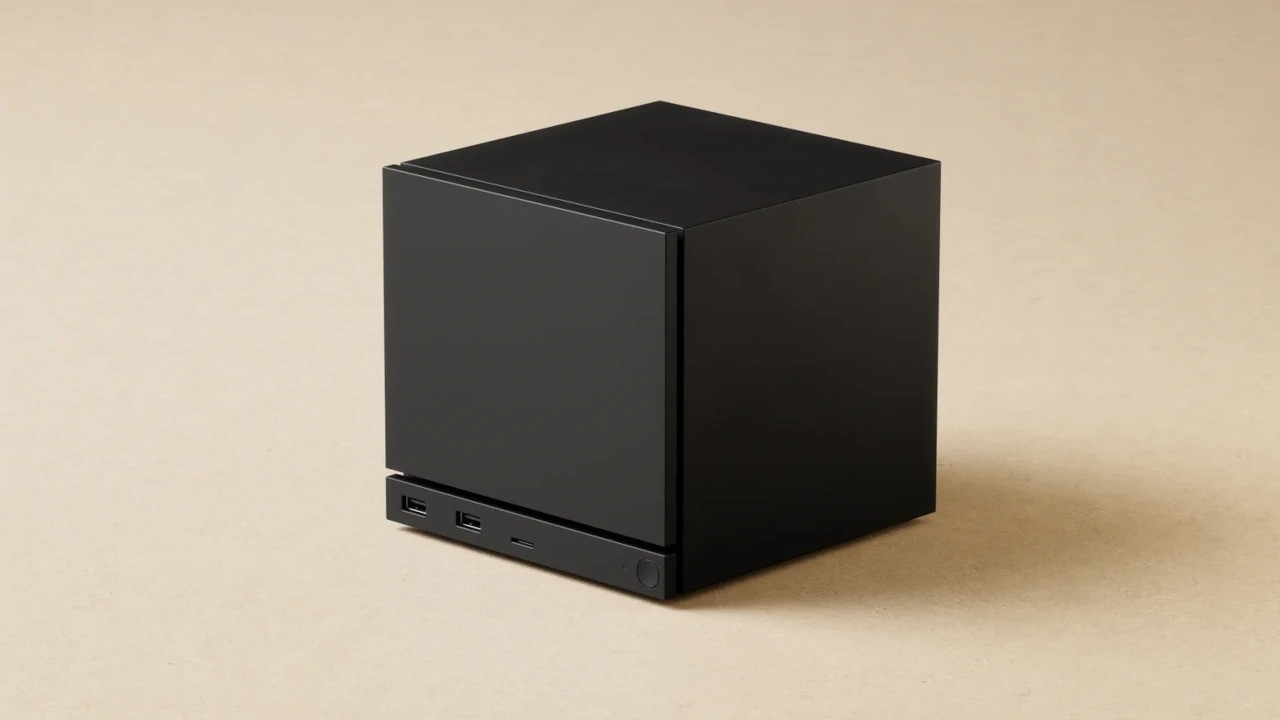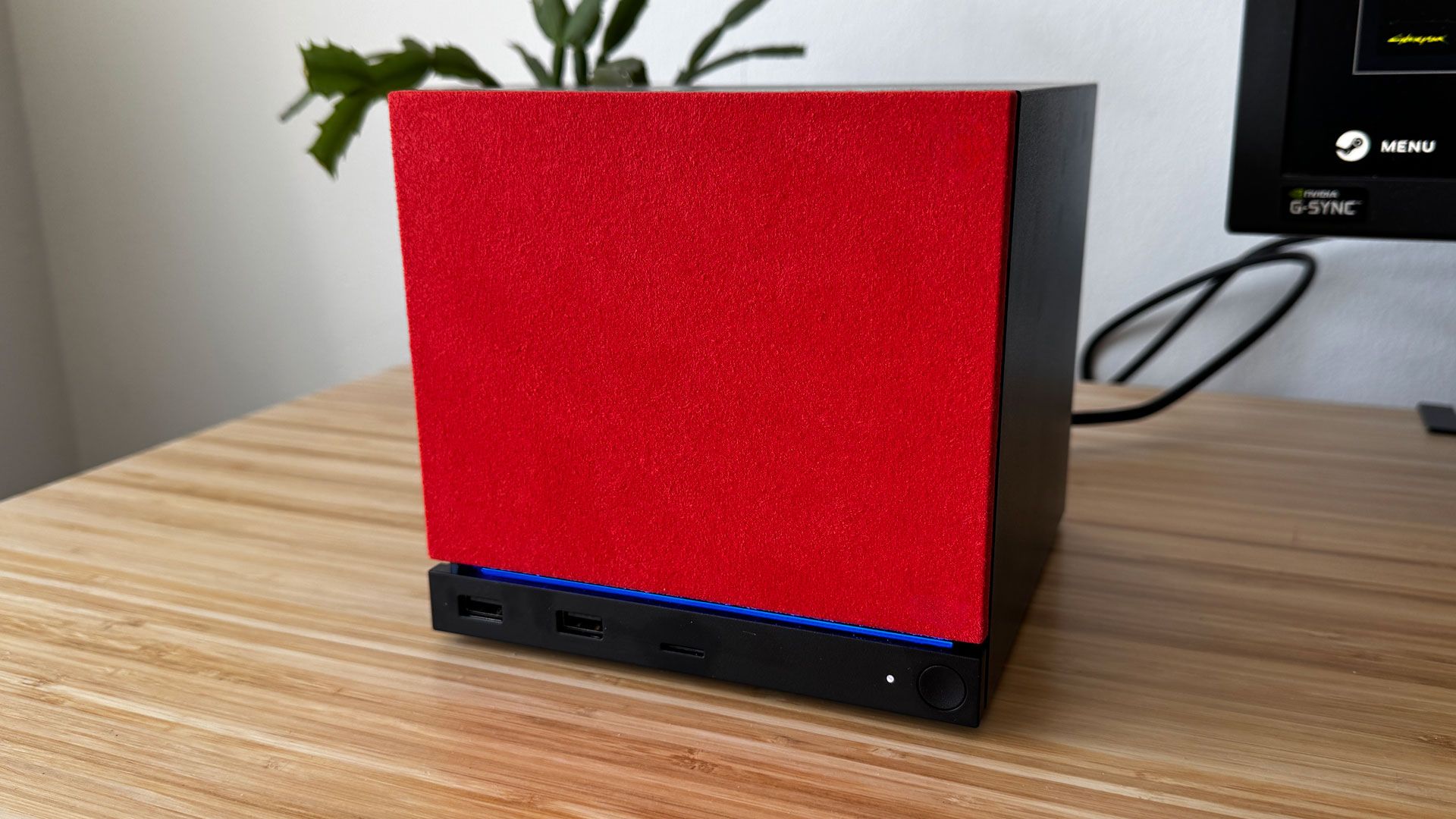
BOTTOM LINE: Valve's decision to ship its latest Steam Machine with a single memory module is drawing closer scrutiny as early testing suggests that choice costs the system some performance. Benchmarks show that simply populating the second slot to enable dual-channel memory can deliver measurable gains in both compression workloads and several modern games.
Each retail unit ships with a single 16GB DDR5-5600 SO-DIMM, a configuration Valve links to tight DDR5 supply. That single stick forces the Steam Machine into single-channel mode out of the box, instead of tapping the extra bandwidth dual-channel offers.
Gamers Nexus benchmarked both configurations to see how much that choice affects performance. In side-by-side tests of the stock single-stick and a dual-stick setup, the outlet saw performance gains that depended heavily on the workload and peaked around 20%.
The contrast shows up most clearly in CPU-heavy tasks. In 7-Zip compression, two sticks were about 19% faster than one, a result that lines up with the extra bandwidth dual-channel provides. Decompression results were effectively identical, underscoring that not every workload leans on memory throughput.
In games, the picture is mixed as well, with some titles gaining a lot and others barely moving. In Baldur's Gate 3, the system averaged 69.4 frames per second with two sticks installed, compared to 60.2 FPS in the default configuration, a 15% increase. Resident Evil 4 showed a 10% bump, reaching 129.9 FPS versus 118.1 FPS. The Outer Worlds 2 posted a 14% gain, while Starfield saw a more modest 3% improvement.