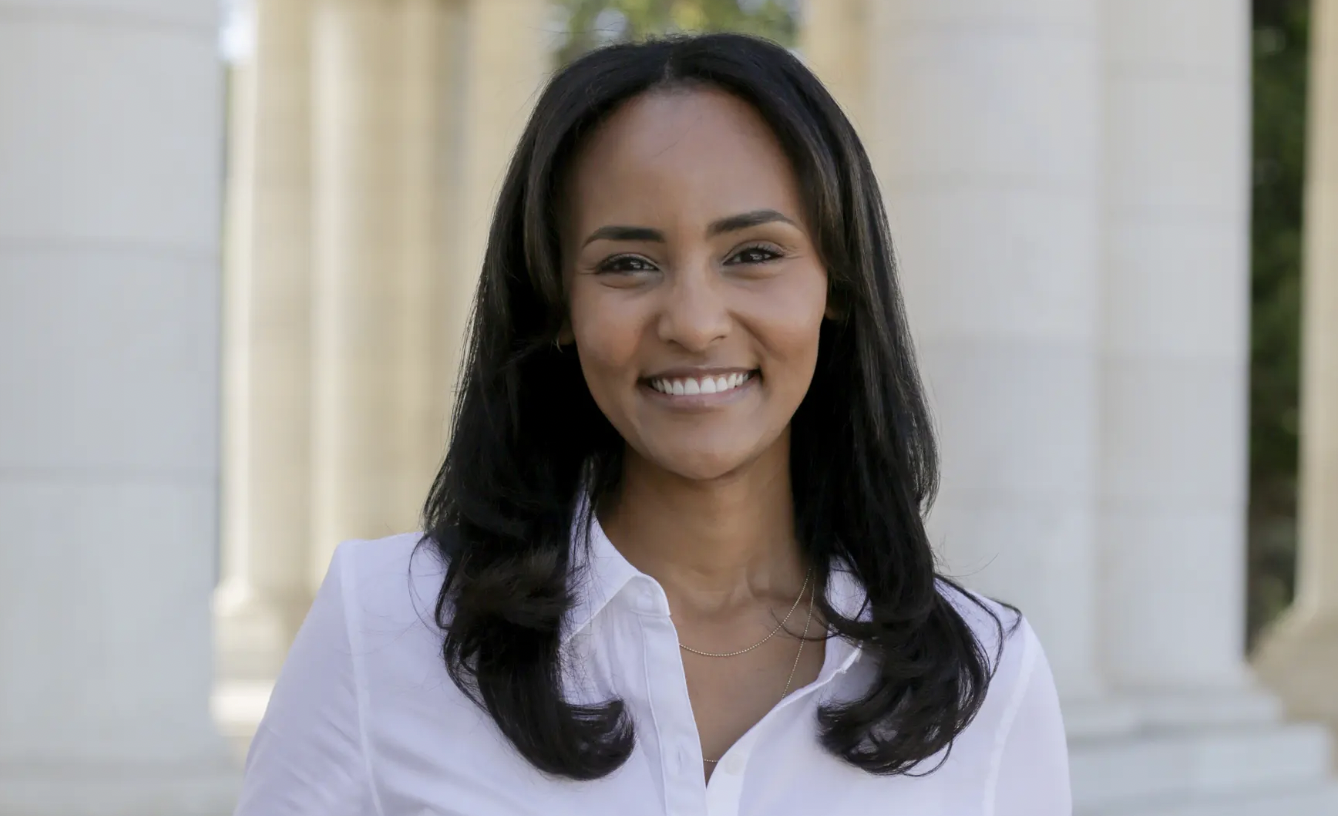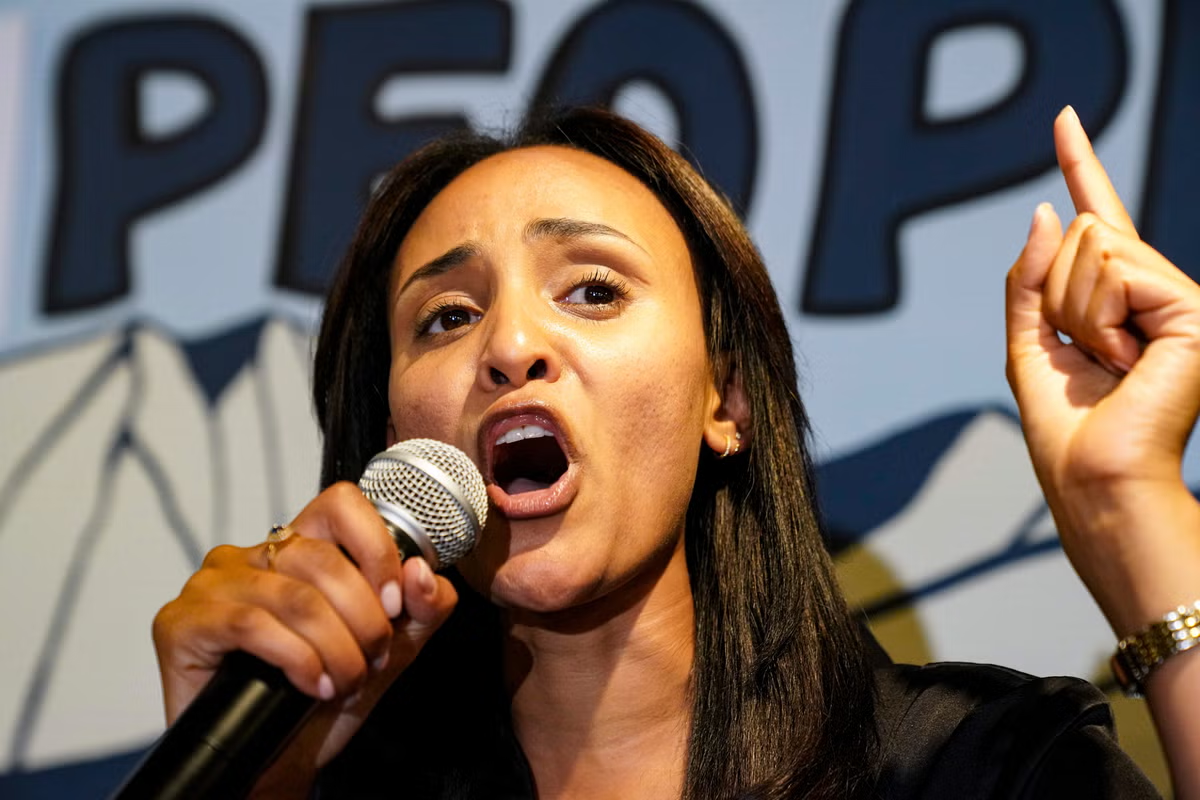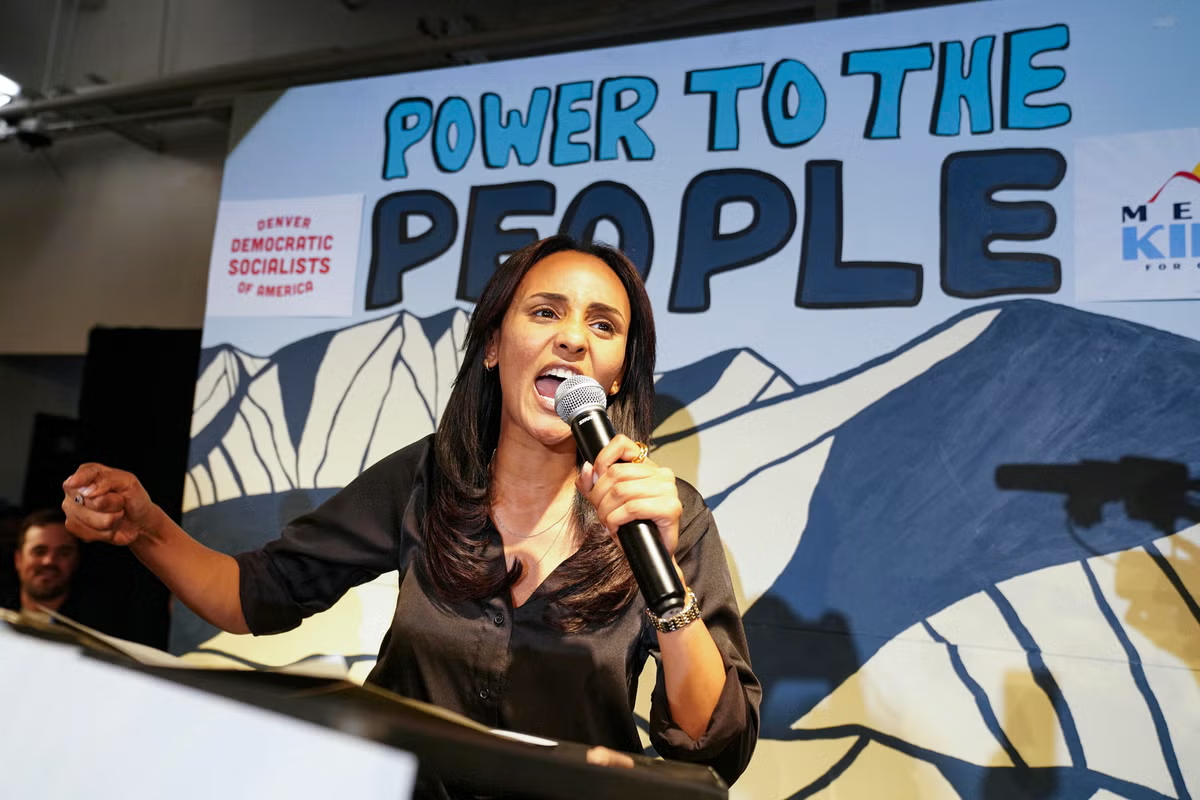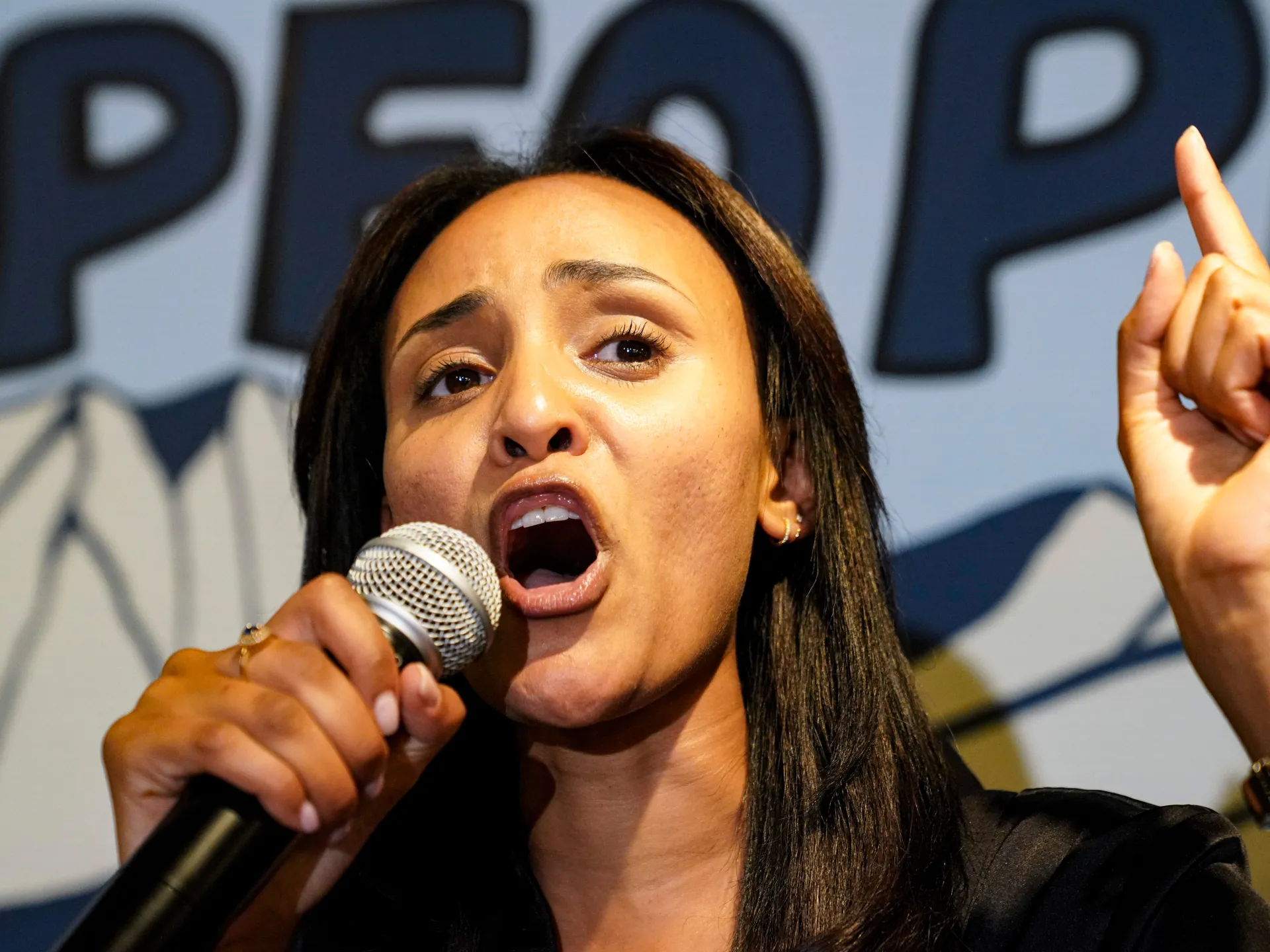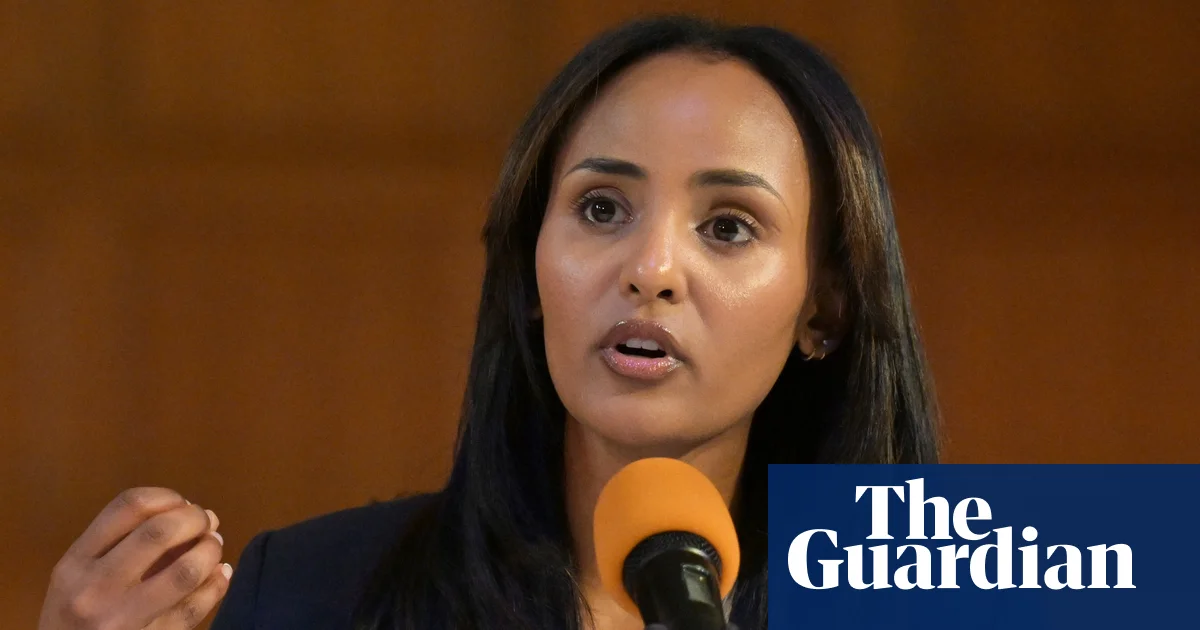
In many ways, Melat Kiros epitomizes the winds of change sweeping over the Democratic Party.Kiros is a 29-year-old political newcomer who is disillusioned with the system, who calls ending aid to Israel “the moral question of our time,” and who is backed by the Democratic Socialists of America.And on Tuesday, she handily defeated a Democratic incumbent who’s held her seat since the year before Kiros was born — Rep. Diana DeGette, of Colorado’s First District.“This isn’t just about replacing one generation of leaders with another,” Kiros told me in an interview last month. “It’s about replacing it with moral clarity, with urgency, with courage — and making sure that the will of the voters is actually being represented and fought for at the federal level.”Kiros’s race was closely watched as a test of whether Democratic incumbents outside New York City might be at risk from left-wing challengers — and her victory confirms that, at least in urban districts like her Denver one, they very much are.DeGette wasn’t the only longtime establishment Democrat to stumble in Colorado’s primaries Tuesday. Sen. Michael Bennet, who was running for governor, lost to the state’s attorney general, Phil Weiser. (Bennet’s term is not up, so he will remain in the Senate next year.) And progressive candidates did well in several congressional and state legislative primaries, too.Incumbent Sen. John Hickenlooper (D) defeated his progressive challenger, state Sen. Julie Gonzales. But he was only winning by about 10 points as of Wednesday morning — a strikingly close margin against a challenger who’d raised little money, considering how Hickenlooper has been a mainstay of Colorado politics for more than two decades.The biggest star of the night, however, was Kiros, who sent a 30-year incumbent member of Congress into retirement.And one way Kirios differs from Darializa Avila Chevalier and Claire Valdez — the victorious DSA candidates in New York’s primaries last week — is that she doesn’t have a very lengthy record of left activism. In fact, Kiros only joined the DSA during this campaign, after she sought its endorsement.In requesting their support, though, she had what was deemed to be one unimpeachable credential. Three years prior, as a law firm associate, she’d written an open letter criticizing Israel — and was fired for it.What was then a career-ending offense became, in the context of this year’s primary elections, something like a badge of honor, winning key endorsers like streamer Hasan Piker over to her side. (“Fired over Palestine, now running for Congress” was the title of one Piker video with her.)Indeed, Kiros went on a journey similar to that of many in her age cohort: It was the issues of the 2020s — from the pandemic to the disappointing Biden presidency to new Middle East wars — that fed her deepening disillusionment with the Democratic Party, her embrace of democratic socialism, and her own desire to step up and bring about change.“This is the most anti-incumbent cycle we’ve seen in a really long time,” Kiros told me. “So I think this is an opportunity to change the party in a way that — I don’t think we’ll have another chance like this. To pass it up, I think, is irresponsible.”Melat Kiros’s politics were formed by the issues of the 2020sIn 2019, the year after Kiros graduated from college, she entered Notre Dame Law School. By her account, her political awakening occurred soon afterward.“I went to one of the most conservative law schools in the country, which I wasn’t aware of until I got there,” Kiros told me. Amidst the pandemic and the tumultuous events of 2020, Trump nominated Amy Coney Barrett — who was a professor at Notre Dame in addition to being a circuit judge — to the Supreme Court.“I literally watched the Federalist Society handpicking some of my classmates onto the judge track in their decades-long bid to pack the courts,” she said. “It felt like I was witnessing firsthand the powers that be actively working against the interests of working people.”After that, the pandemic lingered well into Biden’s term, and Kiros said, “I just lost faith in the system, I think a lot of young people did.” To pay off her hefty student loans, she said, she went to work at a “Big Law” firm, Sidley Austin.Then came Hamas’s October 7, 2023, attack on Israel — which was followed by both Israel using overwhelming force in Gaza and intense protests in the US over Israel, many of which unfolded on college campuses.That November, alarmed by scenes at those protests, leading figures in the legal world put together an open letter to law school deans denouncing “rallies calling for the death of Jews and the elimination of the State of Israel.”The letter included a not-so-veiled warning to law students seeking jobs: “Such anti-Semitic activities would not be tolerated at any of our firms.” More than 100 firms signed it, including Sidley Austin, where Kiros was a second-year associate.But Kiros took issue with the letter — and decided to write her own open letter in response, on Medium, which went viral.“By chilling future lawyers’ employment prospects for criticism of the Israeli government’s actions and its legitimacy, you are complicit in Israel’s weaponization of anti-Semitism against legitimate concerns for the right of self-determination and the livelihood of the Palestinian people,” Kiros wrote. And she disputed that “calls for the elimination of the Israeli state” — which she interpreted as calls for a one-state solution where both peoples could live “in peace” — were antisemitic.Her criticism of Israel’s conduct, she told me, stems from her own family history. “I’m from the northern region of Ethiopia, the Tigray region, where a genocide took place just a few years ago,” she told me. “I lost family in genocide there. I protested what was happening there. No one was threatening to fire me or pull my job offers for it.”Shortly after publishing her open letter, she was fired. In the years afterward, she began pursuing a public policy PhD and worked as a barista.Then, when Trump won the 2024 election, she became fed up with the Democratic establishment and decided to launch her own unlikely long-shot campaign against DeGette, a longtime progressive member who had been criticized by the left over her prior votes for military aid to Israel.“I really sincerely believe that primaries are our only opportunity to make the changes that not only need to happen within the Democratic Party, but to address the conditions that led to someone like Trump rising in the first place,” she said.The campaign soon found a following among similarly minded activists, while DeGette criticized her sharply over Kiros’s associations with Piker and bristled at the race’s focus on Israel. “If the only issue that you care about is this issue, then you should not vote for me,” the DeGette told one person who confronted her earlier this year over a bill on weapon transfers.What Kiros hopes to achieve in CongressTo Kiros, it’s obvious which policies the country needs. “We know that Medicare-for-all is the answer, we know that housing first is the answer, we know that tuition-free public college is the answer. These are all not only the right thing to do, but the pragmatic and economic and efficient thing to do,” she said. And she added, “We have to end all aid that is being sent to Israel.”The only explanation for why they hadn’t been adopted already, she said, is money. “It’s all tied to the issue of money in politics,” she said. “The only reason we don’t have those things is because of the billionaires and the corporations that are making way too much money keeping things exactly as they are today.”Her platform fits in well with the Bernie Sanders left — but, she said, she didn’t consider herself a socialist until after her campaign began. “It wasn’t until I had sought out endorsements from various organizations, including Democratic Socialists, that I really started reckoning with: all these policies I’m calling for are democratic socialism,” she said. She said she was “honored” to have the group’s support, calling them “critical to the success of our field program, and in helping us get the word out about our campaign.”If elected to Congress — which will almost surely happen, given the overwhelming blue lean of her district — Kiros said her priority would be on making sure Democrats deliver on their promises. She predicted that Democrats would win the House and Senate this cycle, and the White House in 2028: “We’ll take power, the question is what we do with it.”She said Democrats needed to pass a health care package — including Medicare-for-all, canceling all medical debt, and breaking up big pharmaceutical companies — as well as bills on housing, child care, and elder care.And on Israel and Gaza, she said, “A supermajority of Democratic voters agree that they no longer want their taxpayers to be funding this genocide. So this is a question of: who does our party serve, the voters or the donors?”She also seems set to be a thorn in the side of Democratic leadership – she’s said she won’t vote for any leader who accepts corporate PAC money, which, she told Politico after her win, includes Minority Leader Hakeem Jeffries.Kiros is one of the first of a new generation of politicians who spent nearly their entire adult life in the tumultuous 2020s. We’re only beginning to understand what the political parties will look like when they take over, and there will undoubtedly be leaders with very different perspectives on the same crisis period, just like the polarizing 1960s. But one thing is clear from the anti-incumbent wave this cycle: They’re not going to wait their turn.
Melat Kiros is the first political star truly formed by the 2020s
What’s behind her shocking victory against a 30-year incumbent in Colorado — according to the candidate herself.
1,616 words~7 min read