Taiwan passed its first comprehensive crypto law, creating a licensing regime for virtual asset firms, establishing stablecoin rules, and imposing penalties of up to seven years in prison for unlicensed operations, as the island moves to formalize and expand its digital asset industry.
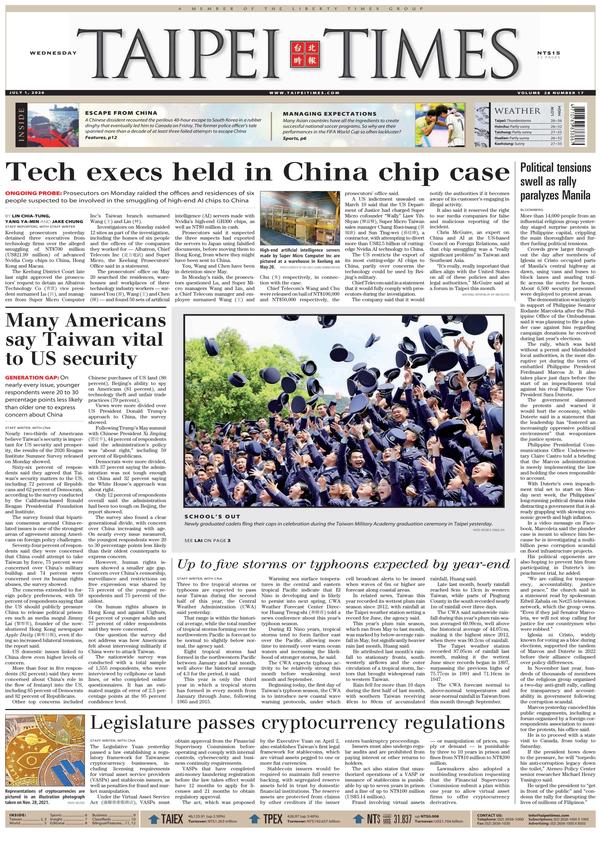
Taiwan’s Legislative Yuan approved the Virtual Asset Service Act in its third reading on Tuesday, the island’s first comprehensive framework for the crypto sector. Lawmakers sent the bill to President Lai Ching-te, who is expected to sign it into law within ten days.
The act establishes a licensing regime for all virtual asset service providers in Taiwan and hands broad oversight to the Financial Supervisory Commission (FSC). Under the law, crypto businesses must secure FSC approval before operating in Taiwan. The framework covers seven categories of providers, including exchanges, trading platforms, transfer firms, custodians, underwriters and lending services.
The legislation creates Taiwan’s first stablecoin framework. Issuers must win approval from both the central bank and the FSC before releasing tokens. The law requires them to hold full reserves, place those reserves in trust, and submit to routine audits and public disclosures.