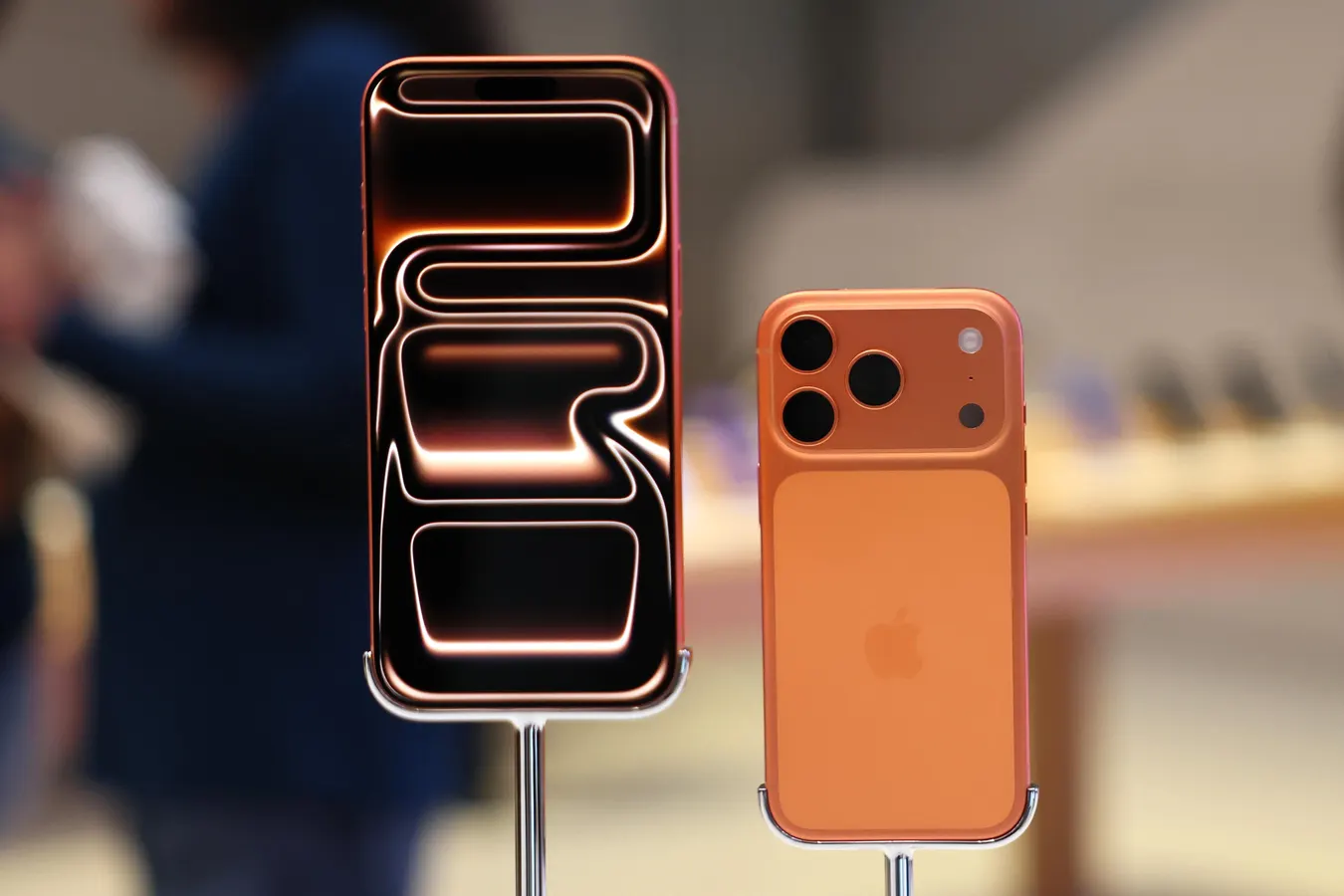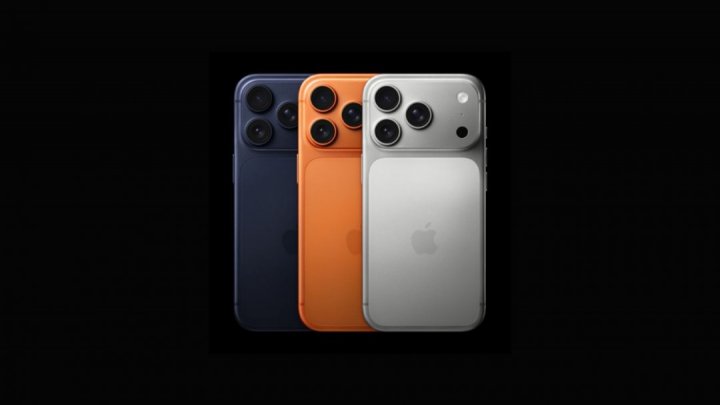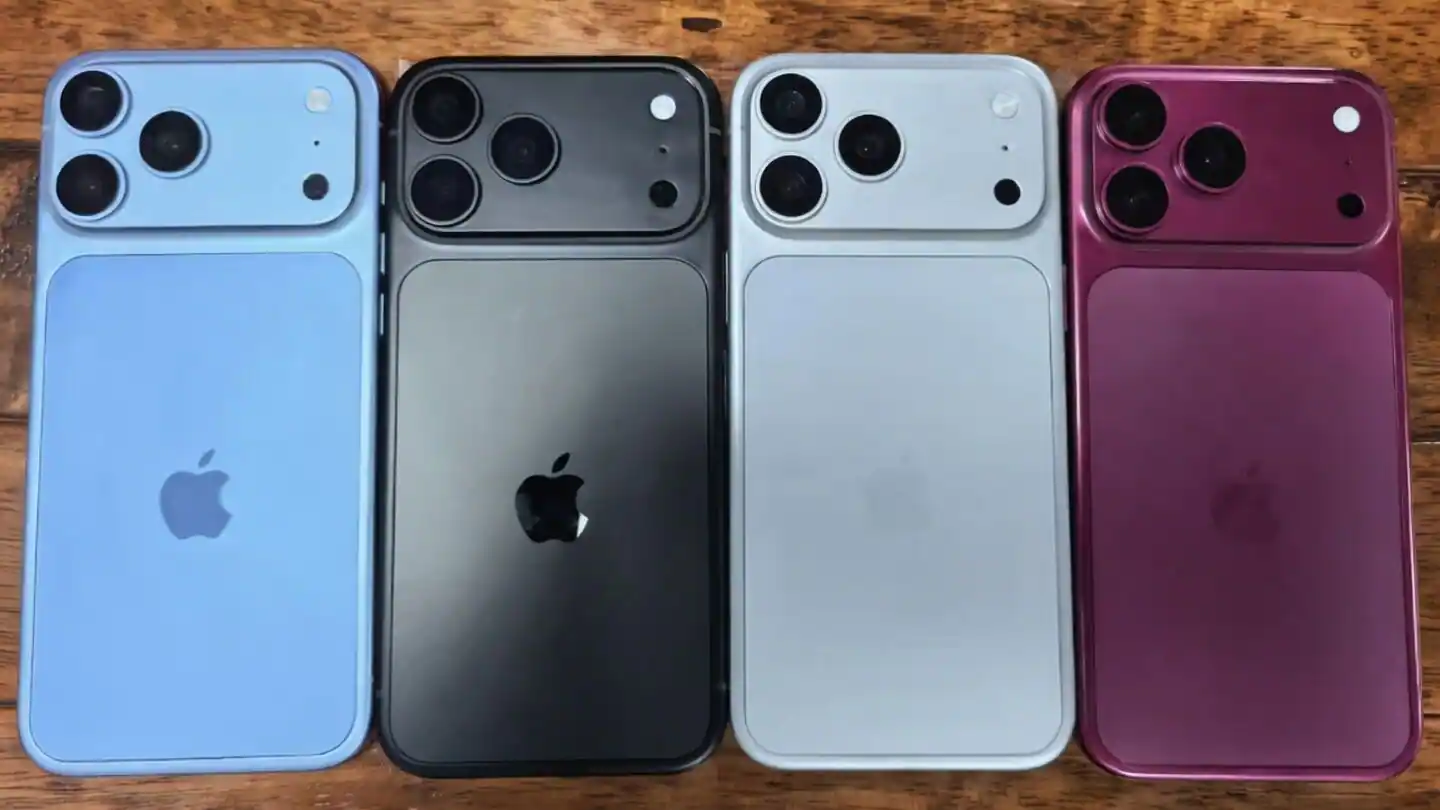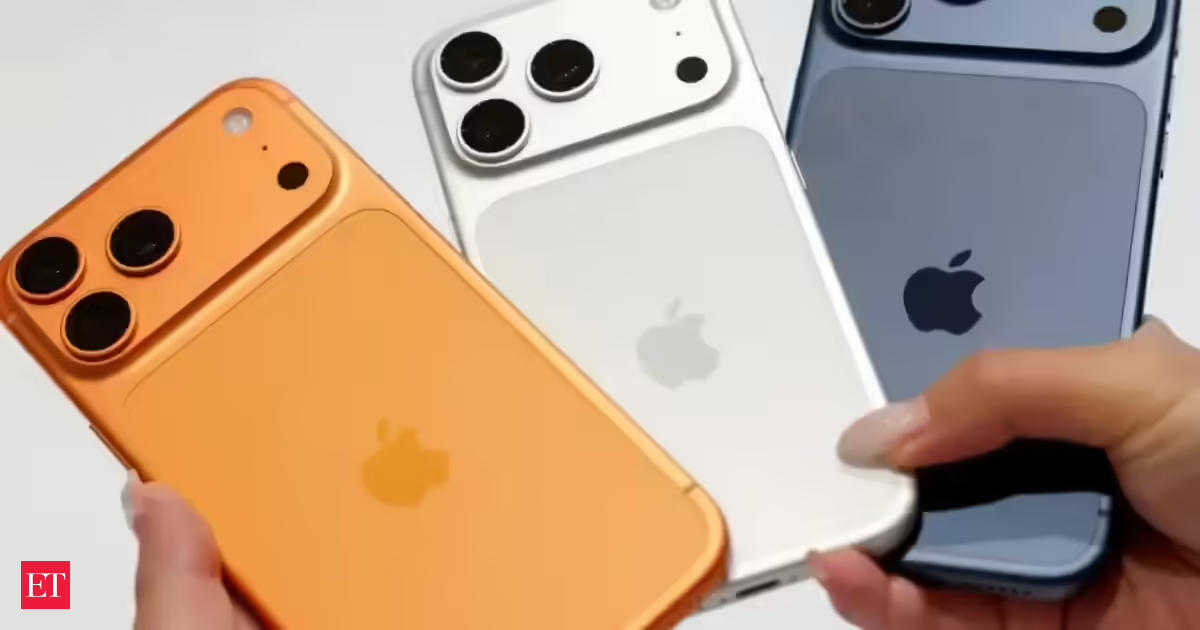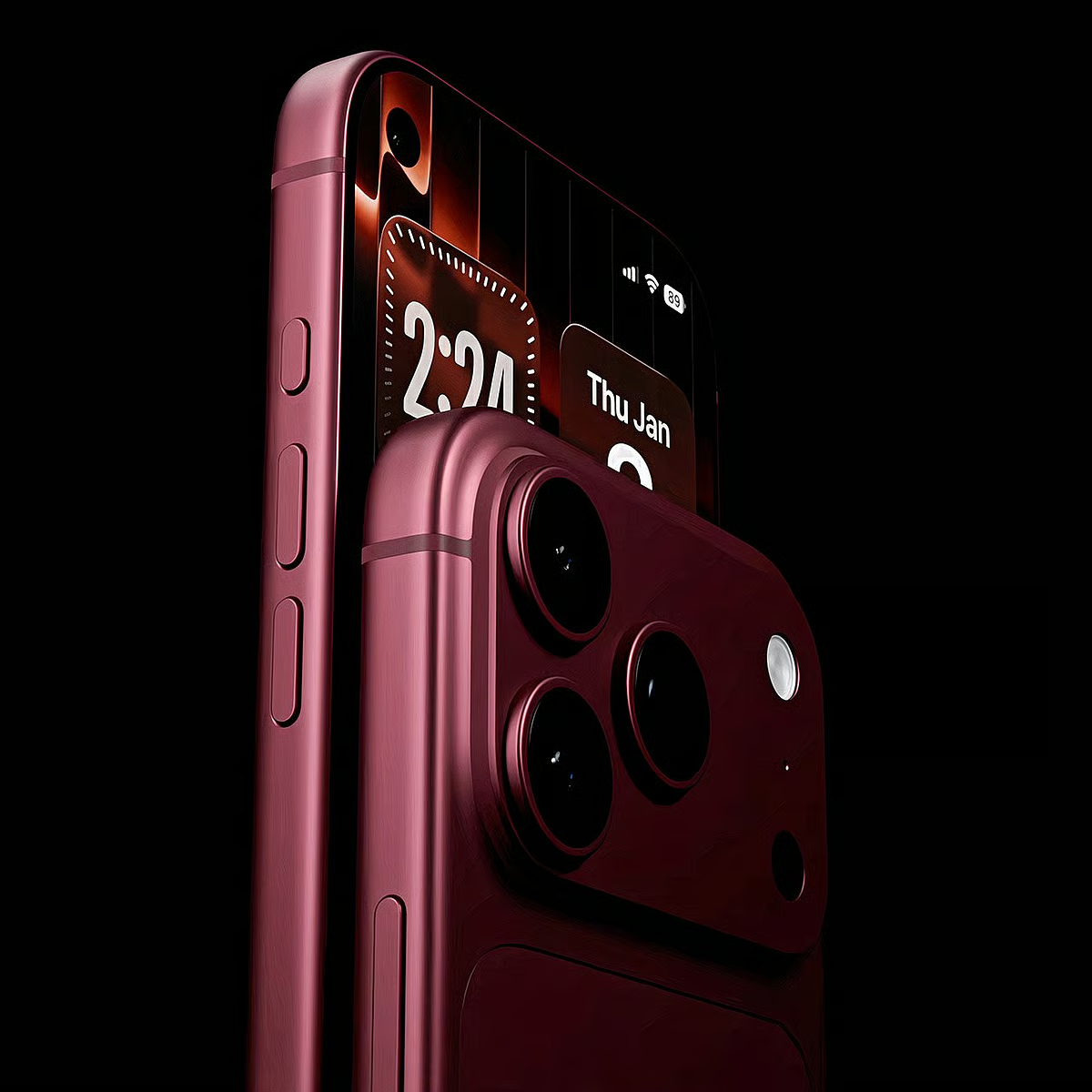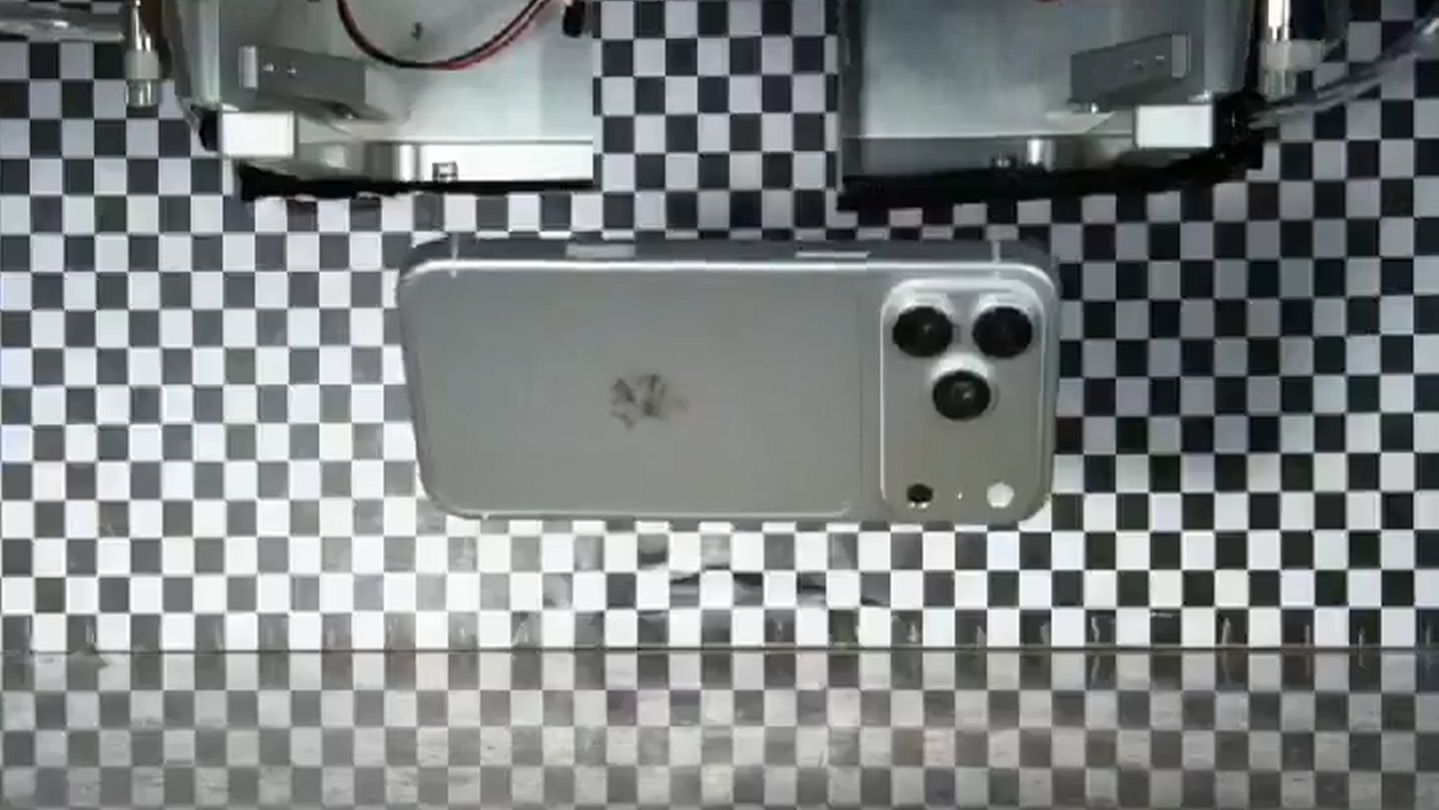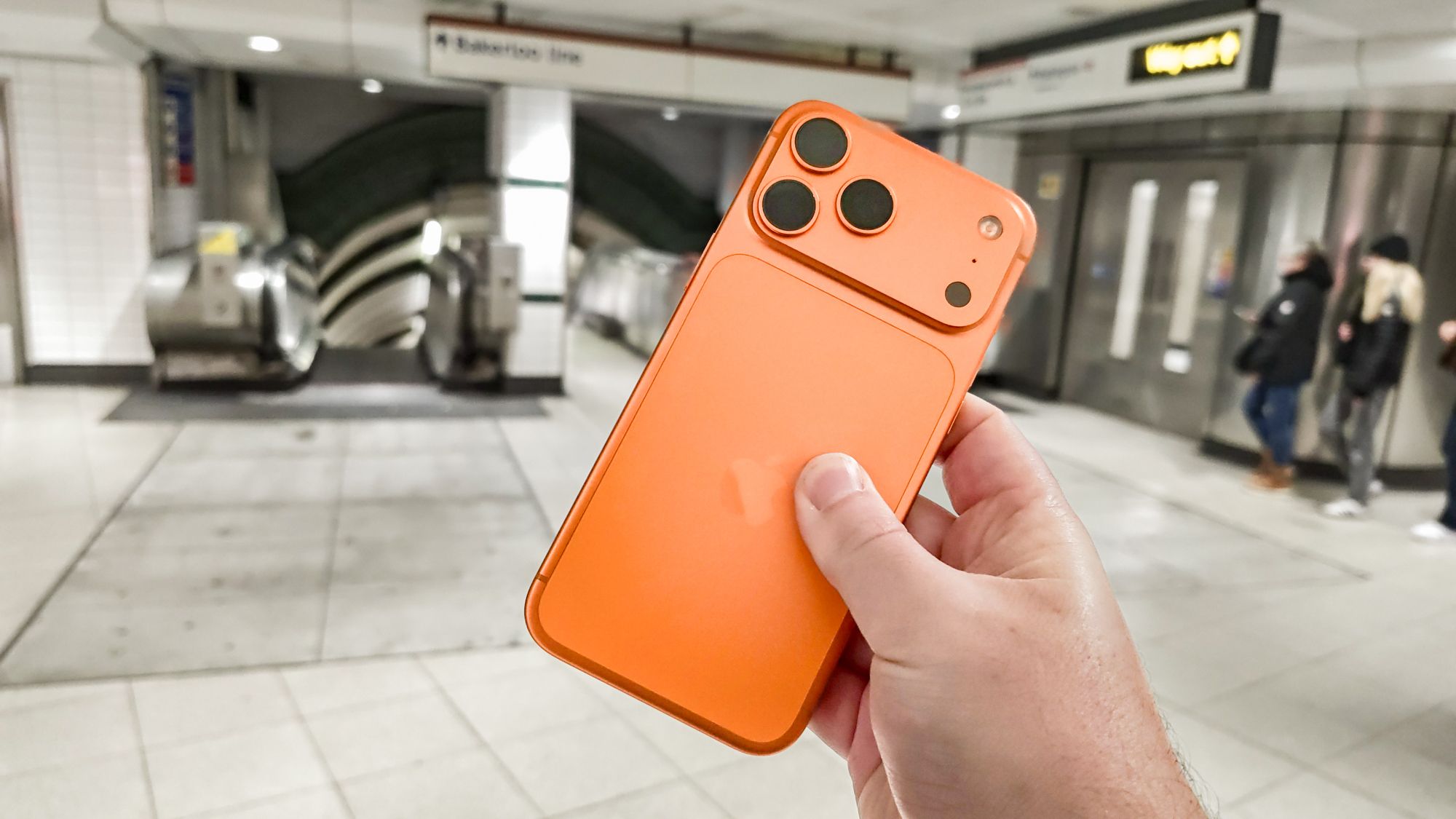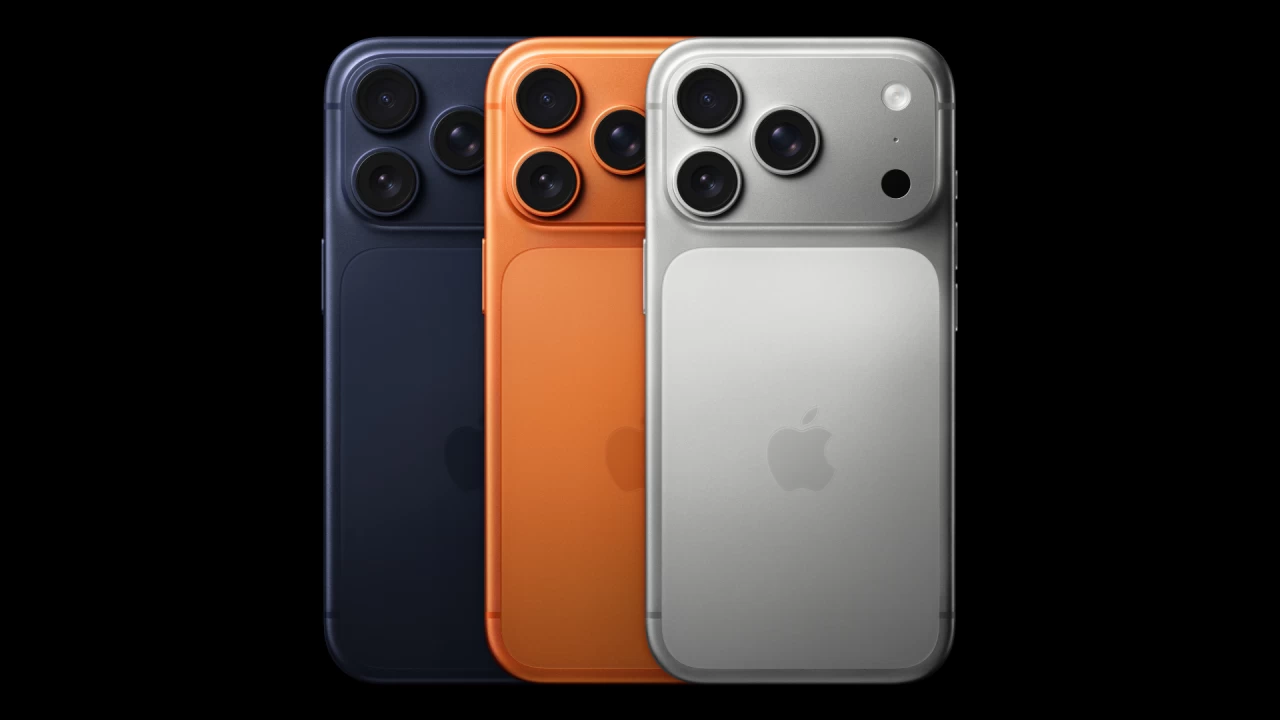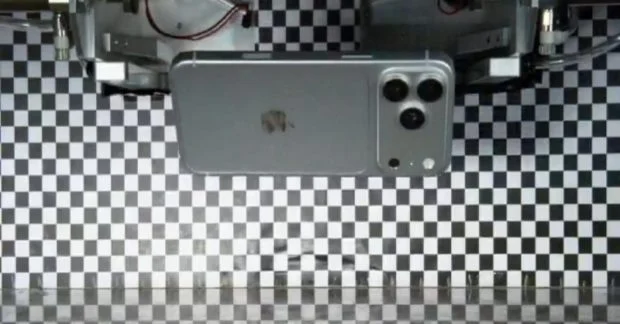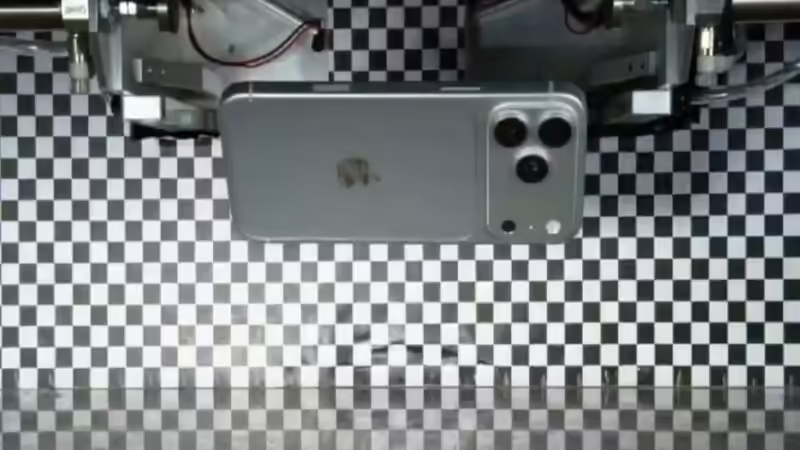
A newly surfaced leak allegedly showing an early drop test of the upcoming Apple iPhone 18 Pro has triggered widespread discussion across tech communities, suggesting the company is once again refining its durability strategy ahead of launch. The leak, first highlighted in a report by Android Authority and further amplified by well-known leaker Evan Blass on social media, appears to show controlled impact testing of prototype devices under lab conditions.Even though Apple hasnt officially confirmed that the footage is really authentic, the visuals seem to match the way the company has always leaned into boosting structural resilience across its premium iPhone lineup. This leak also sparked new questions, like how early-stage hardware testing is changing in those secrecy heavy situations where nobody says much at all. Some analysts think the whole thing could be tied to pre-production validation, maybe for new frame materials, or possibly a fresh approach to redesigned edge geometry. As the speculation keeps growing the leaked drop test has sort of become a key reference point, for trying to understand what Apple is aiming at for next generation durability.Key takeawaysAlleged drop test footage of the iPhone 18 Pro prototype has surfaced onlineLeak was amplified by tipster Evan Blass and reported by Android AuthorityTesting appears to show controlled durability assessments in lab conditionsApple has not confirmed the authenticity of the leaked materialDiscussion centers on improved structural durability and pre-launch validation methodsWhat the leak revealsSo, the leaked visuals reportedly show prototype units of the iPhone 18 Pro doing repeated controlled drop scenarios, probably from standardized heights used in those durability labs. Even if the footage doesn’t really spell out internal engineering data , it kind of implies Apple is actively looking at frame integrity and screen resistance when it gets hit hard. The testing setup looks pretty tightly managed , so this doesn’t feel like some random field failure thing, more like pre-release engineering validation.From what’s described in the images, the device seems to get hit from multiple angles too, maybe to mirror real-world moments like pocket drops or little edge strikes. That fits with Apple’s iterative design approach, where structural testing gets run across several prototype stages before anything hits mass production. The leak doesn’t explicitly confirm any material changes , but it does push speculation that Apple is refining its glass-to-frame bonding, plus edge durability systems. Overall, the footage points to incremental but deliberate improvements, not some totally radical redesign direction.pic.twitter.com/jtLh547sfU— EvLeaks (@evleaks) June 29, 2026 Why Apple conducts drop testsDrop testing is basically a core part of Apple’s hardware validation, meant to make sure devices can handle real-life accidents without turning catastrophic. For a premium phone like the iPhone 18 Pro, durability is not just “nice to have” but a major expectation in the market. Apple usually leans on a mix of robotic drop testers, calibrated surfaces, and multi-angle impact simulations to copy thousands of usage scenarios before launch.These tests help engineers spot weak points in the chassis, tune material thickness , and refine internal shock absorption layouts. They also let Apple compare performance versus earlier generations and competing flagship devices. Beyond the engineering side, drop tests matter for cutting warranty claims and boosting customer satisfaction. By simulating accidental drops early on, Apple can tweak things like corner reinforcement, display glass composition, and how internal components are mounted. This kind of front-loaded effort reduces failure rates before the devices reach global consumers.Leak context and credibility considerationsThis leak got a lot of attention after it was shared by well-known tipster Evan Blass, who’s had a track record for mobile industry leaks that’s often reliable, though not always perfectly accurate. The Android Authority report framed the footage as possibly tied to pre-release testing environments , not marketing content or a final product demo.Still , like most early leaks there’s uncertainty about both authenticity and how complete the story is. Apple run extremely tight supply chains and keep prototype testing under wraps. That’s why leaked material can sometimes come from partial datasets, third-party suppliers , or footage that gets interpreted in a misleading way. Here, the lack of official confirmation leaves room for skepticism. Even so, because the visuals match known Apple testing approaches, analysts are treating the leak as plausibly representative of internal durability validation.Implications for future iPhone durability designIf this leaked drop test really mirrors Apple’s internal work for the iPhone 18 Pro, then it suggests Apple is continuing to chase better structural resilience without necessarily adding much extra weight. Apple has often balanced durability with premium look-and-feel using things like reinforced glass, and aerospace-grade aluminum or titanium alloys.The presence of drop testing also suggests future versions could refine impact dispersion systems inside the device , which may improve how force is routed away from sensitive parts like the display and logic board. It may also hint at small design tweaks to edges and corners, since those are usually the most vulnerable spots in smartphone drops. For consumers, that could mean fewer screen replacements and better long-term reliability, even if the visible external design changes stay pretty minimal.FAQs1. Is the iPhone 18 Pro drop test leak confirmed by Apple or not? No, Apple hasnt officially confirmed that the leaked drop test footage is real, or at least not in any public way.2. Who was behind the leaked images and video, exactly? The leak got amplified by the well known tipster Evan Blass , and then it was picked up by Android Authority.3. So what does the drop test actually show in that leak? It looks like prototype iPhone 18 Pro units are getting put through a controlled impact test, sort of like in a lab setup, with proper conditions.4. Why does Apple even do drop testing in the first place? Apple does drop testing to check durability, strengthen the design, and lower the chance of annoying real world device failures.5. Does this leak really reveal final iPhone 18 Pro design changes? No confirmed changes can be seen. The footage mostly hints at internal durability work , not final product design tweaks.end of article
iPhone 18 Pro drop test leak sparks debate over durability strategy
Rumors are swirling around Apple's iPhone 18 Pro drop test as the tech giant aims for increased durability. Leaked footage reveals extensive lab trials of prototypes, confirming Apple's commitment to tackling rising cyber threats and AI-related vulnerabilities. In line with this initiative, iOS 26.5.2 has been rapidly released for iPhone 11 and newer models, highlighting the company's focus on swift security improvements.
1,006 words~5 min read