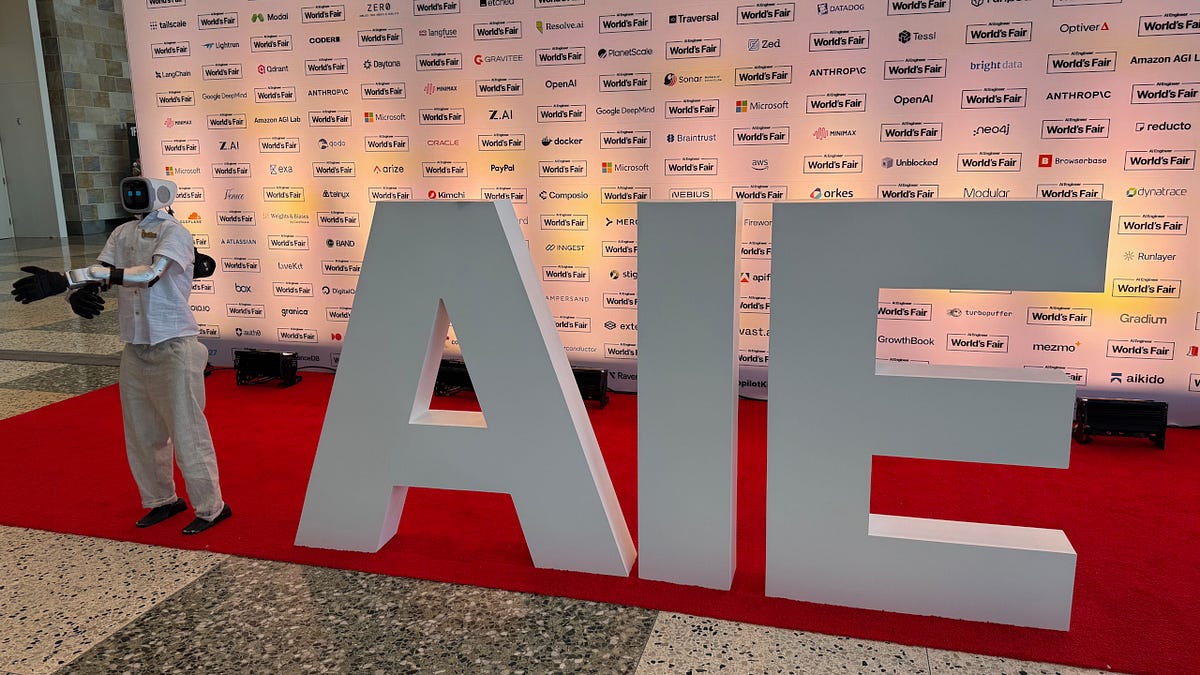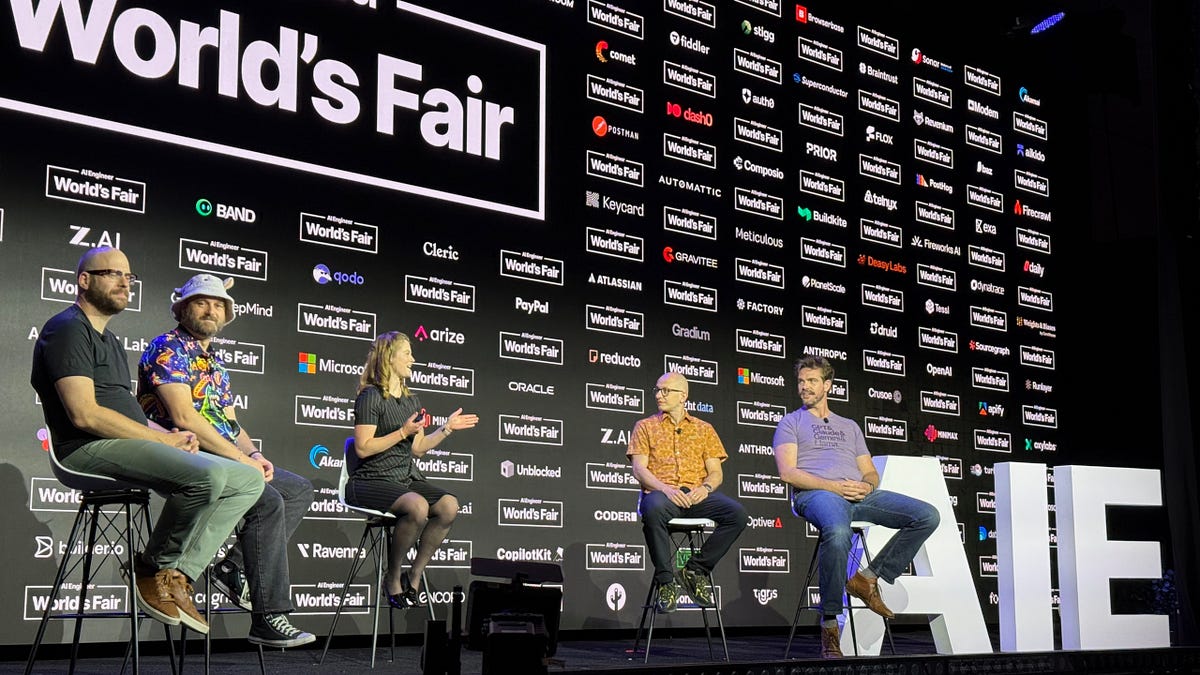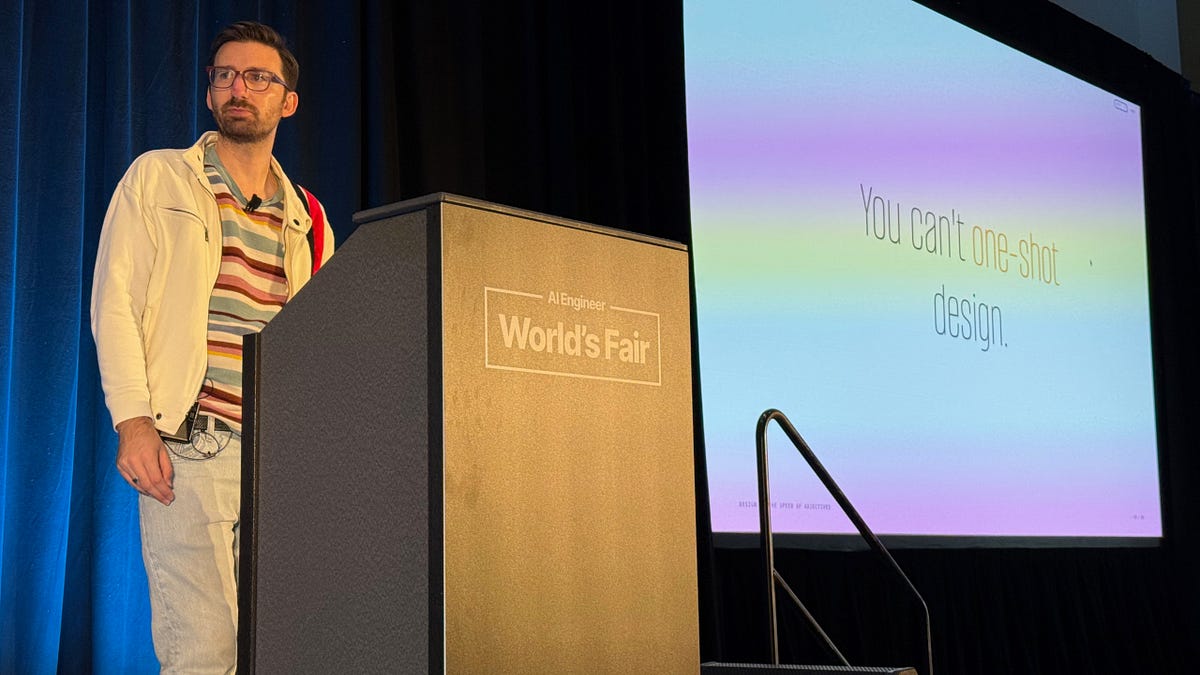
As you’d expect, the opening keynote of the AI Engineer World’s Fair was kicked off by one of its co-founders, @swyx (Shawn Wang), and he was in a poetic mood.
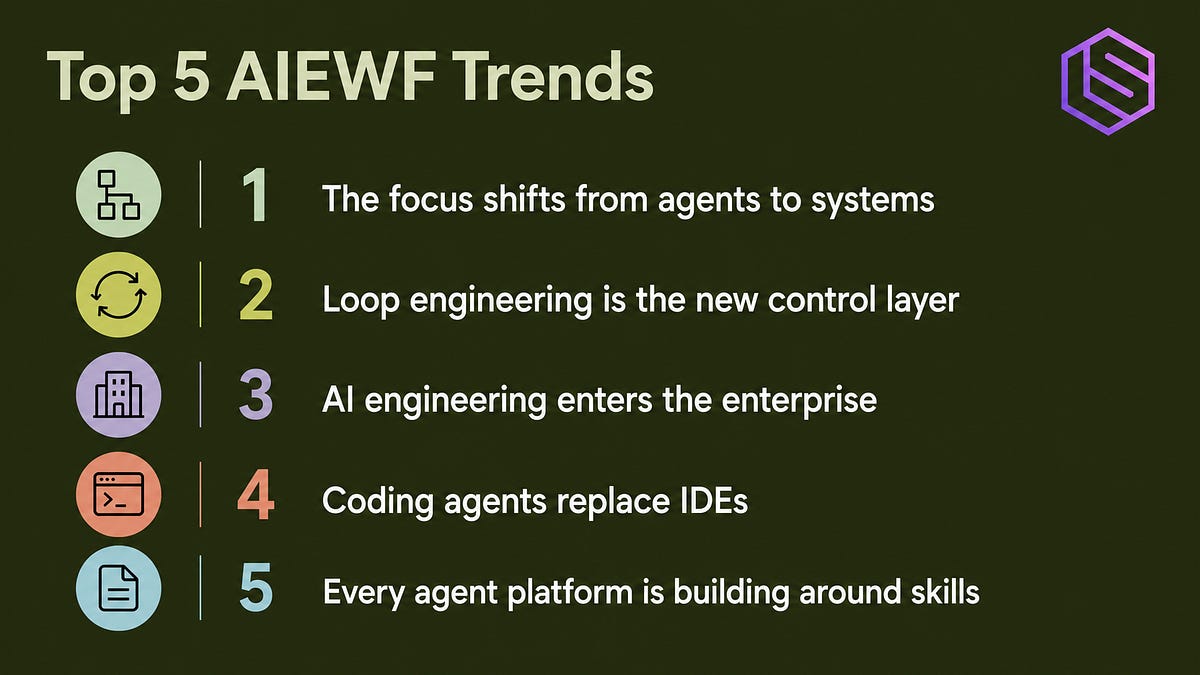
“In the beginning, there was the token, then there was the chat,” he said. “Then we're going to use tools, then we learn to set goals of skipping a few steps, and these days for all of the automations for all of the products. There's a lot of loops happening.”
At a basic level, AI agent loops work by having the system evaluate its own intermediate output — checking it against the task's success criteria or running it through an evaluator step — rather than simply returning the first response. If the evaluation indicates the task isn't complete, the system makes additional calls to the LLM, incorporating tool results or prior output, and repeats until the task is judged done, without needing a human to intervene at each step.
These loops can also compound over time: As employees correct and refine the system's outputs, those interactions can be captured to improve future performance — not just within a single task, but across the organization's use of the system.
Microsoft CEO Satya Nadella made this case in a LinkedIn post two weeks ago, framing it as something companies should own rather than cede to AI vendors: "This loop becomes the new IP of the firm. I think of it as a hill climbing machine. And unlike most assets, it compounds."