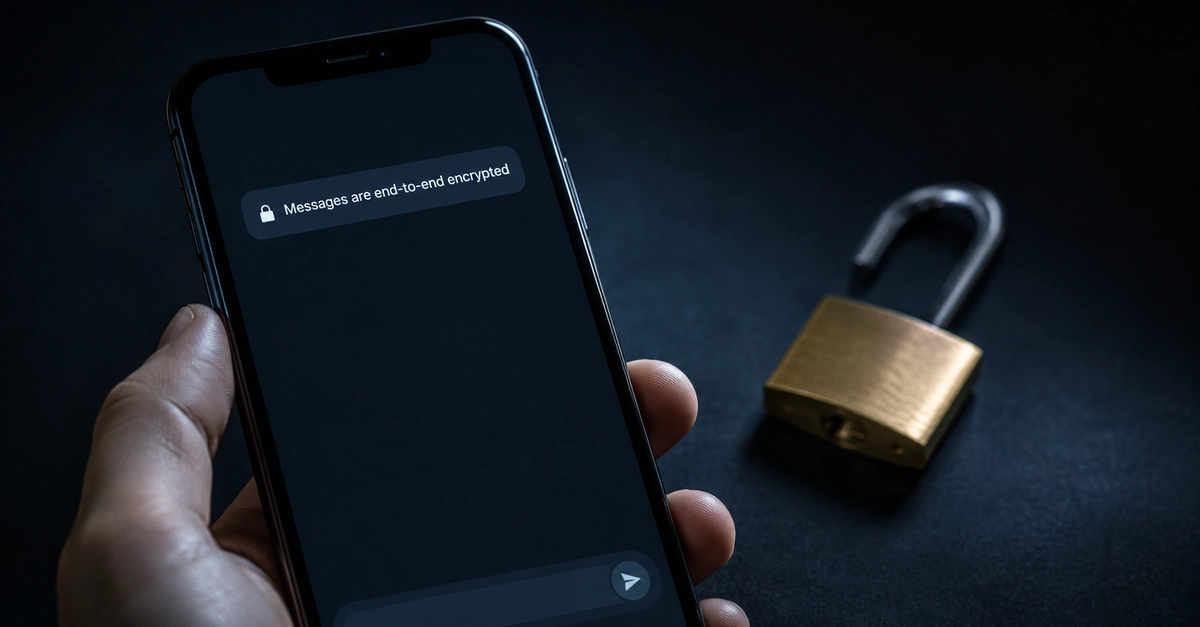
Last week, while conducting a security audit for one of my side products, I felt the need to review our users' communication preferences. Instant messaging apps, which have become indispensable in our daily lives, carry much more than just content, making the question "Which one is truly secure?" more critical than ever. The metadata difference, in particular, requires a much deeper analysis than end-to-end encryption (E2EE) when evaluating an app's security.
The security of a messaging app is not just about whether your messages can be read; it's also closely related to how information about who you communicate with, when, where, and how often is processed. In this post, I will examine WhatsApp, Signal, and Telegram, particularly in terms of their metadata collection policies and general security approaches, explaining the differences between them and what these differences mean for you. My goal is to provide you with the necessary information to make an informed decision when choosing which app best suits your privacy needs.
Why Is Instant Messaging App Security So Important?
Today, a large portion of personal and corporate communication takes place via instant messaging apps. Many tasks that we used to handle with email or phone calls have now moved to these platforms. This leads to sensitive data, business secrets, and personal privacy flowing through the infrastructure of these applications.