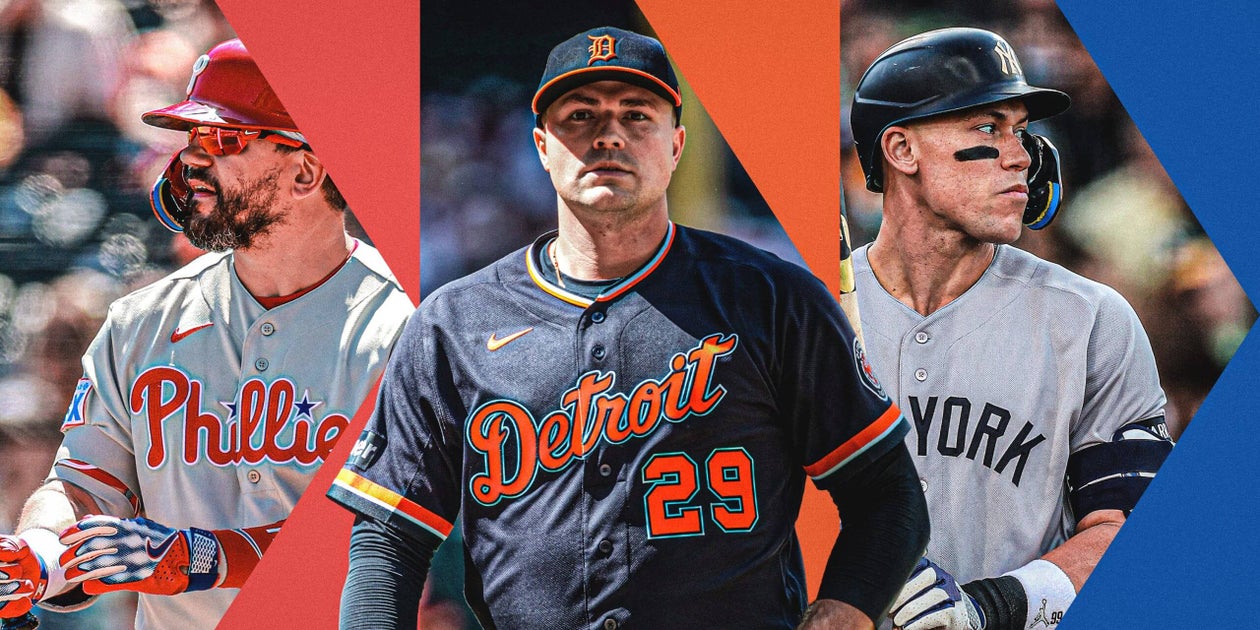
The trade deadline is basically a month away, and a month is a lot of time in a normal year. But it could be an eternity in a season as topsy-turvy as this one.The Philadelphia Phillies were so bad a month into this season that they fired their manager. Now, they’re right back in the thick of things, looking like legitimate contenders. The Chicago White Sox were a last-place team in late April. Now they’re, somehow, making a run at a division title heading into July.Most of the American League is a mess, and the National League’s murky middle is massive, but teams are undoubtedly talking trades behind the scenes, so it’s time to take stock of where things stand.This is our first of two Trade Deadline Tiers. The goal is not necessarily to rank all 30 teams, but to group them into buyers, sellers and everyone stuck in between. We usually label a few teams as “tailors” — teams that could thread the needle between buying and selling — but there’s enough uncertainty at this point that Trade Tiers 1.0 is instead assigning a group of “hinge” teams that could go either way and potentially tip the scales of supply and demand.We’ll update as the trade deadline gets closer, but for now, these are the MLB trade tiers.Tier 1: Could be (should be) aggressive buyersTeamNeedsNew York YankeesRP, 3B, CPhiladelphia PhilliesRF, SPChicago CubsSP, RPAtlanta BravesSPNot necessarily the top four teams in baseball, but four well positioned to make an aggressive push at the deadline. The Yankees are the only American League team in this tier, mostly because they’re heavy favorites to win the pennant — second-highest World Series odds in baseball, according to FanGraphs — but also because they have the financial resources to make a splash and take on a contract.As for the three NL teams, the Phillies might be the team most firmly in this category. Their core is aging, their window is surely closing, and president of baseball operations Dave Dombrowski never needs an excuse to be aggressive. The Cubs have a clear need for pitching, and although their farm system is weak, it’s also hitter heavy, meaning they could afford to make some sacrifices. The Braves are finally good again after a series of disappointments. No reason to let that go to waste.Tier 2: Typical buyersTeamNeedsLos Angeles DodgersSP, RPSeattle MarinersRHBCleveland GuardiansRHBMilwaukee BrewersRPTampa Bay RaysSPWhat does it mean for the Dodgers to be “typical buyers?” What’s typical in L.A. might be the most aggressive move imaginable in Cleveland or Tampa Bay. Basically, it’s business as usual for the two-time champions (which means, maybe they’ll get Tarik Skubal). The Mariners have not been nearly as good as the Dodgers, but after coming within two runs of the AL pennant last season, they’re surely motivated to stay on the buy side of the ledger (even if there’s some tailor potential with their rotation).The rest of this tier is made of three fairly small-market teams that have consistently won beyond their modest payrolls. There’s a good amount of prospect capital in each of those farm systems, too, leaving some opportunity for the Guardians, Brewers and Rays to make at least a modest splash at the deadline. Cleveland is probably most at risk of slipping toward the sell side, but the Guardians have made the playoffs two years in a row and have stayed in playoff contention these past three months.Tier 3: Trending to the buy sideTeamNeedsChicago White SoxSP, RPTexas RangersRPHouston AstrosOF, SPSt. Louis CardinalsSPAthleticsSPMiami MarlinsOF, CIFPittsburgh PiratesOF, RPImagine it’s Opening Day and you’ve been told that these seven teams will be grouped together at the end of June. What sort of list would you imagine it to be? Even if you knew it was a trade deadline list, wouldn’t you just assume the Rangers radically underperformed and this was a list of trade deadline sellers?
MLB trade deadline tiers 1.0: From buyers to sellers to the teams on the ‘hinge’
Ahead of this year's Aug. 3 deadline, The Athletic's Deadline Tiers looks at the clubs that could define the trade deadline on both sides.
1,347 words~6 min read