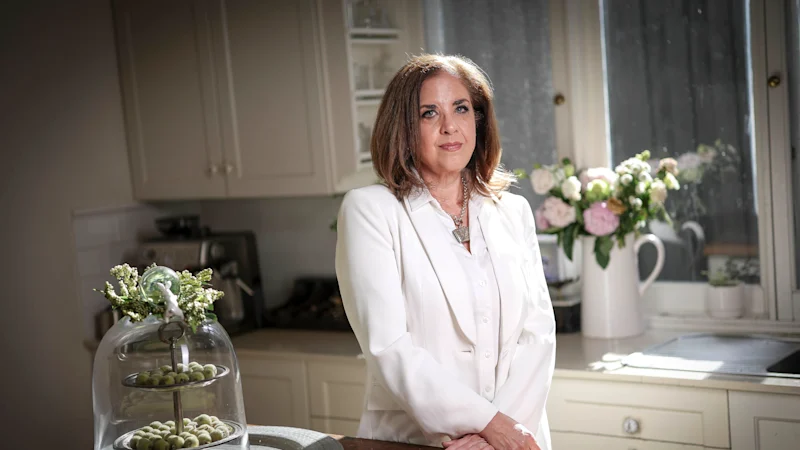
It was when sifting through my energy bills in the winter of 2025 that I realised just how much cancer was costing me. The chemotherapy drugs I was taking at the time to fight off breast cancer were making me feel far colder than usual so I had cranked up the heating.But my attempts to keep warm enough to function meant our bills were soaring at the most expensive time of the year, and the cost to heat our home was 30 per cent higher than it had been the winter before. And because I wasn’t well enough to work while fighting off the cancer, I had no money coming in.We talk endlessly about the emotional effects of cancer but almost never the financial ones. The truth is that it can have a devastating impact on family finances. Cancer ordeal: Gina Miller was diagnosed with breast cancer in September 2024, at the age of 58, when she discovered she had a highly aggressive form linked to a gene mutationI’ve counted up the cost of my cancer diagnosis and estimated that it comes to about £50,000 for lost earnings and extra work costs, and £20,000 for increased household bills. That’s even though my initial treatment was free on the NHS.I’m in the fortunate position that I had savings tucked away for emergencies, but it was still a shock. The £70,000 total includes loss of earnings, the cost of additional private scans, heating bills and family takeouts ordered when I couldn’t cook.A cancer diagnosis triggers a tsunami of financial pressures at a time when we are at our lowest.I was diagnosed with breast cancer in September 2024, at the age of 58, when I discovered I had a highly aggressive form linked to a gene mutation. This meant I had to have extra surgery.I had chemo, radiotherapy, a double mastectomy and surgery to remove my ovaries. My body was completely gutted over the period of 18 months to stop the cancer from coming back.From the day of my diagnosis, the costs started to rack up almost immediately and they just kept coming. There are so many expenses that I had never realised would come with having cancer.The first thing people don’t realise is just how long it will be before you are back at work, doing your day-to-day job as usual.It is not uncommon to go through treatment for between 20 months and two years. During that time, your financial resilience will be tested to the max.When the doctor broke the news, I knew I would be out of work for a few months, but I definitely underestimated just how long it would be. In my case, it took 18 months before I was able to do a full day’s work.And even now, two years down the line, it is a struggle and I’m only really working four days a week. Because I’m self-employed, I had to employ others to replace me when I really couldn’t function, at a cost of around £50,000.Those I’ve met battling cancer have all seen their earnings take a huge hit, too. Many found themselves moved onto statutory sick pay when they could no longer work. This is paid at £123.25 a week or 80 per cent of average weekly earnings, whichever is lower.After 28 weeks, when cancer treatment is still ongoing, even that sick pay stops and sufferers are reliant on benefits.Then, there are so many extra costs that occur because of your treatment. There are lots of special items you have to buy because you can’t use any chemicals on your skin, and the alternatives are really expensive. For example, a bottle of body cream can cost £40 – more than eight times the price of a standard bottle.Doctors also advise eating well, which can be expensive. Switching to organic fruit options, for example, can cost two or three times as a much.All my fingernails and toenails fell out, which meant I had to buy specialist products – and the cost was hundreds of pounds. There was also dental treatment needed due to the cancer, which wasn’t covered on the NHS, adding several thousand to my bills.I was really shocked by how the costs just kept spiralling. In my opinion, it’s far worse when a woman gets breast cancer than when a man gets prostate cancer because women are so much more often at the heart of family life.The whole family dynamic falls apart and it takes a lot of money to keep everything running as smoothly as possible.My husband of 20 years picked up as much of the slack as he could, looking after our children and the household.At my worst, I was just lying in a darkened room for days. I couldn’t do anything. I would spend two days after chemo on the floor by the toilet, throwing up.When I couldn’t cook or go to the supermarket, we were ordering more takeaways and Ocado deliveries to ensure everyone ate as well as possible. At the worst point, we were spending up to twice as much as normal on these.There were so many costs involved with keeping a household running while I couldn’t do it.Cancer treatment has a huge impact on family life. At some points, I couldn’t see my older children, who were at university, because of the hit to my immune system and the fact they were mixing with so many people. Financial pain: A cancer diagnosis costs £570 a month on average, according to Macmillan Cancer SupportAnd where I really noticed the bills going up was the cost of care and counselling. My older daughter Lucy-Ann, who is 38, has learning difficulties and needs carers at home.When I couldn’t see or help her, she needed therapy to deal with her fears – she thought mummy was going to die.During my treatment, I spoke to so many women for whom finance, not health, had become the main concern. At The Rose Centre, a specialist breast cancer centre at St George’s Hospital in Tooting, south London, I’d sit for hours with other women having different ‘cocktails’ of chemo. When we talked, financial pressure was the main topic of conversation.A cancer diagnosis costs £570 a month on average, according to Macmillan Cancer Support.Because the disease is being diagnosed earlier in life, many of the women I met were ‘sandwich’ carers, looking after their children and ageing parents at the same time. It was one of the most expensive periods of their lives.They were having to put older family members into a home and pay for extra care for their children. Some came close to losing their homes due to the costs – and one woman had to remortgage her home to deal with spiralling demands on her finances.For women, the costs of cancer add to an existing financial gap. They earn less than men, have less in pensions and have often taken time out to have children. They are less likely to invest money and see the associated growth. Then they are hit by this and, financially, they might never recover.It doesn’t have to be like this if we help people to prepare financially for something that, statistically, is likely to happen to many of us. This is a blind spot but it’s something we should all be ready for. That means saving what you can, having a good emergency fund and putting our financial resilience first.And insurance is key. We insure ourselves for holidays but we don’t tend to insure for emergencies like this. Insurance can help hugely – but even if you have it, it doesn’t cover all of these costs, so you need to have your finances in good shape in other ways as well.Sitting with other women going through similar treatment to me has made me even more aware of the importance of planning. I was so determined to do something that I relaunched my investment platform for women, MoneyShe, while I was being treated. This will help women to take control of their finances through tailored investment and pension help.Illness doesn’t just affect your body – and I want everyone to think about how they would cope financially if cancer happened to them, before it’s too late.As told to Rosie Murray-West
Cancer cost me £70K even though I got free NHS treatment: GINA MILLER
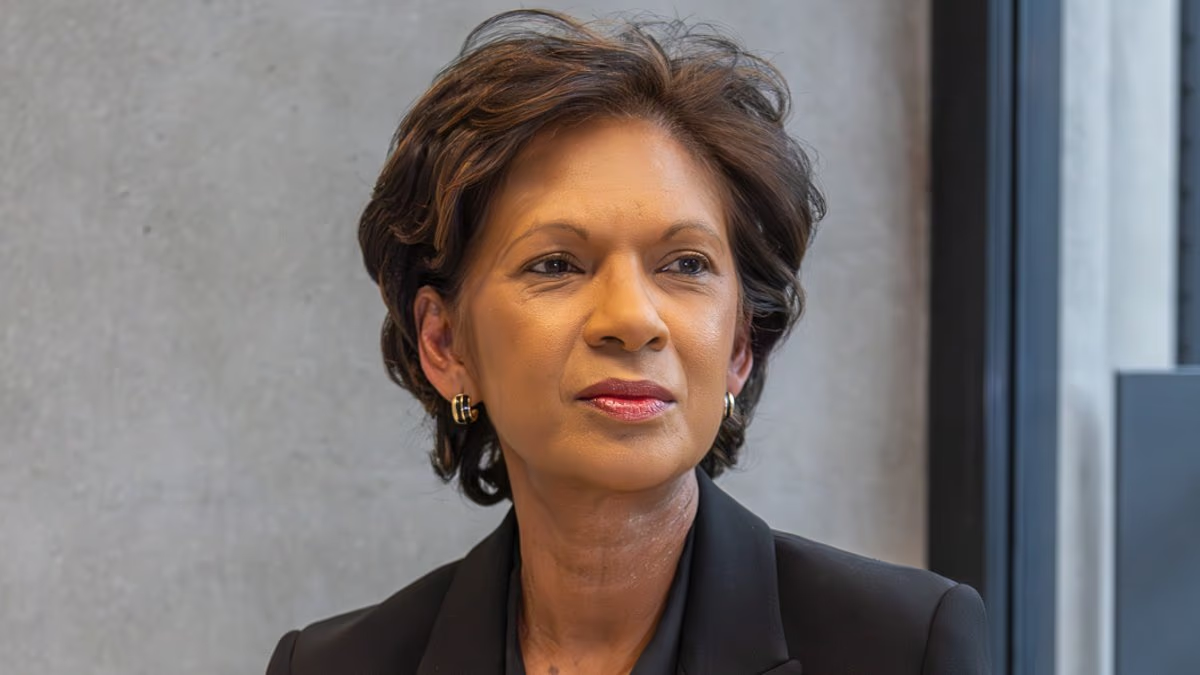
Gina Miller was diagnosed with breast cancer in September 2024, at the age of 58, when she discovered I had a highly aggressive form linked to a gene mutation.
1,376 words~6 min read