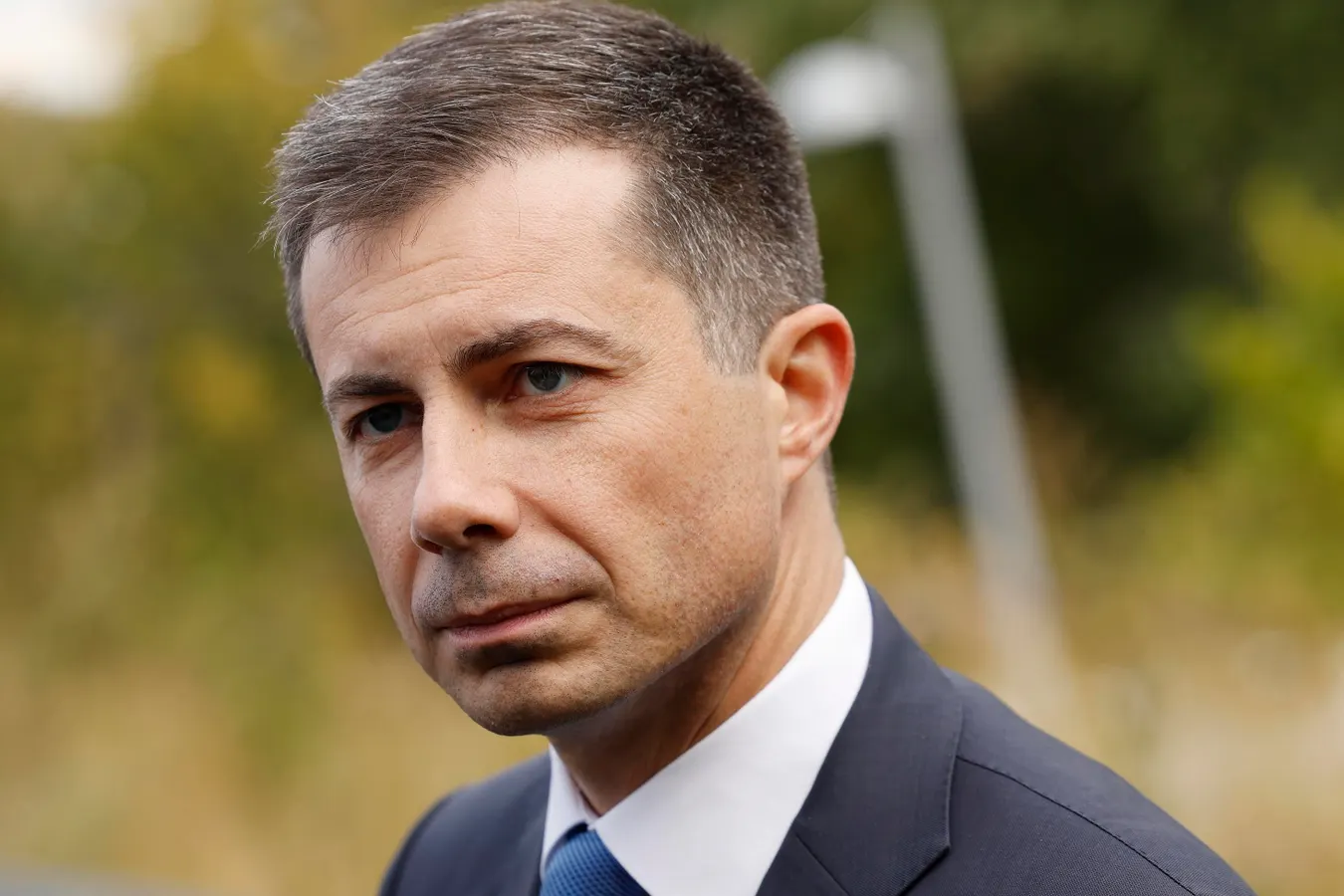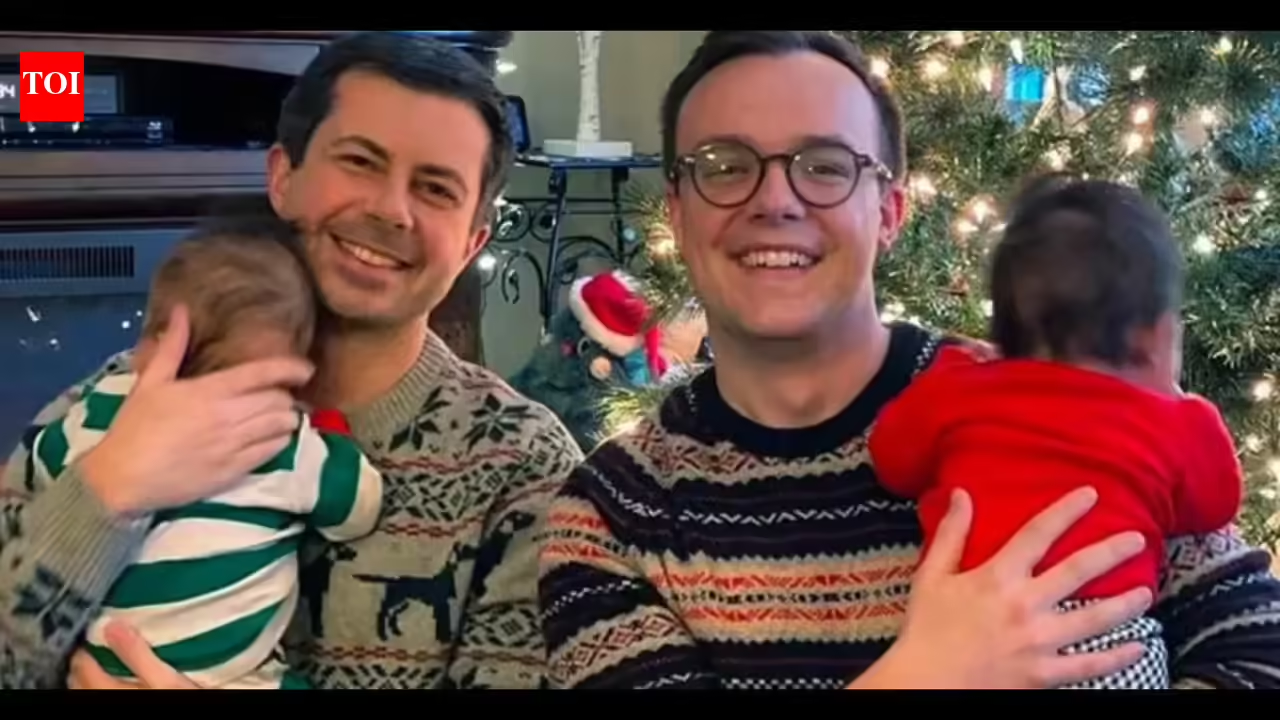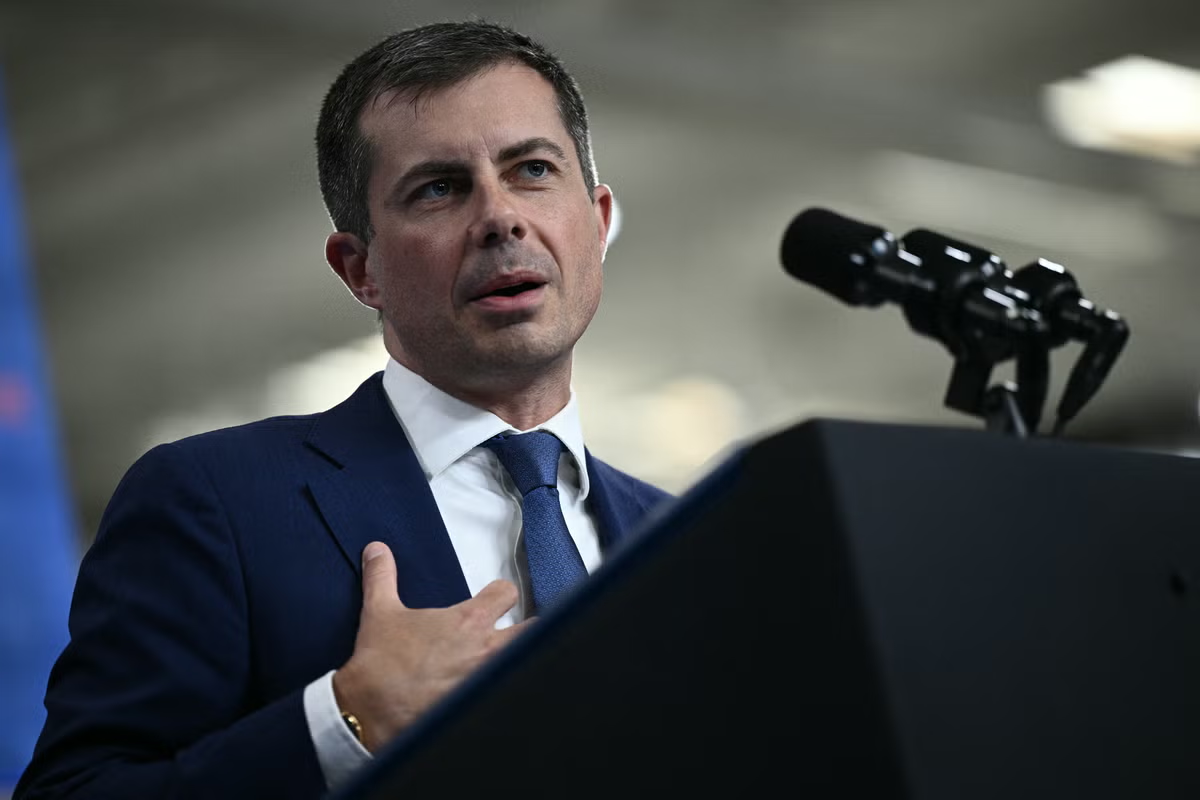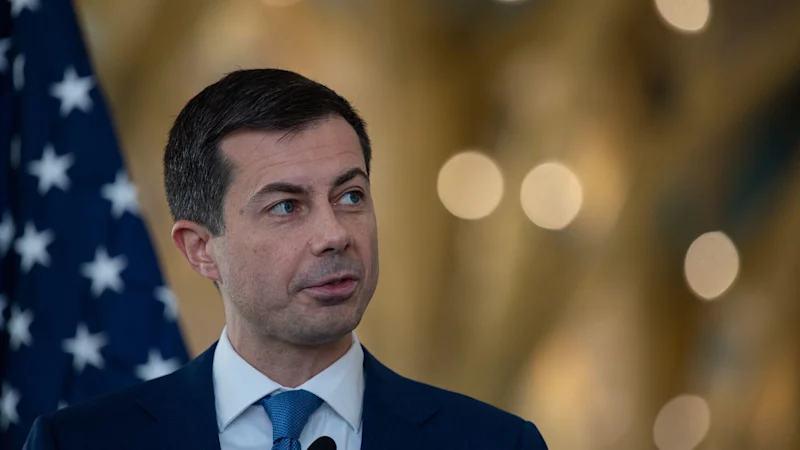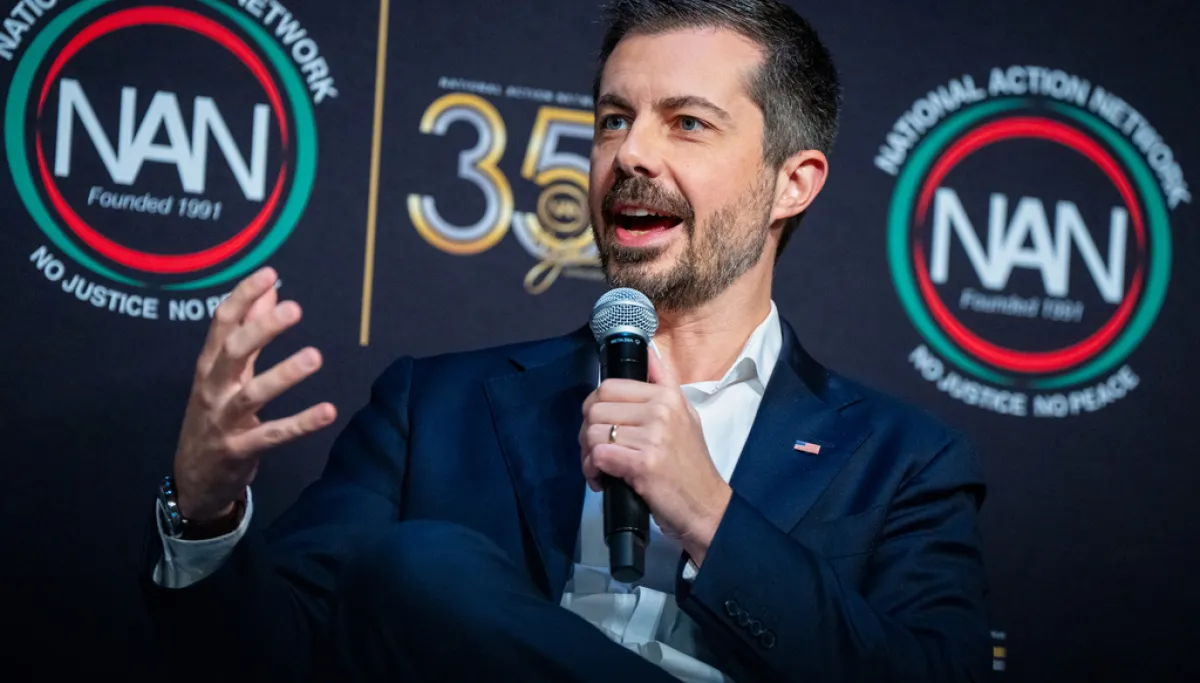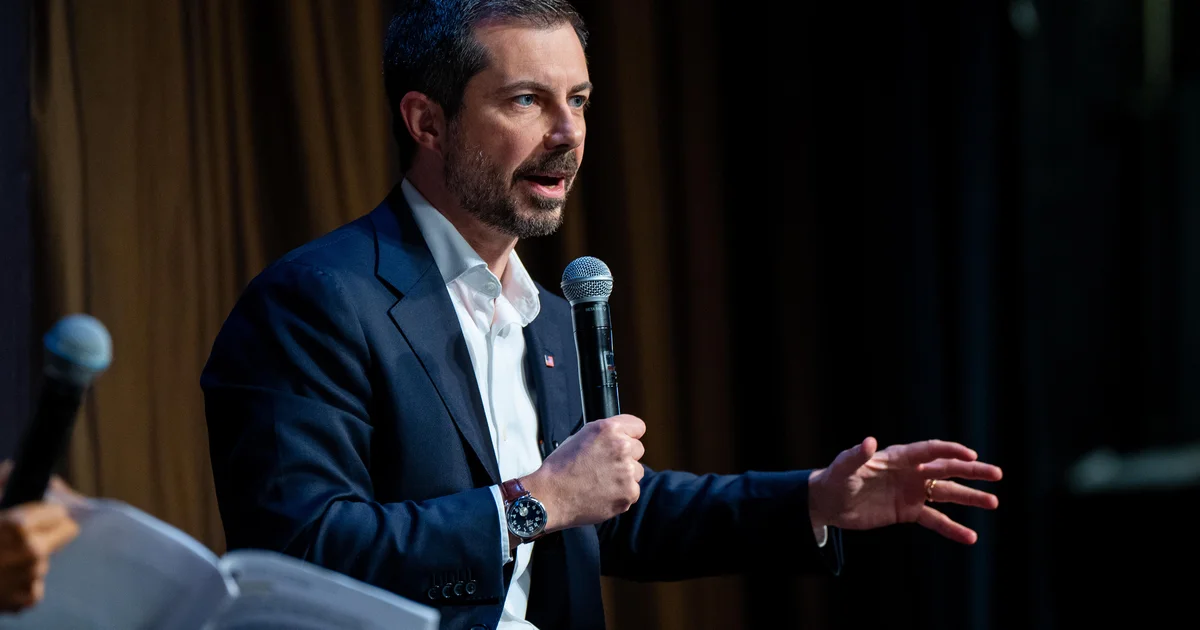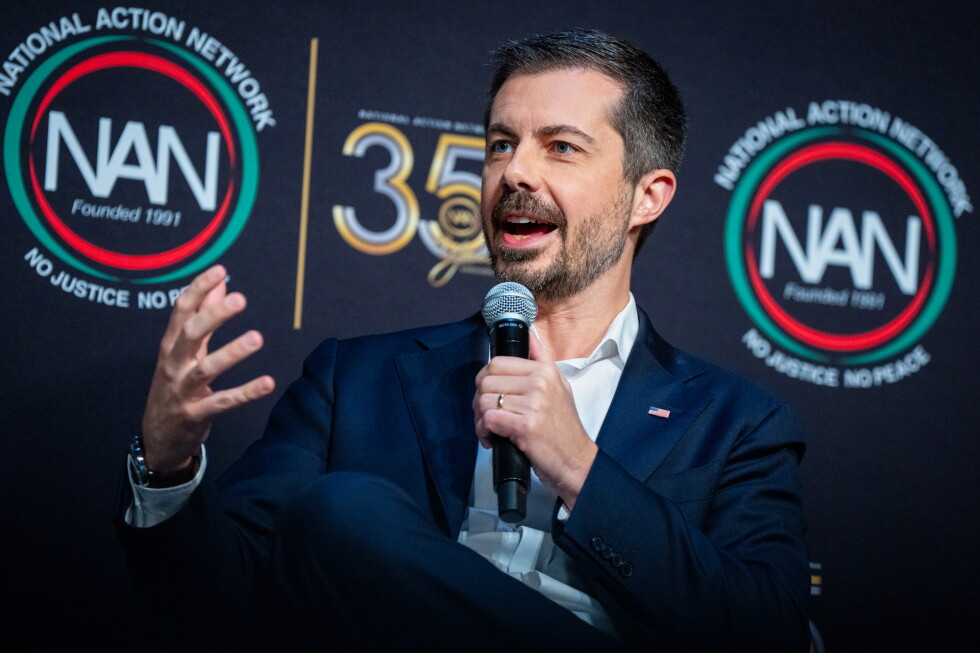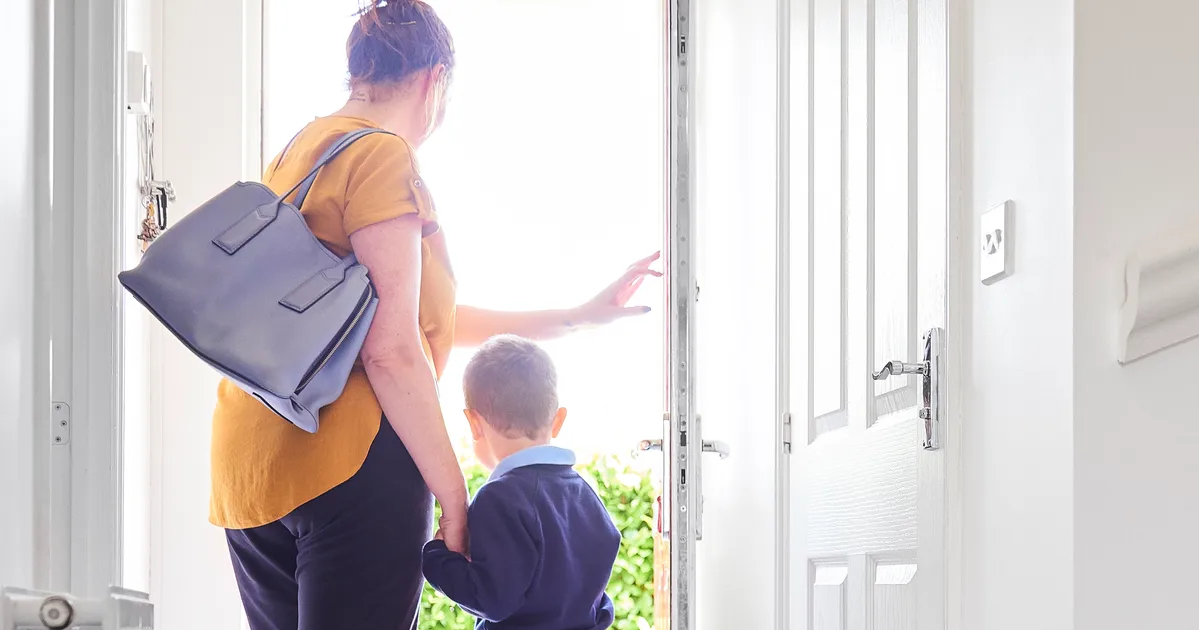
Last Friday, former Transportation Secretary Pete Buttigieg was anonymously reported to Child Protective Services, which resulted in a 24-hour separation from his kids. While CPS and the Michigan Police quickly determined that the report was unsubstantiated, Buttigieg shared how psychologically damaging the experience was. Several years ago, I was also a victim of anonymous reporting. In June 2020, a woman from Children’s Protective Services knocked on our door and informed us that we had been reported to CPS for child abuse. At first, I couldn’t even take in what she was saying. It felt like I was dropped into the middle of a bad movie.The allegation claimed that in January we had been informed our son had an irregular heartbeat, and that we had refused to get him necessary treatment by following up with a cardiologist. Desperate, I pulled up his medical reports, both from his primary physician and his neurologist, that clearly indicated there was no issue. “Look,” I said, trying to get the woman at my door to look at my phone. “He has no heart problem. We take him to the doctor all the time.” The CPS case manager explained to me that it didn’t matter — a complaint was a complaint, and they had to follow the investigation through to the end. She then proceeded to inspect our home, and interviewed both our 8-year-old and 6-year-old children. I asked her who had reported us and was told that it had been an anonymous report.Anonymous reporting allows for individuals who aren’t mandated reporters to report suspected abuse without leaving any identifying information. Anonymous calls, like all other CPS calls, are “screened in” as warranting more investigating, or “screened out,” meaning the claim is dismissed. but the only criteria to be “screened in” is that if the allegations were true, they would meet the legal definition of abuse or neglect according to state law. The intention behind anonymous reporting was to protect children, yet there’s significant evidence that it doesn’t actually do that. National statistics suggest that 96% of anonymous calls end up unsubstantiated, meaning there is not enough evidence to support the case, while another study found that only 1.5% of all CPS reports are both anonymous and substantiated. In New York City, where I live, only 6.7% of cases based on anonymous calls were substantiated in 2023, compared to 22.5% of all cases. In one New Jersey study, numbers are even more striking, claiming only 0.8% of anonymous reports were substantiated.In addition to its lack of effectiveness, anonymous reporting is also often weaponized. One mother in Brooklyn has been anonymously reported so many times, she sued CPS to stop. Several years before Buttigieg, activist Shaun King was also targeted by an anonymous reporter.At the time of our report, anonymous reporting was still legal in all 50 states, though it has since been banned in three states. Texas and California were the first to pass such bills in 2023 while New York’s bill went into effect just weeks ago. In those states, confidential reporting is still in place, which means that while callers need to provide their name and contact information, those will never be passed on to the accused, thus maintaining the safeguard of anonymity that anonymous reporting originally intended. However, the New York bill was several years too late for us.After the CPS worker left our house, our minds started to race as to who could have possibly reported us. Was it a form of retaliation from an irate neighbor? Or was it based in homophobia or transphobia? As a writer, I’d often shared pieces about our nontraditional family and more than once someone had commented that our children should be taken away from us. Buttigieg expressed a similar sentiment in his Substack, writing, “It’s not lost on me that this happened soon after we shared photos of our family on social media for Father’s Day. Or that this occurred during a month meant to make families like ours feel welcome and safe.”In our case, though, it turned out to be something else entirely. When I shared what had happened with my child’s teacher, they told me there was a rumor that several other families from my children’s elementary school had also recently been reported to CPS. When we reached out to the school, we were informed there was an investigation, but due to very strict rules and procedures, they were unable to confirm anything or connect us to anyone else who had potentially been impacted. However, through a grapevine of emails and word of mouth, within a few weeks we identified upwards of 11 other families who had been reported to CPS. These charges ranged from medical neglect like ours, to alleged drug use, murder and even cannibalism.Sadly, experiences like this are shockingly common. In the United States, more than 4.7 million households received unannounced visits from CPS in 2024. The only thing that made our experience marginally unique is that we all lived in an affluent neighborhood, and the majority of us were white, a demographic where our unearned privilege often protects people like us from CPS. It’s expected that over 50% of Black children will receive a visit from Child Protective Services during their lifetime, and many of them will be taken from their families without an approval from a judge. Nearly 10% of Black children will be removed from their families and placed into foster care, which is nearly double the rate of white children. This data barely begins to scratch the systemic racism in the CPS system. During the course of our cases, we learned there was some suspicion that the anonymous reporter was a disgruntled temporary employee that had been let go from the school, and the calls were ostensibly some form of retaliation, which is illegal. According to Section 240.50 of the New York State Penal Law, falsely reporting an incident to the State Central Register is a Class A misdemeanor. For legal reasons, the school was not able to confirm this, but they repeatedly assured us they were actively fighting it up the chain in the Department of Education. And still, none of this was enough to summarily dismiss our cases. In July 2020, many of us individually filed complaints with the district attorney’s office, and we were assured they were looking into it. Understandably, due to COVID, they were backlogged and dealing with cases that had been delayed and were far more urgent than ours. Despite following up for months and being assured the investigation was ongoing, as far as I know, nothing ever came of it. We spent a total of two months being investigated by CPS before our case was deemed “unfounded” and closed, which means our record will remain sealed for 10 years. Afterwards, assuming there have been no new investigations, the case will be erased. Within the scheme of things, we escaped relatively unscathed, likely due to a combination of privilege, utter lack of evidence and the luck of the draw of receiving a particularly sympathetic case worker. However, even with all of that, the psychological impact was intense. Once, while we were still under investigation, my youngest daughter fell down a flight of stairs. I cradled her in my arms, watching the bruises well up across her face, including a black eye that looked like someone had punched her. After assessing that nothing was broken and performing every test to check for concussion that I knew of, I panicked. If I took her to the emergency room, would they call CPS? If I didn’t, would it be proof of medical neglect? It felt like either action could hurt our case and turn nothing into something. For years afterward, I’d have similar pangs of anxiety whenever something happened. The truth is, we never should have been put through the ringer like that and neither should the vast numbers of other families that are subjugated to this. I certainly understand there has to be a procedure in place to protect children and nothing about who I am should protect me from a legitimate investigation, but anonymous reporting should not be part of that process. While banning anonymous reporting is only a drop in the bucket of the reform needed throughout the CPS system, it is a critical first step that I hope other states follow.Heather Osterman-Davis is an unapologetic genre jumper, whose work can be found in The New York Times, Slate, The Washington Post, Al-Jazeera, Time, Parents, Tin House, and McSweeney’s, among others. She’s also co-written the award winning short film “Tell-By-Date” and a script, “Florence Unfiltered,” which won best comedy teleplay at Austin Film Festival in 2024.Do you have a compelling personal story you’d like to see published on HuffPost? Find out what we’re looking for here and send us a pitch at pitch@huffpost.com.
Someone Reported Me To Child Protective Services. I Was Dumbfounded When I Found Out Why.
"At first, I couldn’t even take in what she was saying. It felt like I was dropped into the middle of a bad movie."
1,473 words~7 min read