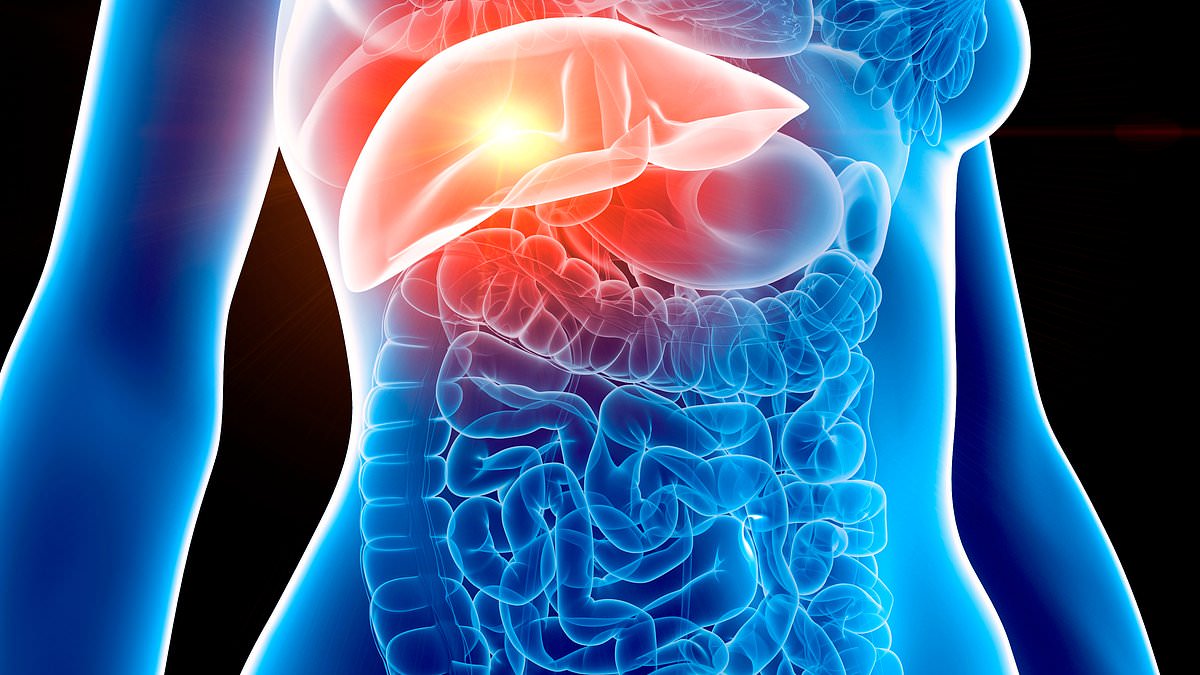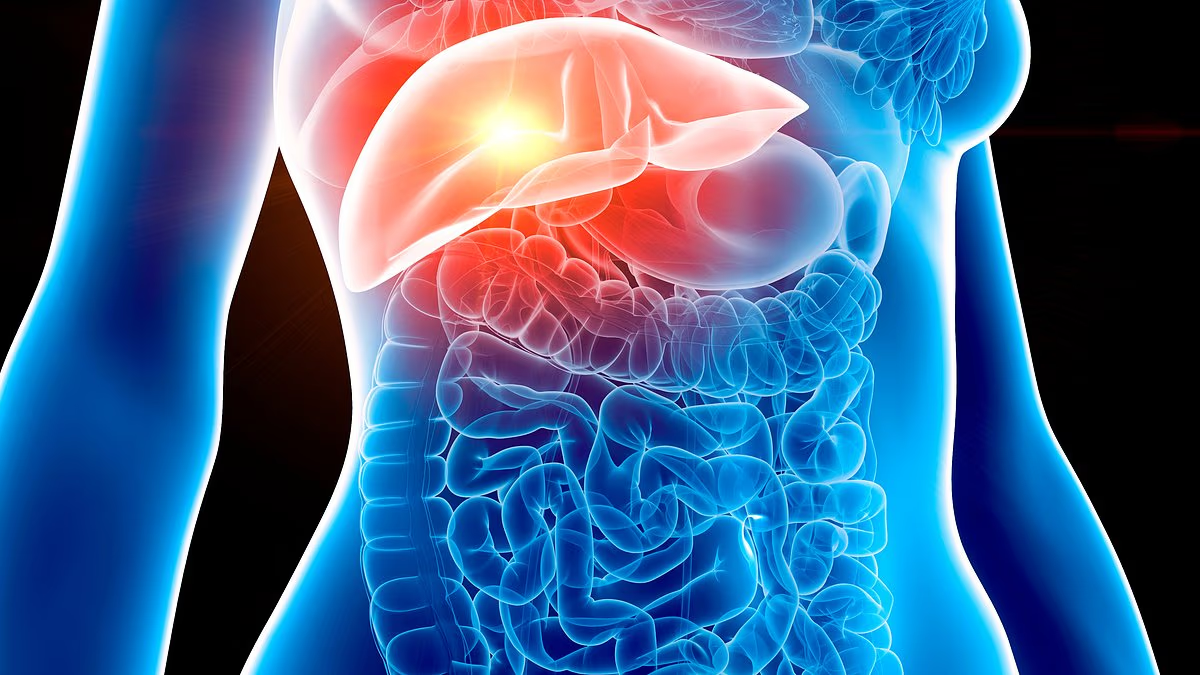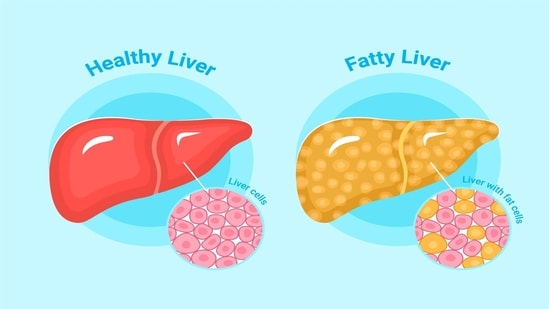
Fatty liver disease is a growing concern around the globe, impacting nearly 30% of the general population, as per the Journal of Hepatology. While its prevalence is notably higher among males (40%) than females (26%), this condition transcends simple metrics of body weight metrics and can affect individuals across various body types.
Genetic and environmental influences
“Understanding the impact of genetics and environmental factors on non-alcoholic fatty liver disease (NAFLD) is crucial, particularly for lean individuals. The interplay of genetic predispositions and lifestyle choices can create a perfect storm for the development of fatty liver disease,” Dr Aasima Boxwalla, Associate Consultant in Surgical Gastroenterology at Manipal Hospital, tells Health Shots.
Even people with lower weight and smaller waistlines are not immune to risk. Although they may show fewer symptoms of metabolic syndromes such as diabetes or hypertension, the progression of the disease can occur in this group, adds the expert.
What is fatty liver disease?