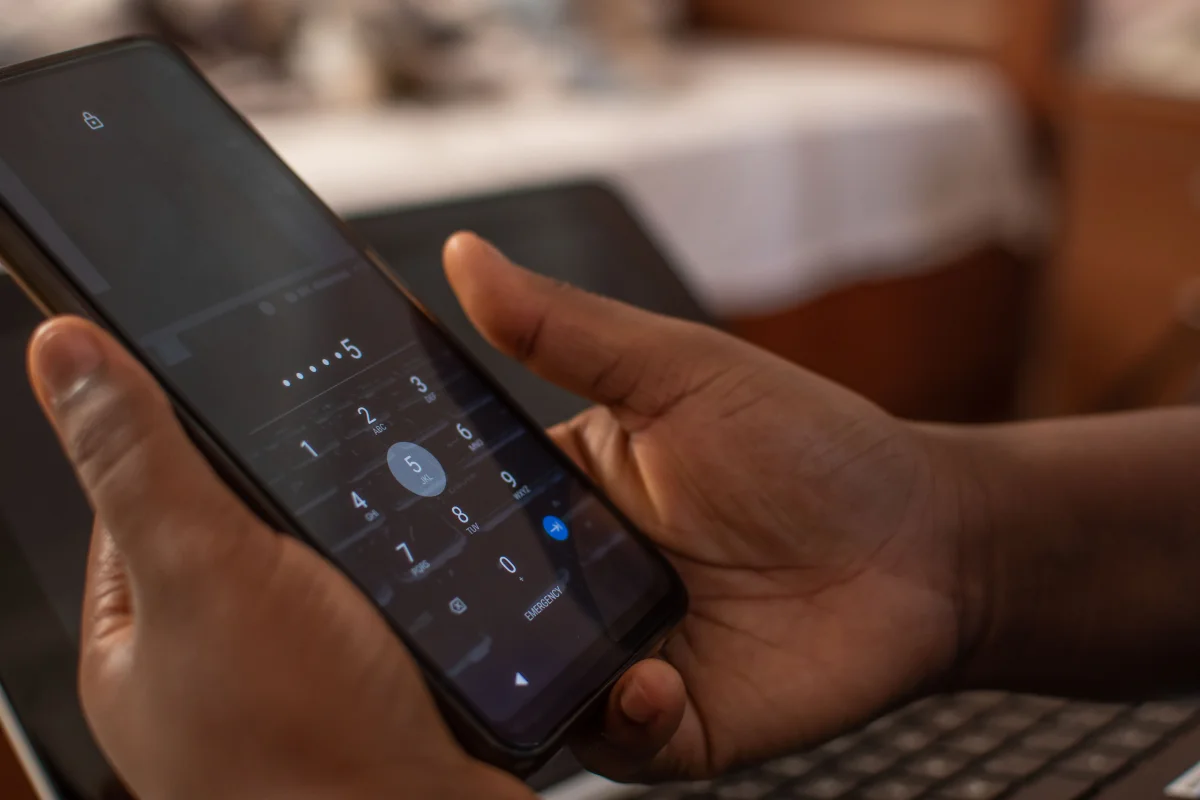
(Image credit: Sanuj Bhatia / Tom's Guide)
Google first confirmed that Android 17 would be getting stronger lock screen protections back at Google I/O, but the specifics of those protections haven't been made very clear. Now we know exactly what Google has planned, and it's going to make trying to bypass Android's lockscreen a lot harder for potential snoops.Mishaal Rahman, who works in Community Engagement for Android, has confirmed these details on X. To be honest, while we expected Google to make significant changes, I'm surprised that things have gone quite this far.🔒Android 17 makes it harder for thieves to access your data!On supported devices, we've significantly reduced the number of times someone can guess the PIN or password, and added longer wait times between failed attempts.Let's dive deeper into what's changing🧵 pic.twitter.com/aq5GoQrK1WJune 30, 2026If your phone is running Android 16, you'll be allowed up to 10 PIN guesses in the first minutes, 20 within six minutes, 50 in 25 minutes, 110 over a 24-hour period and 1,800 guesses over five years. Android 17 reduces this significantly, with six guesses in the first minute, which increases to seven in six minutes, eight within 25, 12 over the course of 24 hours and just 19 guesses over the course of five years.After 20 incorrect guesses, your phone will be locked down. This is not a whole lot of opportunities to guess a four to six-digit passcode, but from a security standpoint, that makes a lot of sense. The fewer guesses potential hackers have, the harder it is for them to successfully access your phone.Apparently, old limits let hackers take advantage of the fact that people gravitated towards common passcodes, rather than random ones. Should someone know more personal information, such as birthdays or other key dates, then their odds of cracking into your phone are significantly higher. Having several hundred attempts just meant it would be a matter of time before they got in.There are protections for your own mistakes