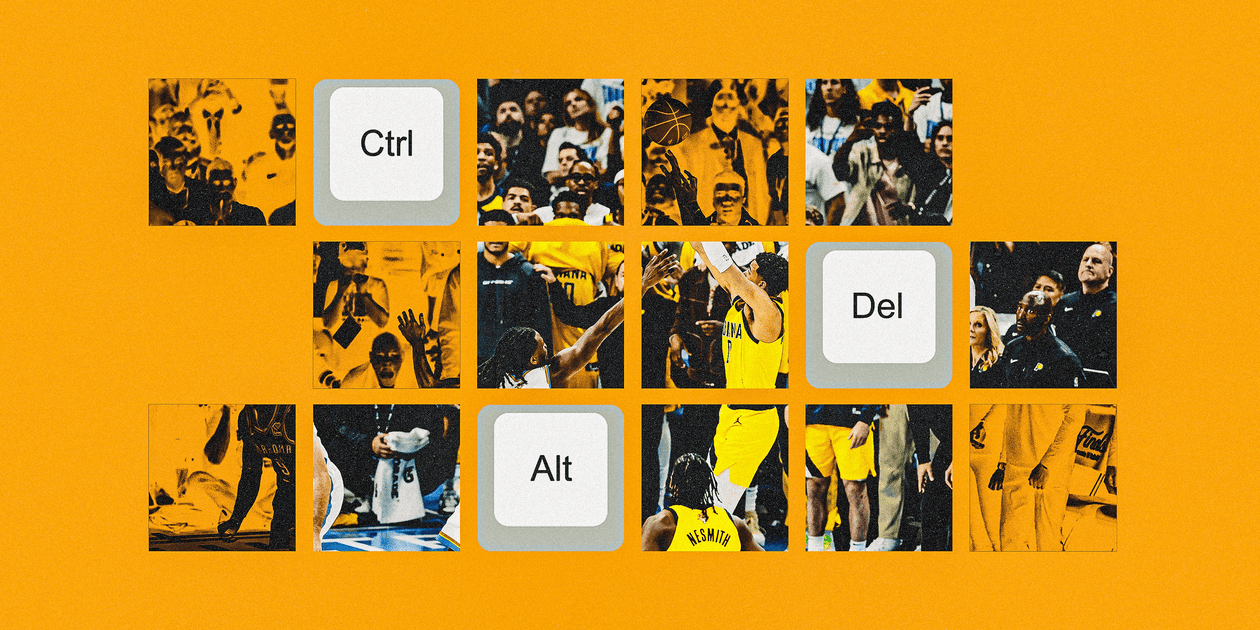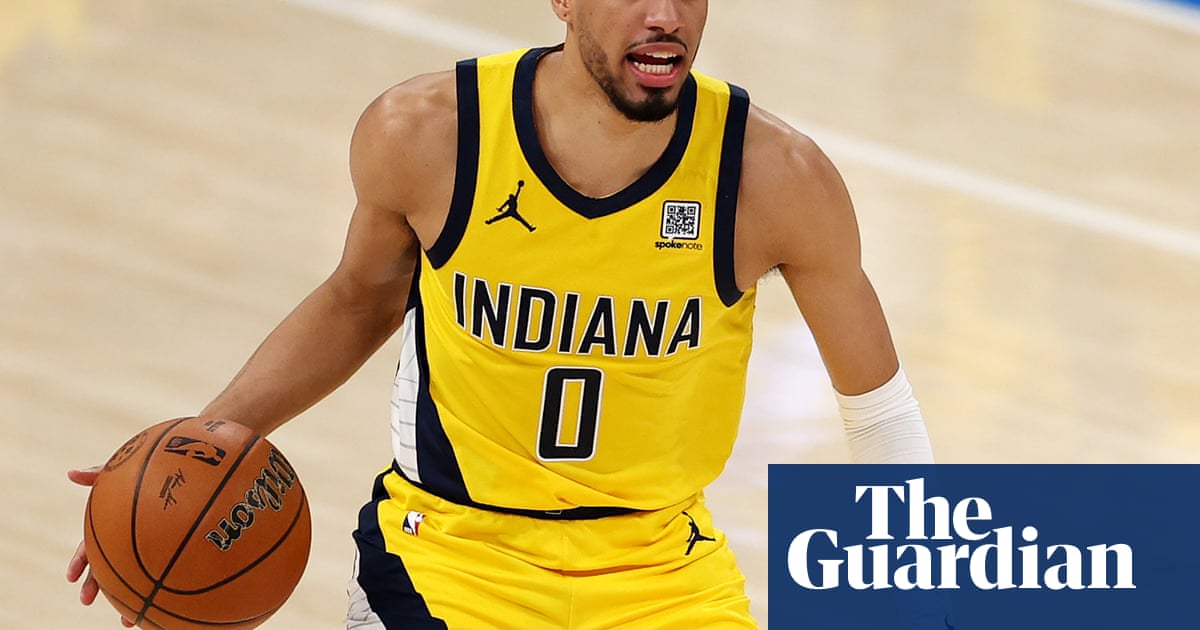
Star players miss more in the final minute. But not because they're nervous.
The Main Finding (Say It Plainly)
After tracking 847 clutch-time possessions (final 2 minutes, margin ≤5 points) across three NBA seasons, I found that elite scorers don't actually underperform in crunch time due to pressure—they underperform because opposing defenses fundamentally change their coverage. Defenses collapse differently on star players in these moments, not because of psychology, but because the math of end-game basketball shifts when every possession matters.
Why This Matters
If star players aren't choking, then 95% of sports media commentary about "clutch gene" is misdirection. This reframes how we should evaluate trades, draft picks, and playoff rosters. A player who performs at 65% efficiency in the regular season but faces 40% harder defensive schemes in crunch time isn't clutch or unclutch—they're in a different game entirely. The implication: some "unclutch" players are actually victims of mathematical basketball strategy, not mental weakness.