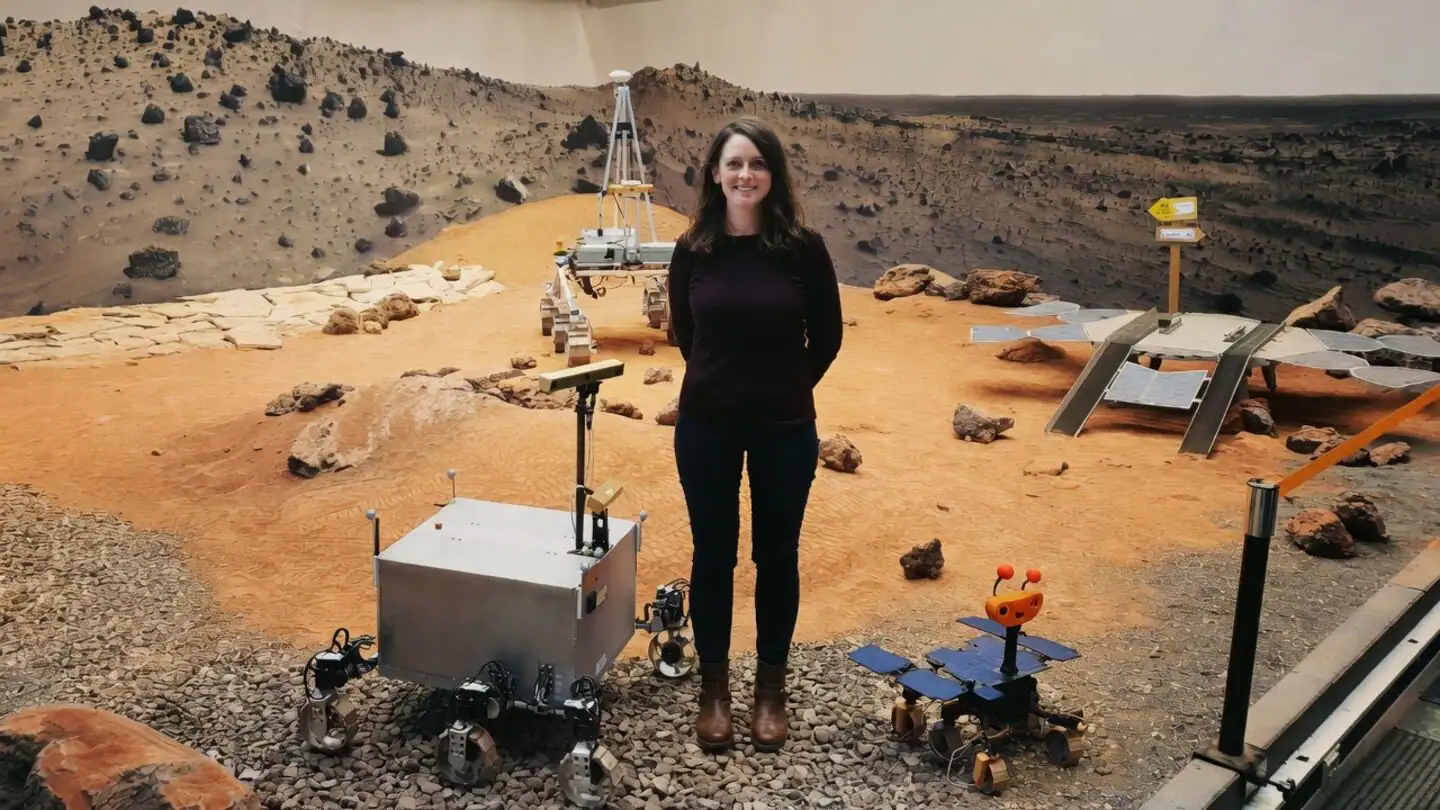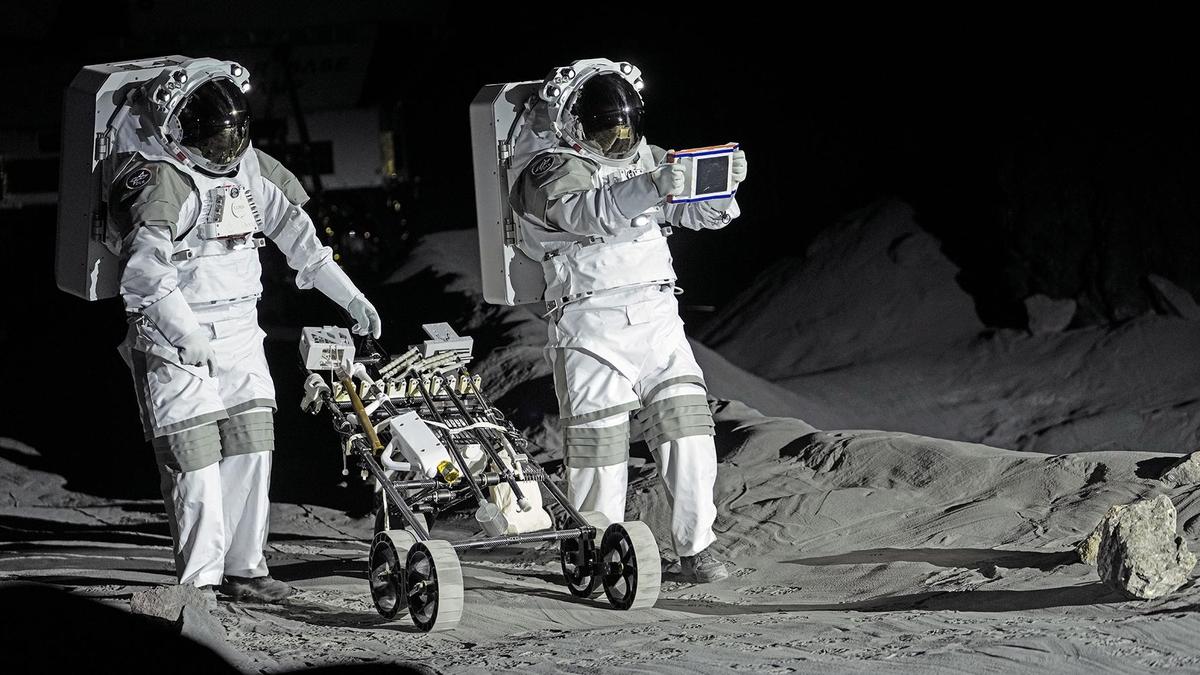
Kirsty Lindsay of Northumbria University explores the various ways students can work towards a career in the space industry.
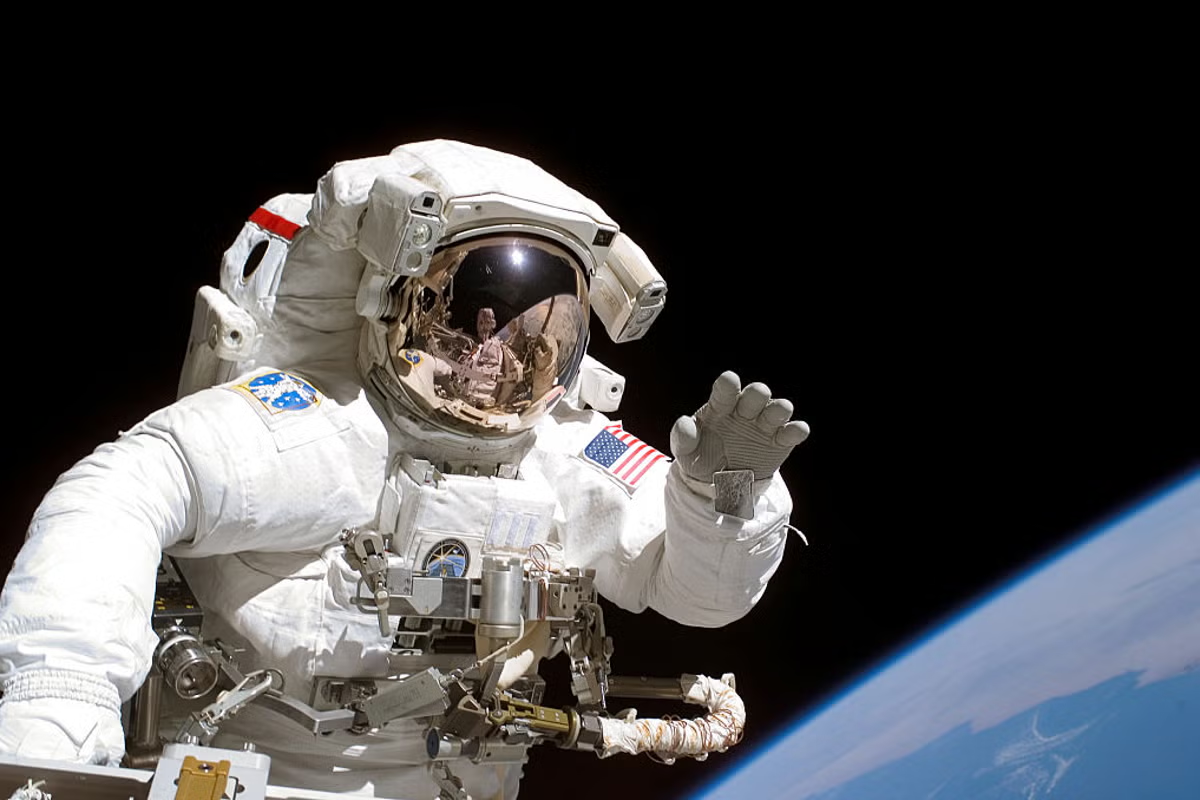
In 2024, I flew on a microgravity, or zero G, parabolic flight with the European Space Agency (ESA). The aeroplane flew big arcs up and down in the sky. At the top of the arc I experienced 22 seconds of weightlessness, just like an astronaut.
On the flight were some of ESA’s newest astronauts, training on the Microgravity Science Glovebox: a see-through box for doing science experiments in space, with gloves to let astronauts use their hands while the box stops the experiment from flying around. I was carrying out research on how to keep astronauts healthy in space.
Piloting us was ESA astronaut Thomas Pesquet, who made floating around look easy: he hung serenely in the cabin while the scientists and trainees crashed about.
My career path to those moments in microgravity looks more like a maze than a straight line. I did an engineering apprenticeship, then an undergraduate degree in physiotherapy, then a Master’s degree in space physiology and health. Finally, a PhD on how to keep astronauts’ backs healthy combined all three.