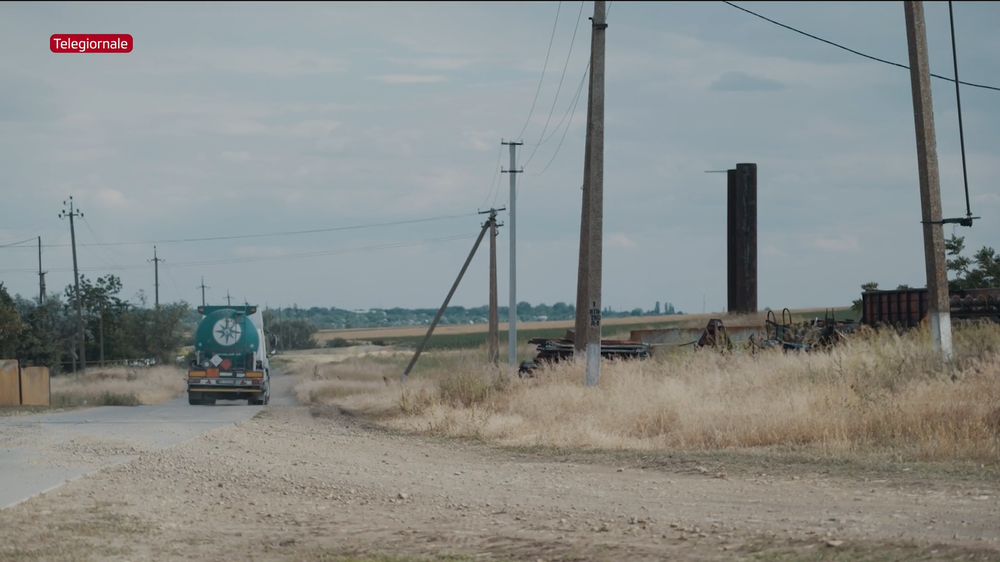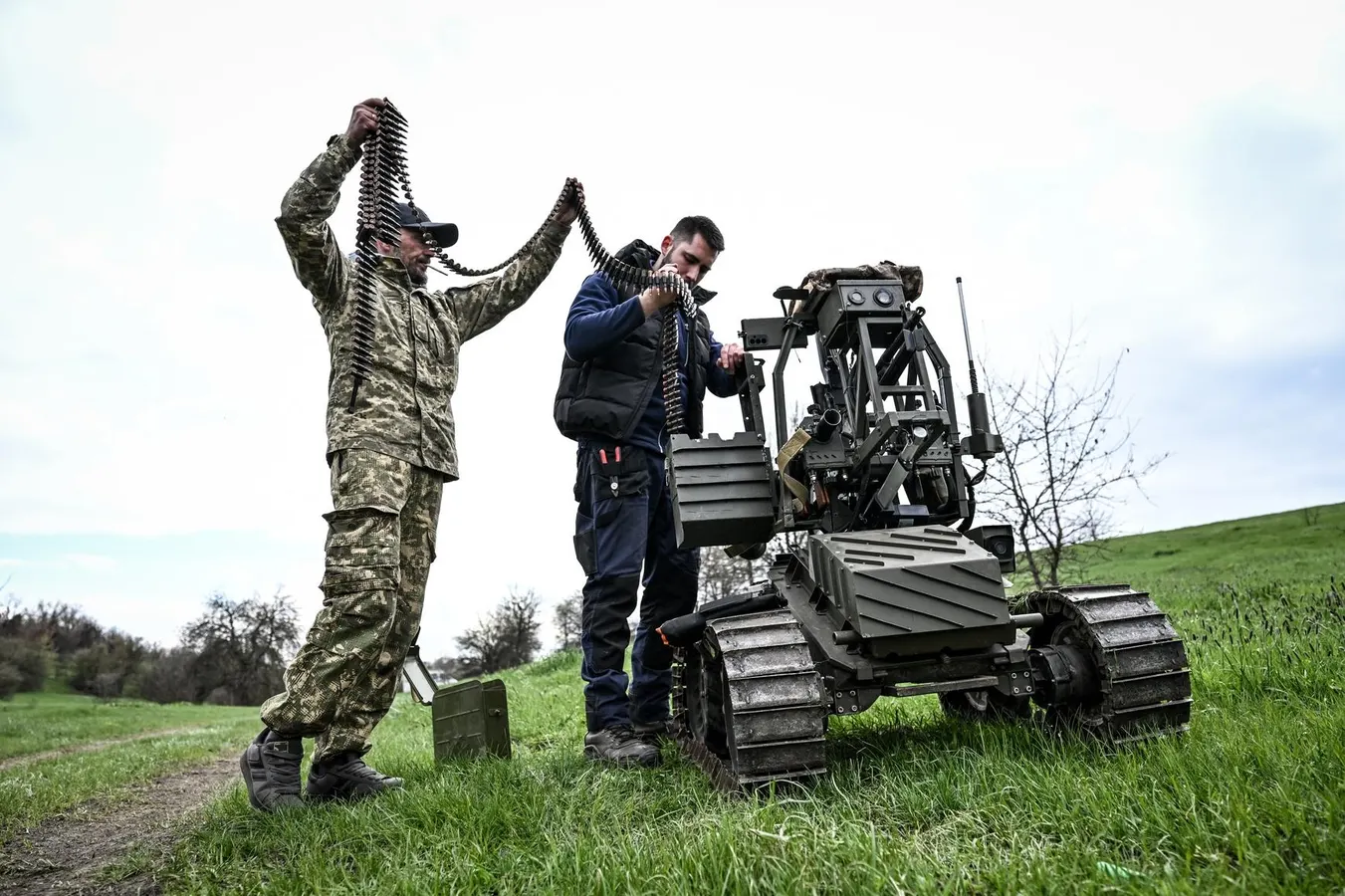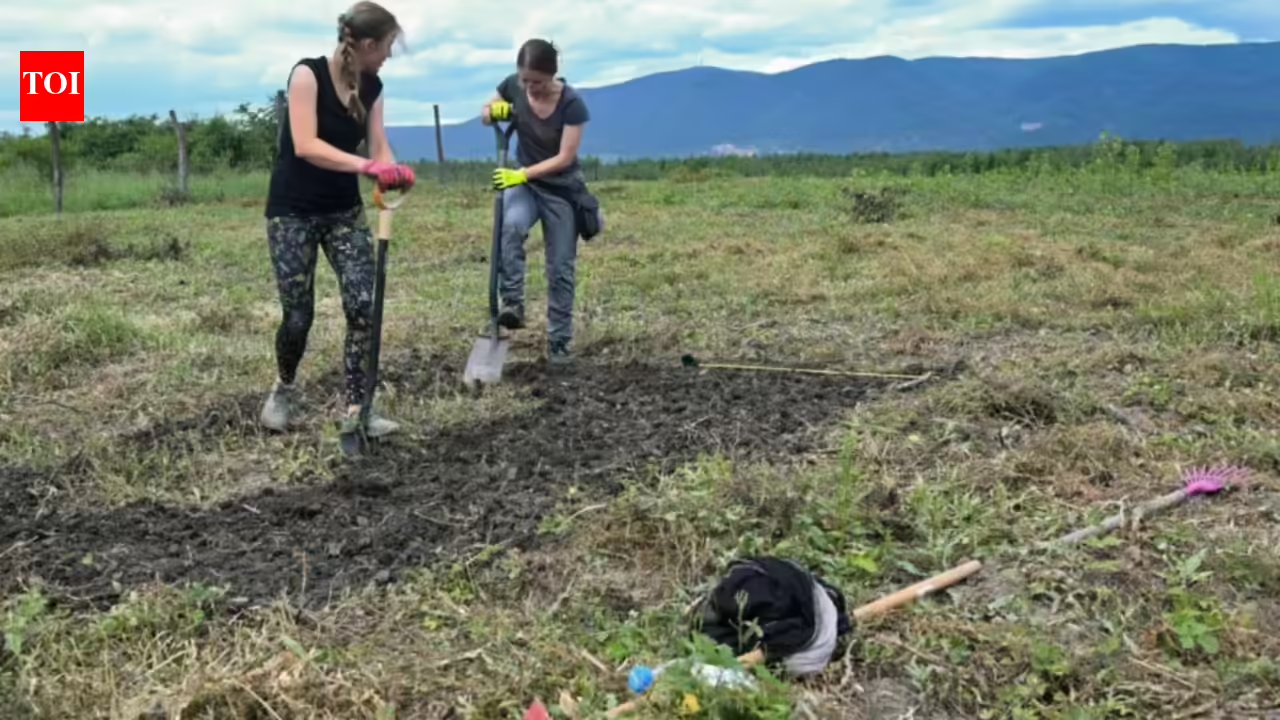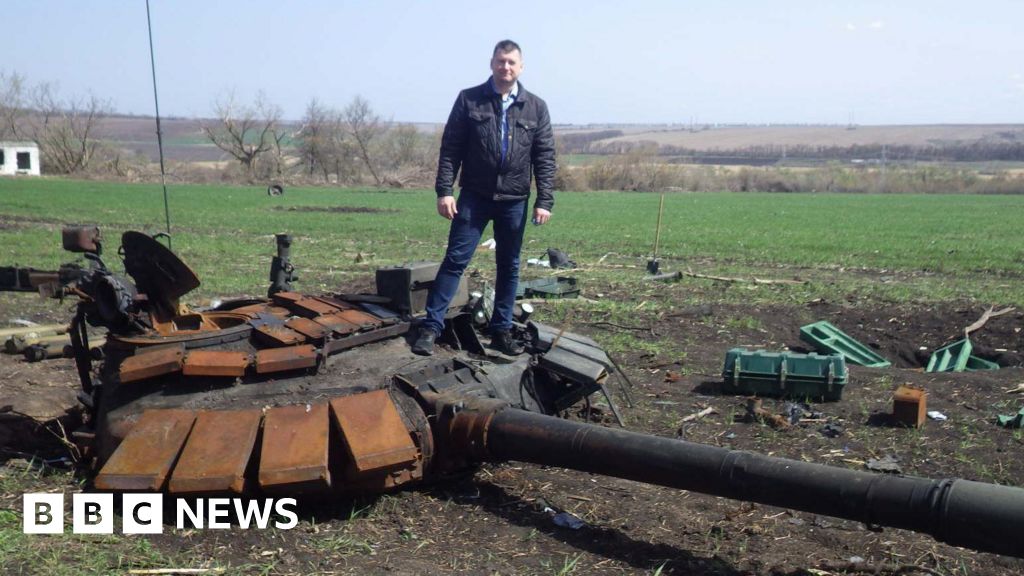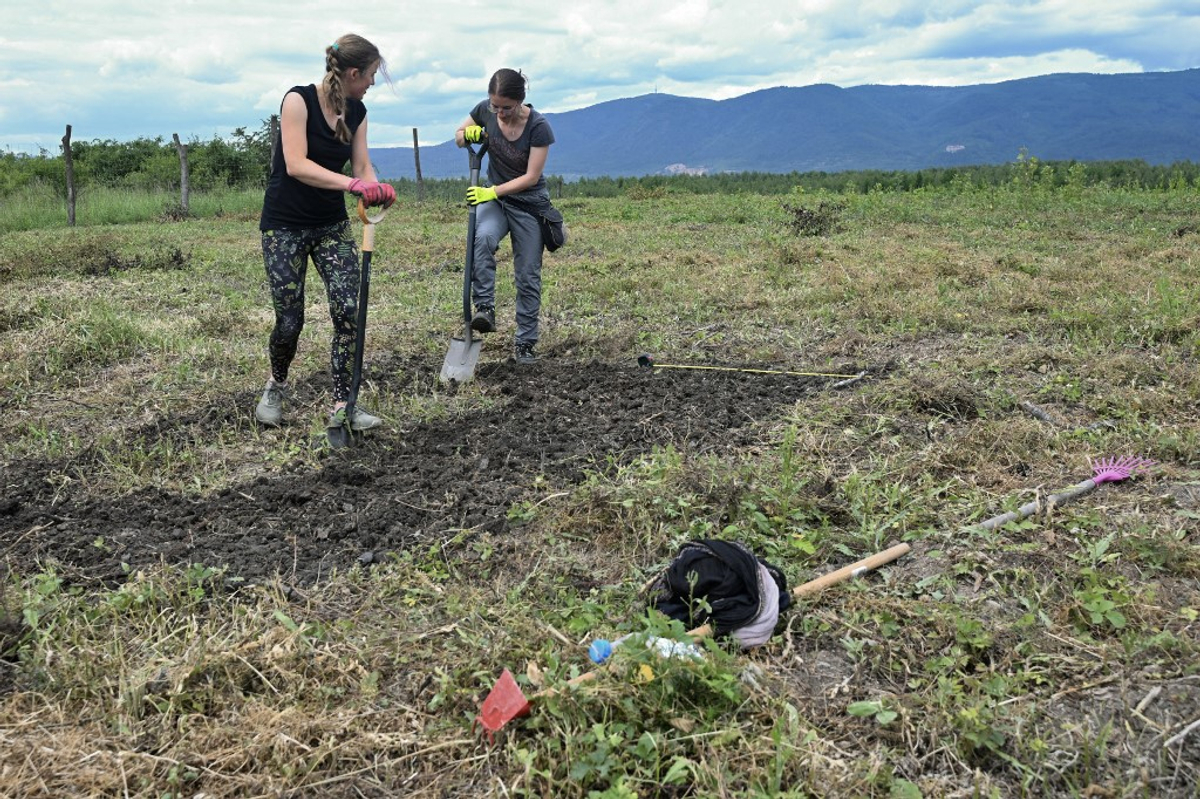
Scientists at a Czech university are studying whether a particular strain of grass could revitalise Ukraine’s famed soil after years of war and make it usable again for farming. Ukraine has often been called the breadbasket of Europe because it is home to the extremely fertile black earth known as chernozem, which has propelled the country to become a major grain producer and exporter.JOIN US ON TELEGRAMFollow our coverage of the war on the @Kyivpost_official. But nearly four and a half years of fierce fighting have polluted much of the famed farmland. Under a NATO-sponsored project, the northern Czech Jan Evangelista Purkyne University (UJEP) is working to study whether a certain strain of grass, the giant miscanthus, could remove pollutants like oil products, explosives, and trace elements from the soil. “The goal is to revitalise contaminated areas while producing biomass,” UJEP environmentalist Josef Trogl told AFP in a small experimental field at a former Czech brown coal mine. Giant miscanthus is native to east Asia but is grown across Europe for biomass, which is used for heating. Although it takes years to cleanse the soil, early results have been promising, scientists say. The grass is “capable of growing on degraded and contaminated soils” and “produces extensive root systems that can accumulate metals while simultaneously restoring soil organic matter,” Ember Morrissey, a West Virginia University biologist and co-author of a recently published study on giant miscanthus, told AFP.
NATO Project Tests Perennial Grass to Clean Ukraine’s War-Hit Soil
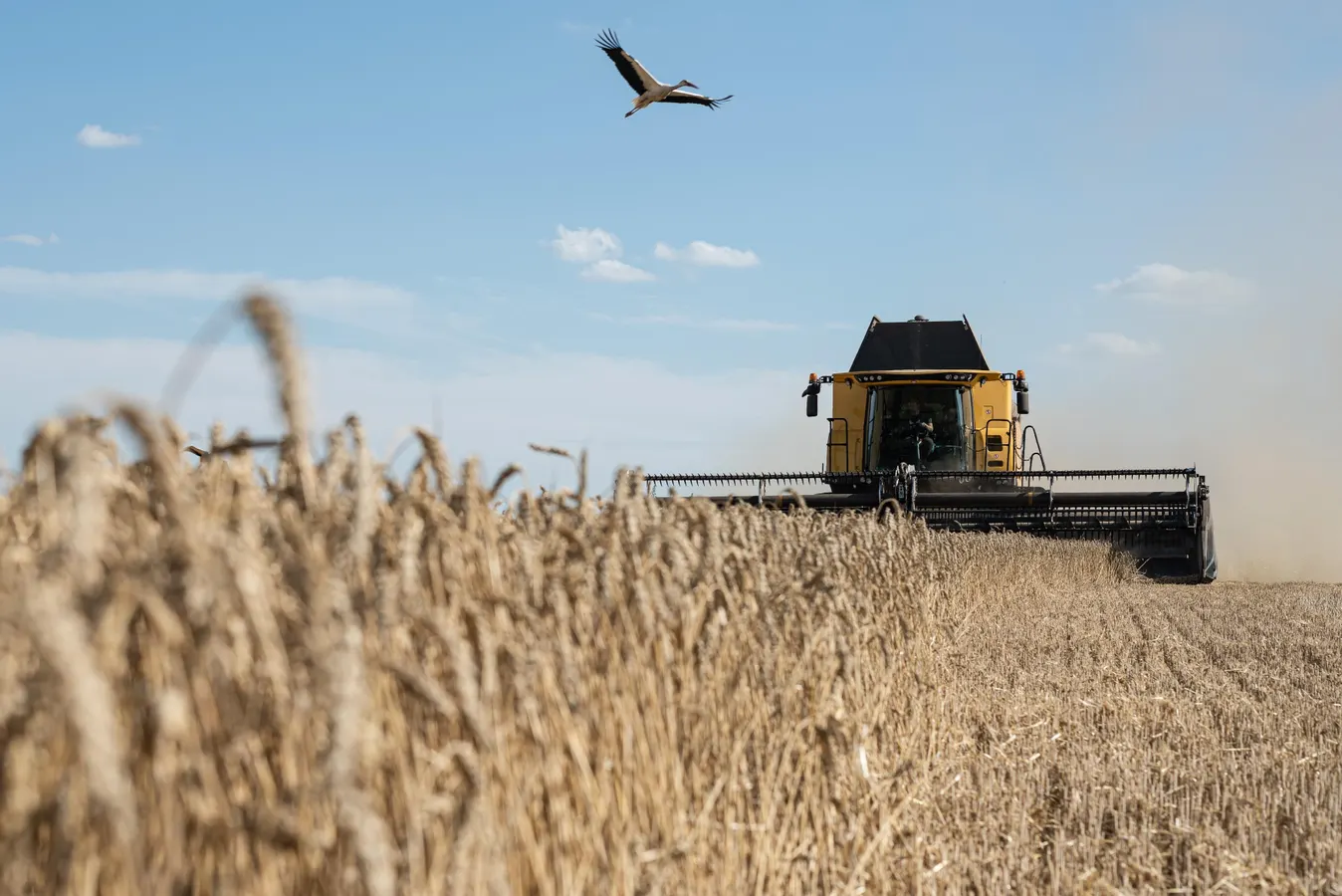
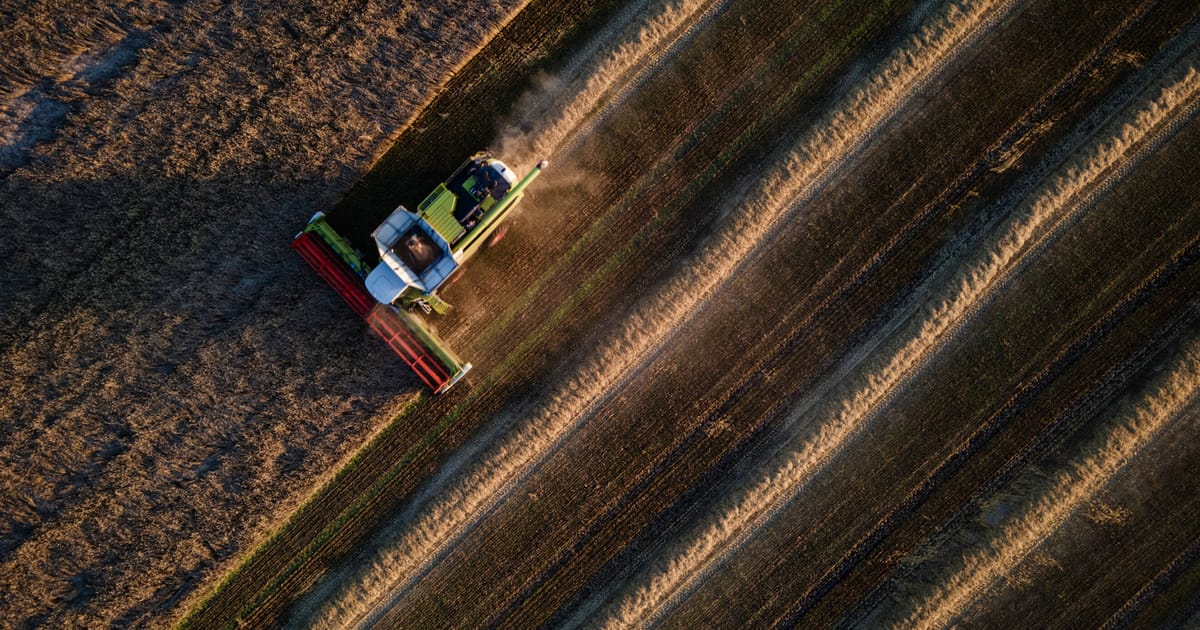
Ukraine has often been called the breadbasket of Europe because it is home to the extremely fertile black earth known as chernozem, which has propelled the country to become a major grain producer and exporter.
653 words~3 min read