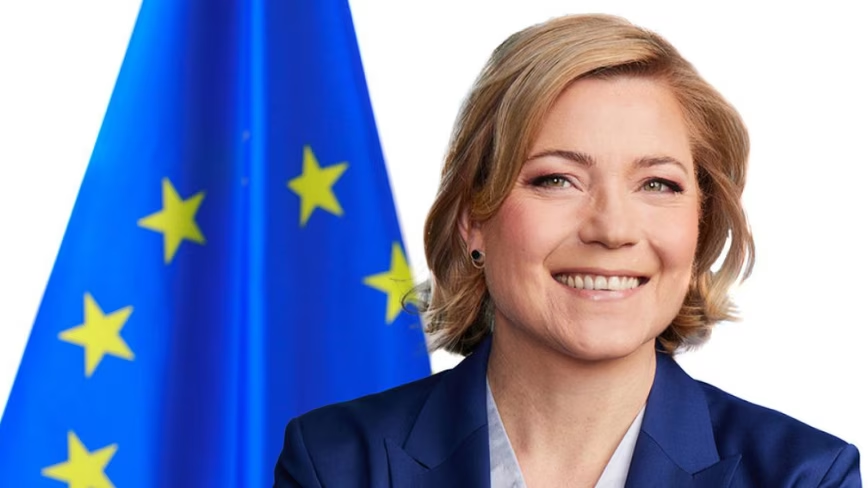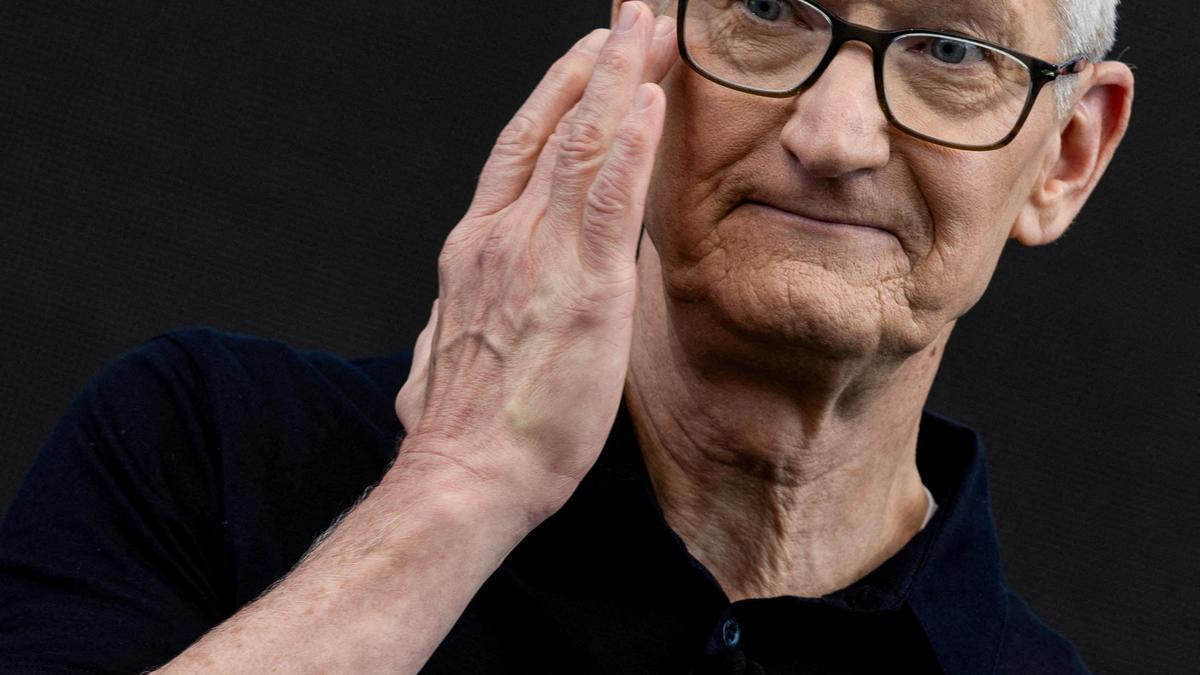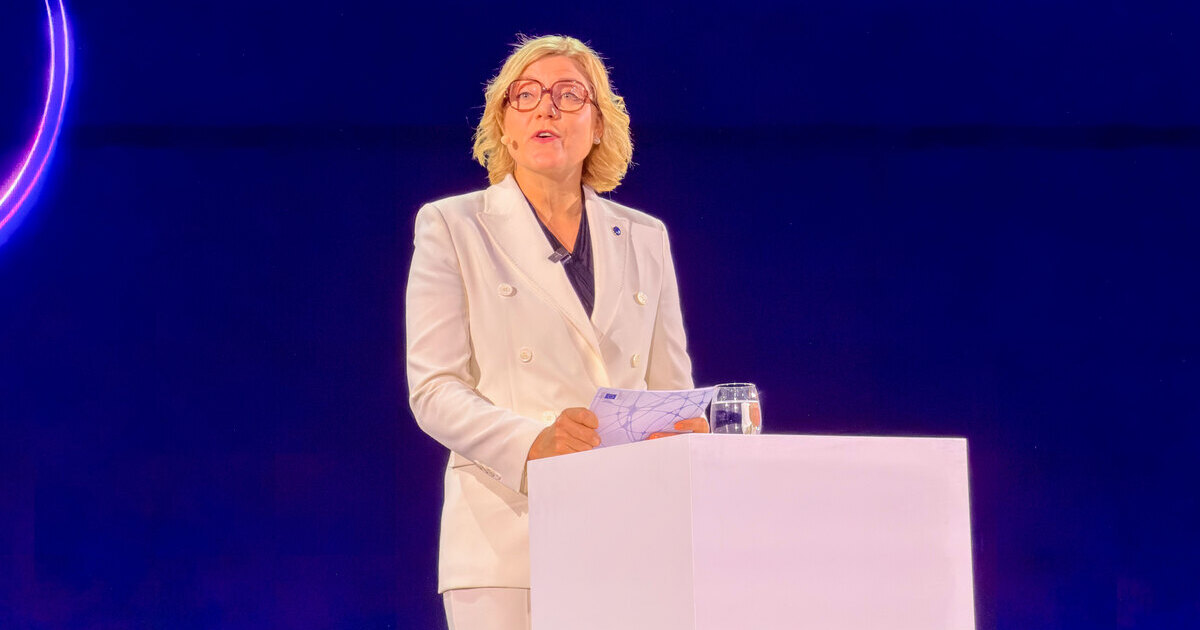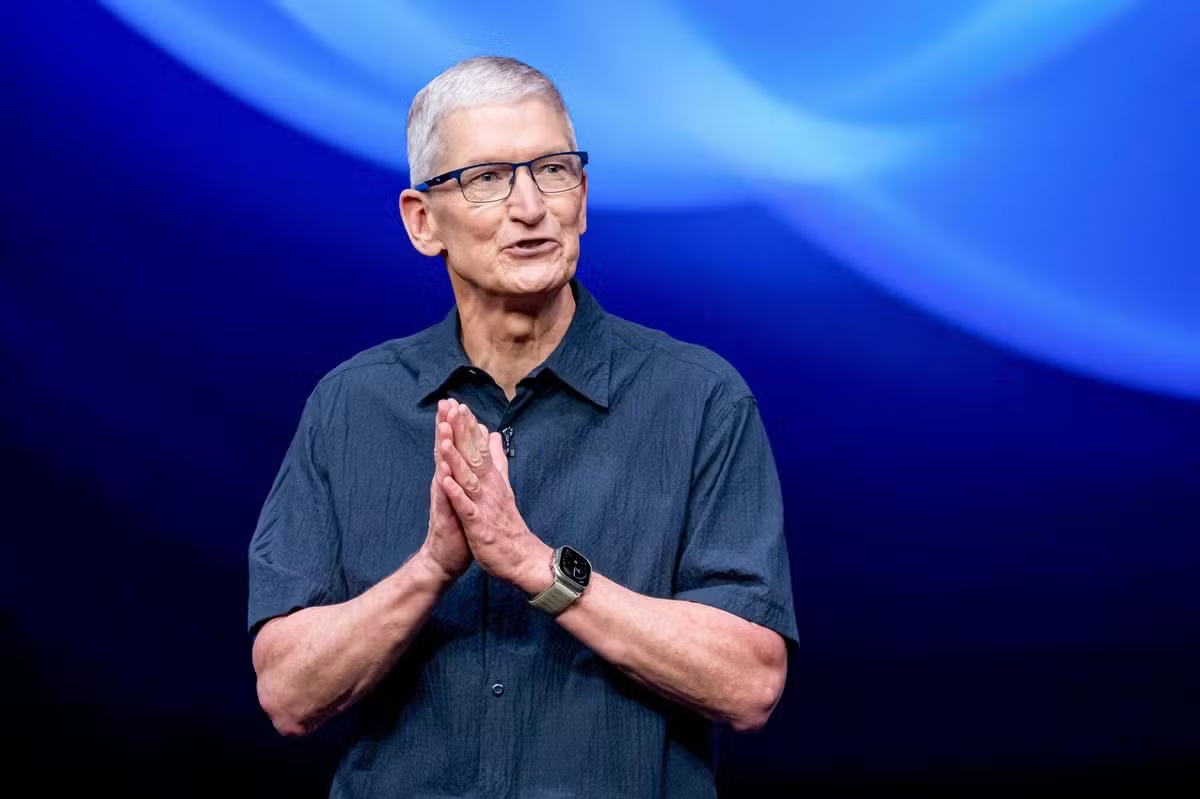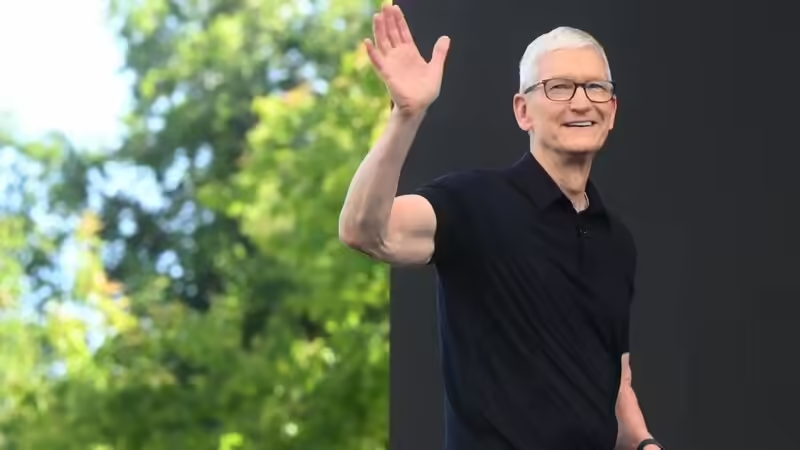
Photo credit: APApple CEO Tim Cook has held high-level virtual talks with European Union tech chief Henna Virkkunen in an effort to ease escalating tensions over the delayed rollout of Siri AI in Europe. The discussions come at a critical moment for Apple, as the company faces regulatory pressure under the EU’s Digital Markets Act (DMA), which governs how large technology platforms must ensure interoperability and fair competition. Apple has delayed the launch of its new AI-powered Siri features in the EU, citing compliance challenges and privacy concerns.EU regulators , however, contend that nothing in the law blocks the release. The meeting , which officials call “constructive”, points to ongoing negotiations between both sides , yet it also makes the outcome feel a bit sketchy, since Apple is getting ready for wider iOS 27 deployment choices across global markets.Key TakeawaysTim Cook held a virtual meeting with EU tech chief Henna Virkkunen over Siri AI rollout concerns.The dispute centers on EU Digital Markets Act (DMA) compliance requirements.Apple has delayed Siri AI in Europe, citing privacy and interoperability concerns.EU regulators argue Apple has not provided a compliant technical solution.Talks are ongoing, with no confirmed timeline for resolution or EU rollout of Siri AI with iOS 27.How Did the Tim Cook–EU Talks Emerge From the Siri AI Standoff?So, the meeting between Tim Cook and EU tech chief Henna Virkkunen didn’t just appear out of nowhere. It’s basically the outcome of months of rising tension, after Apple decided to put a pause on Siri AI in Europe. The whole mess started when Apple said its new AI-powered Siri features wouldn’t land in the EU with iOS 27. Apple blamed compliance hurdles tied to the Digital Markets Act.In Apple’s telling, the DMA interoperability rules might end up forcing it to let rival assistants reach parts of the system that Apple sees as sensitive, plus user data too. That, Apple says, creates obvious privacy and security dangers. The EU side doesn’t buy it though, they argue the DMA doesn’t stop launches and that Apple hasn’t actually put forward a workable compliance setup. This technical mismatch, and the back and forth that followed, dragged regulators and Apple into repeated exchanges, then it climbed up to CEO-level talks basically to break the deadlock and avoid a longer regulatory fight.Why the EU Apple Conflict Centers on Siri AI and Digital Market RulesUnder it all there’s this clash, Apple is privacy-first, super controlled ecosystem vibe. The EU is pushing a competition model, more focused on access and leverage. Siri AI, according to Apple, depends on tightly limited system access plus on-device intelligence with secure cloud processing. Apple argues that if third-party assistants get access in the way the DMA seems to interpret, it would weaken the security model.EU officials, however, see Siri AI like a “gatekeeper” service, something that has to provide fair access so competing AI systems can actually compete. Regulators say Apple hasn’t shown an interoperability plan that satisfies European privacy expectations. Apple has reportedly offered a “Trusted System Agent” style compromise, but EU officials have not, I guess, accepted it as it is right now. So Siri AI turns into this bigger test issue, like how AI assistants should be handled across Europe, not just a single feature dispute why the Siri AI dispute is flaring up nowThis showdown traces back to Apple’s WWDC26 talk, where it said Siri AI would be delayed in the EU, and that timing was immediately tied back to the Digital Markets Act. Apple went public saying the law blocked it, so it couldn’t safely deploy its new assistant while also meeting interoperability duties. EU officials reacted fast, basically saying the law doesn’t ban anything and Apple chose to do this.It got more intense because Siri AI is a big piece of Apple’s wider “Apple Intelligence” plan that lines up with iOS 27 and iPadOS 27. As both sides traded statements, it moved from technical compliance talk into a more political and economic battle platform control, data reach, and who gets what kind of competitive odds in the European market.Why Apple is pushing back on EU interoperability for Siri AIApple’s resistance is tied to its ecosystem strategy, like the company blends hardware, software, and AI services in a very integrated way to protect performance and privacy. Apple says that forcing Siri AI to work with competing assistants could undercut its security architecture and create new data exposure for users. Apple also claims its AI tools rely on controlled access to device-level data, and broad interoperability demands could put that access at risk.From Apple’s perspective, the EU’s reading of the DMA adds uncertainty, which slows or complicates launches and makes innovation schedules slip. Apple has offered alternative technical ideas too, including this “Trusted System Agent” approach, meant to route third-party access without breaking user privacy. Still, EU officials haven’t really signed off on it, leaving Apple without a clear compliance route to launch Siri AI in Europe alongside iOS 27.Why EU regulators keep pushing back against Apple’s version of eventsEU regulators argue Apple is overstating how much the Digital Markets Act actually limits it. They say the law is meant to create fair access and support competition rather than shut down new products. The European Commission has said Apple isn’t being asked to sacrifice user privacy, it’s being asked to deliver interoperability solutions that fit regulatory standards. EU officials also claim Apple’s request for a long transition window looks more like a delay tactic than a real technical fix.Their stance is that Siri AI, as a major platform service, should offer comparable chances to rival AI assistants while staying consistent with data protection expectations. So yeah, the regulatory message turned Siri AI into a headline example for how Europe plans to enforce its digital competition rules against major global tech players.What could drag iOS 27’s European Siri AI rollout even further?The bigger issue is that the compliance path is still unclear, so iOS 27’s Siri AI in Europe might not match what other regions get. Even if Apple settles some pieces, EU approval timelines under the DMA could still stall feature parity. The European Commission hasn’t laid out a clean timeline for approval, and Apple hasn’t committed to a firm EU Siri AI launch date either.Any deal would probably mean technical redesigns, third-party interoperability tests, and regulatory checks, which naturally extend development timelines. Meaning that even after iOS 27’s overall global release, European users could still see a limited or delayed Siri AI experience until there’s a final compliance framework. For now, everything is still moving slowly the two sides keep signaling negotiations, but there’s no immediate fix in sight.FAQs1. Why is Siri AI delayed in Europe?Siri AI is delayed because Apple said it has real trouble meeting the EU’s Digital Markets Act interoperability rules , yeah.2. Did Apple or the EU actually block the launch?The EU says it didn’t block the launch, Apple meanwhile says the requirements were so demanding that it couldn’t comply quickly enough to launch on time.3. What did Tim Cook and the EU talk about?They talked about possible ways to get Siri AI out in Europe while still handling regulatory requirements and privacy concerns , not just one thing.4. What is the Digital Markets Act (DMA) exactly?It’s an EU regulation designed to keep competition healthier by making big platforms allow interoperability with rival services , basically.5. Will Siri AI show up in Europe with iOS 27?There’s no confirmed timetable. The release depends on continuing talks and what happens with regulatory approvals , more or less.end of article
Tim Cook Holds 'Constructive' Talks With EU Tech Chief Over Siri AI Standoff as iOS 27 Rollout Debate Intensifies
Tim Cook, the CEO of Apple, has convened with Henna Virkkunen, the EU tech chief, to address the ongoing stalemate regarding the delayed European launch of Siri AI. Apple's concerns revolve around privacy and interoperability under the EU's Digital Markets Act. Meanwhile, EU regulators argue that there are no legal impediments and are advocating for a technical solution that aligns with regulations.
1,259 words~6 min read