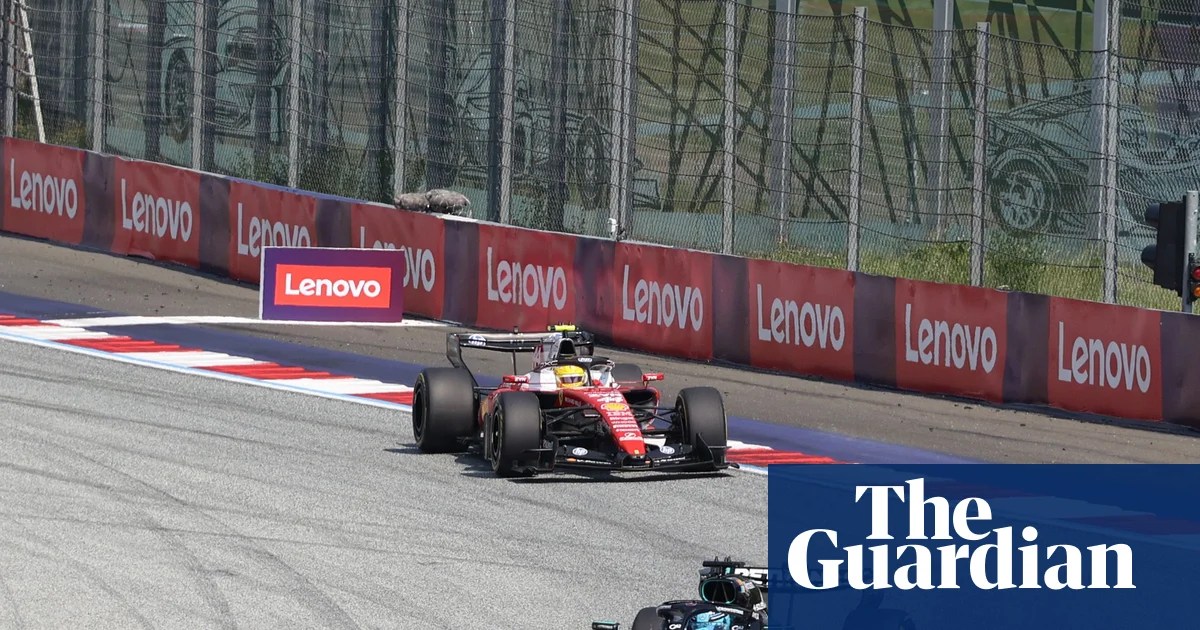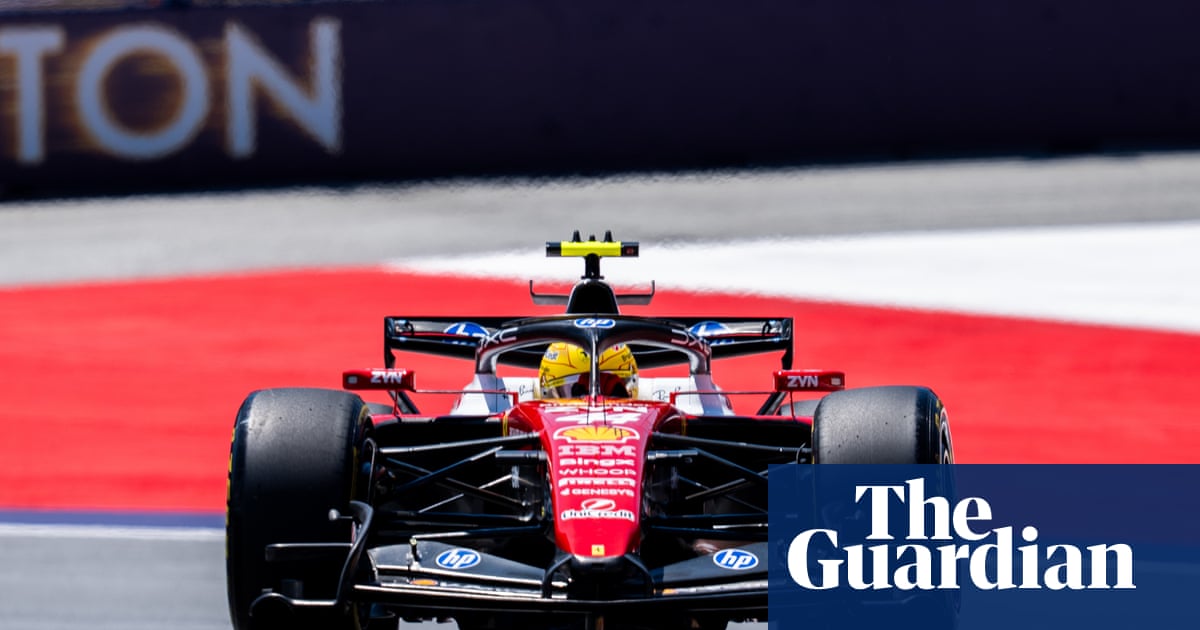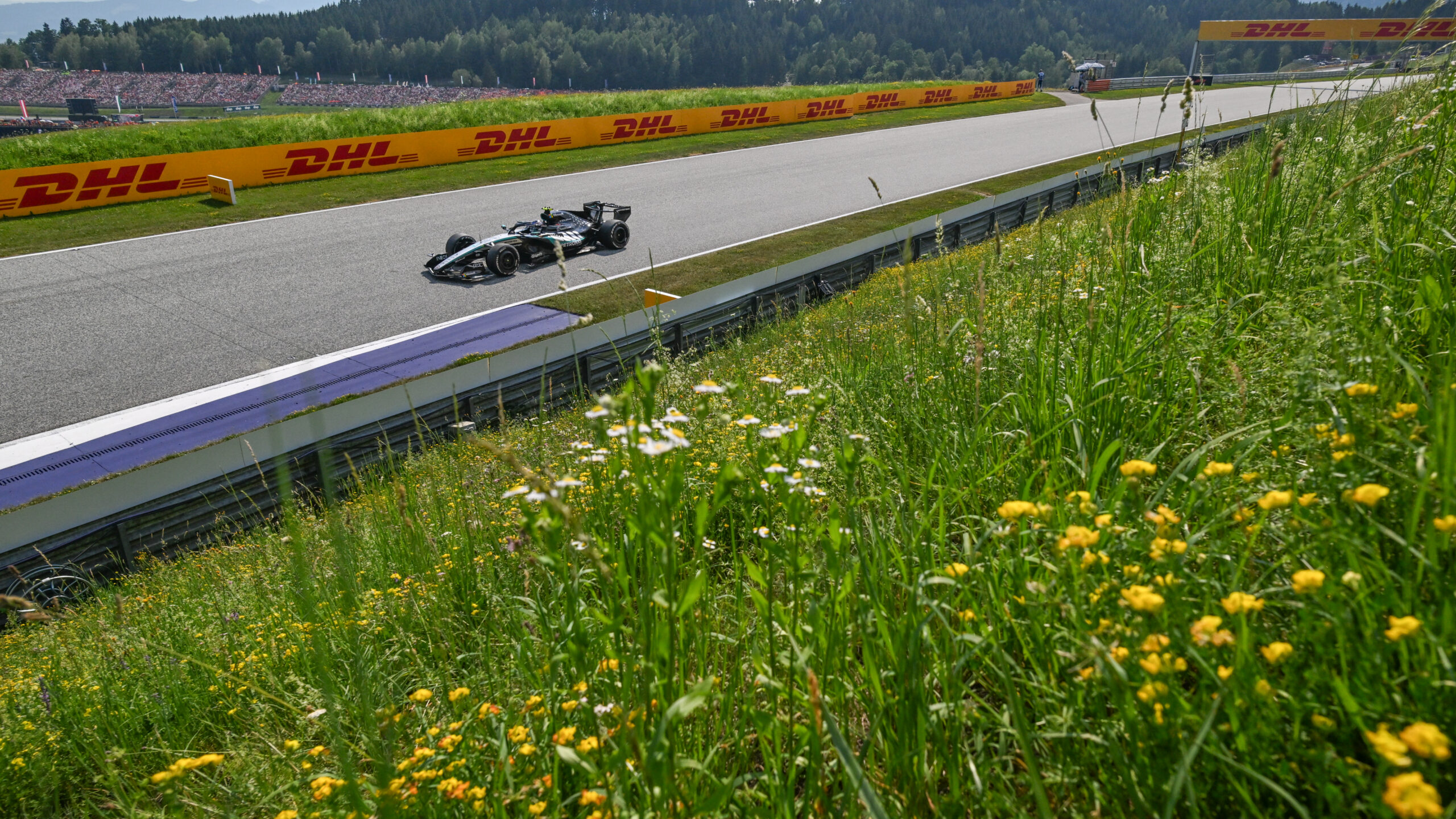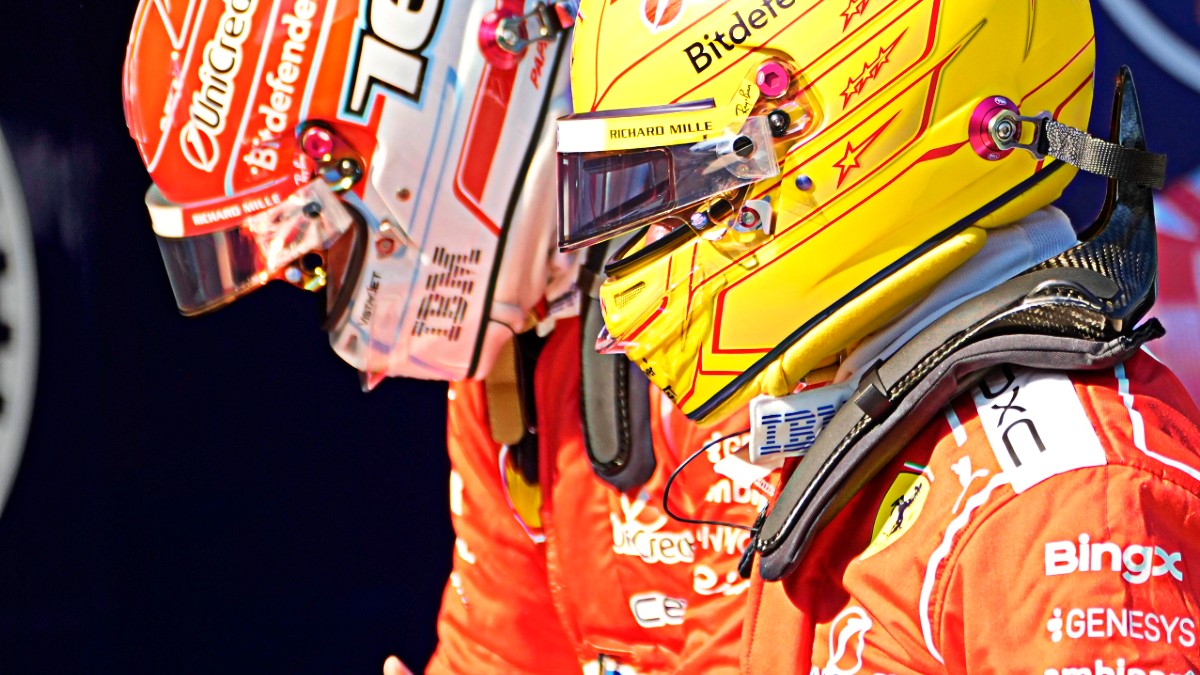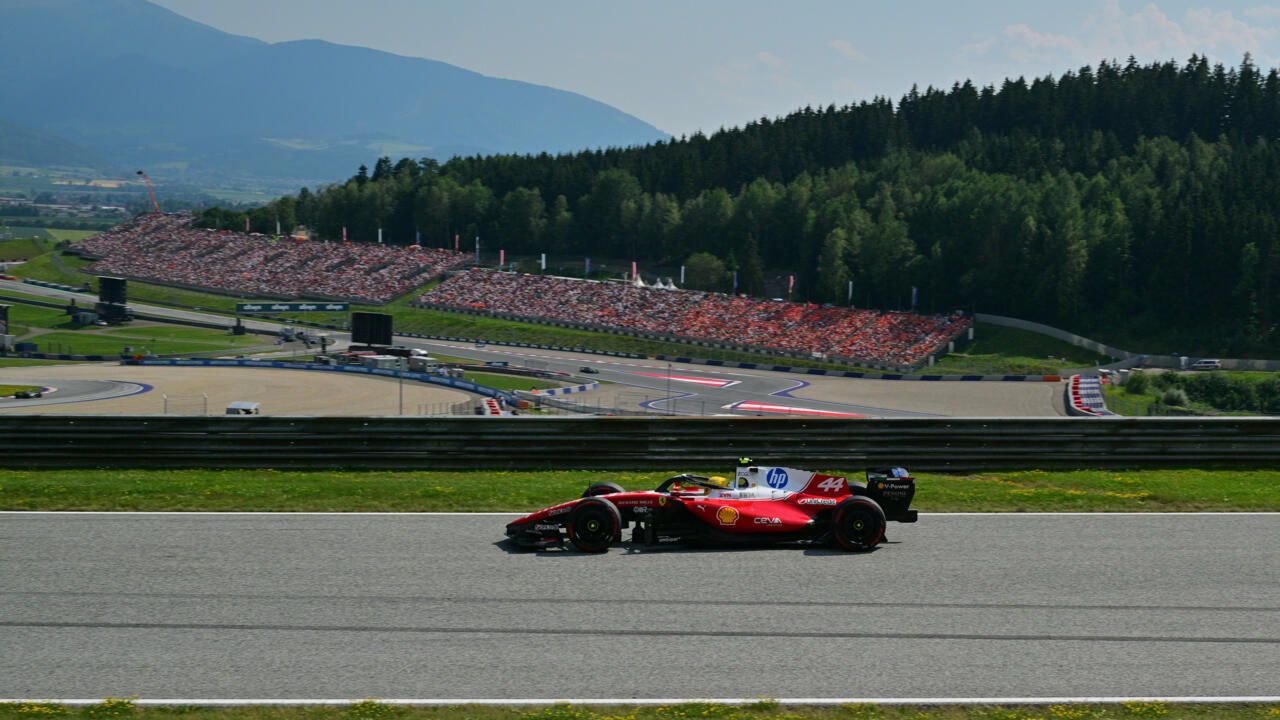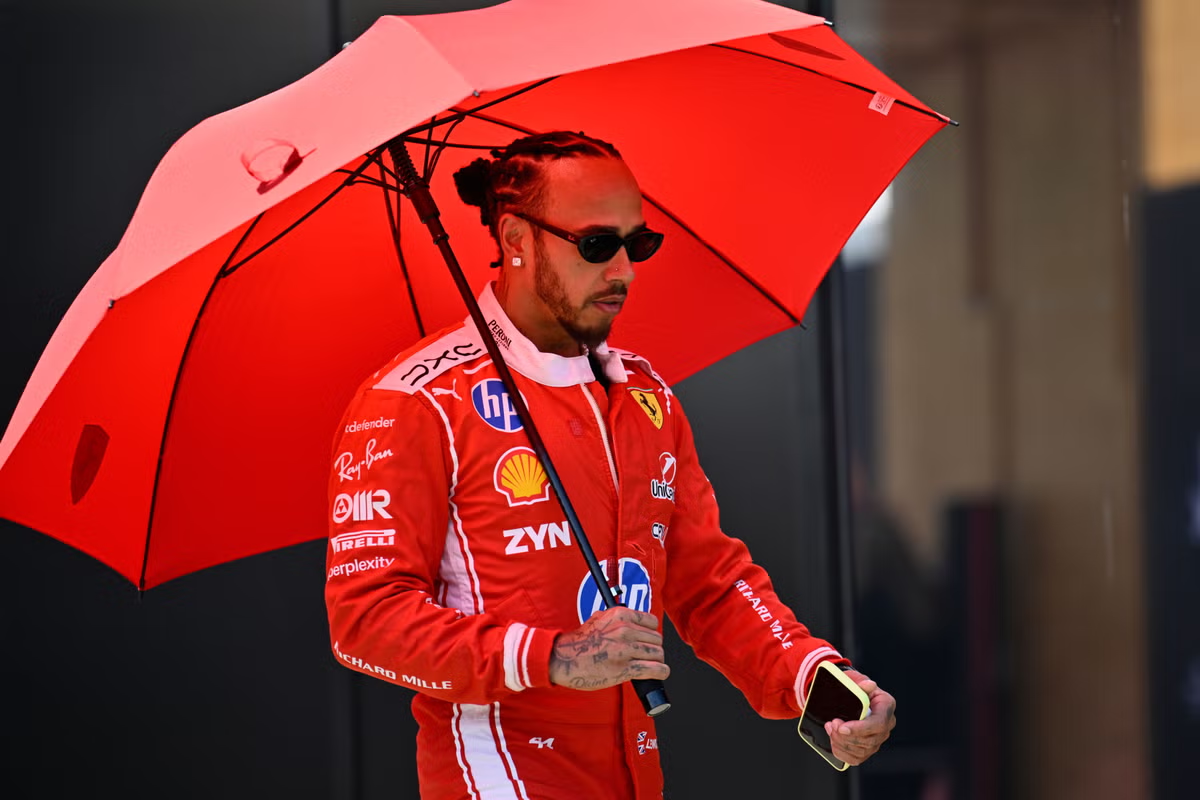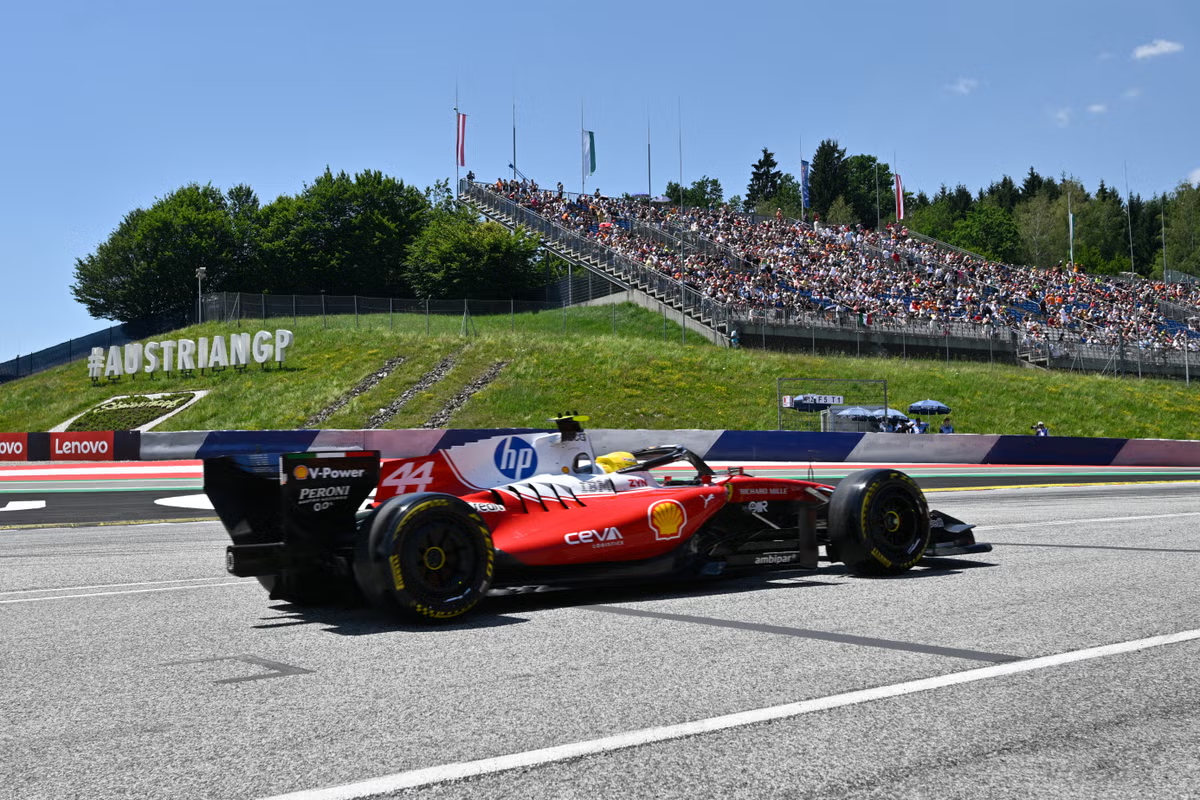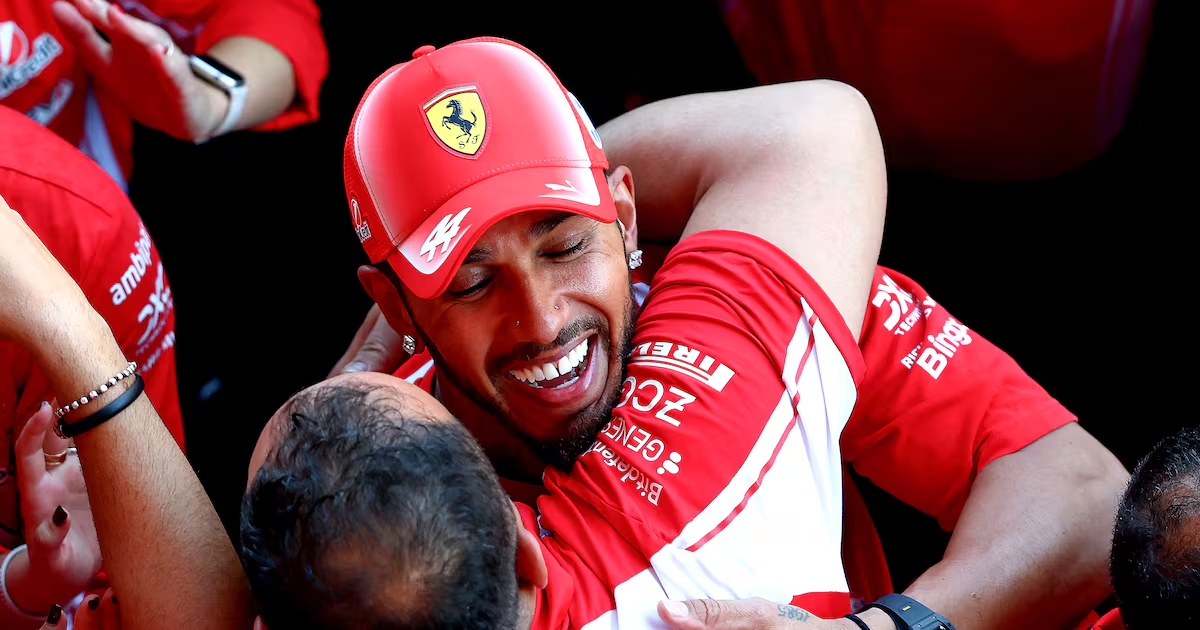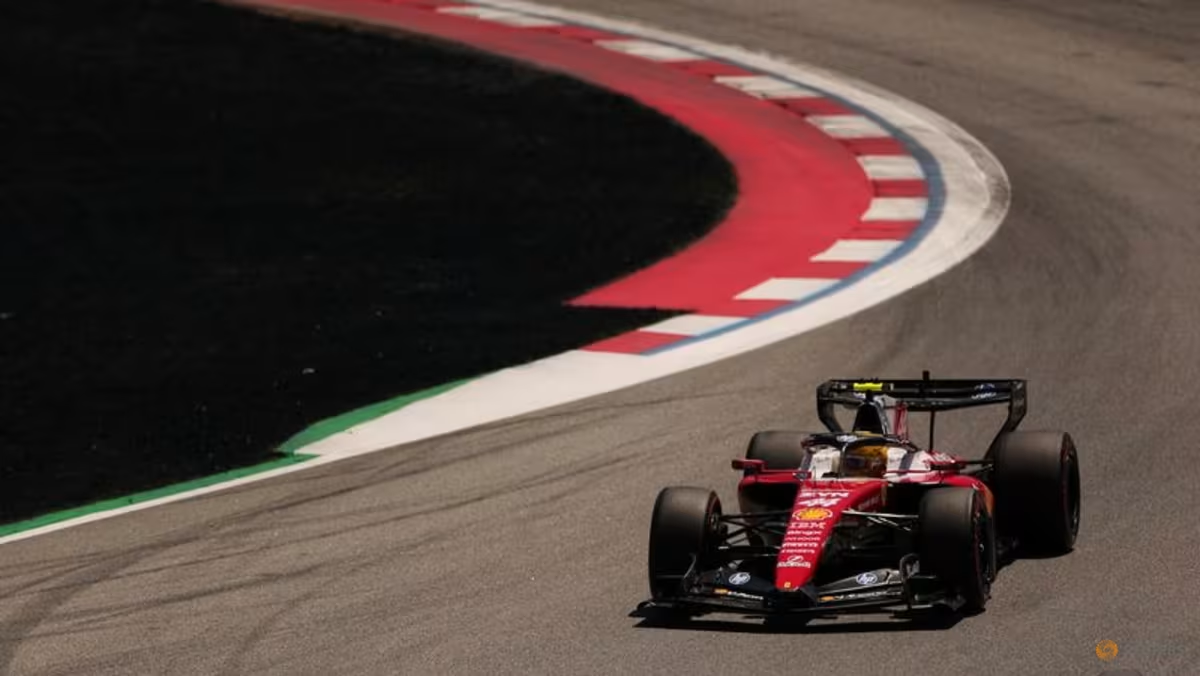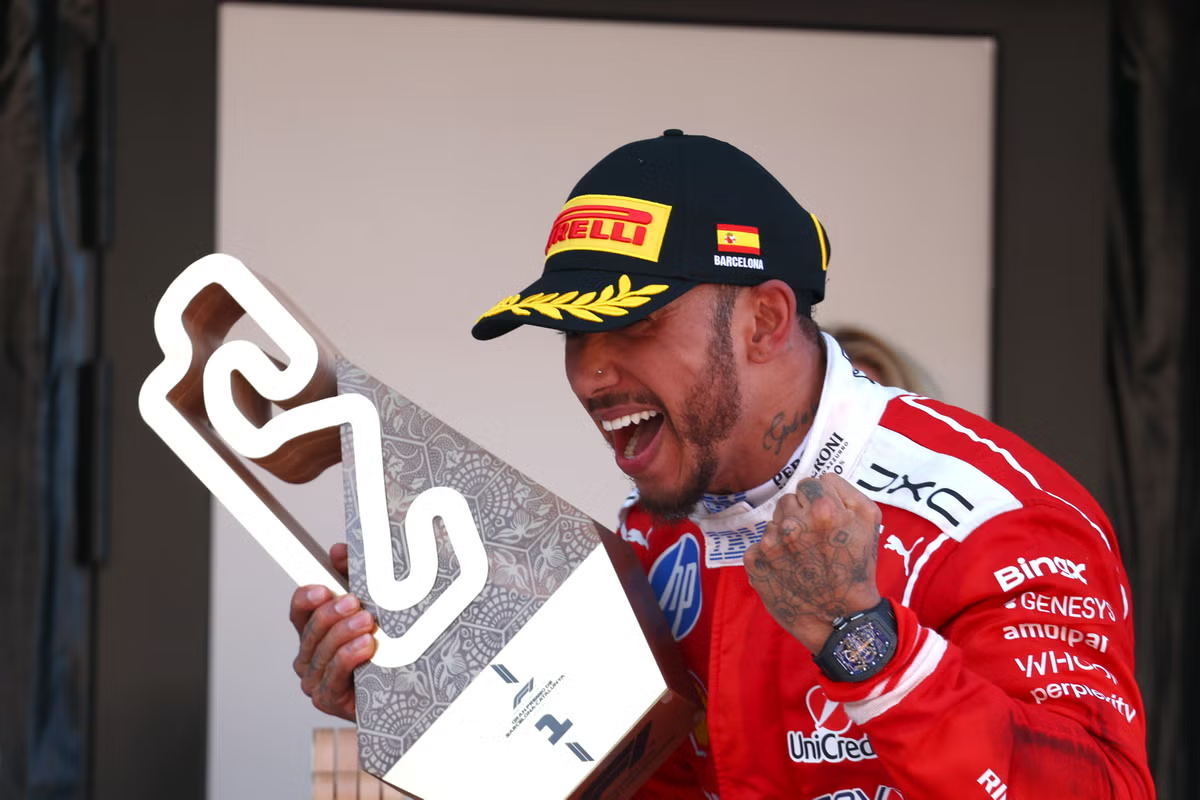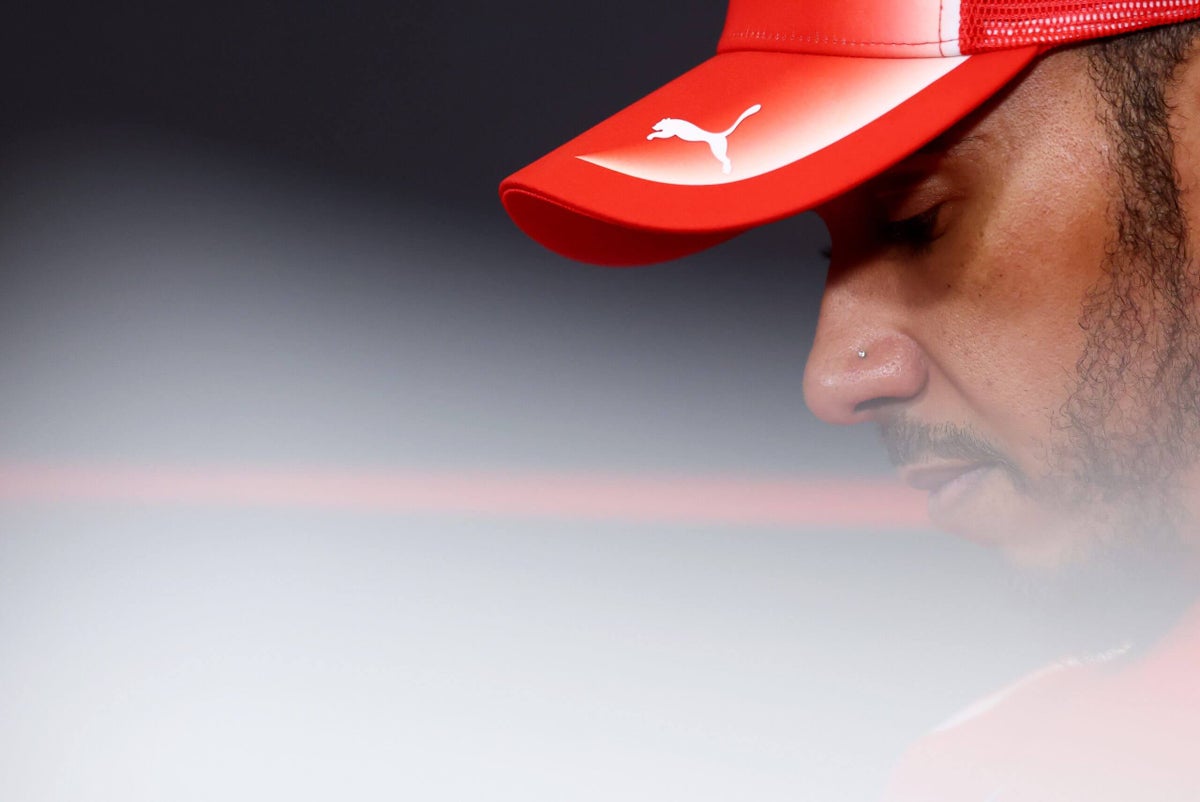
SPIELBERG, Austria — The hopes around Ferrari came to a screeching halt in the Styrian mountains.Just a couple of weeks ago in Barcelona, Lewis Hamilton secured the team’s first victory of the season after an ambitious three-stop strategy and a well-timed virtual safety car. Ferrari looked competitive, as if it had taken a step forward in closing the gap to leaders Mercedes.After all, the Italian outfit has been bringing big upgrades throughout the year, and Hamilton was being touted as a possible championship contender after moving second in the drivers’ standings.Coming into the Austrian Grand Prix weekend, Ferrari brought with it an engine upgrade, and intrigue surrounded the team as the paddock tried to assess how much of a step forward — or backward — that could be. In qualifying second and third, the Ferraris split the Mercedes’ George Russell and Kimi Antonelli, making it look like the Austrian GP could be another uptick, even with the long straights that have been Ferrari’s “Achilles’ heel,” as Hamilton described the weakness after qualifying.But race day painted a different picture. The lack of pace was evident as Hamilton finished fifth and Charles Leclerc ended his day eighth, behind the Mercedes duo of George Russell and Kimi Antonelli, Max Verstappen’s upgraded Red Bull and Oscar Piastri’s McLaren.“It’s more of a reality check,” Hamilton told reporters after the race.“We don’t know why we were so competitive on Sunday in Barcelona. That’s a very strong track for me. I chose a strategy that I thought, from experience, I knew would work. With the deg (tire degradation) that we had, it was like 2021.“Then today we were hit more with reality, which is we still have a good car but are down compared to Mercedes just on pace. They just are quicker and we still have to keep developing.”Ferrari’s British driver Lewis Hamilton has his car wheeled back in to the garage during the qualifying session in Austria. (Darko Bandic / POOL / AFP via Getty Images)When looking at Ferrari’s weekend, Saturday’s qualifying painted a somewhat misleading picture. Leclerc indicated in the post-qualifying news conference that Friday “was a very tough day for the team” as they struggled. He later said, “We changed quite a lot. Not big steps, but a little bit everywhere, so it ended up being quite a big difference.”Come Saturday, Ferrari made “a big step forward,” Leclerc said. “I did not expect, and as a team we did not expect, to be in front of the McLarens particularly and close to the Mercedes.”The key detail missing from the picture is Max Verstappen’s crash in Q3, which was caused by a car issue. Russell, who secured pole position and the race win, had to lift on his flying pole position lap due to the single yellow in that zone. Meanwhile, Antonelli made the mistake of aborting his lap, thinking there were double yellow flags.Hamilton offered a warning of what was to come Sunday: “It’s going to be very tough to challenge them.”At first, it looked like the seven-time champion could contend. He and Verstappen battled tightly in the early stages, so much so the Red Bull driver suggested Hamilton should have had a penalty at one point when Verstappen went wide. The stewards, though, deemed the racing was fair.From there, the Ferrari simply lacked pace. Reflecting on the race, team principal Fred Vasseur felt perhaps the team was “too focused on Mercedes,” adding, “We pushed too hard in the opening laps with both cars and then perhaps reacted too aggressively with the strategy, trying to stay with them when, realistically, that wasn’t our race today.”Hamilton embraced a three-stop strategy again, a choice he made even when the team told him that option would be four seconds slower. Given the high temperatures Red Bull Ring experienced as the heat wave settled across Europe, Hamilton felt the tire degradation would be high.Leclerc also did a three-stop strategy and suffered from low grip, particularly in the rear tires. He pointed out that “car characteristics swings a lot of performance,” noting how they were on the backfoot in the race compared to the others. But Leclerc didn’t think the issue came from the upgrades because the upgrades were “quite straightforward.”Lewis Hamilton and Charles Leclerc finished fifth and eighth respectively in Austria. (Andrej Isakovic / AFP via Getty Images)With the technical regulation overhaul, this season will be an upgrade development race.Ferrari has consistently brought upgrades throughout the first portion of the season, aiming to close the performance gap to Mercedes, but there’s questions around whether it can maintain that rate of development given the budgetary restrictions of the cost cap.Mercedes team principal Toto Wolff said Sunday he was surprised by Ferrari’s “huge” upgrades. “They need to be running out of money soon, cost cap money, because we can’t do that,” he said. “We’re simply lacking the buffer in cost cap to be able to bring so many parts in the way they do.”There’s still 14 races remaining on the current calendar, and other teams likely are pacing their upgrade packages. Ferrari could be either front-loading the season or have more wiggle room if they sacrificed in other areas, like salaries.Silverstone will be another tricky weekend, though not just for Ferrari. The track features long straights and not many braking points to recharge their batteries, just like Austria. Leclerc believed the engine “will be quite important” at the British GP, while Hamilton said, “Maybe the deficit won’t be as big as here, I don’t know, but there are a lot more straights, so hard to say.”As the grid continues to learn more about their car packages, the pecking order will keep shifting.“As a whole, it’s difficult to understand the pecking order this year,” Leclerc said Sunday. “It goes from one extreme to the other, and when there’s a team that seems to be struggling massively one weekend, the weekend after they seem to be very strong.”
After the highs of Barcelona, Lewis Hamilton and Ferrari were ‘hit with reality’ in Austria
Lewis Hamilton went from the high of winning his first grand prix for Ferrari earlier this month to a fifth-place finish in Austria Sunday
987 words~4 min read