Two things happened in the same week.
A founder sent me a repository. Thirty thousand lines, built in three months with AI assistance. It compiled. The tests were green. In the demo it looked polished. In production it had five separate authentication flows, a test suite that verified return types rather than business logic, and a database schema that disagreed with the ORM in three different ways. I wrote about the patterns in detail in the previous article in this series. The short version: the code was locally coherent and globally incoherent, because no one had been in the role of architect.
Two days later, a senior developer I respect sent me a message. He'd integrated AI coding tools into his workflow six months earlier. He said his output had roughly doubled on everything that wasn't architecture-level work. He was shipping faster, making fewer typos in tedious boilerplate, and spending more time on the parts of the job he found interesting.
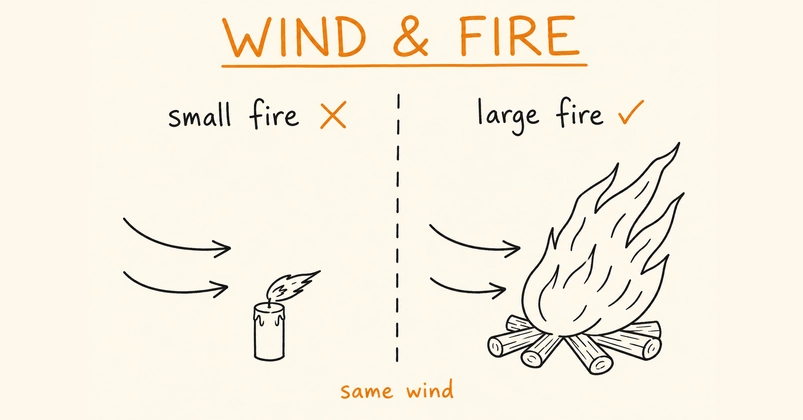
Same technology. Opposite results. That gap is not random.
Wind Does Not Have a Direction