Whether a U.S. president has the power to declare war is a matter of American constitutional law. That question can be answered doctrinally, politically, or historically. Whichever way, everything hinges on the year 1964. And the story told by the events of that year, and of the decades since, is the story of the slow erosion of congressional power.Article continues after advertisement
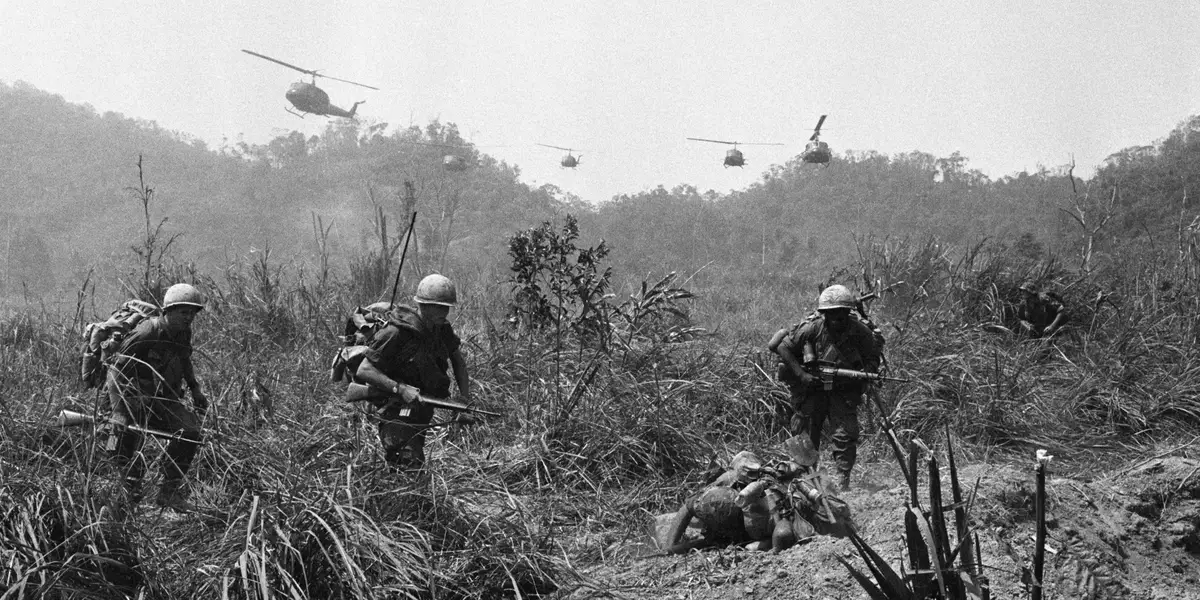
On August 2, 1964, North Vietnamese torpedo boats attacked the U.S.S. Maddox in the Gulf of Tonkin. Following a much-disputed report of a second attack, President Lyndon B. Johnson ordered a bombing raid and asked Congress to pass a joint resolution of support. Johnson had been angling for such a resolution since the last weeks of 1963 and had begun discussing it in earnest the following February. “Being sprung from the loins of the Congress,” Johnson’s adviser Jack Valenti later said, “he was very, very disgruntled and discontented with the fact that we were messing around in Southeast Asia without congressional approval.” As a senator, Johnson had particularly objected to Harry Truman having sent troops to Korea without seeking support from Congress. If any president tried to get away with that while Johnson was Senate Majority Leader, Valenti said, “Lyndon Johnson would have torn his balls off.”