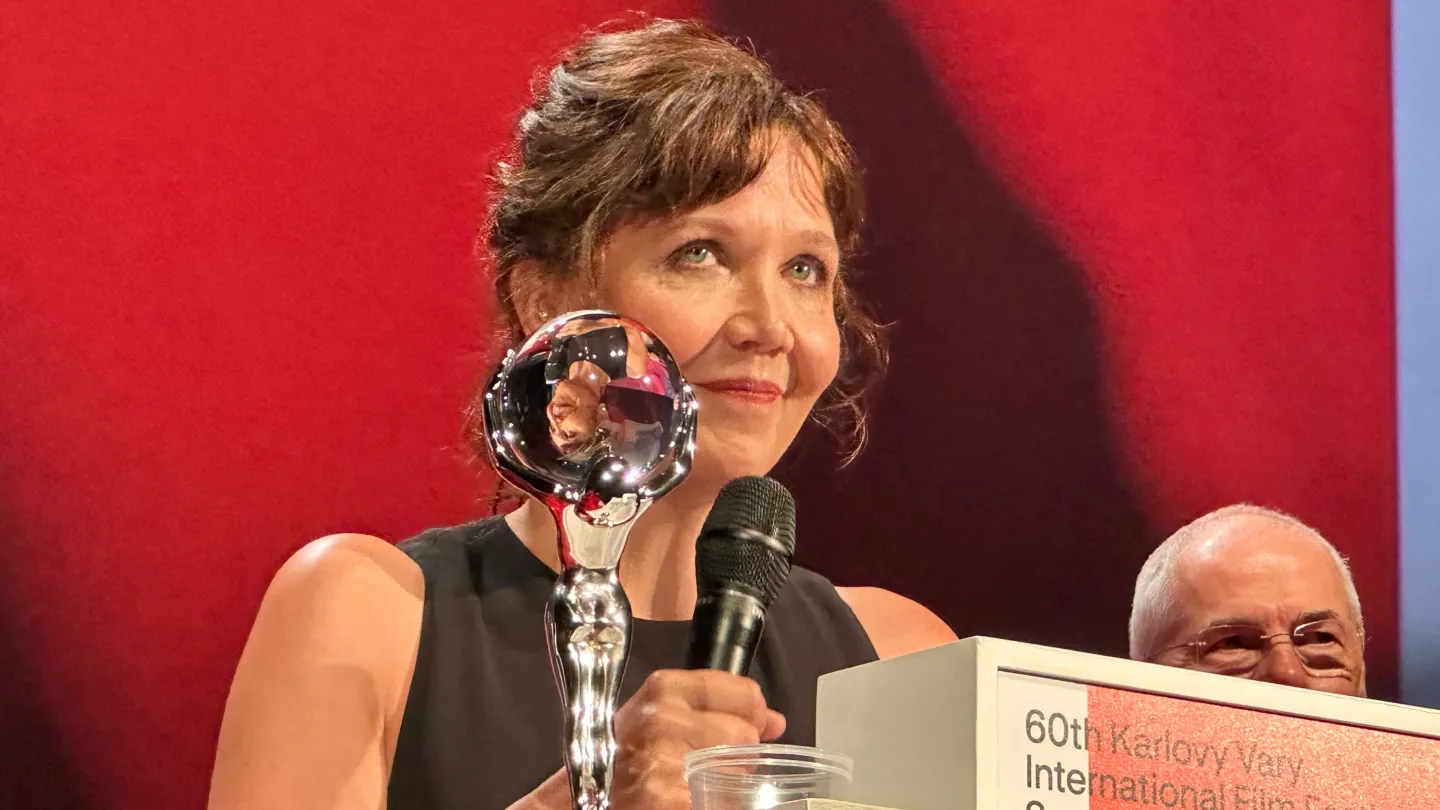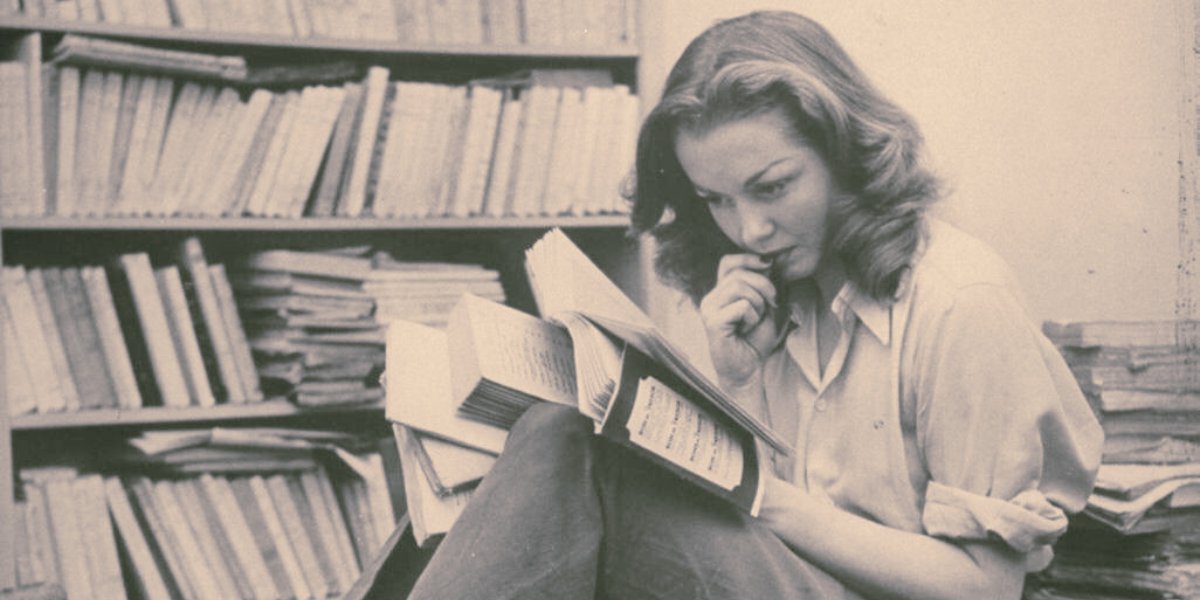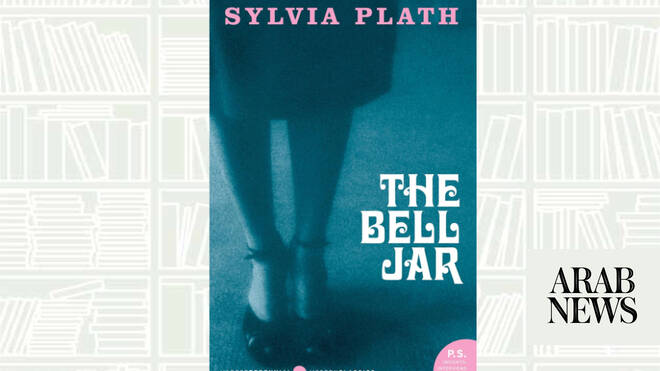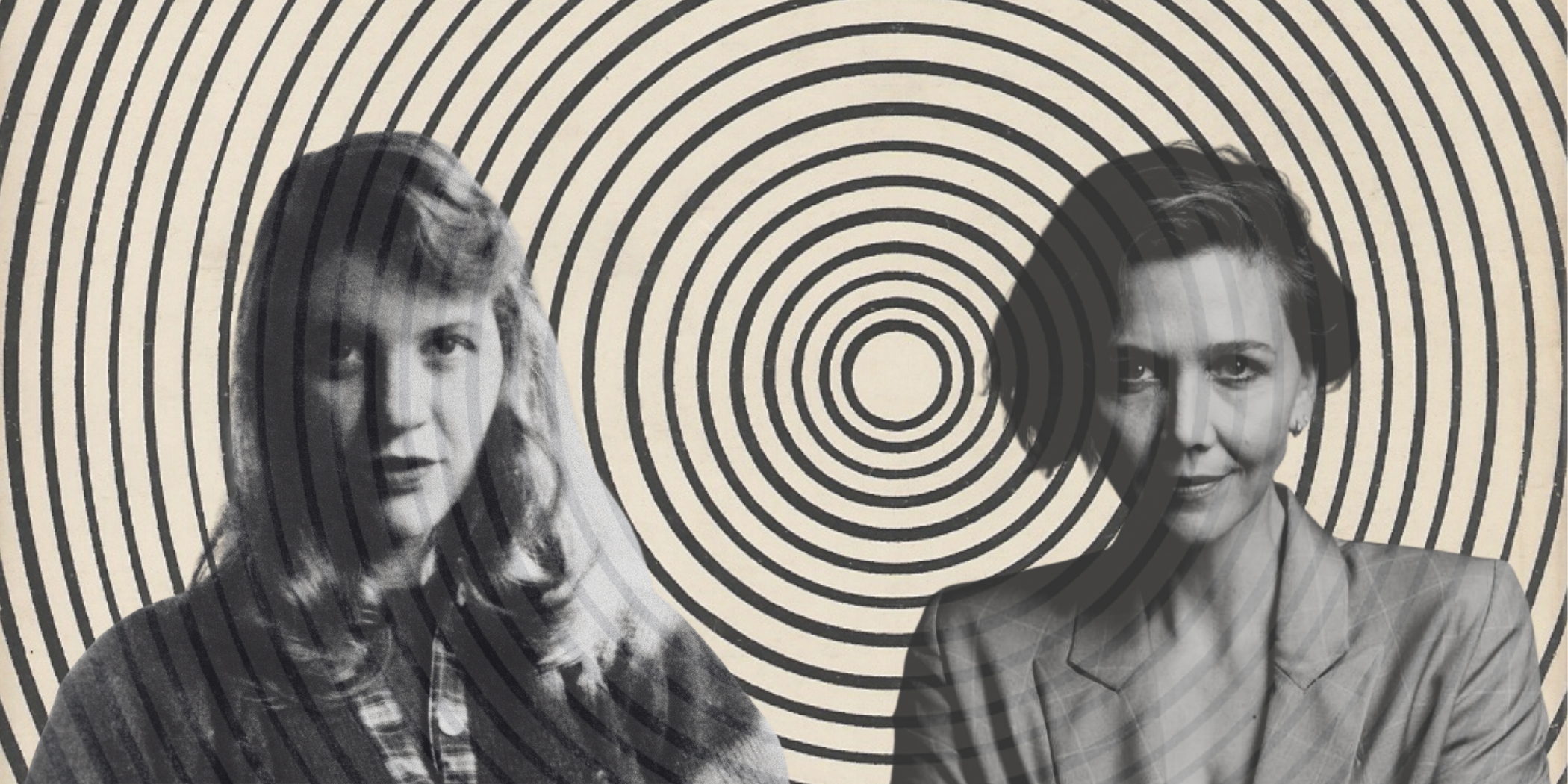
This essay began as a plea which turned out, as desires sometimes do, to be a little psychic (“That woman, I conjured her,” says Gwyneth Paltrow’s overwrought Plath in the failed 2003 biopic Sylvia, discussing Assia Wevill, the infamous “other woman” in the Plath-Hughes marriage disaster). In early March, gearing up to watch The Bride, I wrote a hasty note on my “Loving Sylvia Plath” Substack entreating director Maggie Gyllenhaal to adapt The Bell Jar and give us “the beautiful, disgusting, disturbing film full of poison and puke and violence that it deserves to be.”
The enthusiastic response I received on that usually tepid platform heartened me. People cheered; some hissed. Kathleen Connors, co-author with Sally Bayley of the groundbreaking Eye Rhymes: Sylvia Plath’s Art of the Visual, wondered, “How do you get to her, Emily?” which sent me briefly Googling “Maggie Gyllenhaal contact info” before my return to sanity. Perhaps I would conjure her. Despite my best efforts to disabuse the literary world of its witchy ideas about my favorite writer, the gothy teen who first fell in love with Sylvia’s work in the 90s still lives inside of me. And the truth is, in Plath world, the uncanny abounds. I fingered the jagged slab of concrete I once filched from the basement where Sylvia tried to take her life in August of 1953 and entreated her to hear me. The next day, it was announced that The Bell Jar was being adapted for the movies—by director Sarah Polley and starring Billie Eilish.