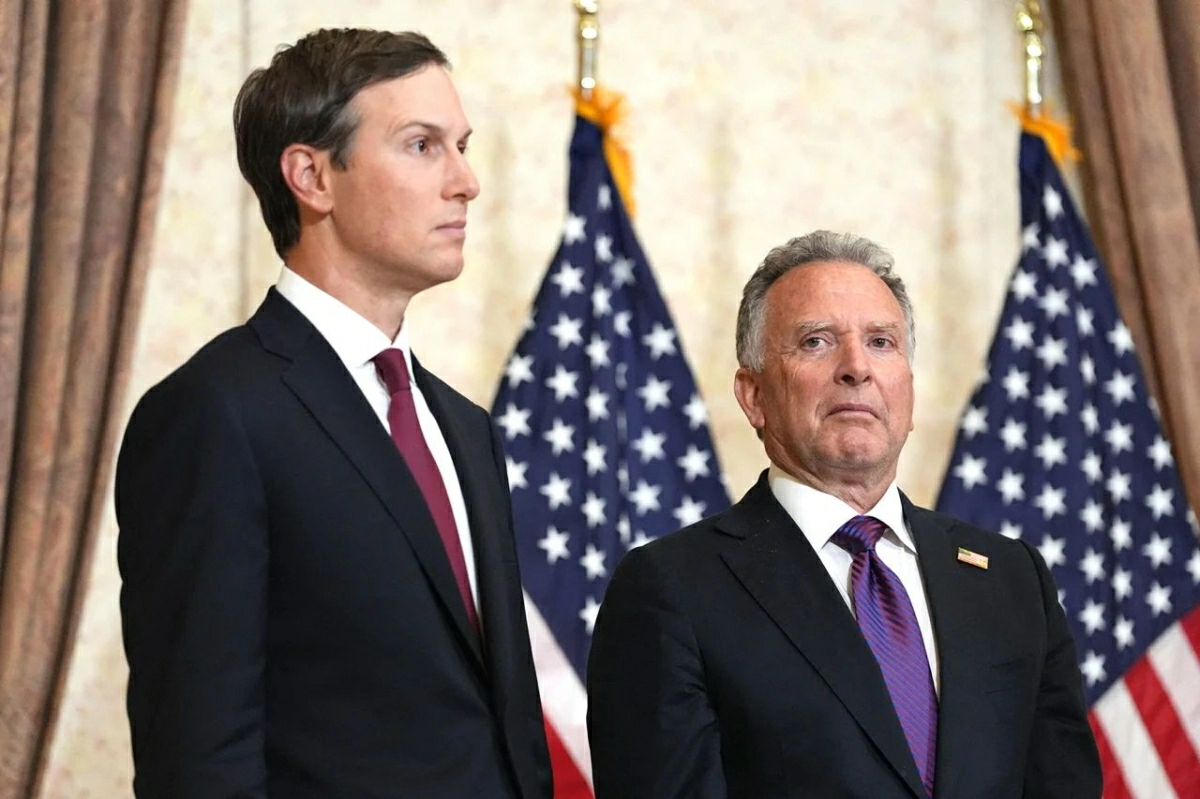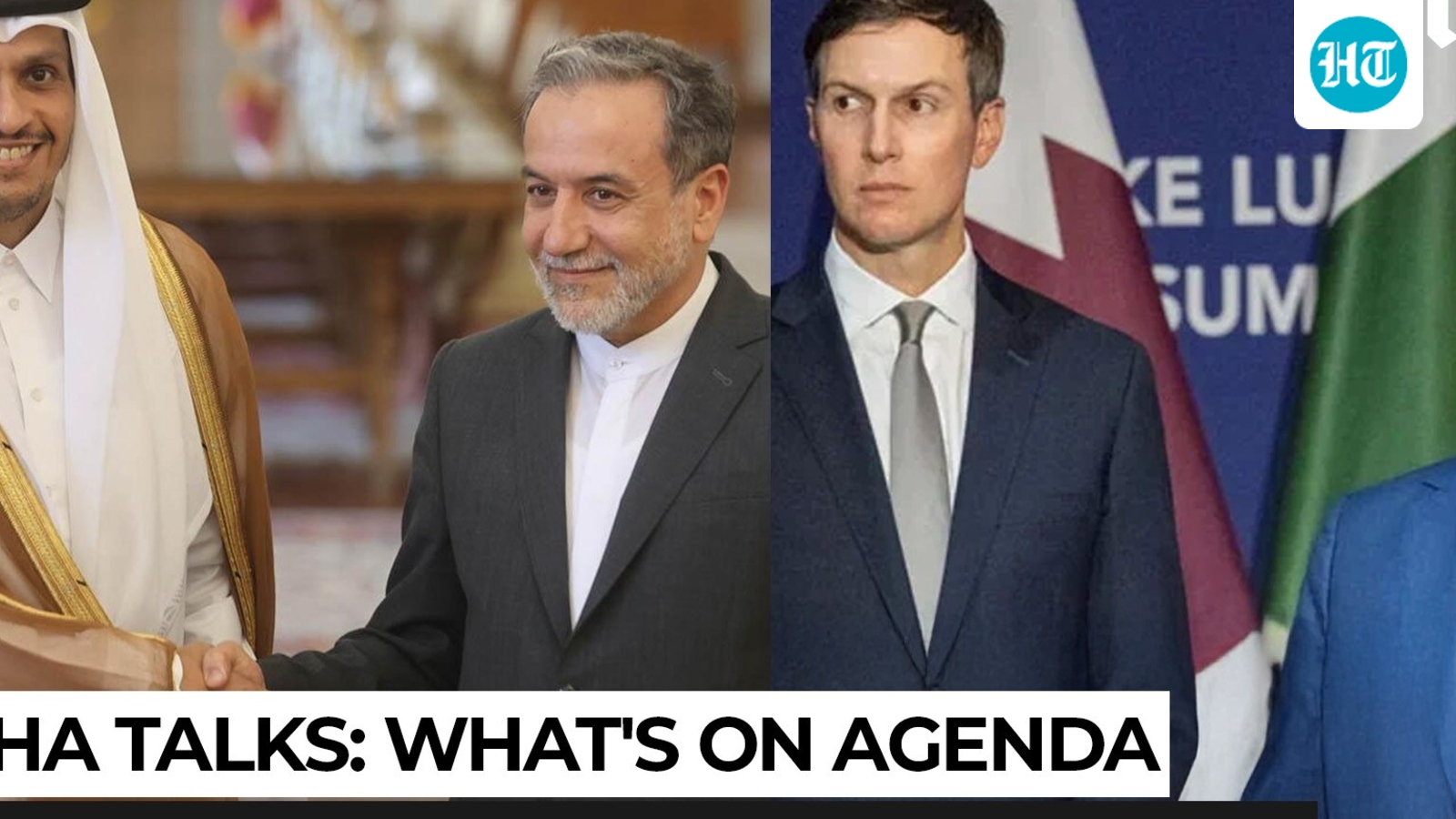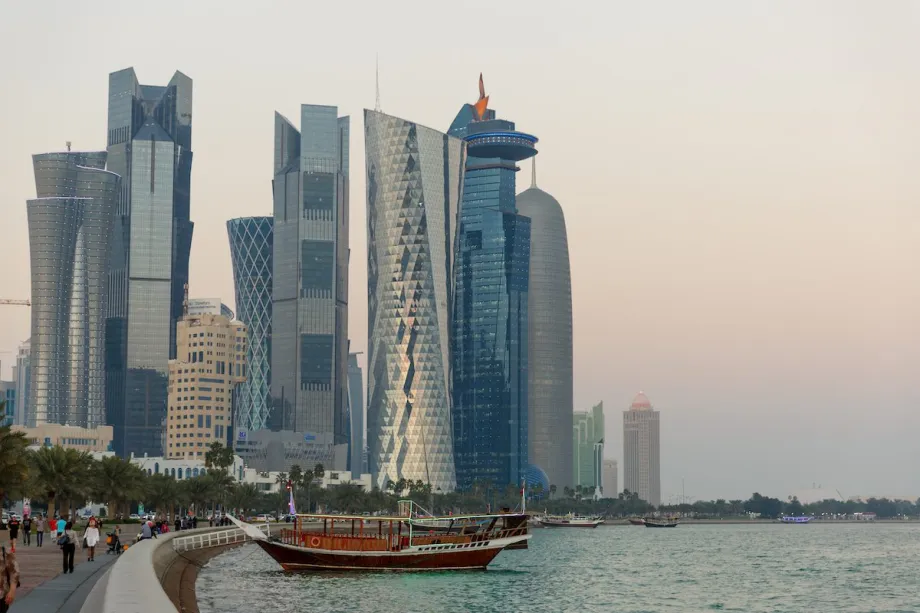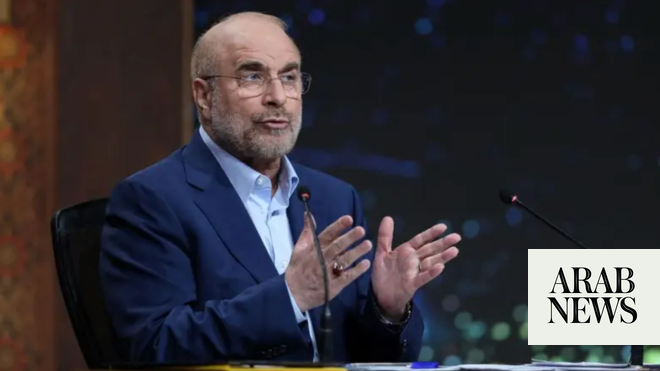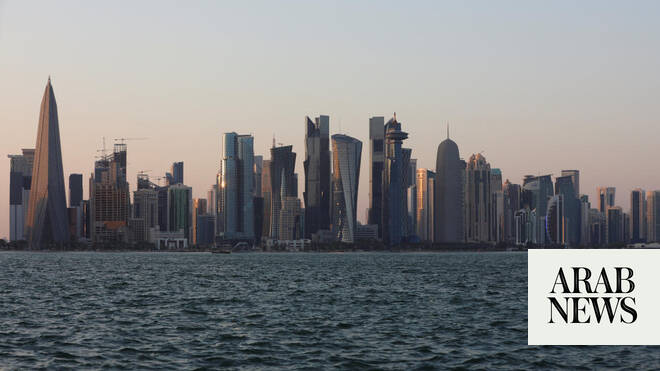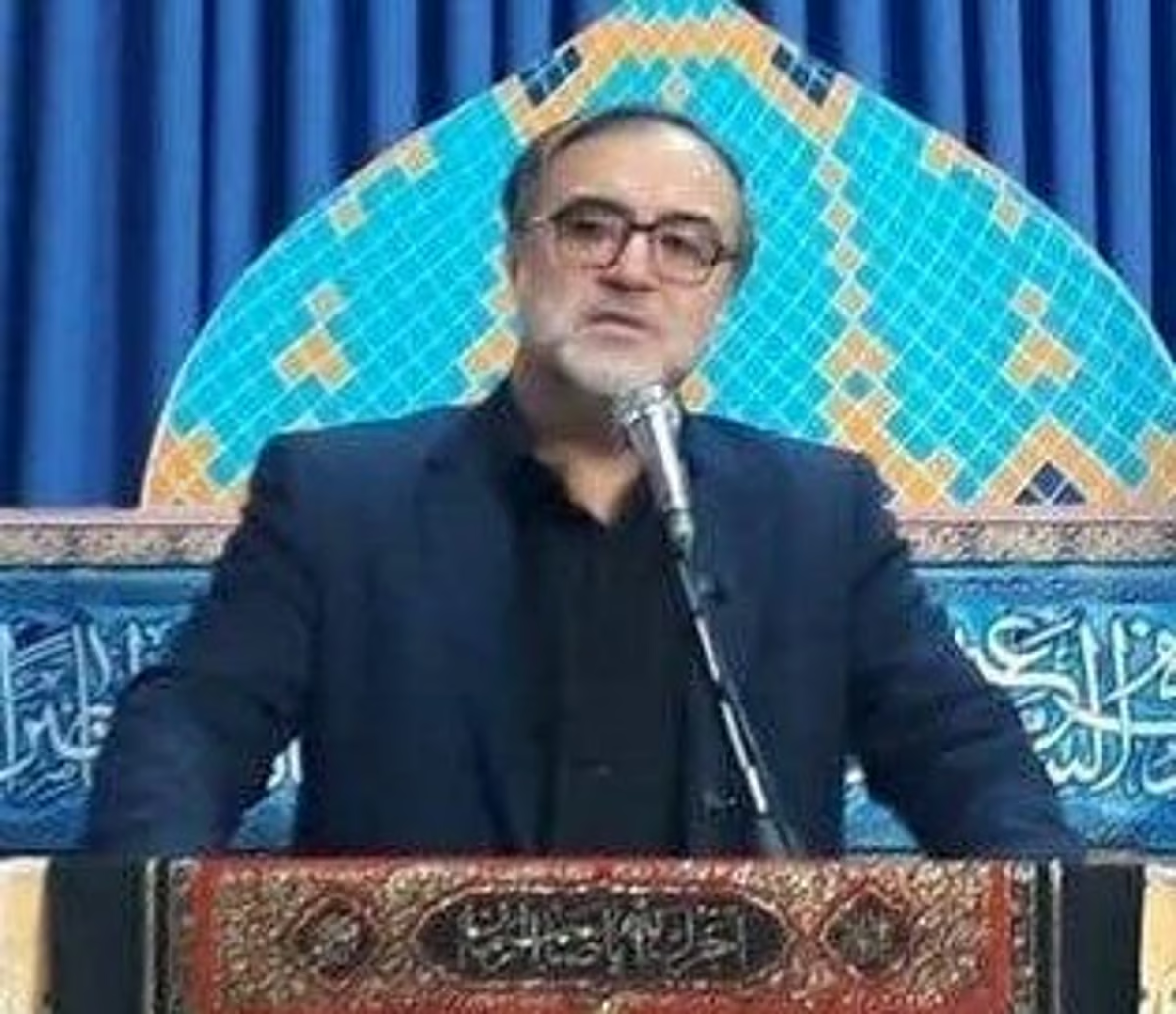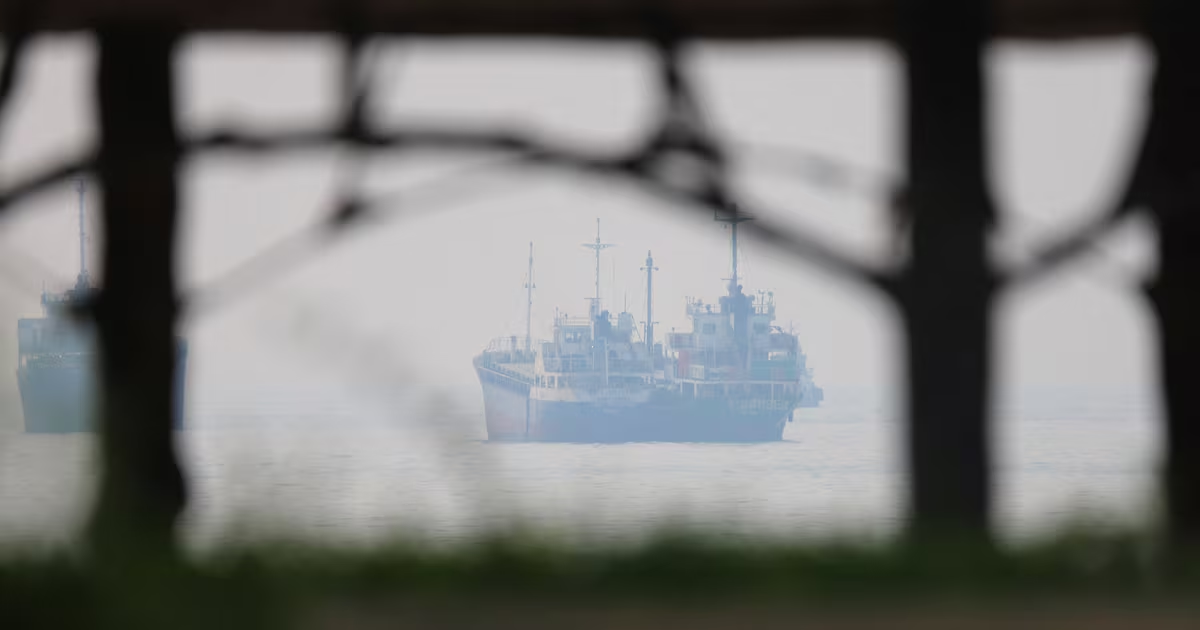
Indirect technical talks between Tehran and Washington were reportedly underway in Doha on Wednesday, with the release of frozen Iranian assets and the Strait of Hormuz expected to be among the central issues.Ahead of the talks, Tehran had said no direct meetings with US officials were planned in the coming days. Foreign Ministry spokesman Esmaeil Baghaei said discussions with Qatar would review how the interim US-Iran deal was being carried out and that steps to release Iran’s frozen funds were under way, while emphasising that key financial provisions remained unresolved.White House envoys Jared Kushner and Steve Witkoff were in Doha on Tuesday for talks with Qatari officials. AFPInfoQatar’s Foreign Ministry spokesman, Majed Al Ansari, said earlier that about $6 billion in Iranian assets held in Qatar had yet to be transferred to Tehran, underscoring one of the most sensitive elements of the arrangement.The talks come after weeks of heightened regional tensions and flare-ups in the Strait of Hormuz, a major artery for global oil and liquefied natural gas flows.Qatar has positioned itself as a key intermediary. Its Prime Minister, Sheikh Mohammed bin Abdulrahman, met Mr Witkoff and Mr Kushner in Doha on Tuesday to discuss the interim US-Iran framework and broader regional developments, including the fragile ceasefire in Lebanon.Qatar said all sides stressed the importance of consolidating the Lebanon ceasefire to preserve stability. Doha also reaffirmed its “continued mediation efforts” towards a “comprehensive and sustainable solution” to the US-Iran standoff.Iran’s leading negotiator, Parliament Speaker Mohammad Bagher Ghalibaf said Tehran would not enter talks on a final agreement with the US until Washington began implementing key parts of the June 17 interim deal. He cited Clause 13, which conditions the start of final negotiations on progress on earlier provisions. They include halting military operations, ensuring safe commercial passage through the Strait of Hormuz, issuing US waivers for Iranian crude exports and unfreezing Iranian assets.Mr Ghalibaf said Iran and Oman had “already reached agreement on all legal and service-related matters” covering maritime services in the strait, while emphasising that Tehran would not accept any challenge to its sovereignty over the waterway. In a wide-ranging interview aired late on Tuesday on state television, he described the strait as Iran’s “greatest instrument of power”, warning against what he called external attempts to “internationalise” its control.“These are our territorial waters,” he said. “We will not allow the US to create controversy or sophistry by claiming that Iran has militarised the Strait of Hormuz.”Iran and Oman have advanced a proposal that has been circulated to western governments for a voluntary fee system for ships transiting the strait, The New York Times reported. The idea marks a departure from the traditional no-fee passage system and has raised concern in Washington, where officials oppose any Iranian-led tolling mechanism.US Vice President JD Vance rejected the idea of Iranian-controlled charges on shipping through the waterway, calling it unacceptable for Tehran to impose tolls on global trade routes.Despite the tensions, Mr Ghalibaf said Iran had exported more than 40 million barrels of oil since the US lifted its blockade on ships using Iranian ports as agreed in the interim agreement.“From the day we effectively lifted the blockade until today, we have exported more than 40 million barrels of oil … this happened in just a few days,” he said. “In the previous 40 days, we didn't export even a single barrel of oil.”Part of his televised interview was cut as he touched on sensitive issues including Iran’s frozen assets and reconstruction financing.Mr Ghalibaf reiterated that the billions in frozen funds would go directly to Iran’s central bank, dismissing US claims about how the money would be spent.Play00:35Iran's Ghalibaf cut off during live state TV interviewUS President Donald Trump has at times considered escalating military pressure but has also kept a diplomatic track open, reflecting divisions in Washington over whether to intensify strikes or pursue a negotiated settlement.The interim framework linking US-Iran talks with regional de-escalation – including reduced tensions with Israel and Hezbollah in Lebanon – remains fragile.While shipping through the Strait of Hormuz has partially resumed and oil flows have stabilised compared with the peak of the crisis, both sides remain far apart. Tehran insists sanctions must be lifted and its frozen assets released first, while Washington wants firmer guarantees on security and tighter limits on Iran's military and nuclear activity.
Indirect US-Iran talks in Doha zero in on frozen assets | The National
Ghalibaf says final negotiations on hold until US begins implementing key parts of interim deal
721 words~3 min read