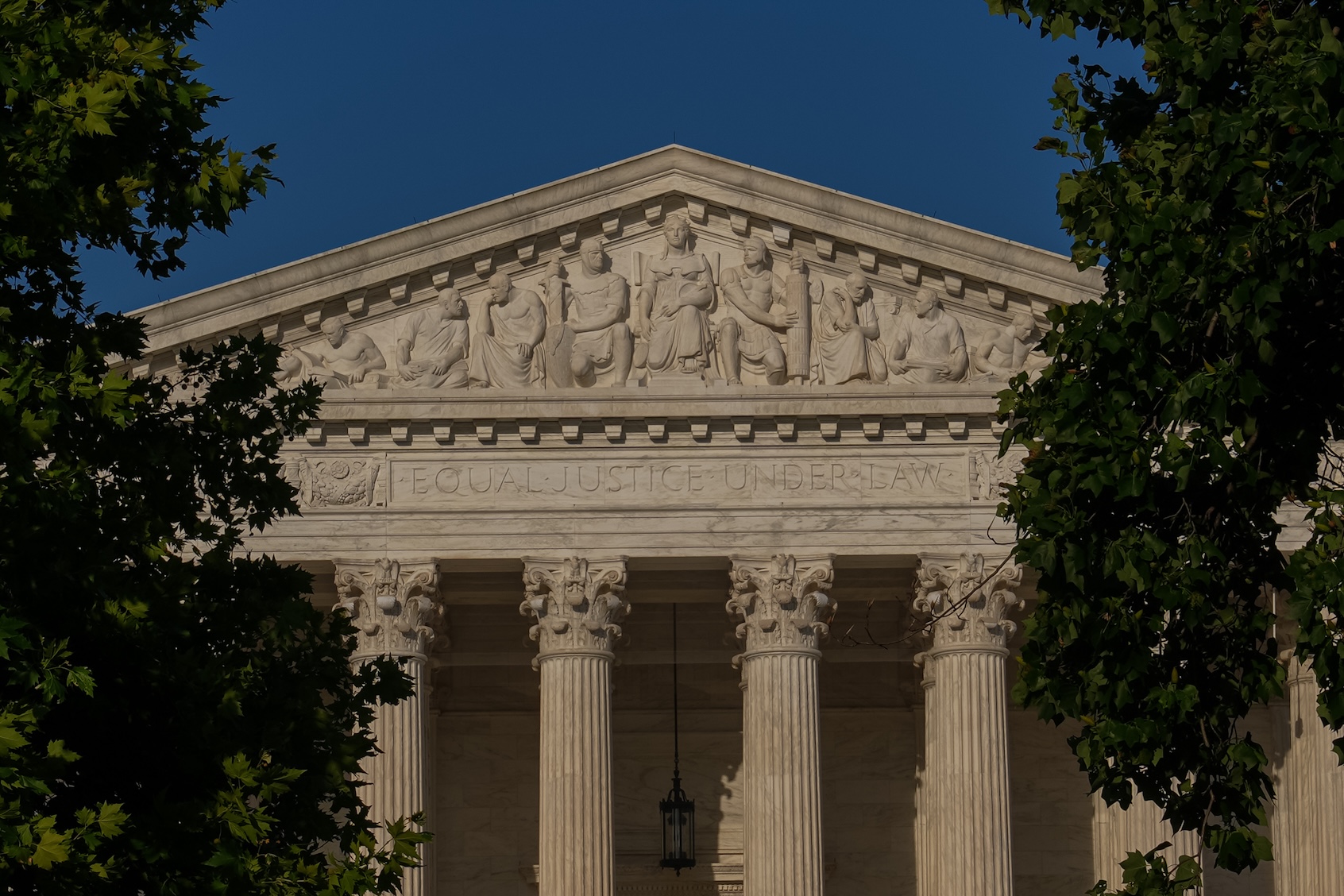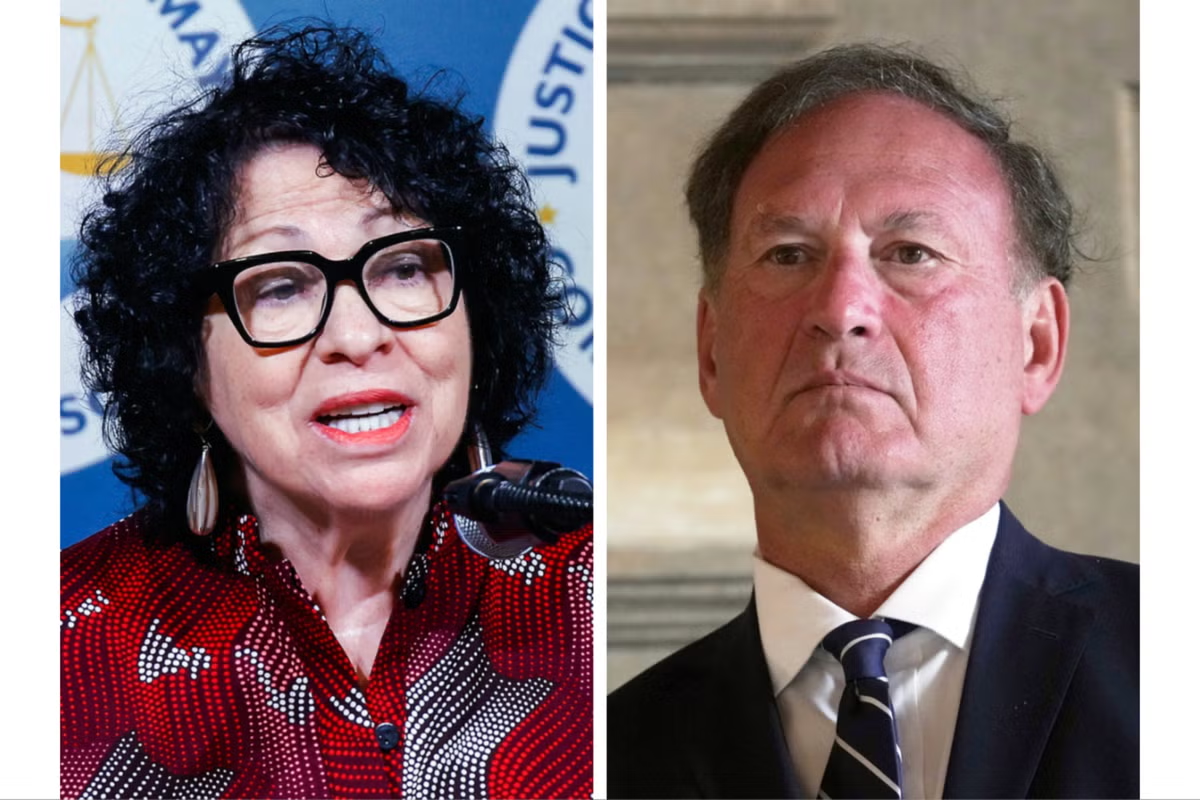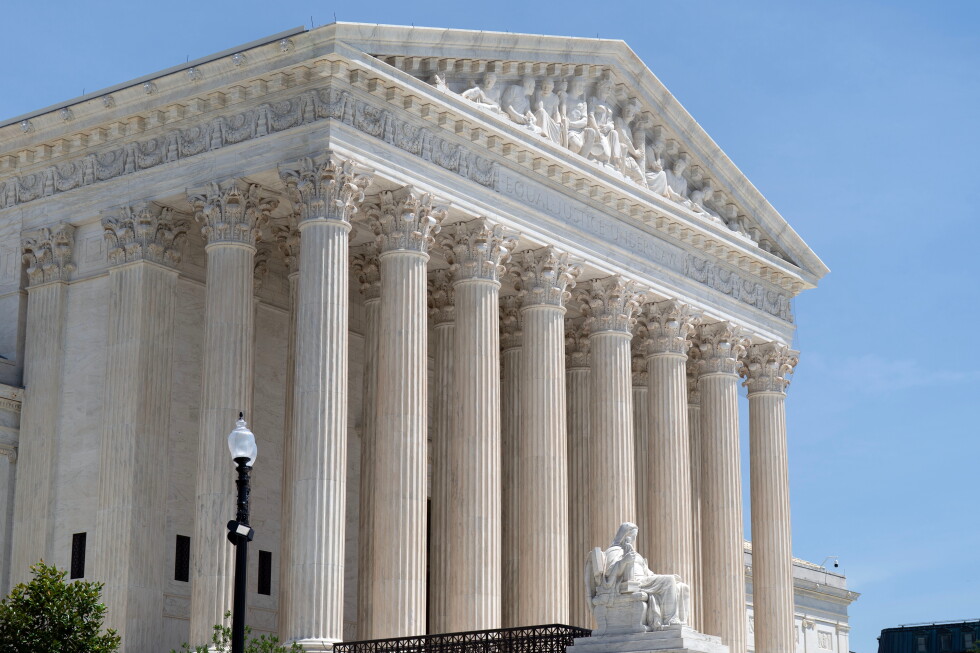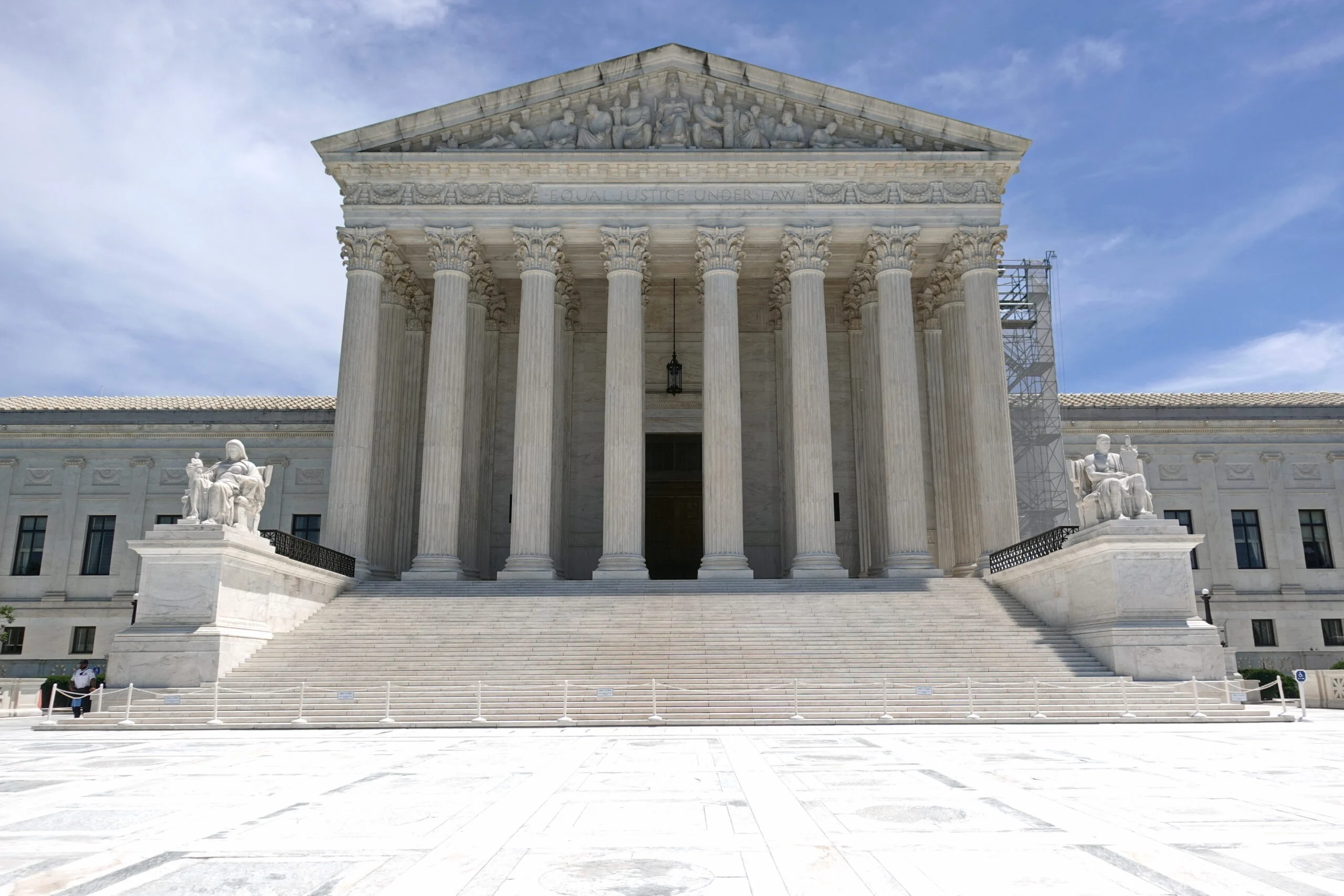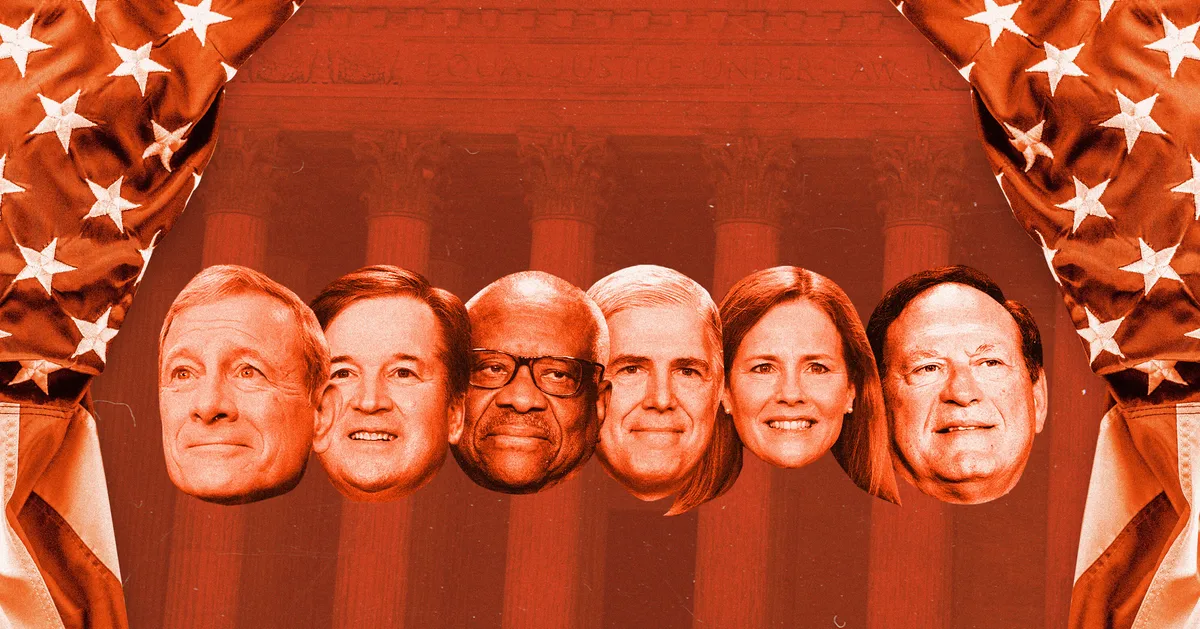
In its term that ended last October, the Supreme Court passed an important milestone that went unnoticed: For the first time, it decided more cases by secret ballot, and with few signed opinions, than it did for cases argued in open court.
These decisions, which make up the court’s “shadow docket,” are a fast-track way to get a decision from the top court. They rarely include arguments, have limited briefings and have expedited timetables, and justices infrequently provide explanation of how they voted or to cite legal precedent.
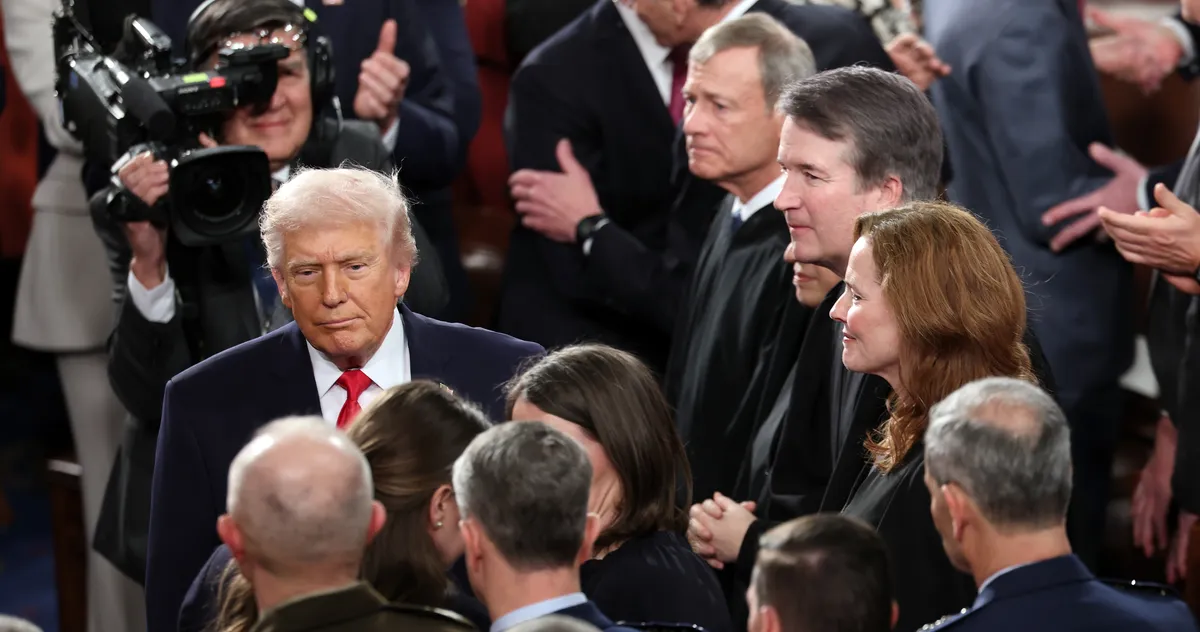
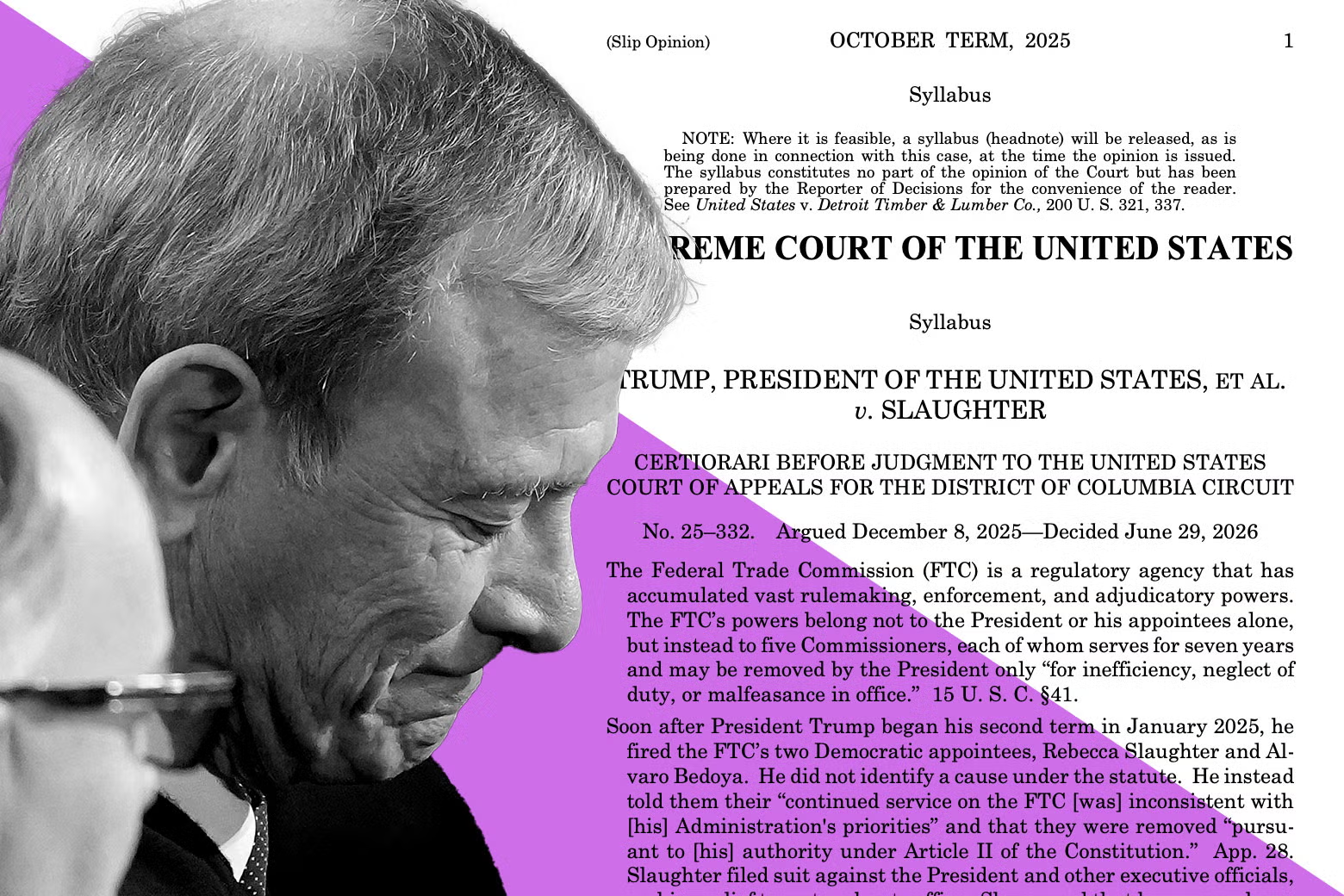
The Supreme Court’s increased willingness to bypass its regular process has empowered President Donald Trump at the same time as the administration has increased use of executive authority. The court has repeatedly green-lit policies of his that lower courts have blocked — and has done so with little to no explanation.
These emergency decisions have thrown lower courts’ processes into turmoil and have sometimes directly contradicted longstanding legal precedent. The outcomes have been consequential: The high court has used the process to limit federal courts from issuing nationwide injunctions and diminished Congress’ authority over federal agencies, and it has allowed for the detention of American citizens by immigration agents.