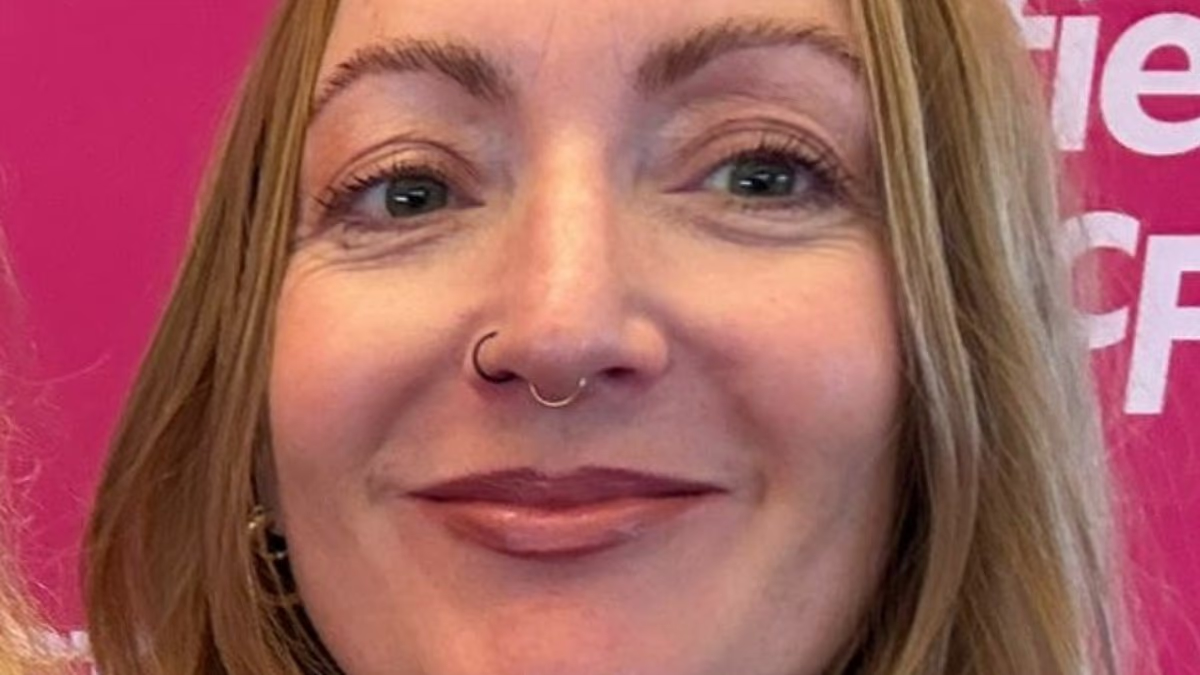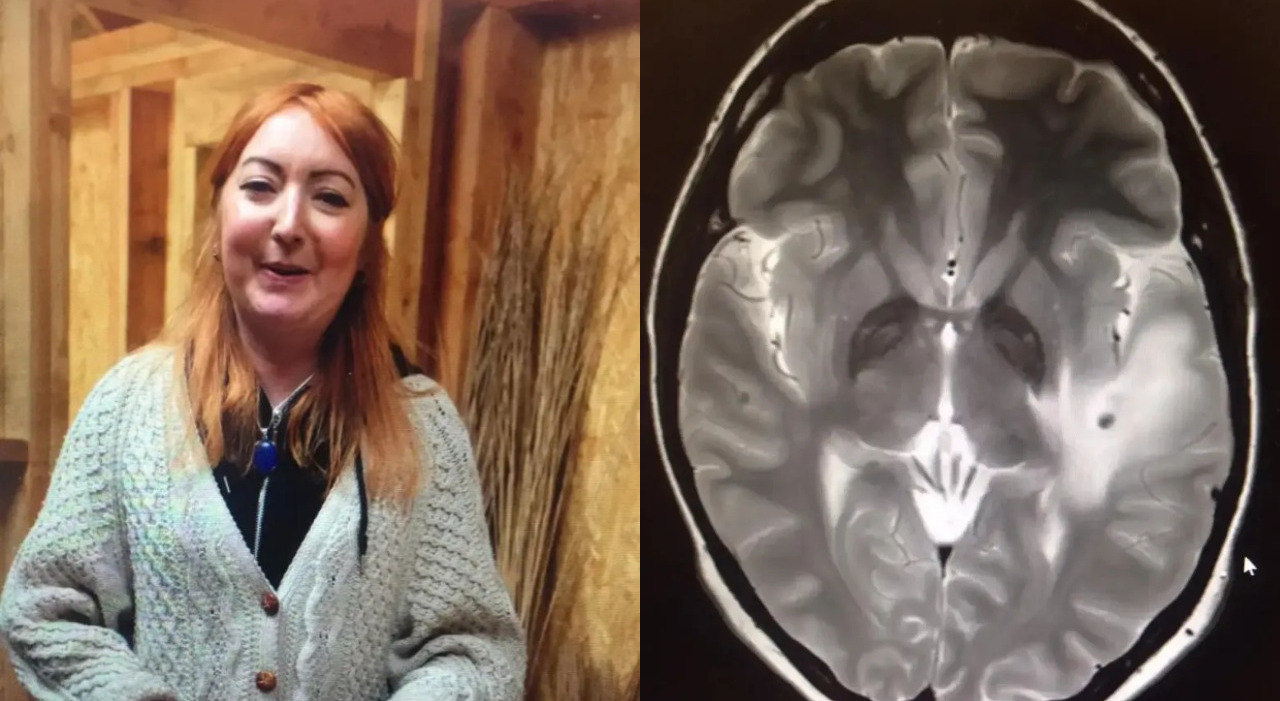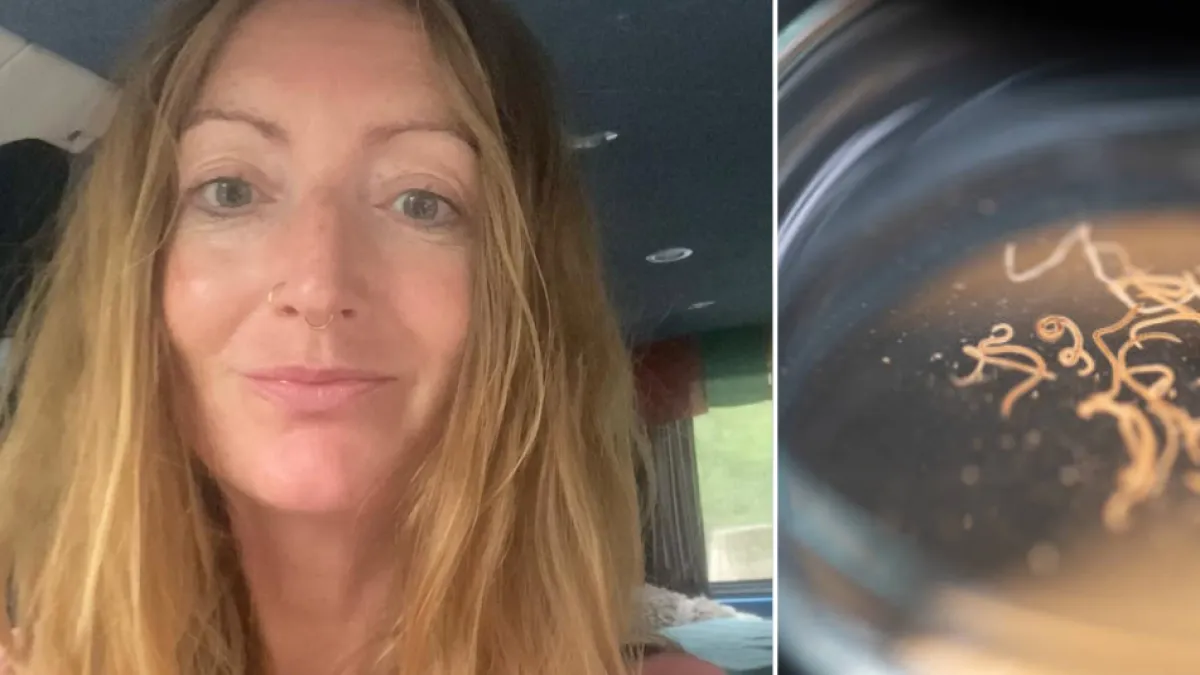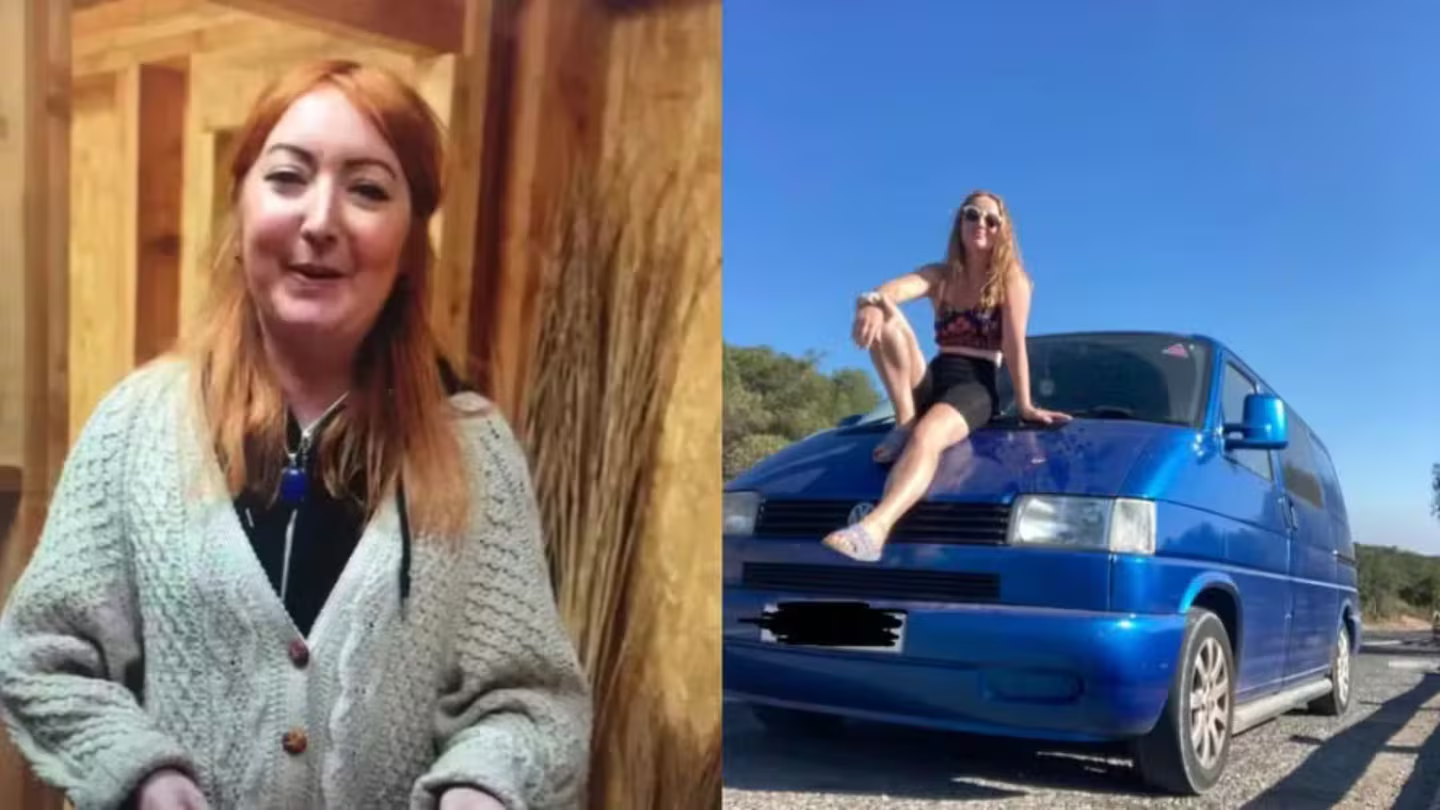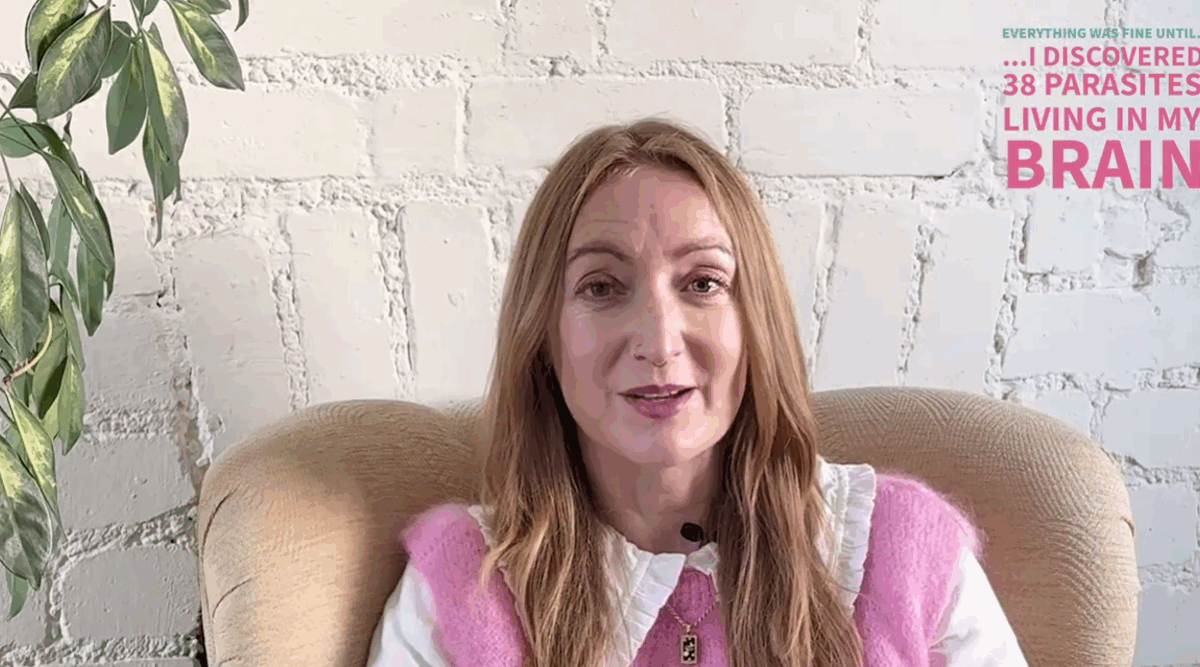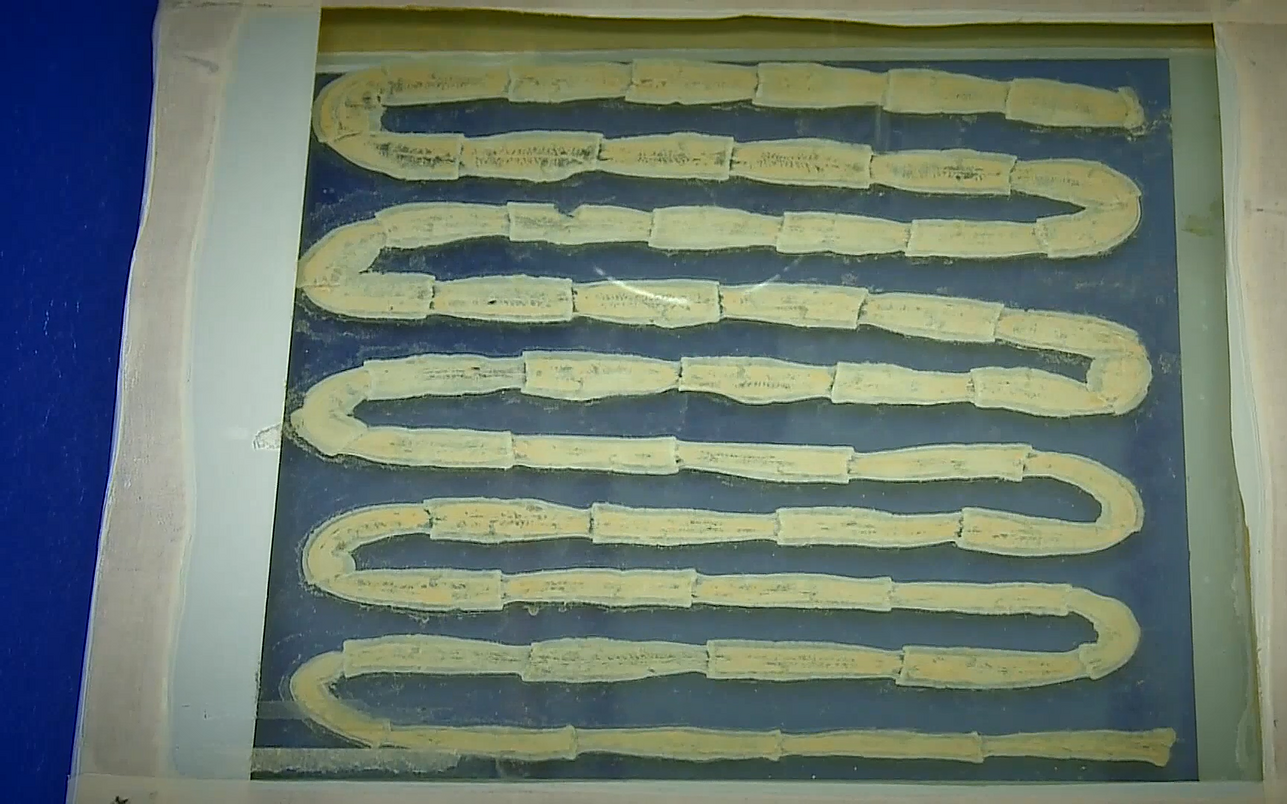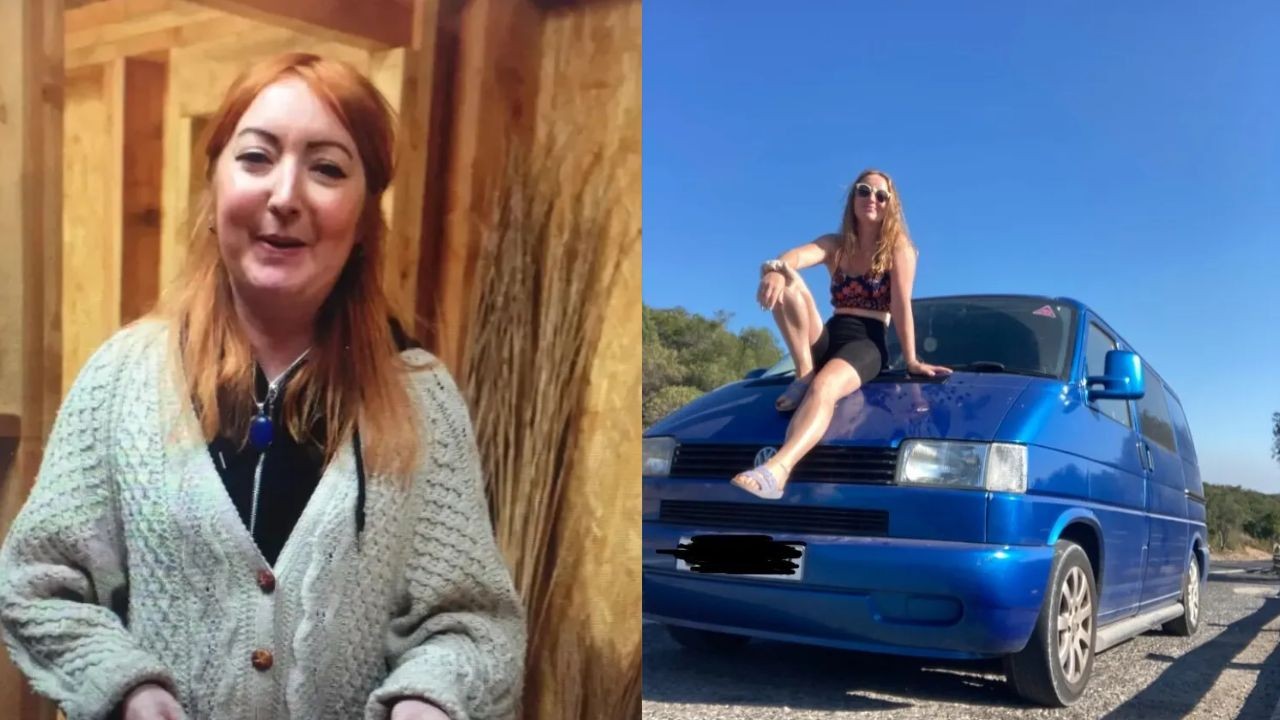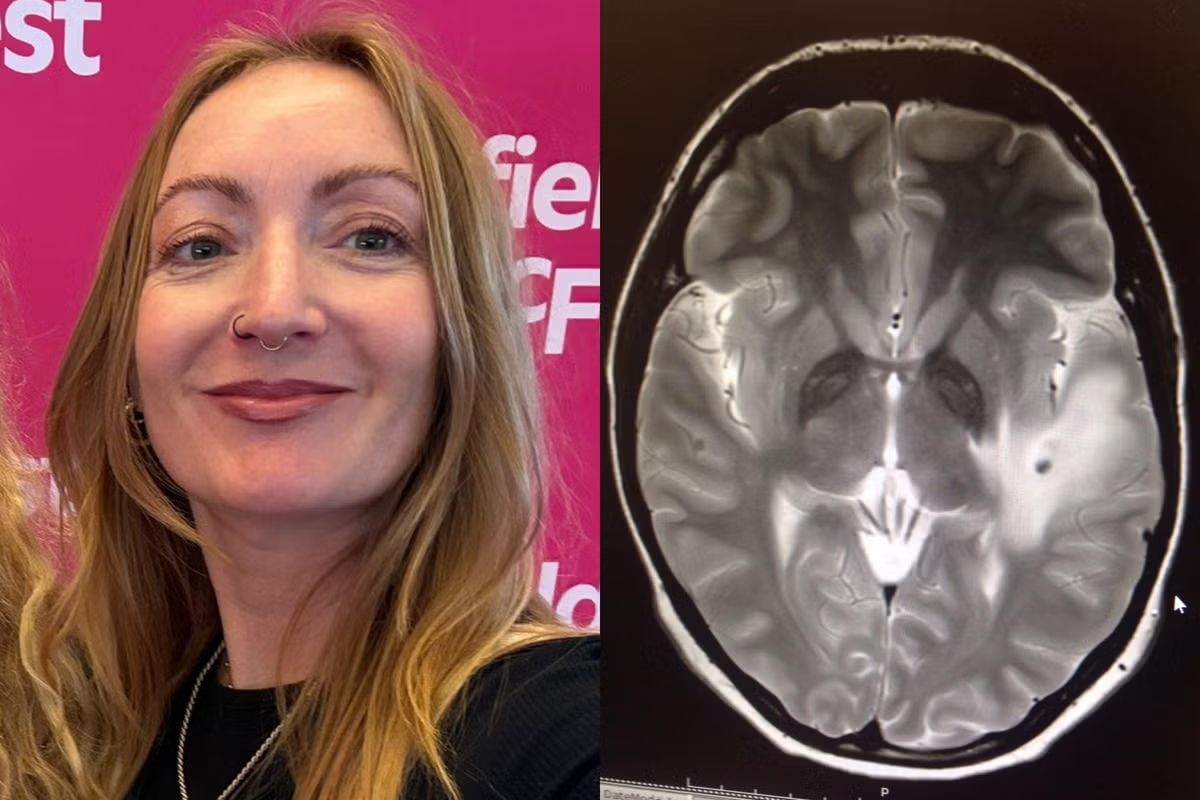
A woman who developed 38 brain parasites after contracting a tapeworm on a trip to India battled a decade of seizures, psychosis and uncertainty about her future after suffering repeated flare-ups of the parasitic infection.Cardiff-based Lowri Denman, 42, embarked on a two-month trip to India with her friend in 2007, when she was in her mid-twenties. She travelled around the country and fell in love with its culture, and was grateful she didn’t contract so-called ‘Delhi belly’ – sickness and diarrhoea experienced by travellers who consume bacteria or viruses that their body isn’t accustomed to.However, four years after her trip, she said she went to use the toilet and ended up passing a metre-long tapeworm. She had no symptoms or signs that anything was wrong, but after seeing a doctor she was confident that the worst was over and she carried on with her normal life.Then, Lowri said she began experiencing “really bad headaches”, which she had never suffered from before, and in 2011 she suffered a tonic-clonic (grand mal) seizure – which is characterised by stiffness, loss of consciousness, and jerking movements, according to the NHS.She immediately sought medical advice and, after waiting three months for a brain scan, Lowri learned she had neurocysticercosis – a parasitic infection of the brain caused by the larvae of the pork tapeworm.Lowri said: “It was just so disgusting to think that these things were in my head.”Lowri travelled India for two months in 2007 (PA)When she was travelling in India in 2007, Lowri said she decided to keep to a vegetarian diet to reduce the risk of food-borne illnesses.However, according to the World Health Organisation, tapeworms and neurocysticercosis can be caused by water contaminated with tapeworm eggs or poor hygiene practices.Neurocysticercosis is developed when a tapeworm infection is left untreated, as larvae build up in the central nervous system. It is the most severe form of the disease, and a common cause of seizures.After receiving her diagnosis, Lowri was treated for epilepsy while doctors consulted tropical disease experts across the globe to decide on a course of action for eliminating the parasites.Lowri lost her driving licence due to the risks of having a seizure behind the wheel, and her independence took a hit: she was advised not to do certain things, like having a bath, while at home alone in case she had a seizure, and since she lived alone she found it particularly difficult.Lowri’s seizures continued as the correct dosage of epilepsy medication was ascertained, and she began to experience anxiety about leaving the house.“There was one, it was lunchtime, and I was just walking around Cardiff on my own,” she said.“Luckily I was on the phone to my mate, and I said, ‘I don’t feel well’, then I passed my phone to a stranger on the street. Then the next thing, I come around and my mate who I was on the phone to was there, and she was like, ‘You’ve had a fit again’.“Obviously, I was really cautious then, just scared of being anywhere, and that happening.”Lowri in 2016, at the peak of her illness (PA)Meanwhile, Lowri was given steroids and albendazole, which is used to treat a wide variety of parasitic worm infections. For a time, things calmed down and her seizures reduced, but in 2015 Lowri said the parasites caused a serious flare up as they “weren’t dying off as they’d expected”.Doctors then tried her on another anti-worm medication, praziquantel, as well as the albendazole and steroids, and while she said the medication would initially start killing the parasites and taking the swelling down in her brain, when she weaned off the medication the swelling would return in a different part of her brain.“This went on for at least a year, where I was getting more and more ill, more anxious,” she said.“I had to give up work, had to move home to be taken care of, and then it got to a point where I went on Personal Independence Payments (PIP), and I wasn’t capable of filling out the forms on my own.“For someone that’s extremely independent and capable and lived on my own most of my life, I was like, what the hell is going on here?”Lowri then started experiencing more severe paranoia, worrying about getting enough sleep, struggling with how the medication made her look and feel – the steroids made her face swell, and she didn’t feel like herself.“It was just getting worse and worse and worse,” she said.“I just wanted to go back to work. I just wanted a normal life, and I didn’t feel comfortable being in social settings. I didn’t want to leave the house, really.”“The swelling was coming back and forth all the time, so they were trying to figure out what medication to put me on,” she added.“They put me on methotrexate, then, which is a chemotherapy drug, so I was worried my hair was going to fall out. It made me really tired, but then steroids would make me really energetic, so there was loads going on, on top of the worries of not getting better.”In September 2016, Lowri was admitted to a neuropsychiatric ward for three months due to her declining mental health, and was prescribed mood stabilisers and anti-psychotics on top of her other medication.“I was having panic attacks, I thought I was going to die, I think, and then that turned into paranoia, and then the psychosis came out,” she said.“I wasn’t stable at all, all these thoughts and crazy things were going on in my head.”Lowri and her friend of 20 years, producer Nicola Brown, are raising £25,000 to fund the project (PA)Lowri explained that it is difficult to ascertain whether the symptoms were because of the parasites directly, or due to the stress and trauma of her prolonged treatment.“It just built into this huge thing at that point, nobody could tell me when I was going to get better,” she said.Eventually, in January 2017 Lowri was able to leave hospital and move back in with her dad. By then, she was 34, and desperately wanted her life back.“I didn’t look myself, and I was also really paranoid,” she said.“I kept asking my friends, anyone that could come and visit me in hospital, to ask, what did I do?“Because I thought I was going to be on the news for doing something terrible.“I thought I’d done this mad stuff, and I didn’t know what I’d done.”Now, Lowri is fit and healthy, and her seizures are managed by her medication so she has not experienced a fit for 10 years.During her recovery, Lowri was desperate to find more information about her illness and to connect with others who had been through the same, but found there was very little information available to her beyond what she learned from her doctors.Now that she’s feeling stronger, she wants to share her story with the world. She plans to do so with a 12-part podcast which will delve into her personal journey along with interviews with consultants and experts in tropical diseases, insights on neurology, and more.“I spent my whole thirties being ill and anxious and worried, and now I’ve moved into my 40s, I want to do something positive with that negative thing – help other people, and not just feel like I’ve lost all of this time.”Through Crowdfunder, Lowri and her friend of 20 years, producer Nicola Brown, are raising £25,000 to fund the project, which was shortlisted for 2025’s The Whickers Podcast Pitch Award.To find out more about the project and to donate, visit www.crowdfunder.co.uk/p/38-parasites-podcast or @38parasitespodcast on Instagram and 38parasitespodcast on Facebook.
I came back from India with 38 brain parasites – here’s what happened next
Lowri Denman, 42, battled a decade of seizures, psychosis and uncertainty about her future
1,269 words~6 min read