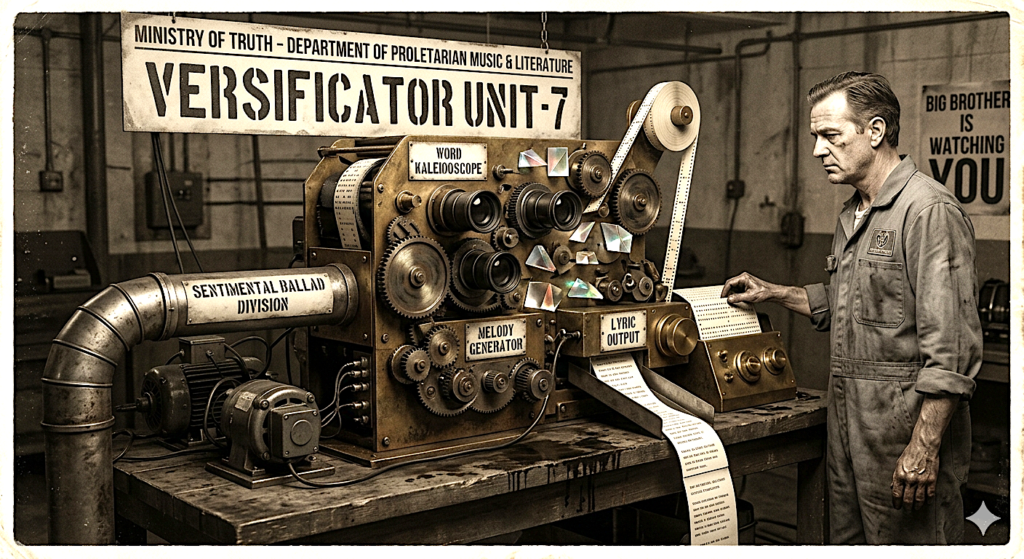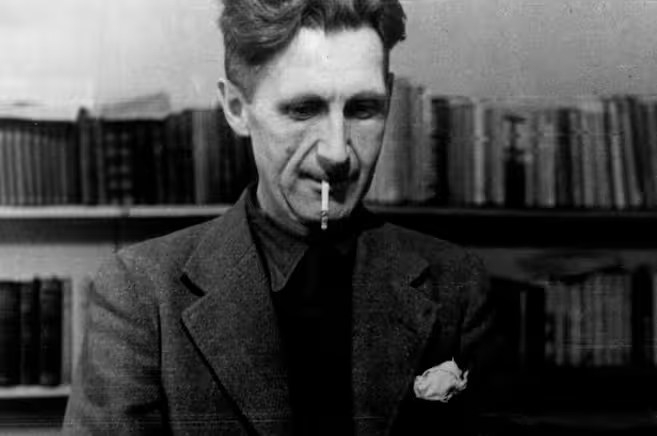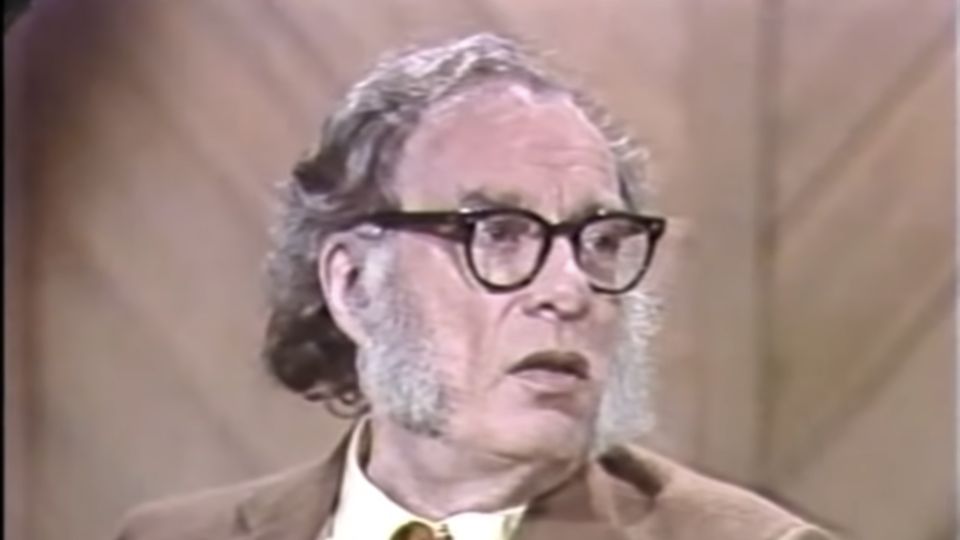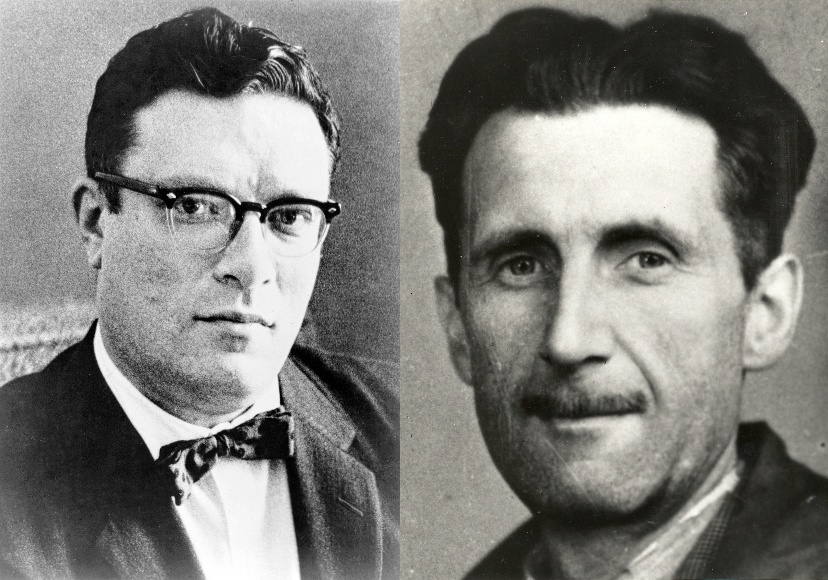
Here in the twenty-twenties, a young reader first hearing of George Orwell’s Nineteen Eighty-Four would hardly imagine it to be a work of science fiction. That wouldn’t have been the case in 1949, when the novel was first published, and when the eponymous year would have sounded like the distant future. Even as the actual nineteen-eighties came around, it still evoked visions of a techno-totalitarian dystopia ahead. “So thoroughly has 1984-ophobia penetrated the consciousness of many who have not read the book and have no notion of what it contains, that one wonders what will happen to us after 31 December 1984,” wrote Isaac Asimov in 1980. “When New Year’s Day of 1985 arrives and the United States is still in existence and facing very much the problems it faces today, how will we express our fears of whatever aspect of life fills us with apprehension?”
The occasion was one of a series of syndicated newspaper columns that Asimov seems to have published each new year. At the dawn of Nineteen Eighty-Four’s decade, the syndicate asked him to revisit Orwell’s novel, which had already been a common cultural reference for decades. As a work of science fiction (the genre for which his own name had practically come to stand), he finds it lacking, to say the least. “The London in which the story is placed is not so much moved thirty-five years forward in time, from 1949 to 1984, as it is moved a thousand miles east in space to Moscow,” he writes. Far from attempting to imagine the future, in Asimov’s view, Orwell simply converted the England he knew into a dreary Stalinist-type state. Apart from certain implausible surveillance systems, the setting is “incredibly old-fashioned when compared with the real world of the 1980s.”