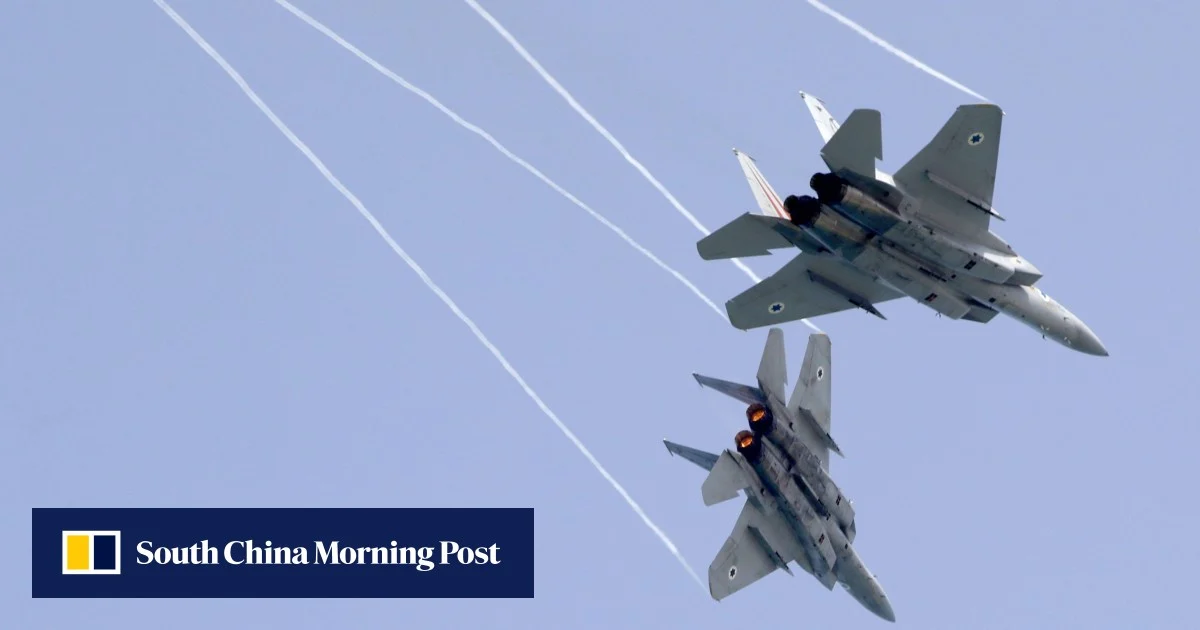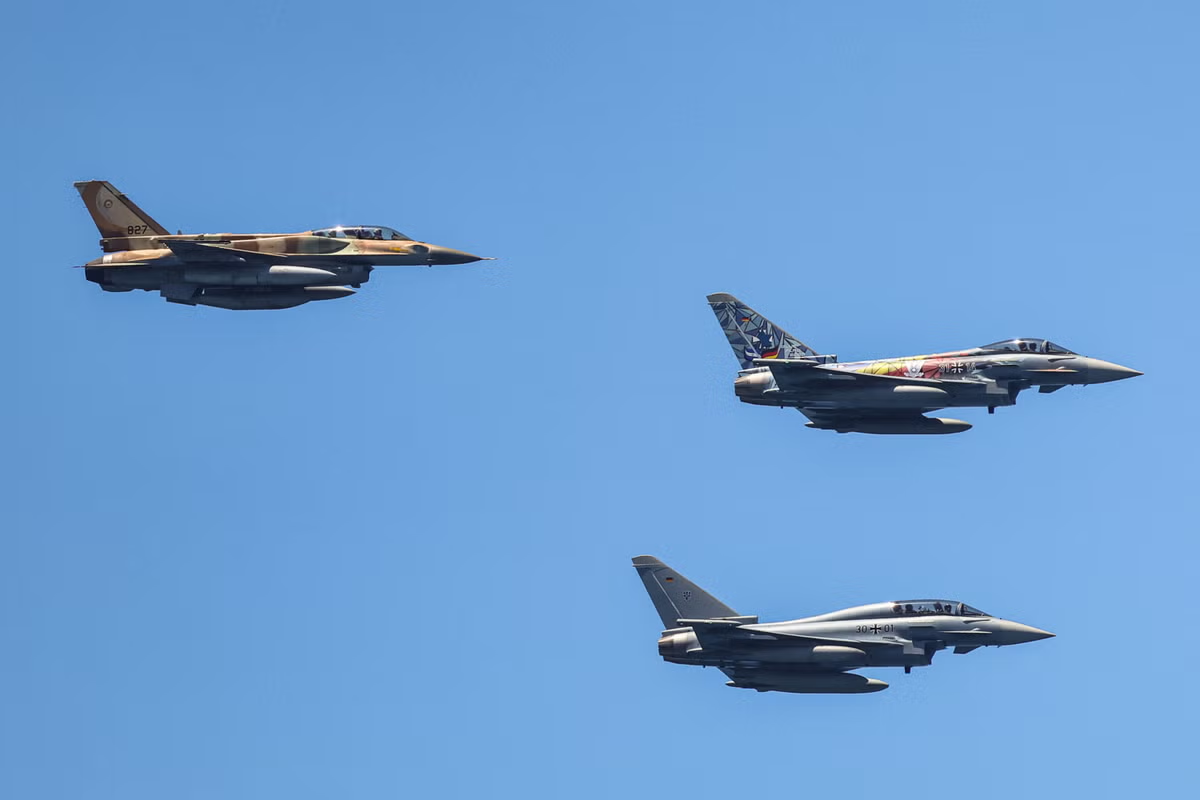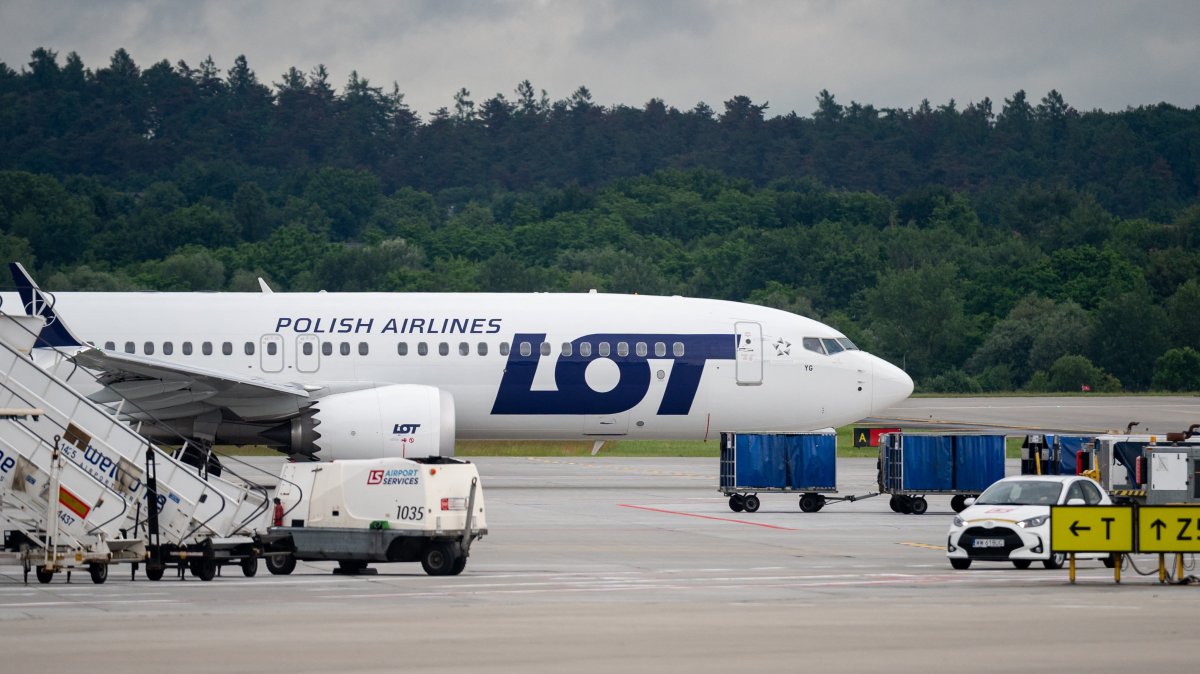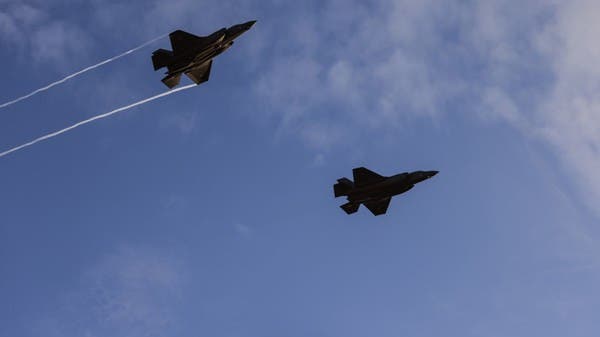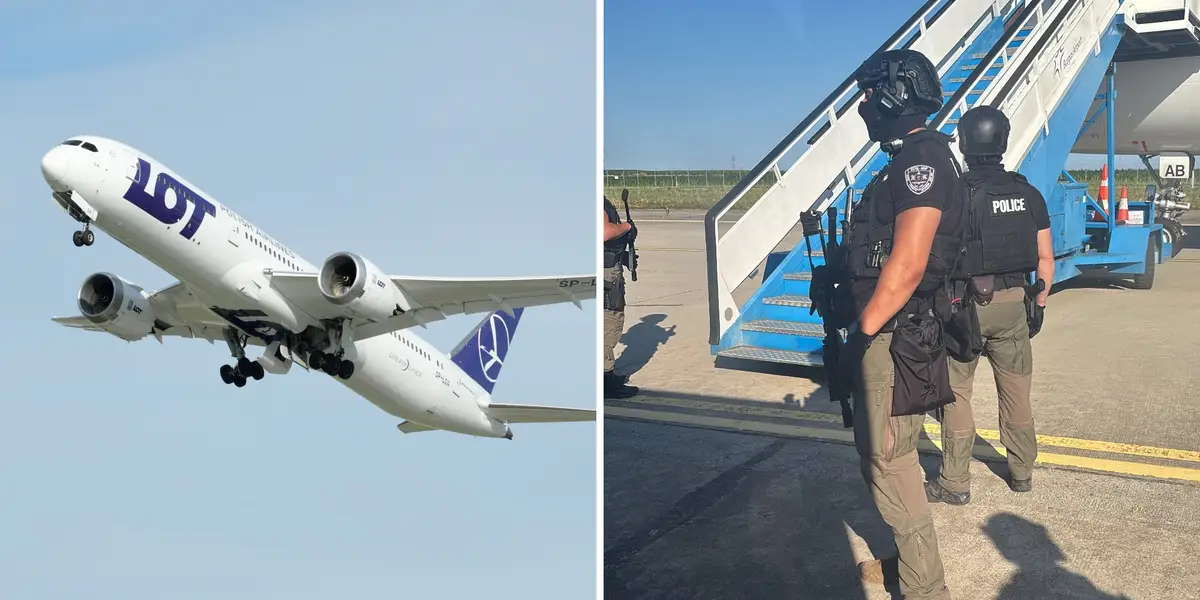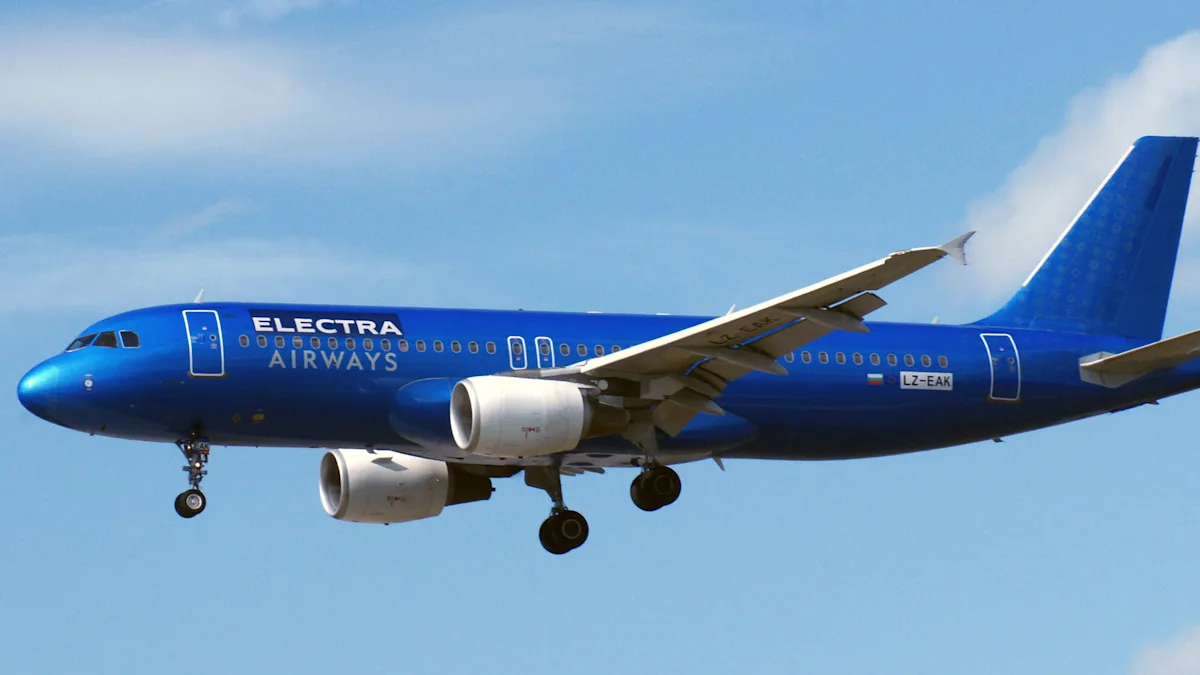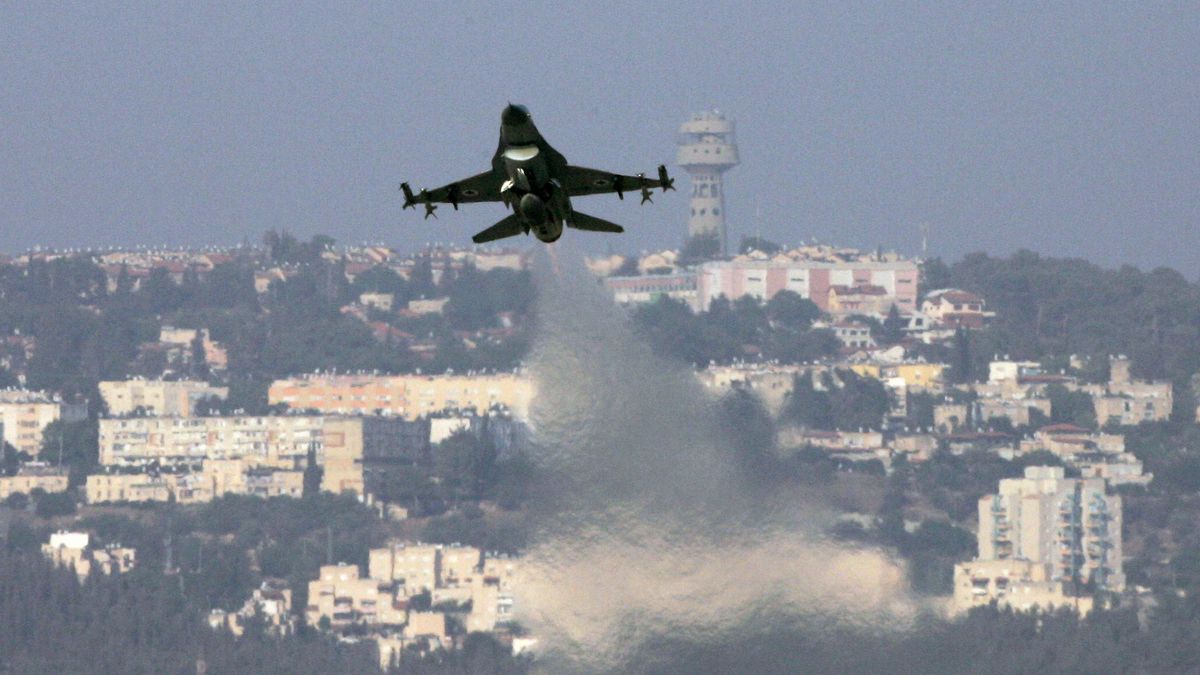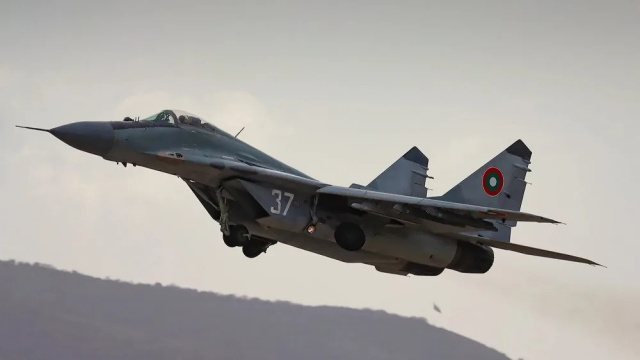
A Bulgarian Air Force MiG-29 fighter jet was scrambled on June 30 after a passenger aircraft flying from Warsaw to Tel Aviv transmitted transponder code 7500, the internationally recognized signal indicating unlawful interference on board, most commonly associated with a suspected hijacking. The alert triggered standard NATO and national Air Policing procedures, the Bulgarian Ministry of Defense said.
The aircraft, an Airbus A320 operated by Bulgarian carrier Electra Airways on behalf of Poland's LOT airline, entered Bulgarian airspace at 1:57 p.m. after crossing the Danube. Three minutes earlier, at 1:54 p.m., a MiG-29 on quick reaction alert had taken off from the Third Air Base at Graf Ignatievo following notification from NATO's Combined Air Operations Center in Torrejon, Spain.
The Bulgarian fighter carried out the standard Air Policing mission, including visual identification, establishing contact with the crew, reconnaissance, and escorting the aircraft across Bulgarian airspace. After the plane crossed into Turkish airspace at 2:14 p.m., the escort was handed over to two Turkish F-16 fighter jets in coordination with allied forces.
The situation, however, continued to develop after the aircraft left Bulgaria. According to Bulgarian media reports, the crew sought permission to land but was reportedly denied by three countries. The aircraft later requested clearance to return to Bulgaria, prompting the Bulgarian Air Force to scramble its MiG-29 fighters for a second time. The jets intercepted and escorted the Airbus to Burgas Airport, where it made an unscheduled landing at approximately 5:15 p.m.