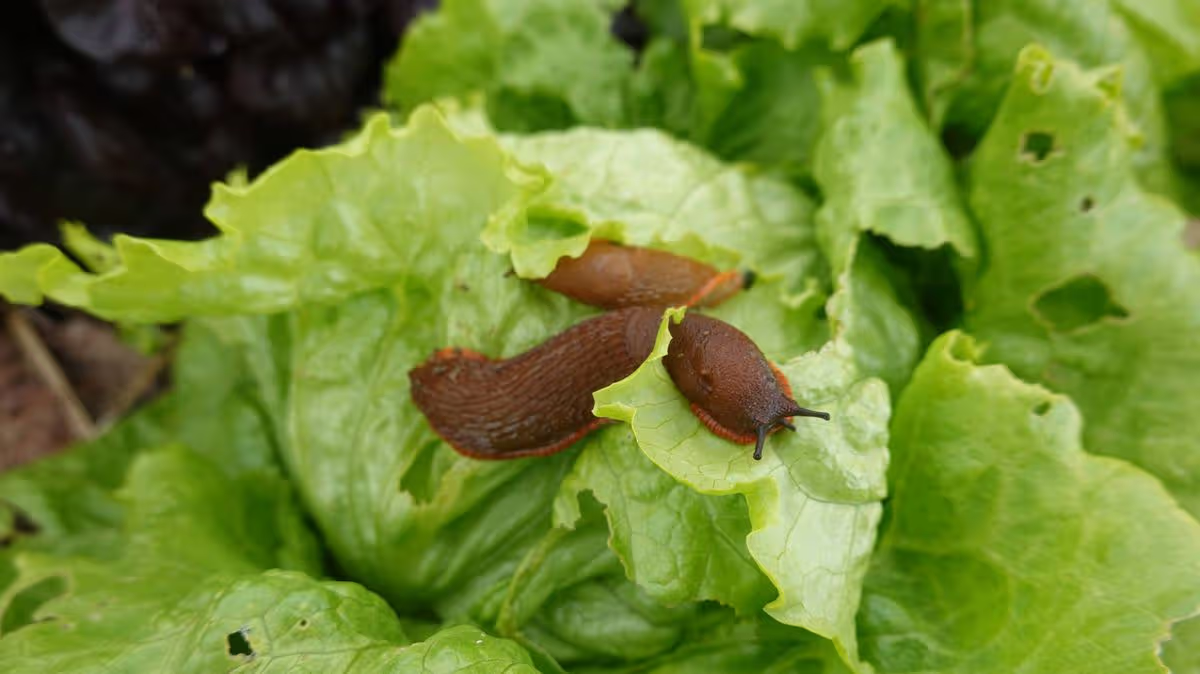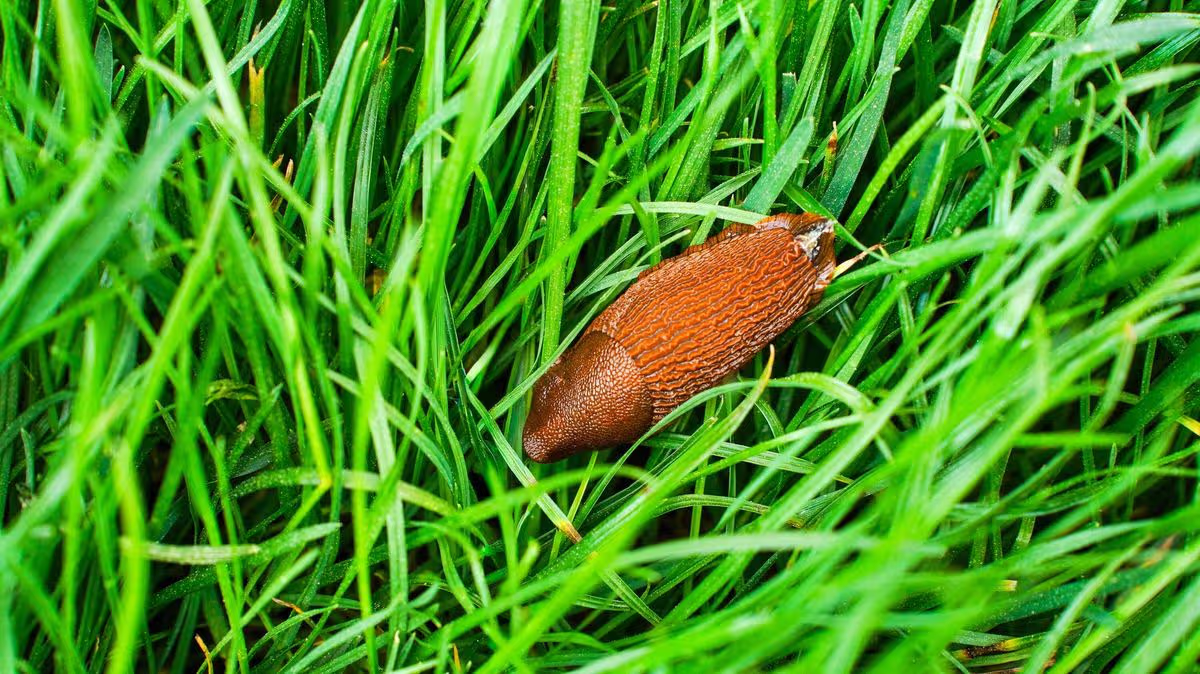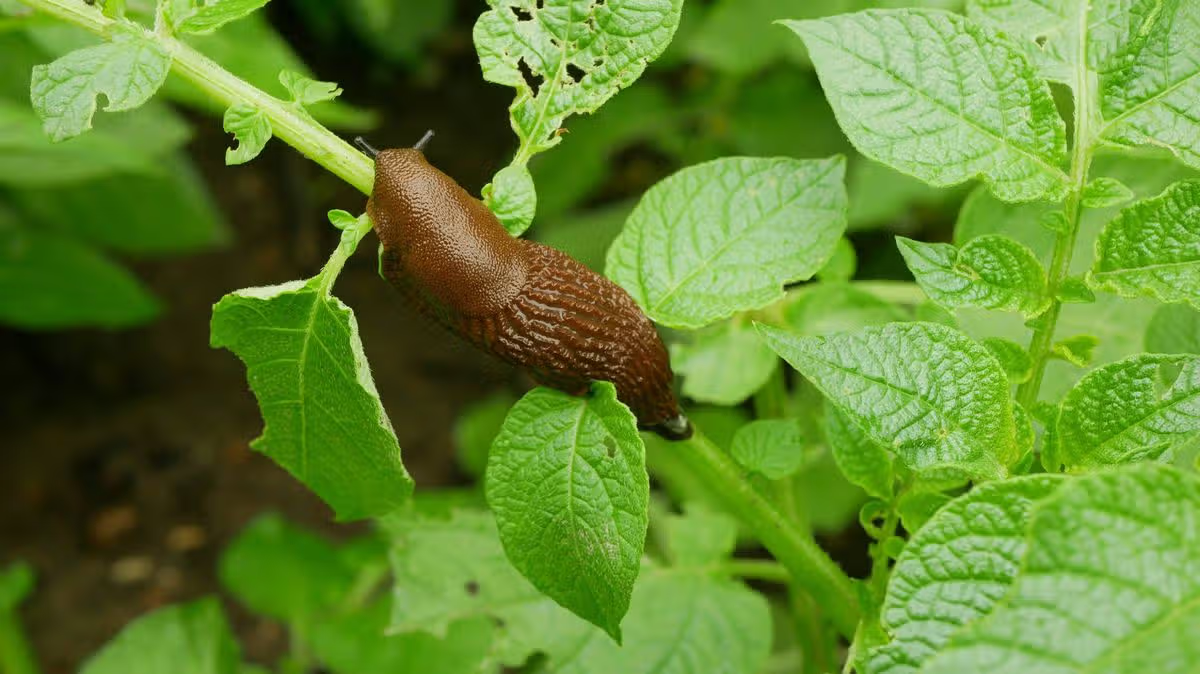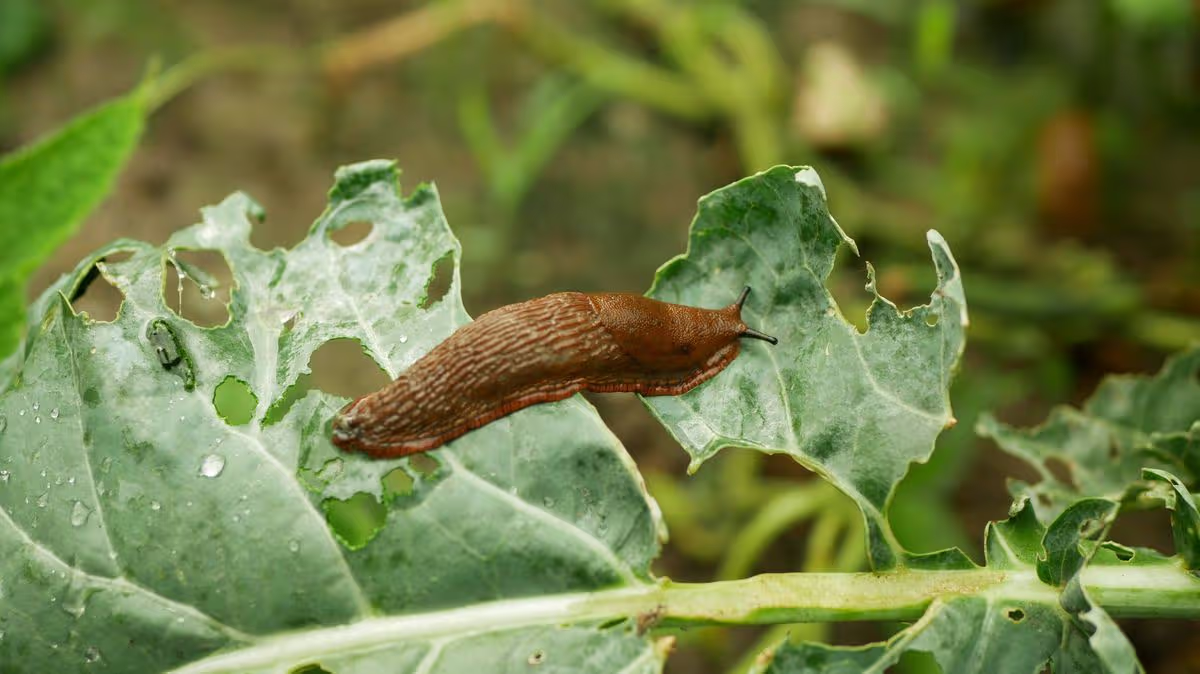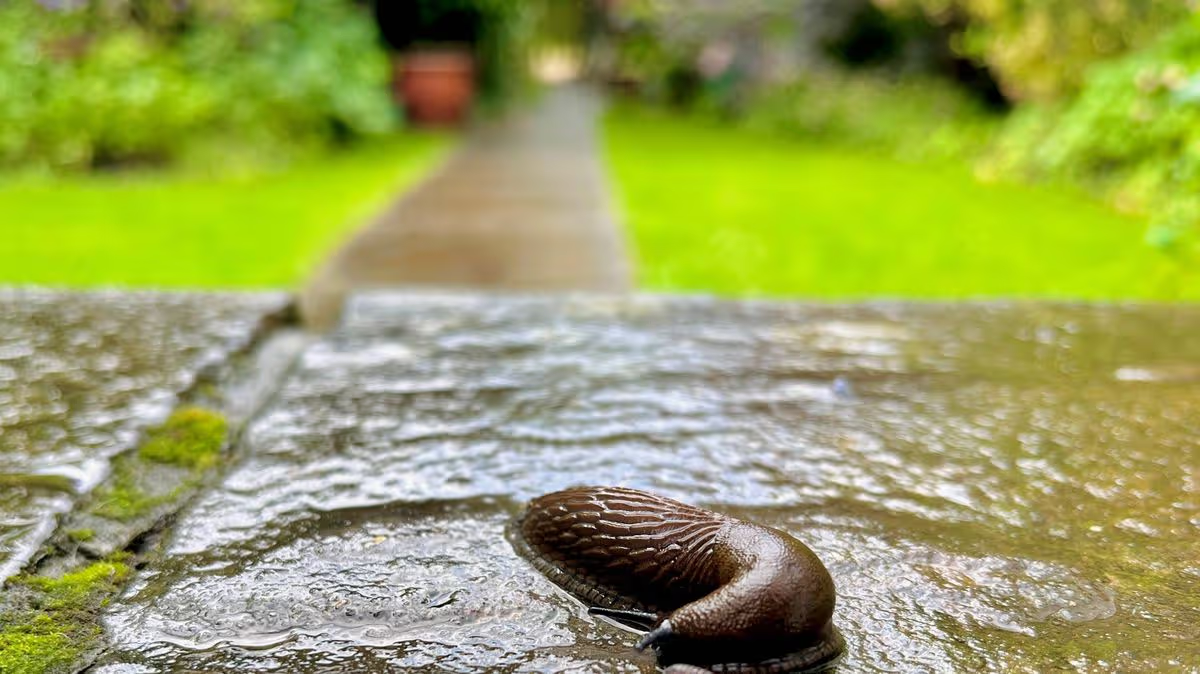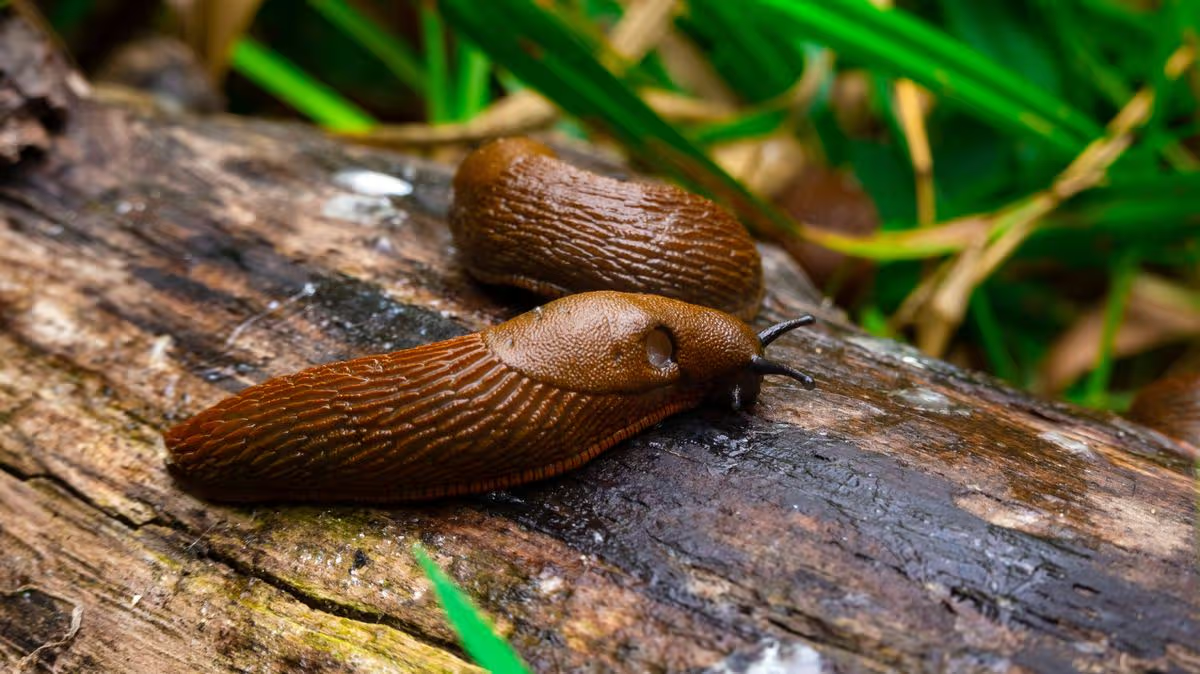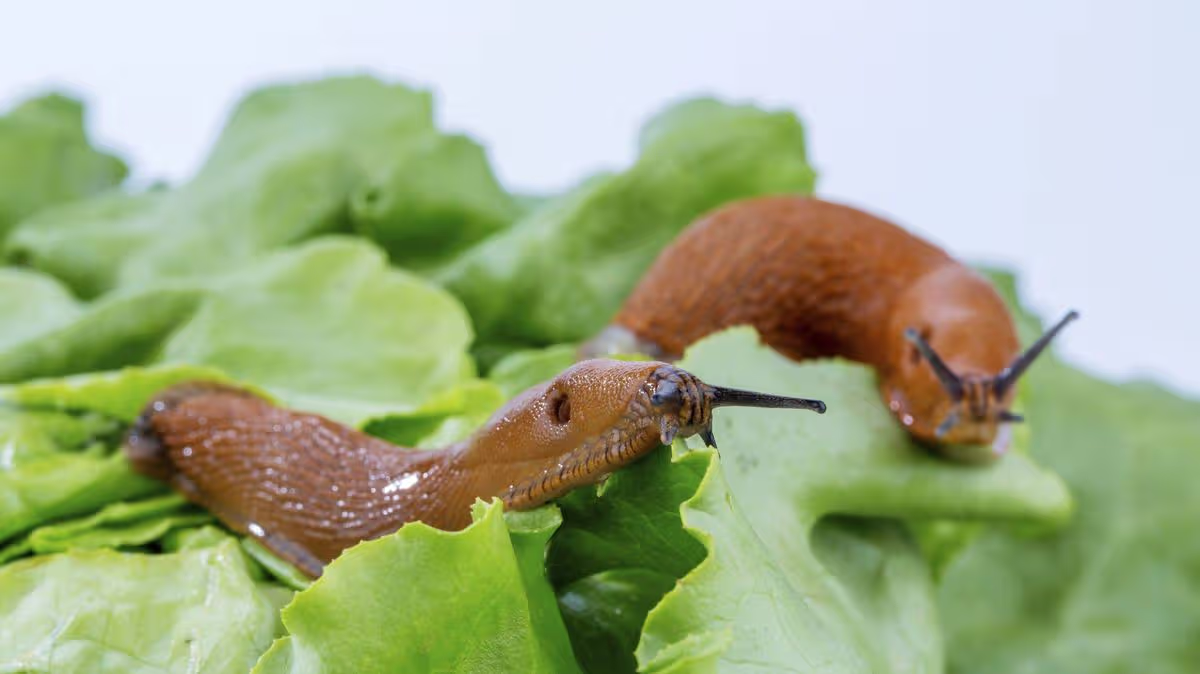
Slugs are a common problem all UK gardeners grapple with, but there's a natural barrier you can easily create which will keep them away from your garden and plants.08:34, 01 Jul 2026Slugs consistently appear at the top of the list of garden pests causing the most destruction to plants, flowers, and fruit.Considered every gardener's worst nightmare, slugs inflict a staggering £8 million worth of plant damage on UK gardeners annually, according to Greenhouse Stores.These gastropods destroy seedlings and young plants almost overnight, creating irregular holes in our cherished garden vegetation. They typically feed under cover of darkness and can travel up to 15 metres in a single evening. What's more - a single slug produces up to 400 eggs per year.While these molluscs stay active all year round, their presence becomes particularly noticeable during spring and summer, when an abundance of young, fresh vegetation is on offer for them to devour, reports the Express.These garden pests tend to burrow into soil or find shelter in cool, dark locations to prevent dehydration, and are especially active at night, particularly when soil conditions are damp and cool.While there are many chemical methods through which these garden pests can be killed instantly, those approaches are often harmful to the health of both soil and plants.The best and most dependable methods in the fight against slugs are straightforward, effective, and completely natural.Barrier methodBran Bran barriers scored a perfect 5/5 in Gardeners' World trials several years ago, proving to be the most effective natural solution in the fight against slugs. Gardeners can pick up bran for just £1.49 for 500g at Holland & Barrett or £1.99 for 500g on Amazon.How to use bran: Place a ring of bran (wheat or oat works just fine) around each plant and ensure it doesn't touch the stems.Slugs are known to gorge themselves on bran, quickly becoming bloated and dehydrated after consuming it, which leaves these pests vulnerable and easy pickings for birds. It's essentially a trap masquerading as a barrier, and one of gardeners' best-kept secret weapons.Another factor behind bran's effectiveness against slugs is that these creatures are made up almost entirely of water, and the bran has a drying effect which proves lethal to them.Bran is especially well-suited to creating protective rings around at-risk plants. The Gardeners' World controlled trial awarded bran a perfect 5/5 - the highest score of any method tested.If the slugs in your garden seem uninterested in the bran you've put down, try blitzing it into a fine powder using a mixer to make it more appetising and attractive to these unwanted pests.Seaweed MealGreenside Up recommends using seaweed meal to deter slugs as it has shown significant effectiveness in tackling them.How to use seaweed meal: Sprinkle seaweed meal around the raised bed as an initial deterrent, and then add a circle around each seedling, but make sure to keep it away from the stem of the young plant. This creates an extra line of defence against slugs.Due to its high salt content, slugs tend to steer well clear of sprinkled seaweed meal, actively giving it a wide berth.The best bit? Seaweed contains a naturally balanced range of trace elements, minerals, vitamins and amino acids, all of which do wonders for the microorganisms living in your soil.The use of seaweed meal as a slug deterrent is also endorsed by Gardeners' World.The natural minerals and salt content found in seaweed meal forms a barrier that slugs simply won't cross, and the real bonus is that this organic deterrent simultaneously nourishes your soil, making it a thoroughly impressive all-round solution.Seaweed meal works best in garden beds and around individual seedlings. To apply it, simply create a perimeter ring around entire beds, or protective circles around individual plants, while remembering to keep the seaweed meal 5cm away from stems.The Gardeners' World Trial awarded this method a rating of 4 out of 5. It offers excellent protection for plants with the added benefit of enriching the soil.Other materials to create barriersThis surprising and unconventional barrier approach was supported by responses gathered in a BBC Gardeners' World reader survey, which asked participants to share their most reliable slug control remedies.Readers are firm believers in the barrier method. Since these gastropods dislike prickly, abrasive textures, some widely-used natural deterrents include cat litter, horticultural grit, bark, ash, cocoa chips, sawdust, wool pellets, sand, and coffee grounds.Article continues belowThese barriers require regular replenishment, and it's worth remembering that most slugs live in the soil rather than on the surface.
Slugs will stay away from your garden with £1.49 natural barrier you can create
Slugs are a common problem all UK gardeners grapple with, but there's a natural barrier you can easily create which will keep them away from your garden and plants.
747 words~3 min read