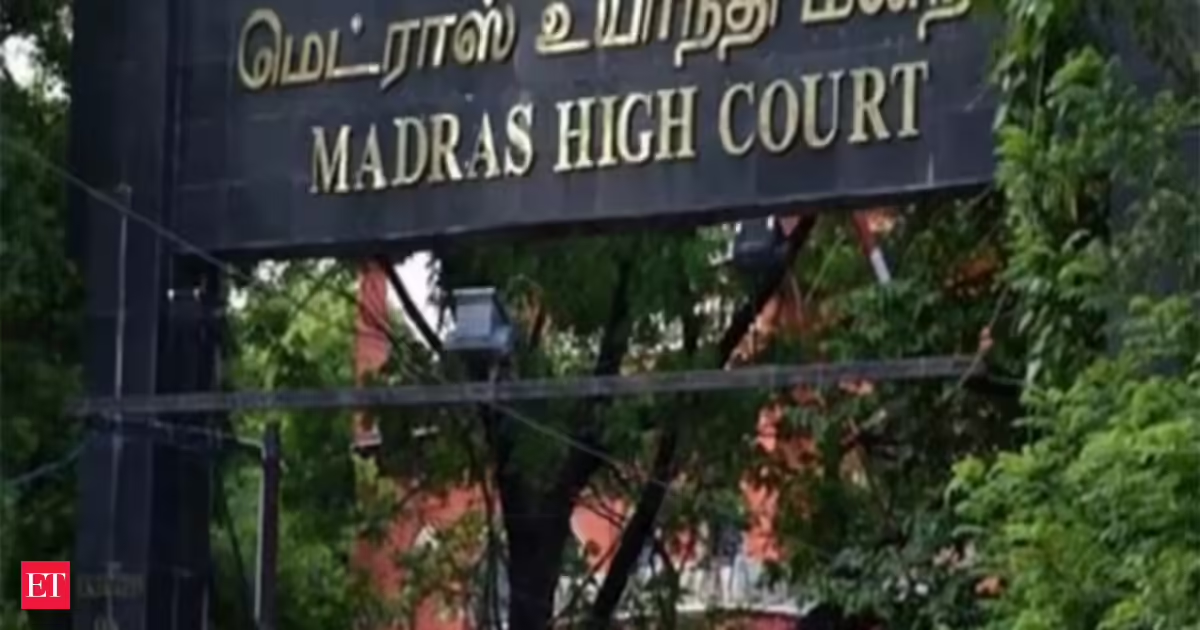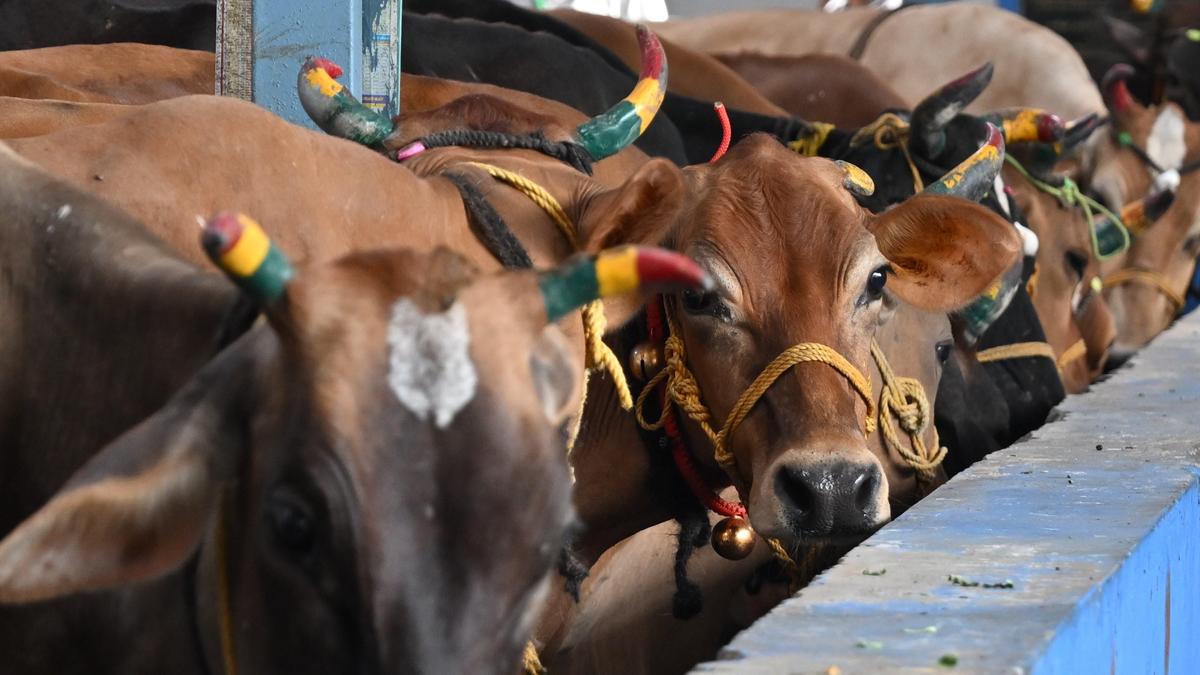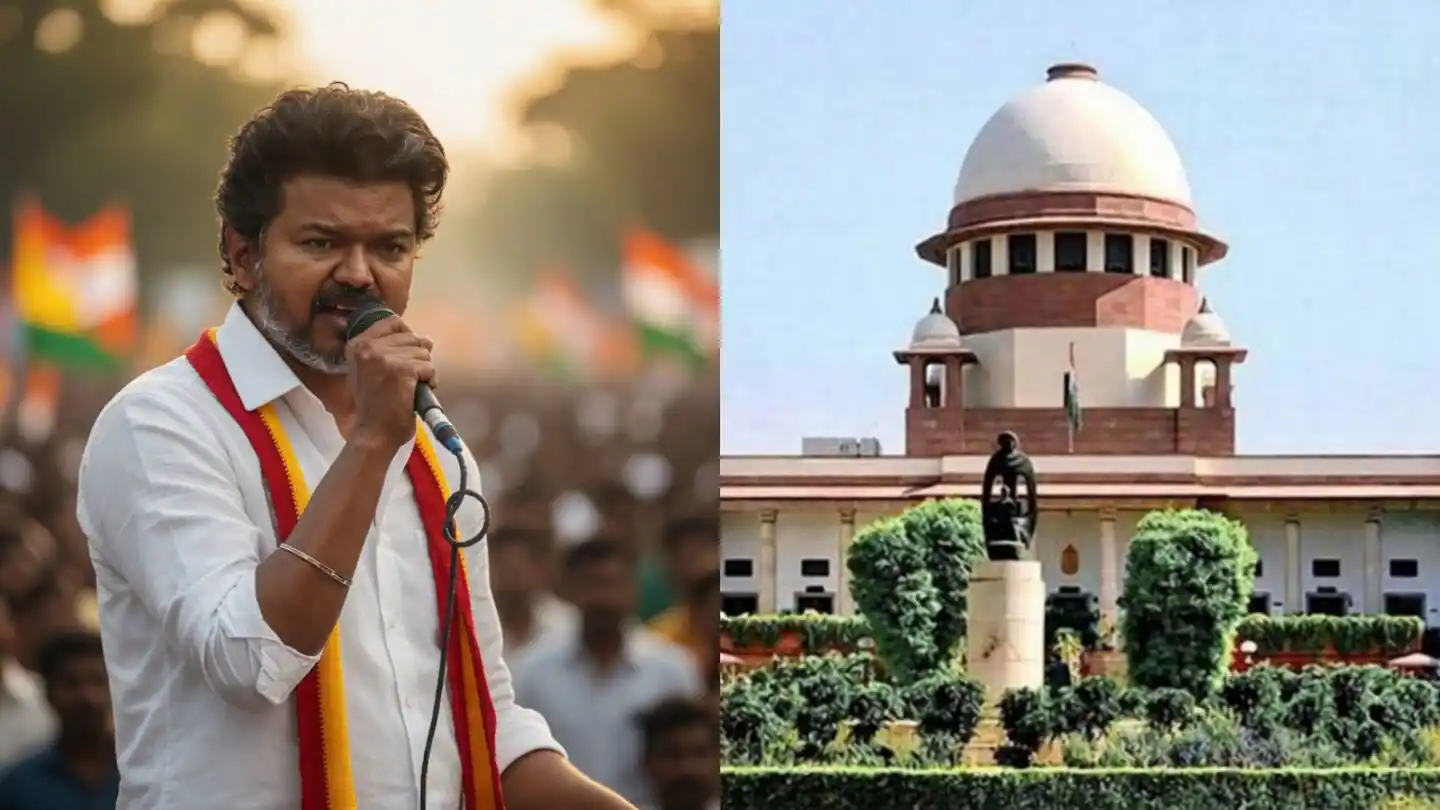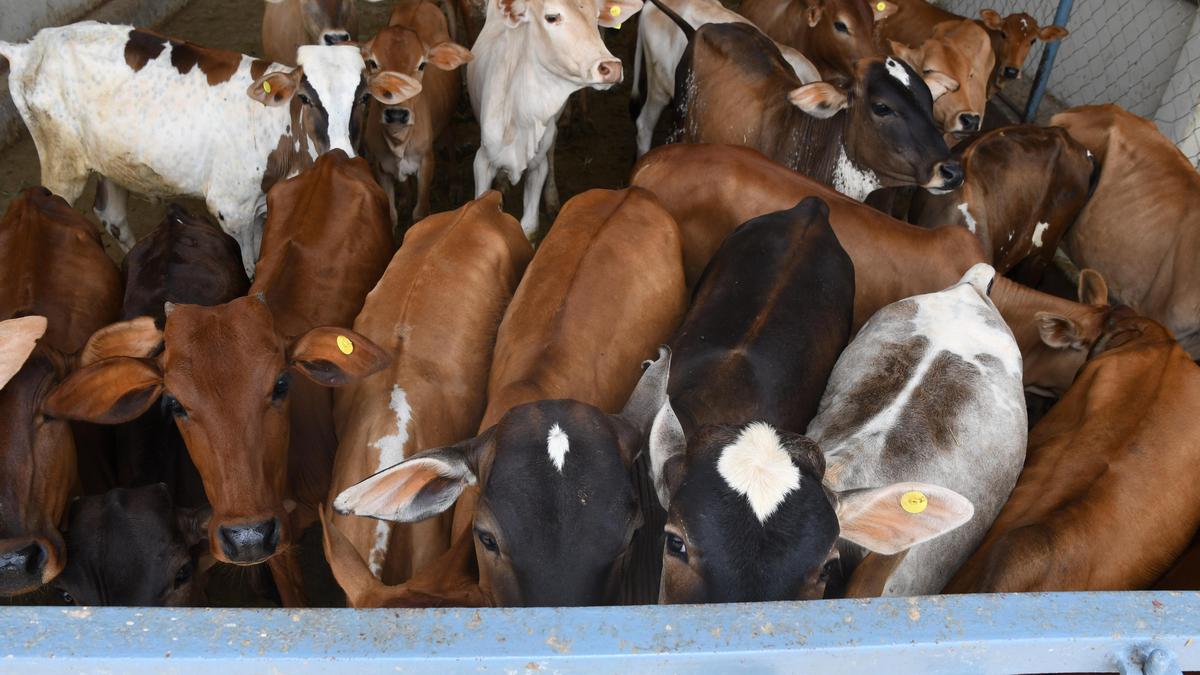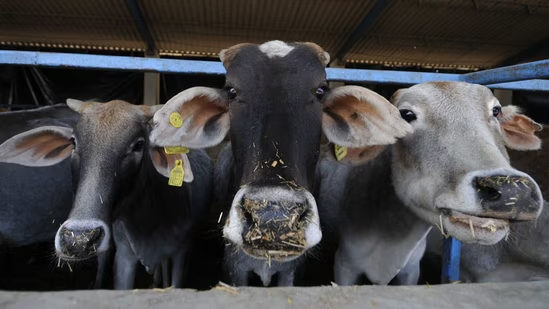
The Tamil Nadu government on Wednesday approached the Supreme Court challenging the Madras High Court order imposing a blanket ban on the slaughter of cows, arguing that the order contradicts existing state laws.Cattle inside the cow shelter at Sector 135, in Noida ( Sunil Ghosh / Hindustan Times/For Representative Purposes Only)The state argued that the May 27 order of the high court was contrary to the Tamil Nadu Animal Preservation Act, 1958, which allows the slaughter of cows aged over 10 years that are unfit for work or breeding, subject to a certificate issued by the competent authority, according to Live Law.The government also pointed out that several other laws governing animal slaughter—including the Prevention of Cruelty to Animals Act, 1960, the Prevention of Cruelty to Animals (Slaughter House) Rules, 2001, the Tamil Nadu Urban Local Bodies Act, 1998, and the Tamil Nadu Urban Local Bodies Rules, 2023—lay down the conditions under which animals may be slaughtered but do not impose a complete ban.According to Live Law, the state further argued that by directing a blanket prohibition, the High Court had effectively gone beyond the law enacted by the legislature.What does the Madras HC order say?A bench of Justice GR Swaminathan and Justice V Lakshminarayan was hearing a public interest litigation (PIL) filed by K Surya Prasanth, general secretary of Hindu Makkal Katchi on May 27, a day before Bakrid. Prasanth had sought directions to restrict the slaughter of cows to designated places. However, the High Court went a step further and ordered a blanket ban on the slaughter of cows and calves anywhere in the state.While passing the order, the High Court relied on a government order stating that a ban on cow slaughter would help improve milk production and strengthen the rural economy. It also referred to Supreme Court rulings that held that cow slaughter is not an essential religious practice associated with Bakrid, as per Live Law.TN govt says order ‘inconsistent’Arguing that a judicial direction cannot override or contradict an existing statutory provision, the Tamil Nadu government maintained that the High Court's order is inconsistent with the 1958 law, which permits the slaughter of a specified category of cows under certain conditions.In its Special Leave Petition, the state further argued that the original PIL was limited to preventing the slaughter of cows in public places during Bakrid in Coimbatore. However, the Division Bench expanded the scope of the case and imposed what the government described as an "absolute and blanket ban" on cow slaughter, including at designated slaughterhouses, even though no such relief had been sought by the petitioner. The state noted that while the high court’s judgement of limiting slaughter to designated places was correct, the blanket ban results in an internally contradictory judgment.The petition also challenges the High Court's observation that the authorities had admitted cows were being, or were likely to be, slaughtered in public places.According to the state government, the police had clearly stated in their counter affidavit that preventive measures had already been taken to ensure no slaughter took place in public areas, and that any ritual sacrifice would be carried out only in enclosed, non-public locations, as per Live Law.The government argued that the High Court's finding was inconsistent with the stand taken by the state.(With inputs from Live Law)
‘Contradicts existing state laws’: Tamil Nadu moves SC against Madras HC's ban on cow slaughter
The High Court ordered a blanket ban on the slaughter of cows and calves anywhere in the state on May 27. | India News
549 words~2 min read