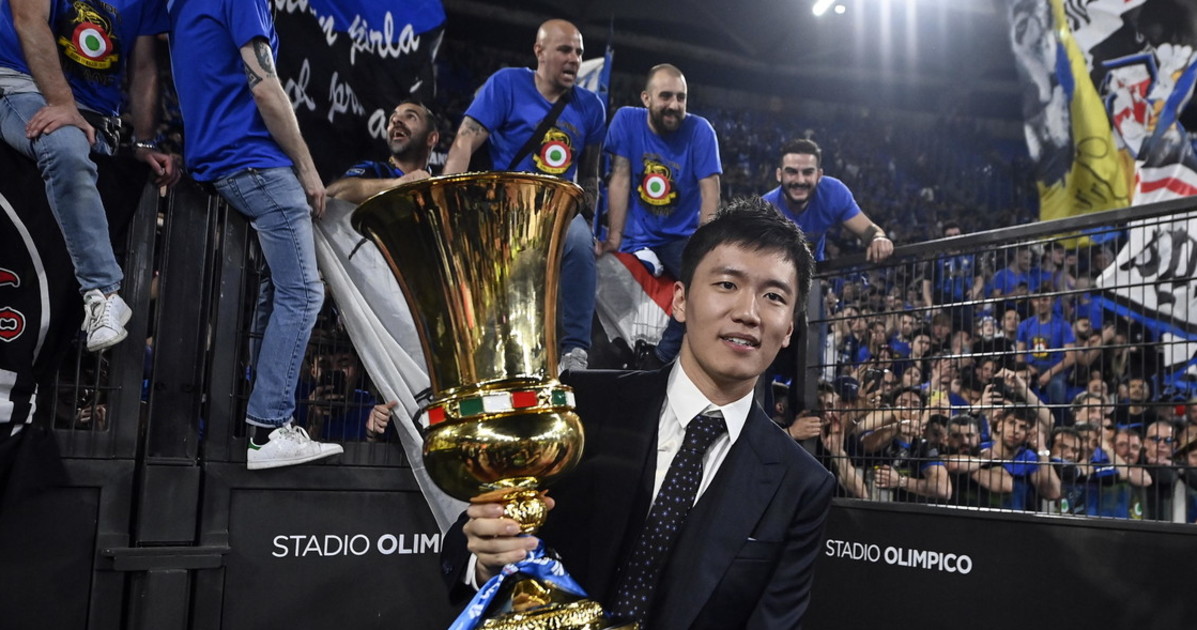
1. Suning is currently advancing its extensive debt restructuring plan, approved by the Nanjing Intermediate People’s Court and expected to conclude by June or July this year. This marks the final stage for the once-leading Chinese home appliance retailer, which found itself heavily indebted after years of aggressive diversification into sports, entertainment, and commercial real estate. As of early 2024, Suning’s total debt was estimated at over 200 billion yuan (approximately $29 billion), according to a draft reorganization plan that combines both confirmed and contested claims due to unresolved litigation [para. 1][para. 2].2. Despite significant bailout attempts by state investors and major corporations including Alibaba, Haier, and Midea, Suning failed to reverse its financial decline. Its main listed entity, Suning.com, continued to struggle with operational weaknesses and was subject to special treatment by the Shenzhen Stock Exchange in May 2022 due to irregular financial performance. Ultimately, the court’s approval involved placing all assets of 38 related Suning entities into a trust. Creditors will be compensated partly with immediate cash and partly by trust shares, effectively ending founder Zhang Jindong’s investor rights in these businesses [para. 3][para. 4].3. Zhang’s journey began in 1990 when he founded Suning with 100,000 yuan, focusing initially on air conditioners in Nanjing. By emphasizing after-sales service and innovative inventory management, Zhang outmaneuvered established department stores. These efforts led Suning to become China’s largest air conditioner distributor and, ultimately, the country’s largest comprehensive home appliance retailer by the early 2000s. The company went public in 2004, and by the end of 2024, operated 84 stores across 46 cities with a 96.1% year-on-year increase in store area [para. 5][para. 6][para. 7][para. 8].4. Suning’s dominance was quickly challenged by the rise of e-commerce, particularly JD.com. In response, Zhang launched Suning.com in 2010, shifted towards a multi-channel retail model, and promised price parity between online and offline platforms. Aggressive expansion followed, including an ambitious price war and sales targets of up to 30 billion yuan. Over the years, Suning tried to digitalize by integrating smart retail concepts and exploring new formats such as Suning Plazas, convenience stores, and innovative logistics models [para. 9][para. 10][para. 11][para. 12].5. The Covid-19 pandemic in 2020 had a catastrophic impact on Suning, significantly reducing retail foot traffic and increasing online competition. The company registered a net loss of 4.3 billion yuan that year, with revenues dropping 6.3% to 252.3 billion yuan. In 2021, losses ballooned to 43.3 billion yuan against revenues of 138.9 billion yuan. Suning’s heavy investment in Evergrande’s failed backdoor listing left it unable to recover a 20 billion yuan convertible bond investment, worsening its liquidity crisis. Suning’s external investments between 2015 and 2019 exceeded 70 billion yuan, including high-profile acquisitions in sports and retail, but almost none proved viable under worsening market conditions and cash flow constraints [para. 13][para. 14][para. 15][para. 16].6. By the third quarter of 2020, Suning’s liabilities had reached 299.5 billion yuan. To sustain the company, many assets were sold, sometimes to affiliates related to Zhang or his family. After ending its expansion beyond retail in late 2020 and selling significant assets, a major stake in Suning.com (16.96%) was acquired by a consortium in 2021, leaving the company without a controlling shareholder. Asset sales from 2021 to 2025 could not resolve the debt, leading to a court-mandated bankruptcy restructuring for Suning’s unlisted business as of January 2025 [para. 17][para. 18][para. 19].7. By mid-September 2025, verified claims against Suning totaled 188.1 billion yuan, including 97.1 billion in secured debt, 4.5 billion in tax debt, and 86.5 billion in ordinary debt. According to the restructuring plan, small claims under 100,000 yuan will be paid in cash, with larger claims converted into trust shares. The plan also introduces mutual benefit debt requiring 8 billion yuan at an 8% interest rate, prioritized for repayment from trust proceeds [para. 20][para. 21].AI generated, for reference only
In Profile: Suning Founder’s Retail Empire Unravels After Years of Reckless Investments
The company’s debt restructuring underscores the collapse of Zhang Jindong’s once-sprawling business after his failed attempts at diversification and a prolonged liquidity crunch
641 words~3 min read