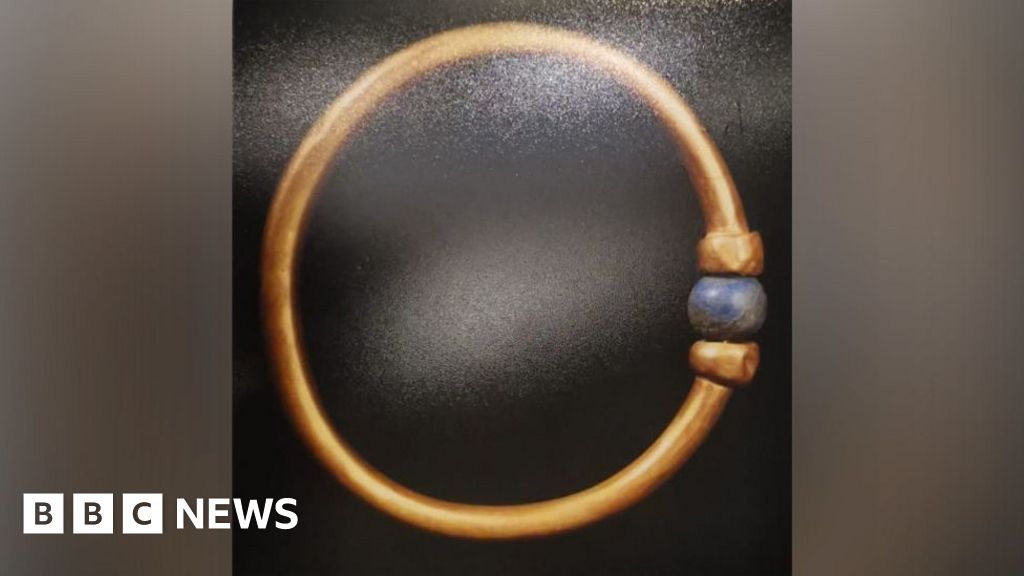
Sir, – Ronan McGreevy (“Irish museums hold artefacts from around the world. Should they give them back?“ June 27th) quotes Fianna Fáil TD Cathal Crowe as stating that more than 6,000 objects from Ireland are in the British Museum including a gold bracelet from the hoard found at Mooghaun North, Co Clare, in 1854 (the great Clare find, as it is sometimes known). Indeed, there are 13 gold bracelets together with a gold collar from the hoard in the collections of the British Museum. The bracelets were bought from the Earl of Enniskillen, a well known collector, in 1857 while the collar was acquired from the J Pierpont Morgan collection in 1909. After its discovery in 1854, the hoard, which contained several hundred objects, was widely dispersed by the finders through the then existing network of dealers, silversmiths/jewellers and private collectors. The Royal Irish Academy struggled to find funding to enable it to purchase some of the hoard for its museum, eventually acquiring 13 objects in 1858, leaving at least 46 others in the possession of a Dublin goldsmith. These have since disappeared from view, but it is known that the bulk of the hoard was melted down. Today only 34 objects can be confidently asserted to be part of the original hoard.The story of the Mooghaun hoard encapsulates the story and the fate of many thousands of archaeological objects found in Ireland in the 19th century. There are Irish archaeological objects of note in museums from Los Angeles to Sydney. The history of the dispersal of these objects is a complex one and is bound up with the history of Ireland.As late as 1913 private collectors of antiquities in this country were more often than not inclined to dispose of their collections at auction in London where they were picked up by dealers and collectors eventually to end up in different British museums or further afield.Many donations to British museums of Irish material are also recorded. The vast collection of the Cork city collector, Robert Day, was sold in London in 1913 and was attended by dealers representing museums in Ireland, Britain and the US. Well into the 1950s American museums were still acquiring Irish archaeological objects through dealers in antiquities and at auction. The National Museum of Ireland has never been sufficiently supported financially to enable it to acquire every object that has come on the market.While we might wish to repatriate many of the significant Irish finds now in foreign museums we should remember that the majority of them are there because of the activities of Irish collectors who choose to maximise their opportunity by selling in London rather than Dublin.I should add that in my experience, as a former curator in the National Museum, museums in Britain, including the British Museum, have always responded to requests for loans in the most co-operative way whether on a long or short-term basis. – Yours, etc,MARY CAHILL,Terenure,Dublin 6W.
Many significant historic artefacts are in foreign hands because of Irish collectors
Dispersal of these objects is complex issue and bound up with history of Ireland
489 words~2 min read