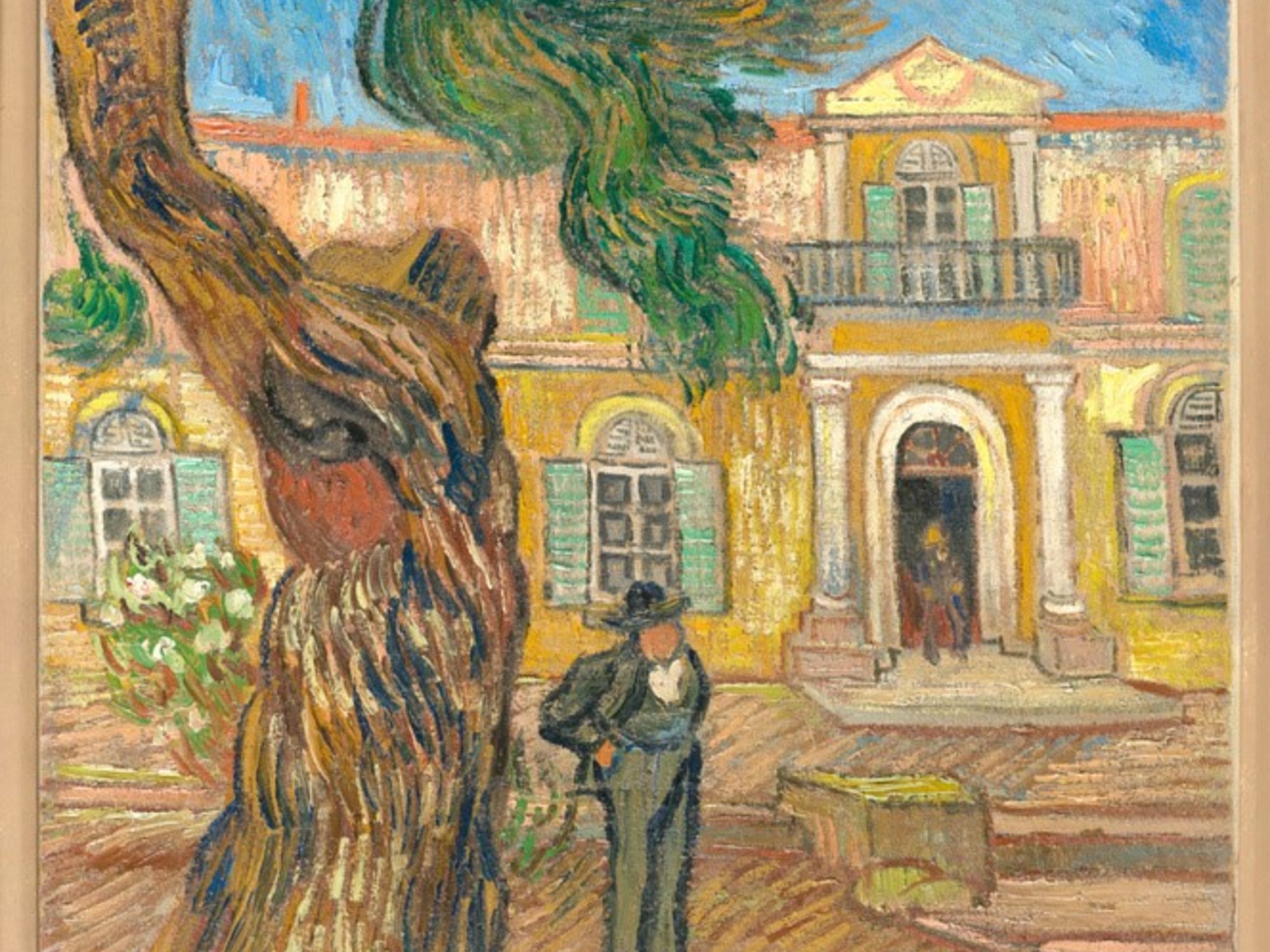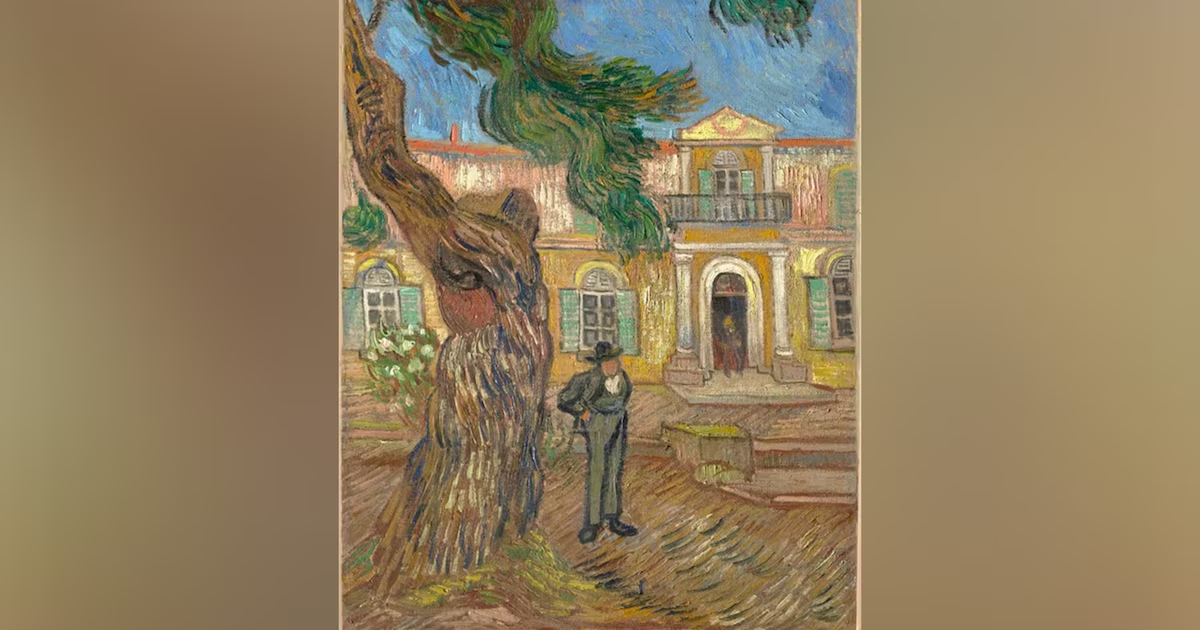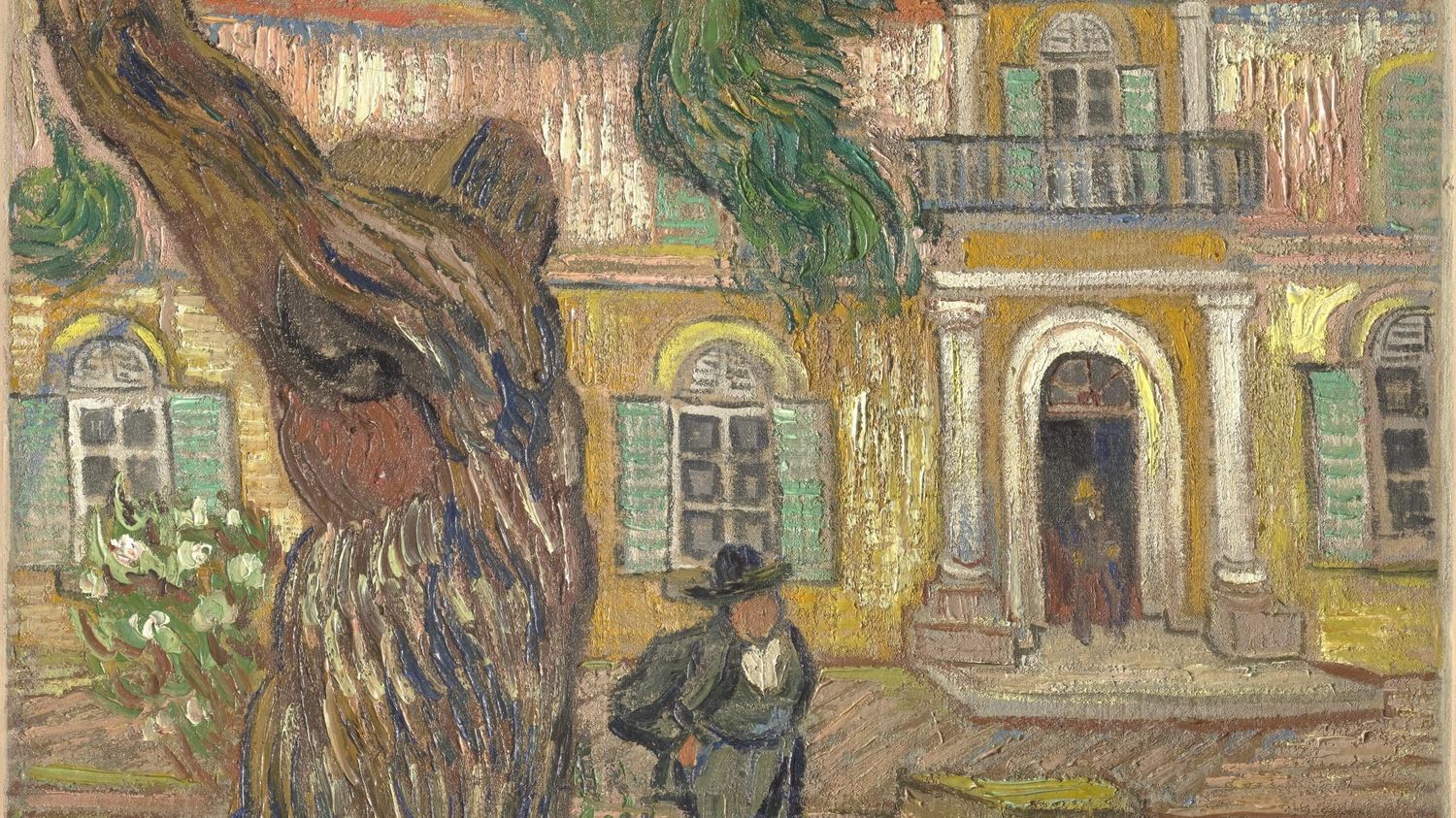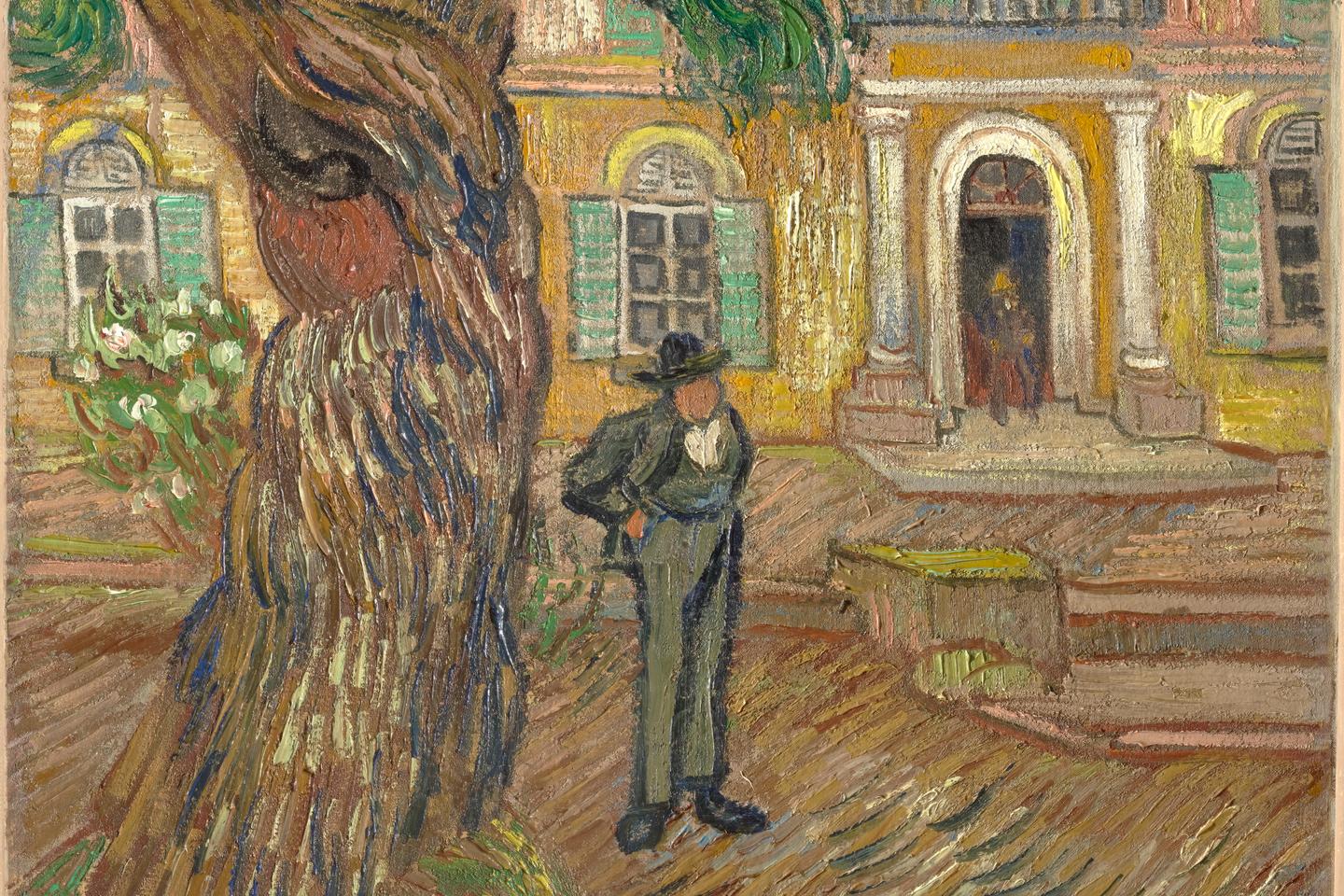
Klaus Kallmann is 98 years old, but he still remembers being a little boy and looking at a painting by Vincent van Gogh that hung in his grandfather’s Berlin villa until the early 1930s. The work depicts the artist’s doctor, Théophile Peyron, standing by a gnarled tree, his hands on his hips, in front of the mental hospital he ran, where Van Gogh was also a patient.
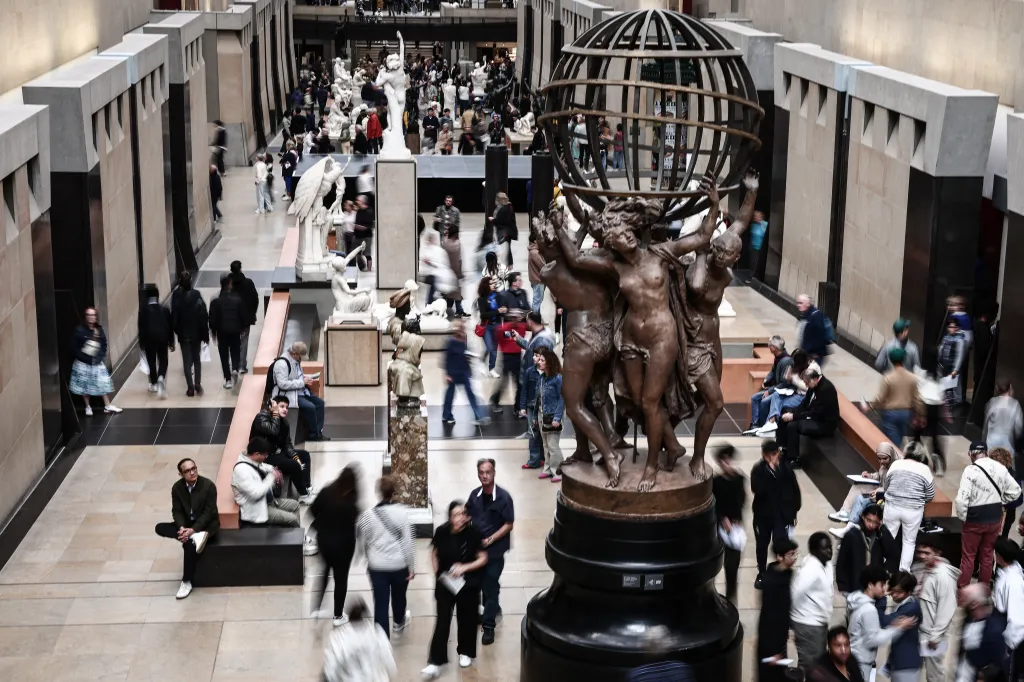
That painting, titled Hôpital Saint-Paul à Saint-Rémy-de-Provence (1889), is now in the collection of the Musée d’Orsay and is part of France’s national art collection. But Kallmann claims it rightfully belongs to him, according to Le Monde.
For about nine years, Kallmann, who lives in the US, has waged a legal battle to prove the Van Gogh painting was looted from his German, Jewish grandfather, Felix Kallmann (1853–1938) after the Nazis came to power. France recently passed laws facilitating the return of Nazi-looted art, so one might expect that such a request would fall squarely into the new law’s intended use. However, France’s Commission for the Compensation of Victims of Spoliation (CIVS), which decides which works constitute Nazi-looted art, is stumped by the case.
The Kallmann family “was surely a victim of antisemitic persecution, and was subject to plunder in that context,” David Zivie, who runs the CIVS, told Le Monde. Yet “it is difficult to determine with certainty whether the Van Gogh painting was among the looted assets that were sold under duress,” he added. Gaps in the painting’s provenance, between June 1932 and February 1934, don’t help. We do know that the painting somehow popped up in Paris in 1934, at the gallery of the historic dealer Paul Rosenberg, and was eventually donated to the Louvre.