• SPONSORED BY BITDEFENDER •
Multigenerational households can bring unique security challenges, and it’s important to have a tailored solution.
The following content is brought to you by Mashable partners. If you buy a product featured here, we may earn an affiliate commission or other compensation.
PCMag.com is a leading authority on technology, delivering Labs-based, independent reviews of the latest products and services. Our expert industry analysis and practical solutions help you make better buying decisions and get more from technology.
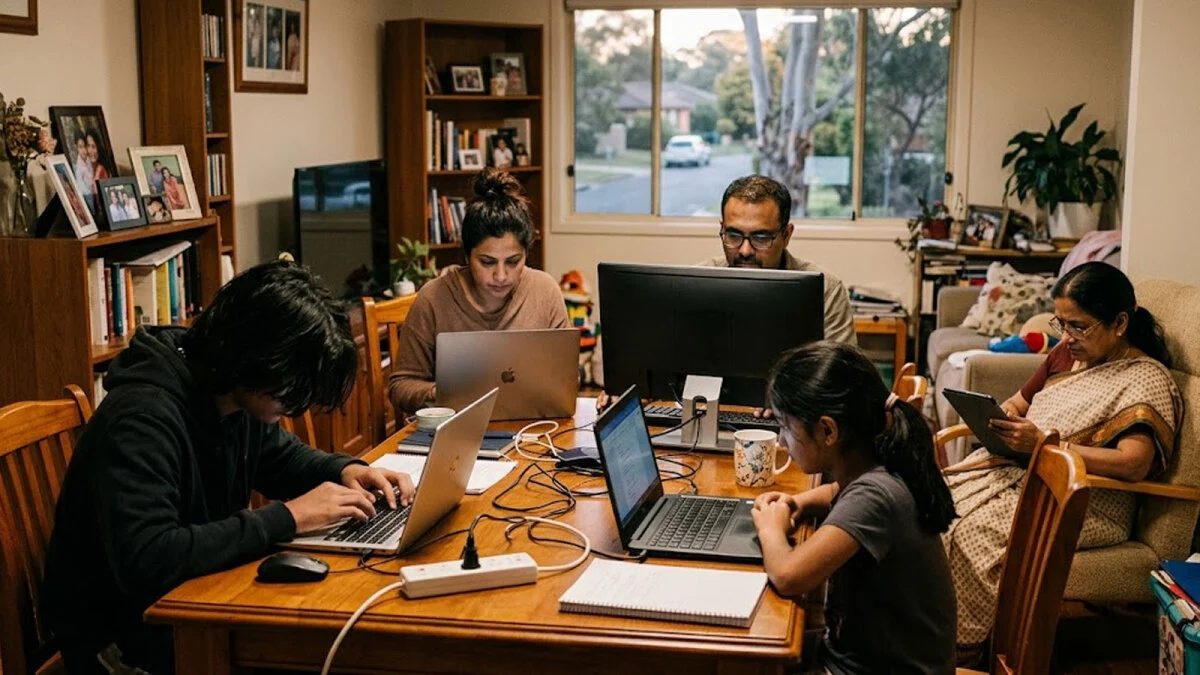
It should come as no surprise, but modern Australian households have long evolved past the point of a ”family computer”. That relic of a bygone millennial era – the family’s sole access point to riding the information superhighway. Back when people used to say things like “surfing the web” and for that matter, the phrase “riding the information superhighway”. Today, your typical Australian family manages an entire ecosystem of connected infrastructure: smartphones, remote work laptops, school-issued tablets, gaming consoles, and an expanding list of smart home IoT (Internet of Things) devices. This can make creating watertight digital security for an entire household tricky. As these multi-device ecosystems scale, they introduce a wider attack surface for external threats while complicating internal privacy management.This is why at PCMag, we recommend trying to consolidate your household’s digital security into a single suite as much as possible. Look for trusted security suites that offer specialised family plans. Something with parental controls, preferably a VPN, room to grow as new devices are added, and a tiered account system that allows administrator privileges. You want your entire family to have access to essential services such as antivirus, password managers, identity theft protection and encrypted backup. But you also need to be conscious of the dangers of a single access point holding the “keys to the kingdom” when it comes to your entire family's personal information. Having a single administrator avoids needing to leave passwords just laying around the house, and a high device-count limit means you don’t pay for countless different individual subscriptions for everyone.Managing the multidevice household ecosystemOn top of your standard personal devices, as more and more smart home technology integrates into local networks, securing the whole home requires more than just antivirus on your laptop. In a modern home, every single device connected to your Wi-Fi is a door. Bitdefender handles this by providing high-volume licensing via their Family Plans — covering up to 15 or 25 devices under a single subscription, depending on the selected tier. Dedicated local clients provide automated threat detection across Windows, macOS, iOS, and Android systems, preventing a compromise on a single mobile device from pivoting laterally across the home Wi-Fi network.