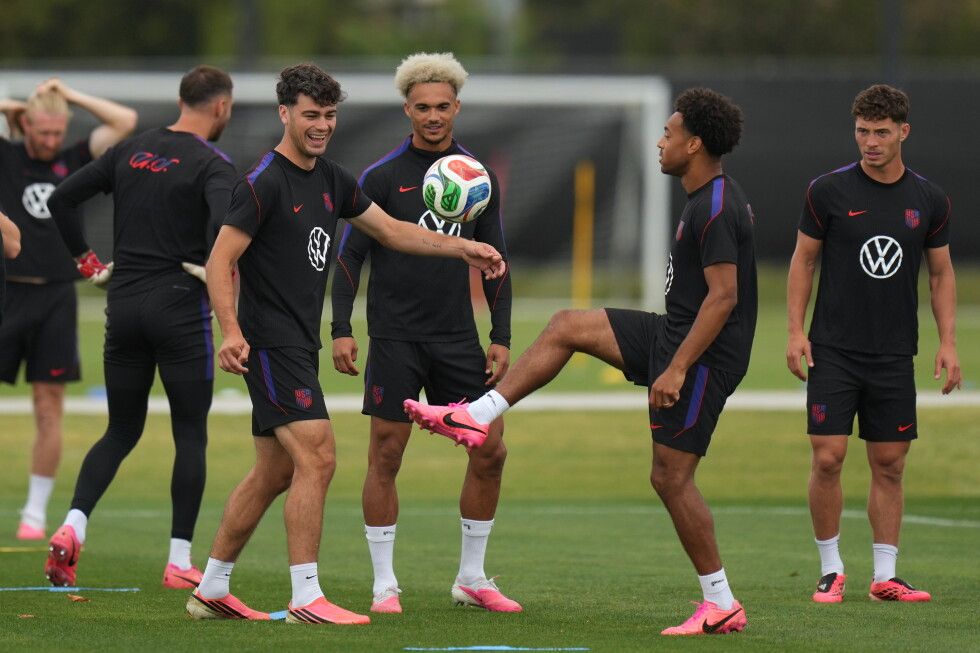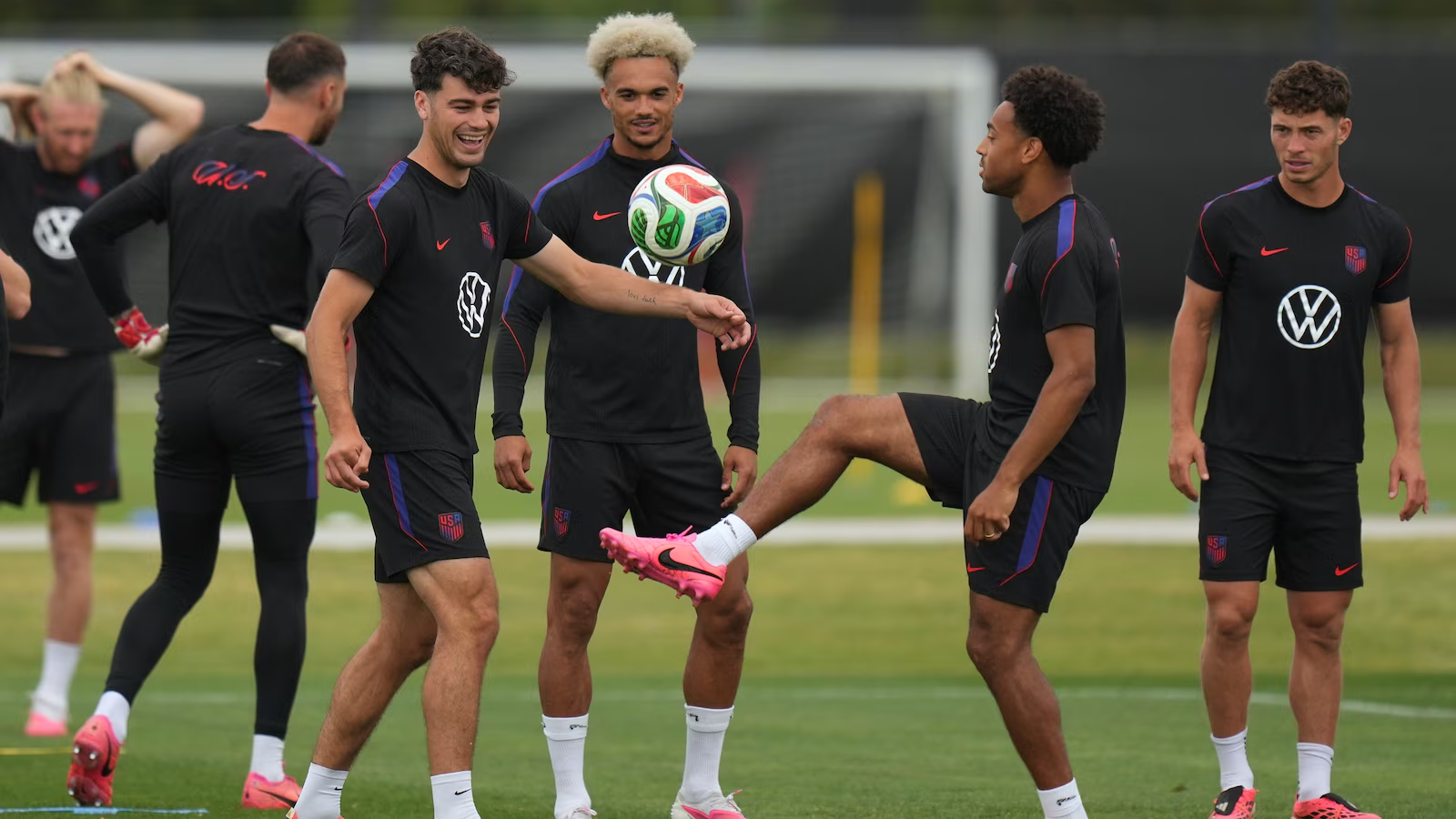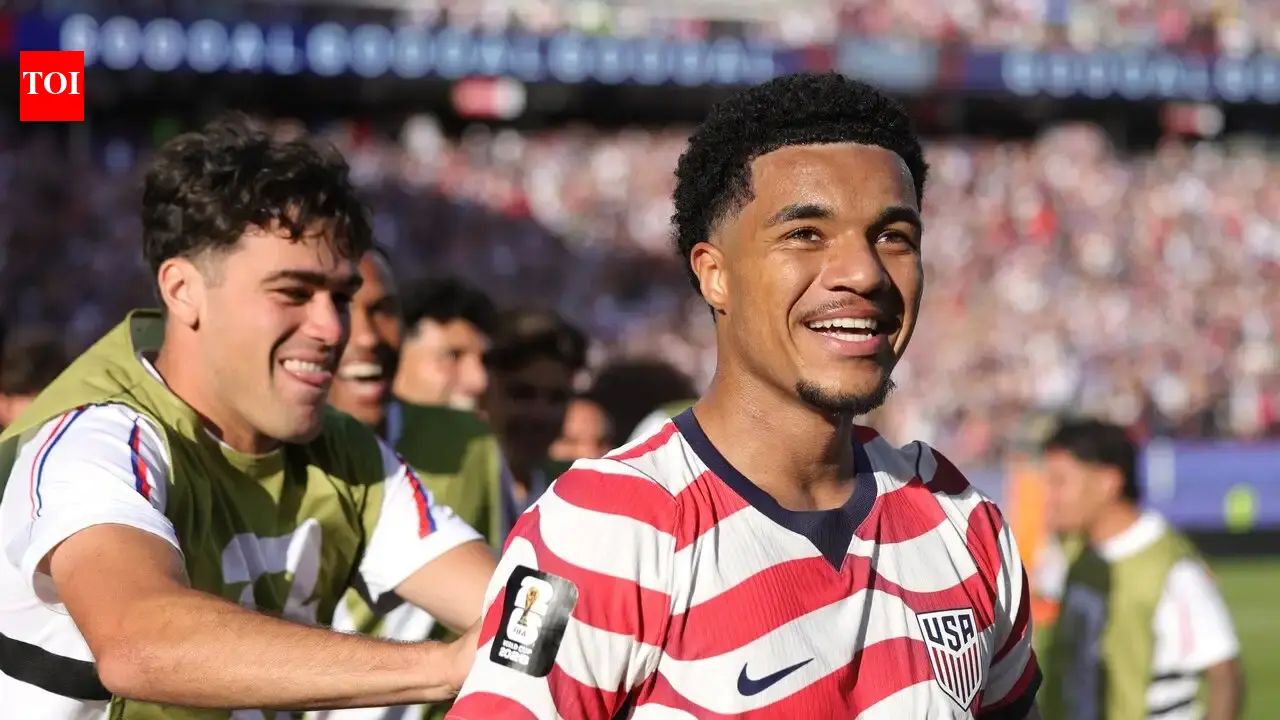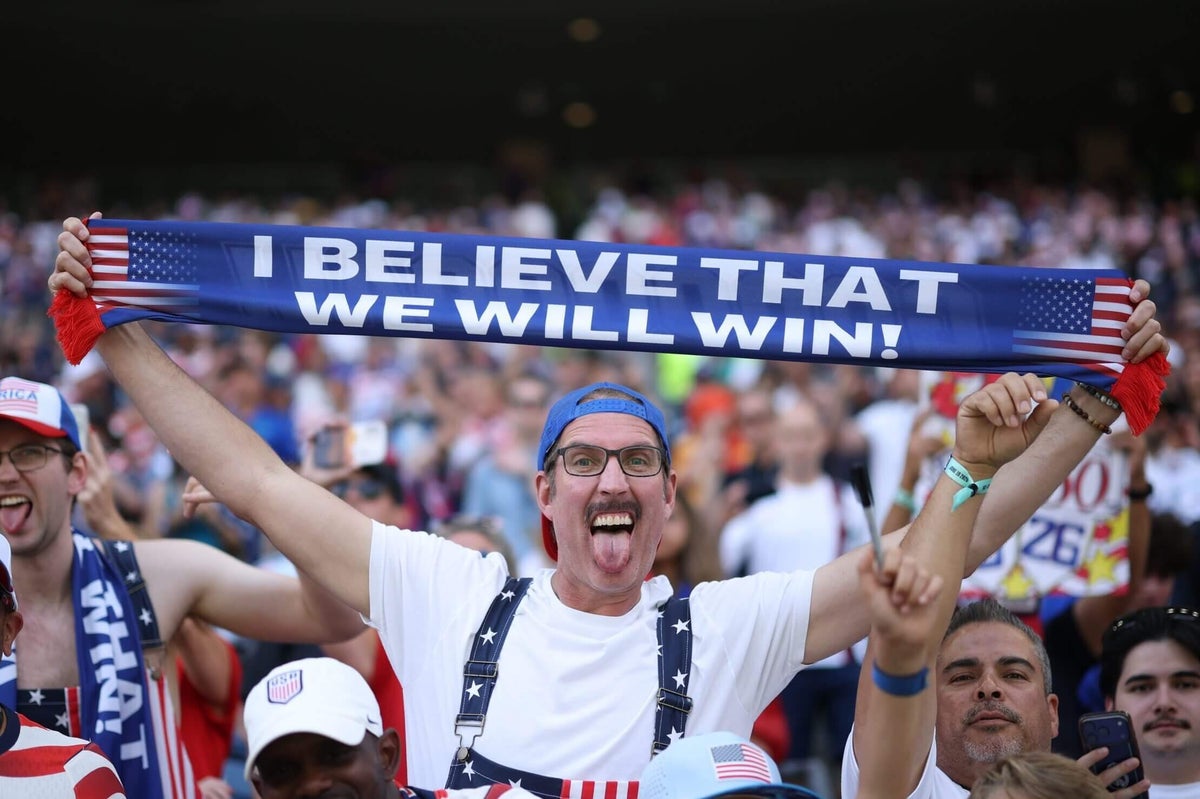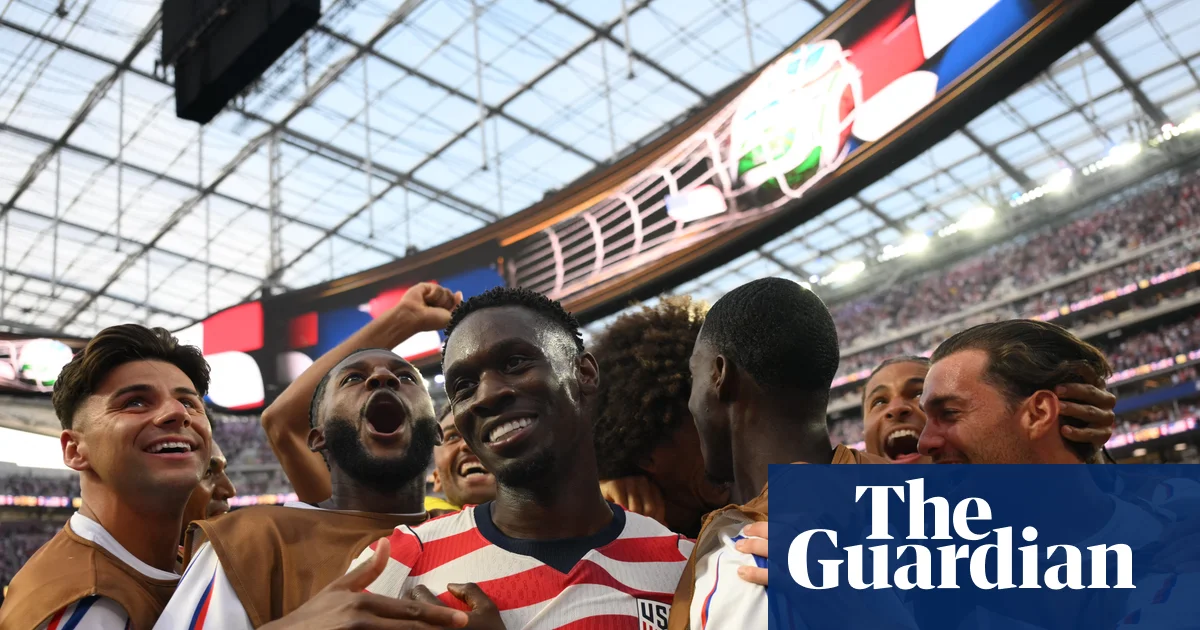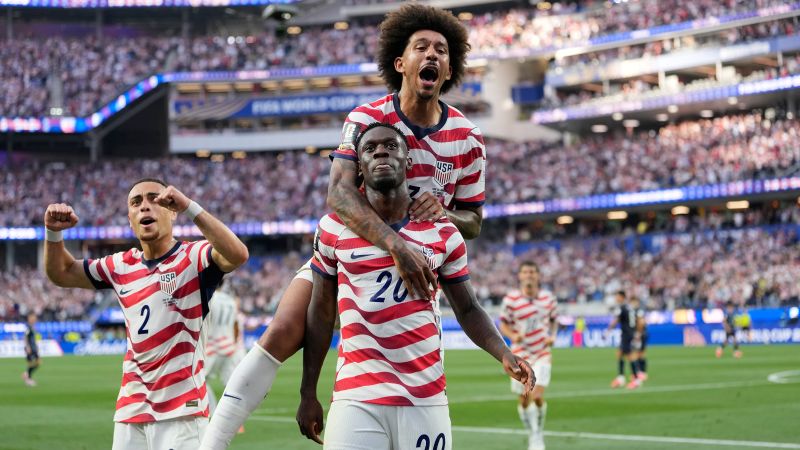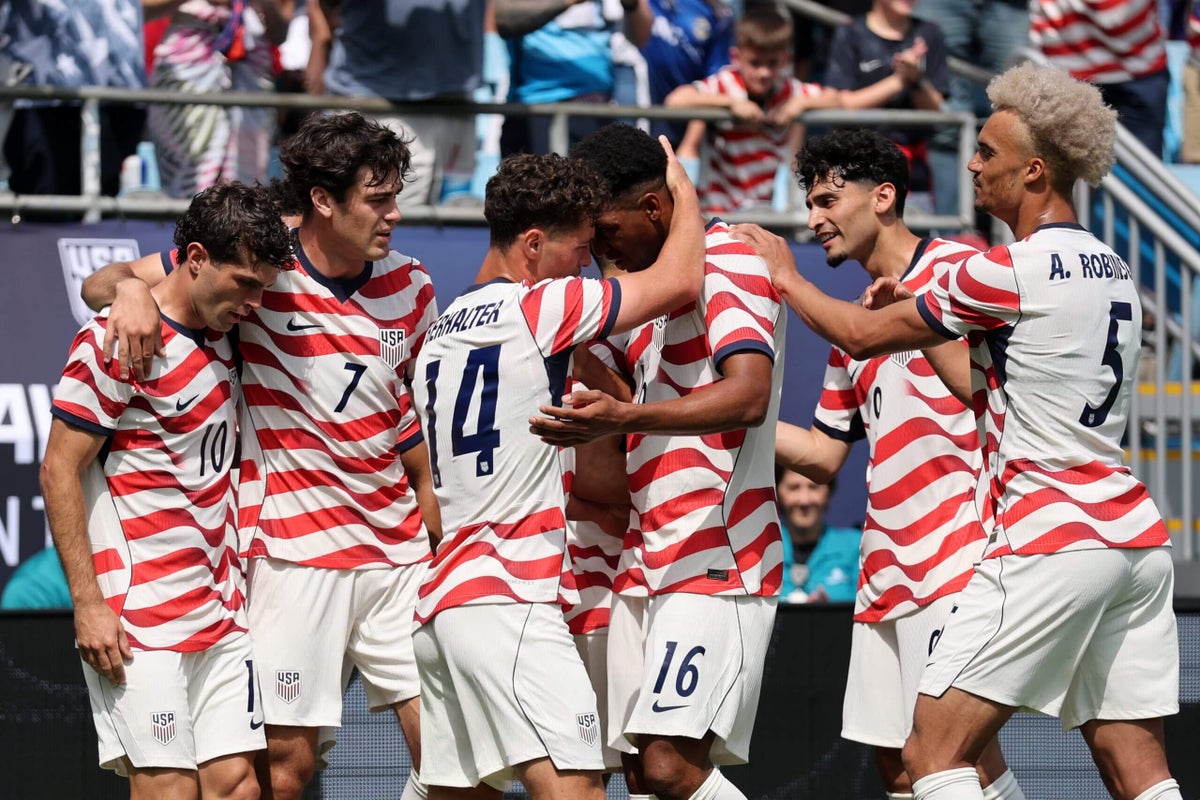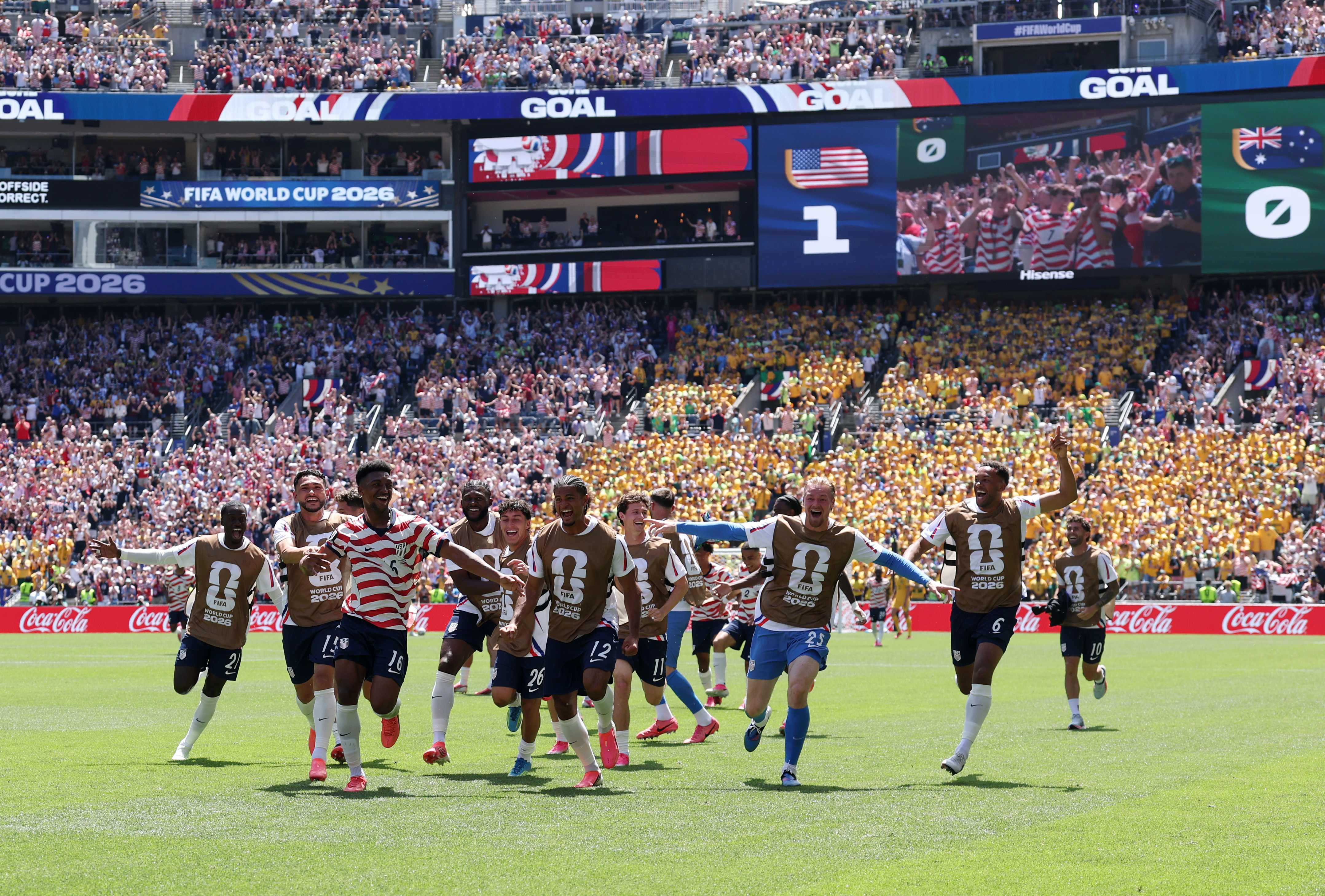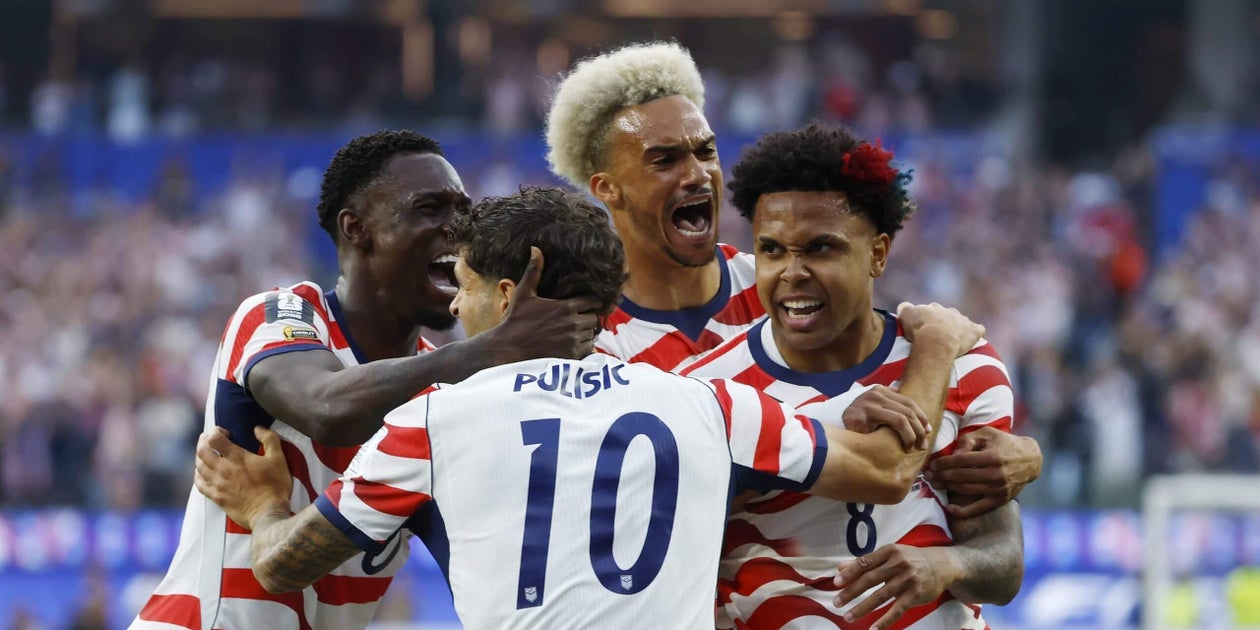
Jurgen Klinsmann has a wealth of relevant experience to put the performances by the United States at this World Cup into context. “For us coaches, what was highly impressive was how they set the bar against Paraguay in the first 45 minutes,” he says. “It was the best U.S. team in many, many years.”Mauricio Pochettino’s side stormed into this tournament, sweeping aside its first opponent and creating a buzz about the men’s game like never before in the country.Now, on the eve of the U.S.’s last-32 tie against Bosnia-Herzegovina, The Athletic asked several figures in global football for their view on what has gone right so far, what concerns they have — and, crucially, whether Pochettino’s team can continue to make an impression.The answers include the tactic that has proved key to this this campaign, caveats over whether it can be sustained, the player who has transformed his side’s chances, the American quality that stands out in a squad shaped by Europe, what Pochettino has in common with Brazil coach Carlo Ancelotti, and just how divided opinion is over the side’s prospects.“They set the bar for themselves going further in the tournament,” says Klinsmann, who led the U.S. team from 2011-16, of the opening 4-1 win over Paraguay.That stirring display now looks even better in hindsight, with Paraguay knocking out Germany to reach the last 16. In the modern era the U.S. has escaped the group stage of a men’s World Cup four times but has never made it beyond the quarter-finals. So how deep can this USMNT go?U.S. supporters celebrate a thumping win over Paraguay (Photo: Stu Forster/Getty Images)Brazilian icon Kaka was confident even before a ball was kicked. “The U.S. men’s national team will reach the semi-final, because of the excitement, the motivation — I think that’s a big, big, ingredient that can help and will be very positive for the U.S. team,” he tells The Athletic pre-tournament.Kaka won the 2002 tournament as a squad player with Brazil, a World Cup when South Korea made history by reaching the last-four as a host nation. Kaka also reached the quarter-finals with Brazil in 2006 and 2010, so is well-placed to pass judgement.“Good team, good players, very good coach, so I think the U.S. team is ready to achieve at least the semi-final,” he reiterates.Others are not so sure.Philipp Lahm, captain of the German side which lifted the World Cup in 2014 and part of third-place campaigns in 2006 and 2010, says: “My honest expectation is that the support from the home crowd could carry them through to the quarter-finals.”Rio Ferdinand, who reached the quarter-finals with England in 2002 and 2006, says: “They’re playing with energy and emotion. I’d be surprised if they get to the semi-finals, it depends on their route. I don’t think there were any big hopes for them going into the tournament, but I think they’ve exceeded expectations already.“They’re a team that America can be proud of, in the way that they’ve approached the games, which is important.”Mauricio Pochettino oversees a USMNT training session in San Jose, California. (Photo: Jamie Squire/Getty Images)Rene Meulensteen, formerly Sir Alex Ferguson’s assistant at Manchester United and who has been in the U.S. as a coach with Iraq, has doubts too. “Listen, at the end of the day, America is playing on a lot of emotion as the host country,” he says. “That only gets you so far. Bosnia are beatable. If they reach the last-16 I could see them beating Belgium (potential opponents). I think that’s an even contest, it could go to extra-time and penalties. Belgium are not firing on all cylinders, but you would think they have a few more difference makers.“If America make it to the semis it would an absolute miracle. That is when the big teams galvanise. You will see the strength of France soon. We played France, they have got the biggest ammunition of all teams at the World Cup. USA would face them in the semi-finals, if they get that far.”Jay DeMerit, who made the last-16 with the U.S. in 2010 after drawing with England in the group stages, says: “I think the U.S can go to the quarters for sure. Bosnia is a very winnable game, and the next one potentially too. You never know. We have seen in the last-32 already teams can stick in it, teams miss chances, things happen in football. The point is getting there. Having a homefield advantage will help anybody.”Certainly, affection for the U.S. team is creating a vibrant atmosphere in the stadiums. The SoFi has twice been packed out in fans wearing various stars-and-stripes garments, while Lumen Field in Seattle brought joyous scenes as the U.S. clinched progress by beating Australia.Such images could not have been predicted after the U.S. went out in the group stage at the 2024 Copa America, triggering the dismissal of Gregg Berhalter. For the 2025 CONCACAF Nations League semi-final loss to Panama, under Pochettino, the SoFi was largely empty.In a friendly against South Korea at the Red Bull Arena in New Jersey last September, U.S. fans were significantly outnumbered by opposition supporters. The game finished 2-0 to South Korea, but at half-time Pochettino decided on a tactical tweak that is now playing into performances. He made substitutions and switched to a back-five system, which he continued against Japan in a 2-0 win.Results over the past year have been mixed, with a draw against Ecuador, victories over Australia, Paraguay and Uruguay, and losses to Belgium and Portugal 2-0. Leading into this tournament the U.S. beat Senegal 3-2 and lost to Germany 2-1.But it’s clear Pochettino has found a way to use his players that is making them a dangerous team when at their best. His formation is flexible, given Alex Freeman can both be a right-back and also tuck inside to play the right centre-back role in possession. Sergino Dest has licence to push on from wing-back to right winger, while Antonee Robinson, on the other side, can slot back. It predominantly maps as a 4-3-3 that turns into a 3-2-5 in possession.Christian Pulisic’s injury brought striker Ricardo Pepi into the line-up for the Australia game, thus making it more like a 3-5-2, while Pochettino’s 10 changes for the dead rubber against Turkey make that a match from which it is hard to draw too many judgements.Whatever the formation, there is an obvious identity.“The counter-press that he played is very logical,” says Klinsmann, who watched the Paraguay and Turkey games at the SoFi and is part of FIFA’s Technical Study Group. “That’s what we coaches when we are together discuss: what is the most efficient way, when to do it and what formation you do it in? Are you pushing them to the sides? Are you doing it all over the field? Are you going man against man all over the field?“I call it always squeezing the lemon in a certain way. Once they lose the ball, it’s: ‘OK, I’ve got to squeeze their opponent in order to win it back’.“And so now everything happens on a much lesser space and it’s fascinating. I watched last year’s game in Atlanta between Bayern Munich and Paris Saint-Germain in the Club World Cup and it was a demonstration on how to play a counter-pressing system until you basically get knocked over and completely exhausted. I think the U.S. team is capable to do that.Jurgen Klinsmann during his stint in charge of the USMNT (Photo: Jamie Sabau/Getty Images)“That gives you a lot of confidence, and this is what I think they should take out from the group stage; that they are actually capable of hurting any other team out there if they play with that rhythm, with that aggression, with that tightness to squeeze other teams into situations where they put the ball in their own defending third.”One challenge for the U.S. players will be if they can keep their cool and stick to the plan under the pressure of a World Cup knockout game, particularly when confronted by a physical and hard-running Bosnia side that eliminated four-times winners Italy in qualifying.Other concerns raised when speaking to those close to the players are if they can sustain the intensity of their press for a full game and if they have the depth required off the bench at this level, especially if they are chasing a game.Pochettino made nine changes for the final group game and the U.S. was beaten by Turkey, a side already eliminated from the tournament after losing its opening two games.“The performances so far have been right on par with what we’d expect based on opponents,” says DeMerit. “The U.S. has firepower and brought that in all three games. Third one was about changes, get guys some fitness, a run-out, I don’t see anything wrong with that; smart move. I would have made the same changes that Pochettino did. You know that first line-up will be the team for the Bosnia game.“I haven’t been surprised tactically, I have just been happy tactically.”What exactly does FIFA mean when it talks about a counter-press? Put simply, it is a team’s desire to win the ball back quickly having lost it; an attempt to smother the opposition with pressure and not let the opponent escape from its own defensive third.Here is an example from that dominant opening display against Paraguay. As a U.S attack breaks down and the ball bounces loose inside the penalty area, those not involved in the attack are conscious to position themselves to pen the opposition in.Freeman has hung back while Weston McKennie and Dest have crashed into the penalty area. Tyler Adams has also held his position, while Robinson has tucked inside from left-back, forming a net of players on the edge of the penalty area to make it difficult for Paraguay to escape.Midfielder Miguel Almiron attempts to bring the ball out, but he only has one option for a forward pass. Even though he is able to bypass the three-man wall, centre-back Chris Richards is alert to step up and apply instant pressure, forcing a turnover that allows the U.S to attack again.When a counter-press is executed with such intensity, it can be exhausting and demoralising for the opposition, as Paraguay here struggled to catch their breath.“I thought they were good versus Paraguay and Australia. High press, good counter press too; created plenty of chances and scored some good goals,” Meulensteen says.“The USA are a real outlier as a team who spend a lot of time in the counter-press phase and a high proportion of their out-of-possession time in counter-press phase,” says Tom Gardner, lead of Football Performance Insights at FIFA. “So nearly every time they lose the ball they’re really trying hard to get into a counter-press and regain possession as quickly as they can.“What’s really interesting is we’re seeing a strong link between teams who are counter-pressing, regaining quickly, and success.”Pablo Zabaleta, who started the 2014 World Cup final for Argentina, has spotted why the U.S. can achieve this. He believes Canada and Spain are similar. “We’re talking about structure, how they build-up and have a philosophy of playing with the short passes,” he says. “They create that structure that allows them, when they lose the ball, to counter-press very quickly.“But that comes from the players, how they switch in those situations, how they react instead of dropping back and then being compact and defending low block.“You can really see how players counter-press quickly, winning the ball in the opposition half which allowed them to counter-attack in the proximity to the opposition goal. It’s a lot easier and you can see how successful they have been in those situations — how they’re creating chances by regaining the ball high up the pitch.”Lahm believes the European experience of several players is a major contributing factor.“The key to understanding this team is that it is, in effect, a European-schooled side. Almost the entire spine plays its football in Europe: Pulisic at Milan, Richards at Crystal Palace but schooled at Bayern Munich, Dest at PSV after coming through Ajax, Joe Scally at Monchengladbach, McKennie at Juventus,” he says.“So, when an experienced coach like Pochettino takes charge — a man who has managed top European clubs like Chelsea and Paris Saint-Germain — he barely has to explain anything. The mechanisms of his system — and he plays with a back three — are not new ground for these players; they live them every week. He has simply let them play to his concept.”Lahm says the team also embodies a vital American quality, too.“What sits on top of that European grounding is the mentality you always associate with the U.S. and Canada: enormous running capacity, real physical presence, a genuine fighting spirit. At times that can tip into being a little headless, but you see the same in plenty of European sides too,” he says.“The Australia game was the clearest illustration. It was brutal in terms of running intensity and physicality from both teams, and the U.S. were well organised in it. That is why I would say they are not really far away from a European team now.”On this theme, Klinsmann says: “In my time, I was just happy when they were in Europe, not only playing in Europe!“I didn’t have any Champions League players, but now you have players playing for AC Milan, Juventus, and Marseille, and you can see that.”Folarin Balogun came through at Arsenal and is now at Monaco. He is performing well as the lead U.S. forward, scoring twice against Paraguay and playing 90 minutes in the Australia game, before being rested against Turkey.For the U.S. to keep going, their star players will have to perform. “Balogun has done great,” says Ferdinand, who is in Los Angeles for his YouTube channel and is part of James Corden’s late-night Fox show. “I think he’s been the standout. He’s dynamic and scored goals. He’s been a No 9 they definitely have needed.”DeMerit agrees: “The player so far I have liked the most is Balogun. He is such a threat. He has an air of confidence that we haven’t seen in a U.S. No 9 in a while.“I like as we get into these later rounds to have someone with that confidence and firepower. As anyone knows, to win these games in the later rounds you need someone like that. To put the ball in the net when you get limited chances. He is that true No 9 that we have been lacking.”Balogun is the No 9 the United States has long craved (Photo: Robert Gauthier / Los Angeles Times via Getty Images)“I think Pulisic is playing really well. (He’s) one of the best clubs in the world in Milan, performing really well,” says Kaka, speaking pre-tournament before a calf injury sidelined Pulisic from half-time of the USMNT’s opening game to the second half of the final group match. “I like him – a very, very good player. McKennie who has played for Juve for a lot of years, is playing a high level. So they have good players, playing at good teams.”“Obviously Pulisic is important to them but so is Tim Ream, captain and leader,” Meulensteen adds.But he says the loss to Turkey cannot be discounted. “Conceding three shows they have some defensive issues, even accounting for the changes,” Meulensteen adds.Lahm is not so concerned. “That came with a heavily changed side, so I don’t read much into it,” he says. “The organisation, the physical level, the way they’ve been set up — all of it has been close to what I expected.”After that game, Pochettino was irritable in his press conference, repeatedly asking reporters why nobody had congratulated him for making the last-32 with the U.S. as group winners rather than delving into the defeat.“What has Pochettino got to be irritated about? You get through to the next round, there you go,” Meulensteen says.Ferdinand disagrees: “I understand where Pochettino is coming from. You’ve lost a game but finished top of the group, (and) what are we talking about? I think, get some realism to the situation.“I absolutely agree with Pochettino. I think he reacts to the energy in the room, and the line of questioning puts him in that space. I don’t think he goes in there with that intention because I don’t think he would have had the questions beforehand. Then he gets the questions, he goes, ‘Hold on a minute, we finished top of the group.’”Pochettino talks to Tyler Adams at U.S. training (Photo: Jamie Squire/Getty Images)“I think Pochettino’s management has been good so far. There were a lot of questions going into the tournament: whether guys were under his spell, so to speak, respecting everything he has built over the last couple of years. They have performed, which falls under Pochettino and how he has been able to manage these guys on the way in,” says DeMerit.“I’m not gonna lie — like most people I had questions, but I look at team performance, mental performance, the way these guys are rallying for each other, on their own, not necessarily due to the manager. A good manager lets guys do that on their own. Look at Carlo Ancelotti. He is one of those managers where he sets the table and let’s the players do the work.“I think Pochettino has got that air about him right now. It’s looking like it’s working.”The Athletic revealed last week that the United States Soccer Federation has presented Pochettino with a proposal to extend for a second World Cup cycle. Speak to those close to the USMNT players and many will say Pochettino is a popular coach who has impressed the squad with his plans and how his ideas play out in games. There is less certainty though that the coach will extend his stay or that if he departs the U.S. will be able to recruit someone of similar standing.For now, though, expectations are raised and everybody is wondering how far the U.S. can go.Ferdinand believes a strong U.S. is good for the World Cup. “The longer they stay in the tournament, the better for everyone,” he says. “In other countries, I think everyone’s engaged anyway, but here I think if they go out the level of attention drops.”Klinsmann follows the games with six to eight coaches, and sometimes up to 20 data analysts, discussing the action. Together, within two hours of the final whistle, they build a report in a detailed way and try to spot trends.On the U.S., he concludes: “Is there stuff that they should improve from what we saw in the Turkey game? Absolutely, but it’s a different team because there were so many changes and you can’t really compare it.“It’s a fantastic situation that they were already qualified as a group winner after the second game because it gave them the luxury to rest players.“But that is all over now. It’s done. You’re only as good as your next game and this now opens a new chapter for this impressive, fairly young American team.”
What football thinks of USMNT: ‘The best in many, many years’ or needing World Cup ‘miracle’
We asked people in the game what they make of the USMNT's World Cup chances, what has left them impressed or concerned and what happens next
3,170 words~14 min read