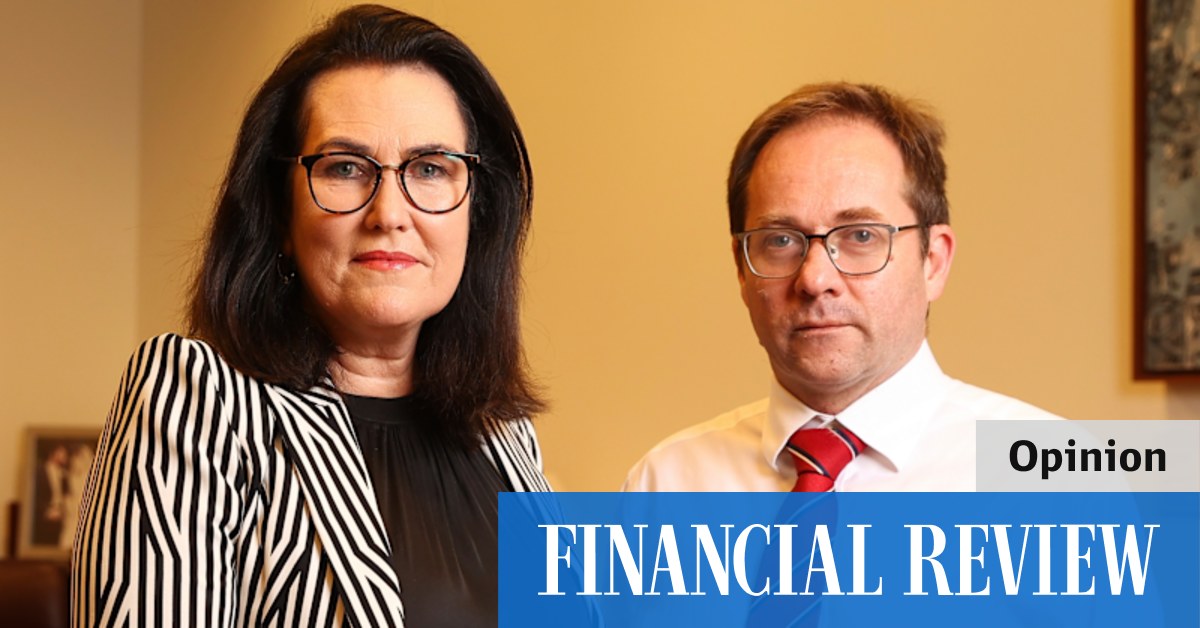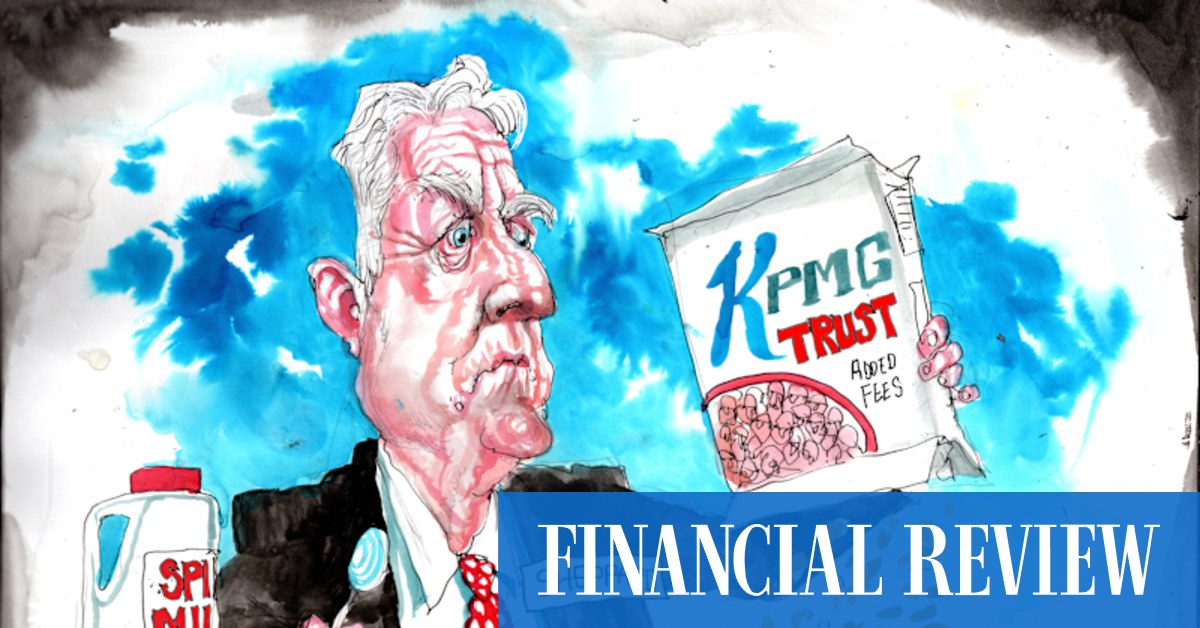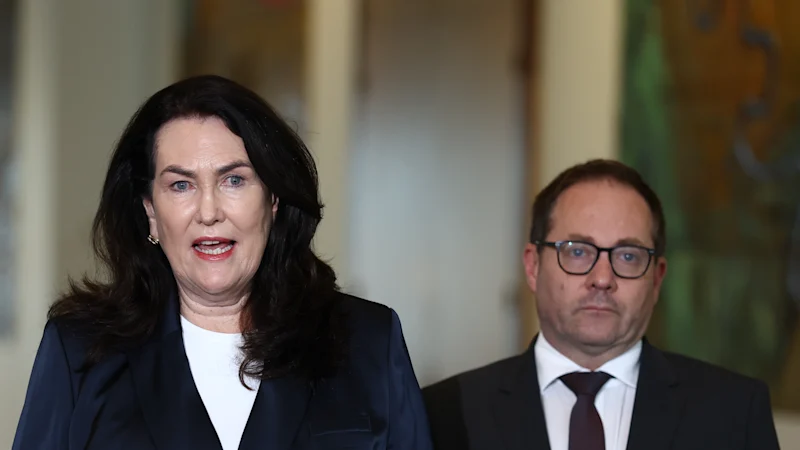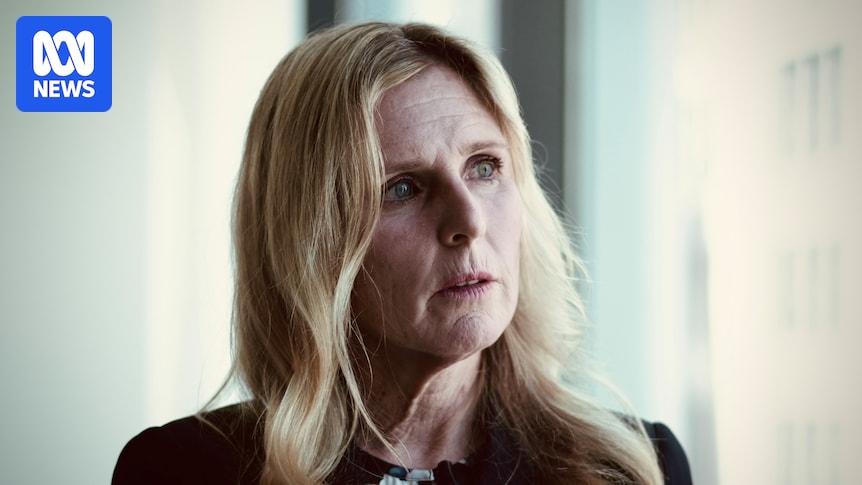
SYDNEY – Australia proposed sweeping changes to the consulting sector including new powers to police the industry and larger fines for poor behaviour, following a string of scandals in recent years.The Treasury released a position paper outlining reforms that may include heightened oversight, including by the corporate watchdog, the Australian Securities and Investments Commission. Other suggestions include creating term limits for audit companies. Currently, only individual auditors – not their firm – are required to switch out from an audit after five years. Reducing the maximum number of partners in an audit partnership was also proposed.The release of the paper follows “dishonest, opportunistic wrongdoings that we’ve seen in the public realm”, Assistant Treasurer Daniel Mulino told reporters on July 1. “We need to look at ways in which we might strengthen regulatory arrangements, particularly in light of the kinds of appalling behaviour that has been exposed in recent years.”Junior staff at consulting giant EY allegedly accessed Australian Prime Minister Anthony Albanese’s bank details before they were detected and fired, Bloomberg reported on June 30. It comes more than a week after lawmakers spent more than 10 hours in Parliament grilling current and former KPMG Australia partners over claims that the firm used private client information to win lucrative audit contracts.The litany of transgressions across major audit, consulting and accounting firms in Australia in recent years has amplified calls to overhaul the industry, which rakes in billions of dollars in revenue every year from customers including the government, corporations and non-profits. “Australians have had enough of the repeated scandals,” said Barbara Pocock, a senator for the Australian Greens party who is among lawmakers pushing the industry to change. The Big Four firms “play by their own rules and get away with it, again and again”, she said. Pocock wants these partnerships to fall under the Corporations Act and to split their audit and consulting arms. PwC jettisoned its government consulting business in 2023 for a dollar after it fed confidential government tax information to corporate clients. Then in 2025, Deloitte Australia used artificial intelligence to write a government report riddled with errors. Pocock and other critics say almost no changes have occurred that would stem such bad behaviour.Meanwhile, KPMG Australia has agreed to not bid for new federal government work for three months and last week unveiled a plan to overhaul its leadership and review its ethics. The moves attempted to draw a line under the scandal, which has already led to the departures of its chair and chief executive.At stake is also the security of confidential data from sources as varied as the Defence Department, Australia’s largest companies including banks, and individuals such as the Prime Minister.Alex Carmichael, former partner at consultancy IBM Promontory, who now runs regulatory compliance firm ausaml.com, said: “The steady stream of proven cases of serious conflict of interest abuse over the past two decades points to a structural problem. Resisting temptation gets harder as the volume and value of sensitive information grow. Size does not make failure inevitable, but in my view, it does make it more likely that one of these conflicts eventually goes wrong.”Consulting and auditing firms are coming under pressure globally, not just in Australia. Saudi Arabia, once a lucrative source of work, has begun scaling back its reliance on external consultants, slashing engagements that previously generated hundreds of millions of dollars in fees for firms such as Boston Consulting Group and McKinsey & Co. Accenture’s shares tumbled in June after the company warned that revenue would slow, as AI disrupts the consulting industry and clients delay spending amid conflict in the Middle East.While greater use of AI at consulting firms may lead to more issues in the future, the recent developments in Australia relate to poor human judgment, said Oluchi Ikechi-D’Amico, a former partner at EY, who now runs her own leadership advisory company in Hong Kong.“It’s about to get harder, not easier, as firms race to put more AI in more hands, faster,” she said. “The tools are getting more powerful and the guard rails around judgment may not keep up.” BLOOMBERG
Australia proposes overhaul of consulting sector following scandals
The proposed measures include new powers to police the industry and larger fines for poor behaviour. Read more at straitstimes.com. Read more at straitstimes.com.
682 words~3 min read