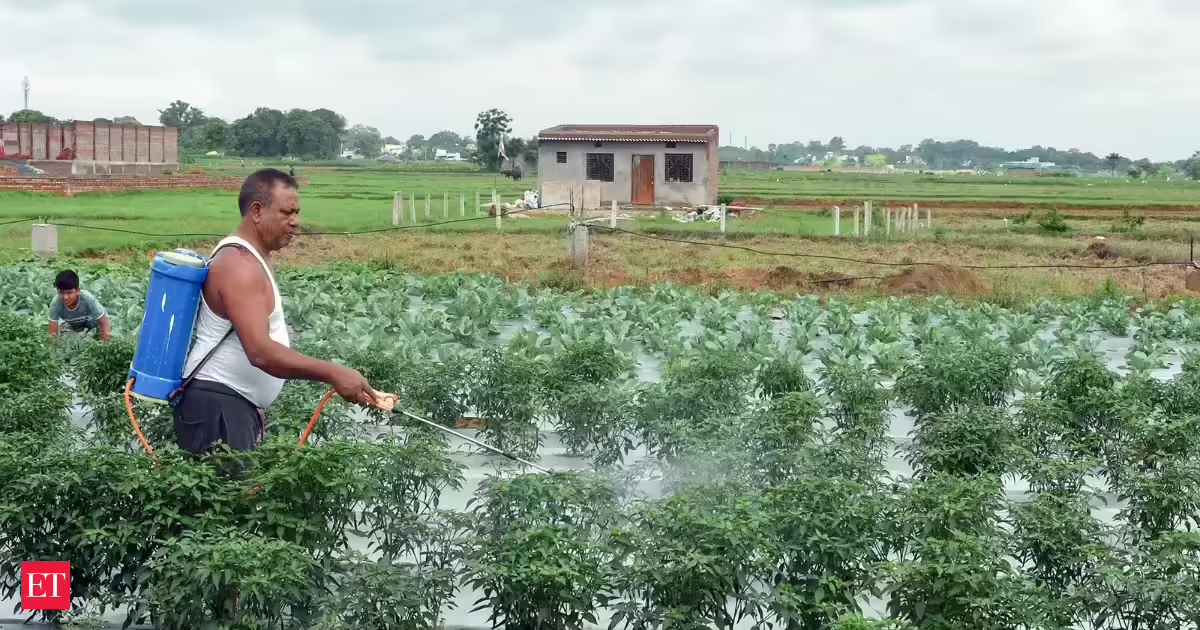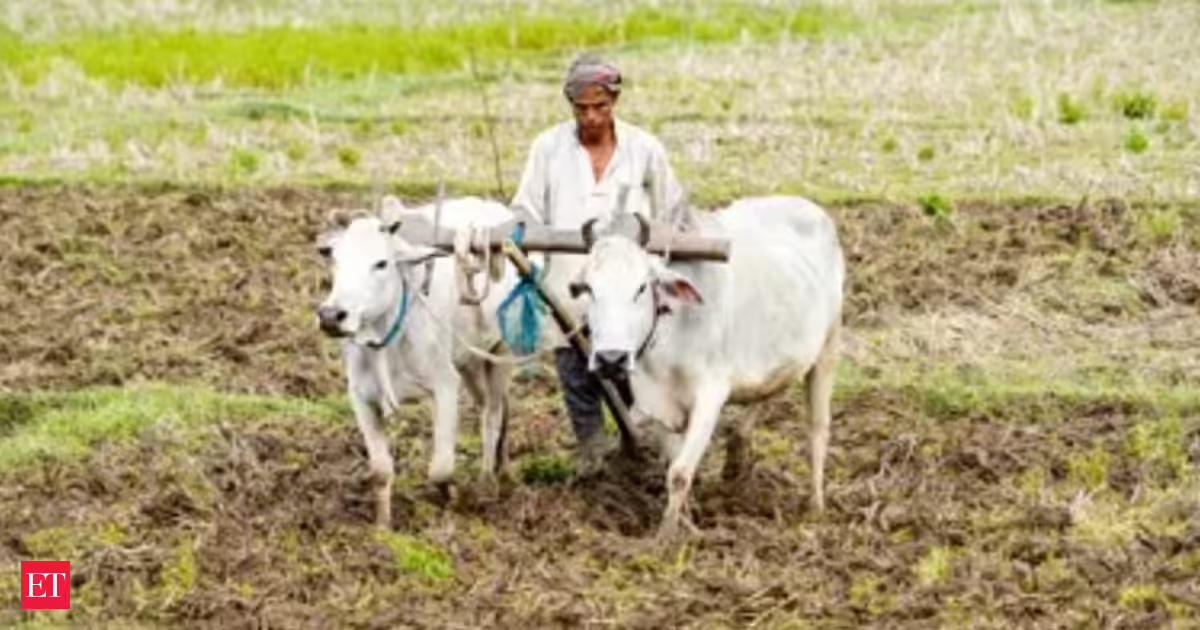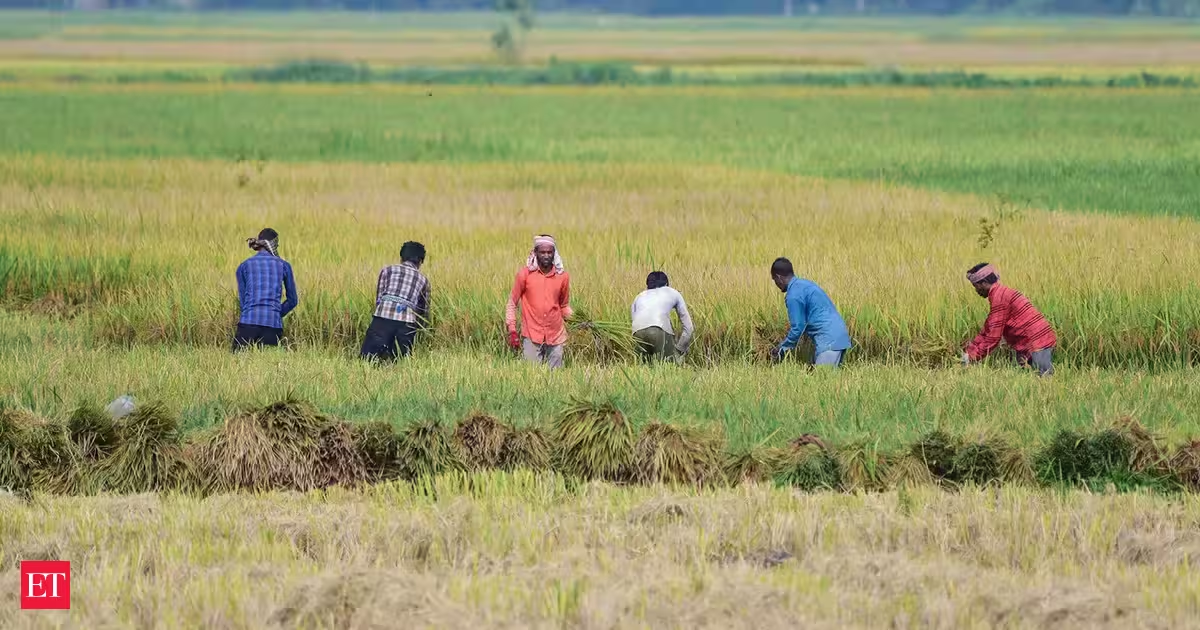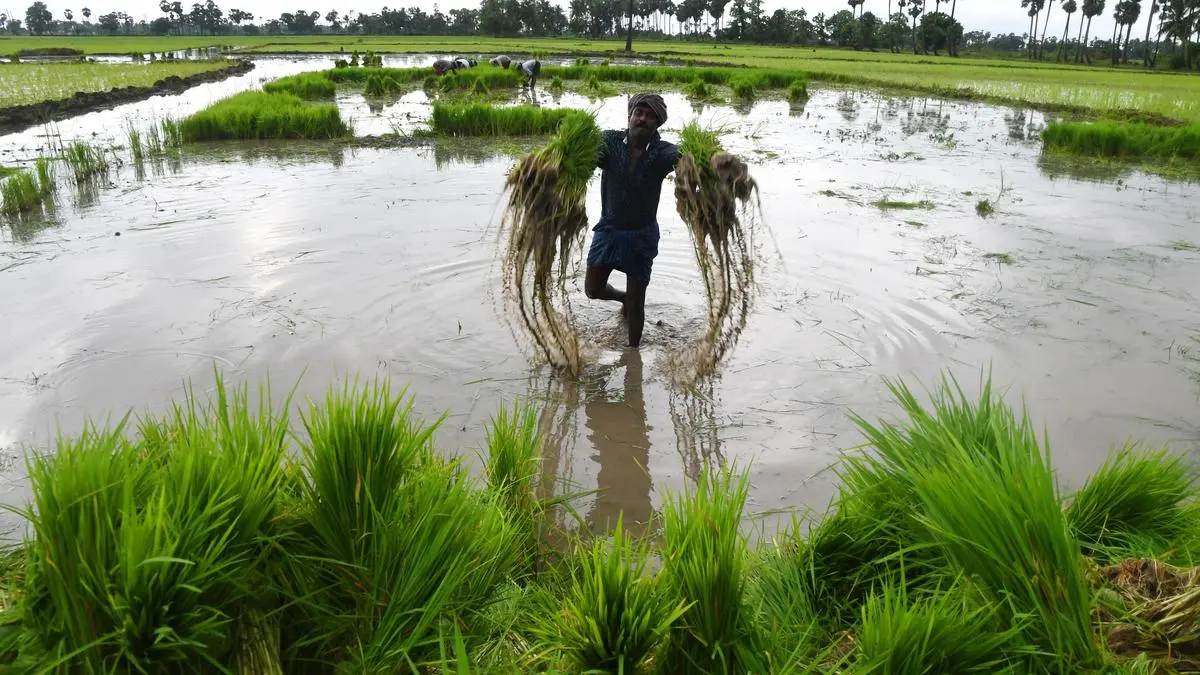
India could face heightened water stress if the southwest monsoon remains weak.
| Photo Credit:
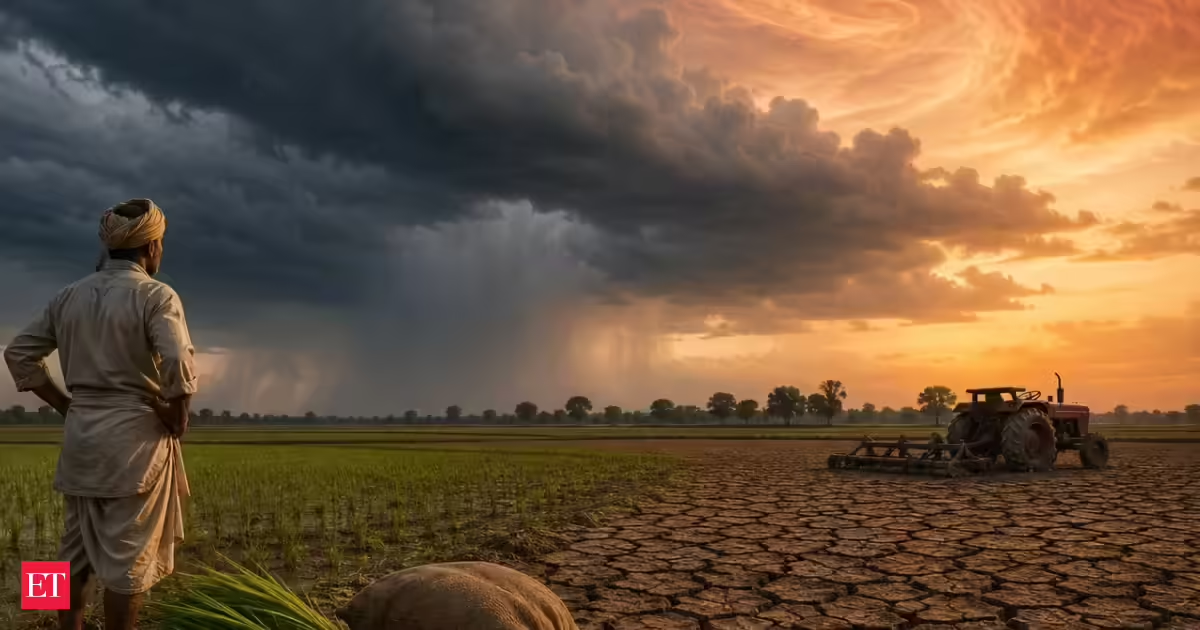
Deficient monsoon years have historically affected kharif sowing, crop output, reservoir levels, rabi prospects and rural incomes, leading to food inflation, according to NSE Market Pulse report.Although improved irrigation coverage, better reservoir storage and policy interventions have reduced the impact on agriculture in recent years, kharif production and food prices remain vulnerable to rainfall shocks.India could face heightened water stress if the southwest monsoon remains weak, with the next fortnight proving critical for Kharif sowing, the report reiterated Indian Meteorological Department’s warning on Tuesday.The report said a positive Indian Ocean Dipole (IOD) could partly offset the impact of an El Nino event this year. However, it warned against complacency, pointing to 2015, when rainfall was 13.7 per cent below normal despite a positive IOD.A weak monsoon would amount to a fresh supply-side shock for the economy, making close monitoring of monsoon progress, spatial distribution of rainfall and reservoir levels essential, the report said.The report also highlighted the broader impact of rising temperatures on weather patterns. India’s average annual temperature has risen from 24.55°C during 1901-40 to 25.38°C during 2014-24, with eight of the country’s ten warmest years occurring in the past decade. Warming is no longer confined to summer, with winter and post-monsoon temperatures also rising, extending heat exposure and potentially affecting reservoir levels, agriculture and energy demand.While India’s long-term average rainfall has remained broadly stable, the report said year-to-year variability has increased, making the distribution and timing of monsoon rainfall more critical than seasonal averages alone.Published on July 1, 2026