Story audio is generated using AI
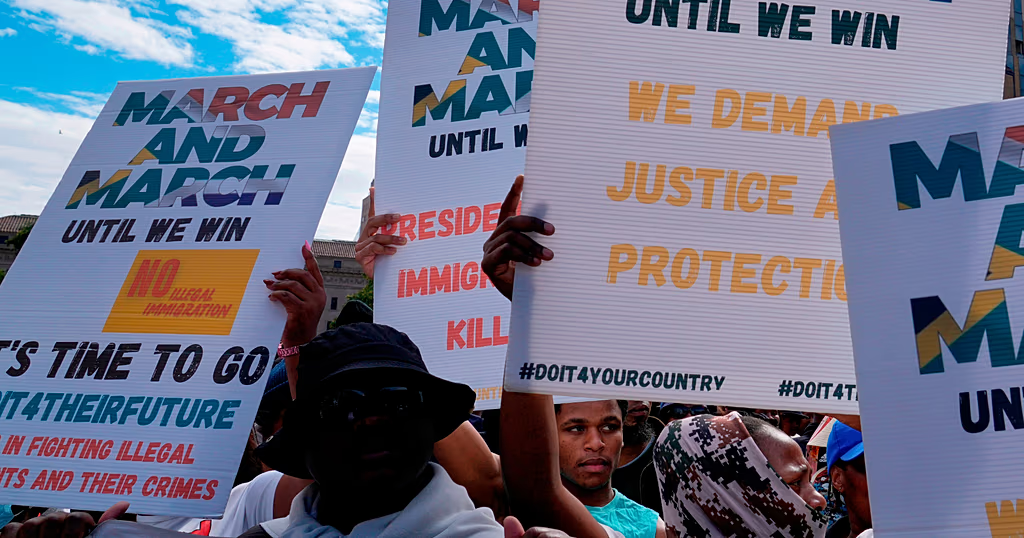
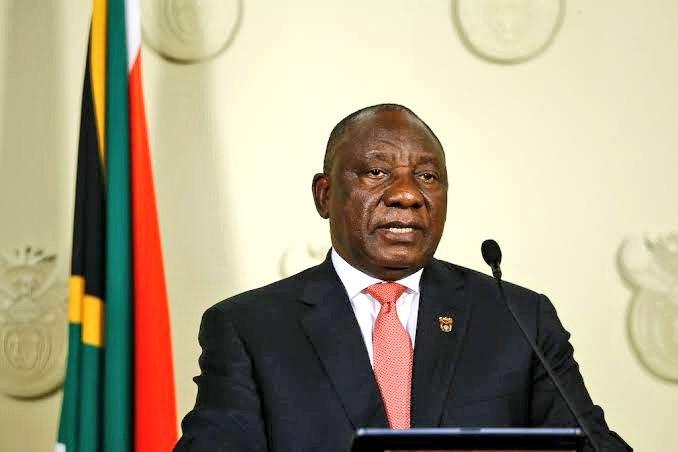
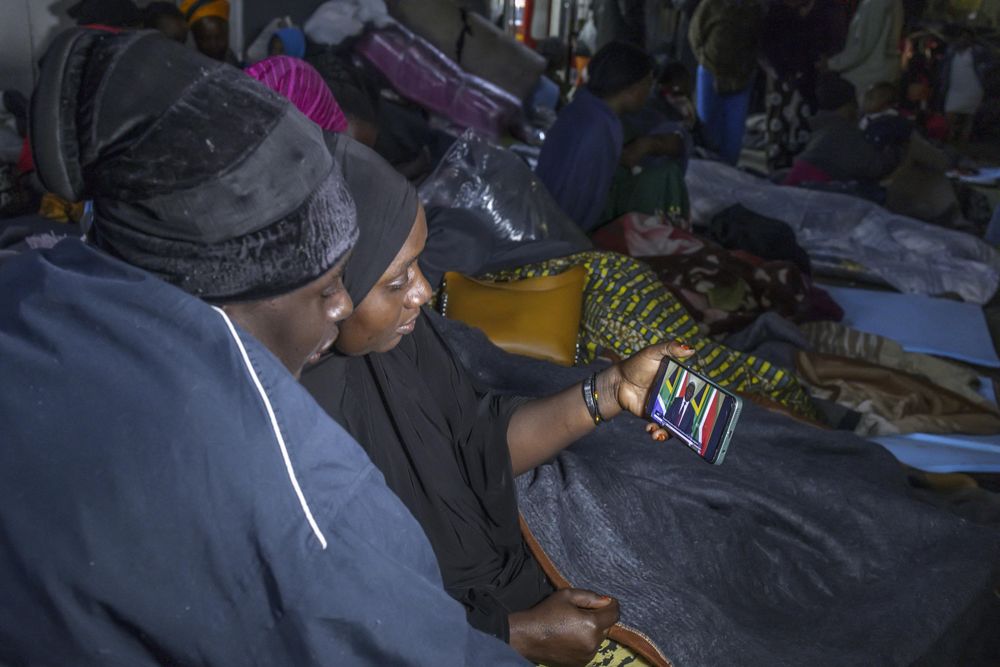
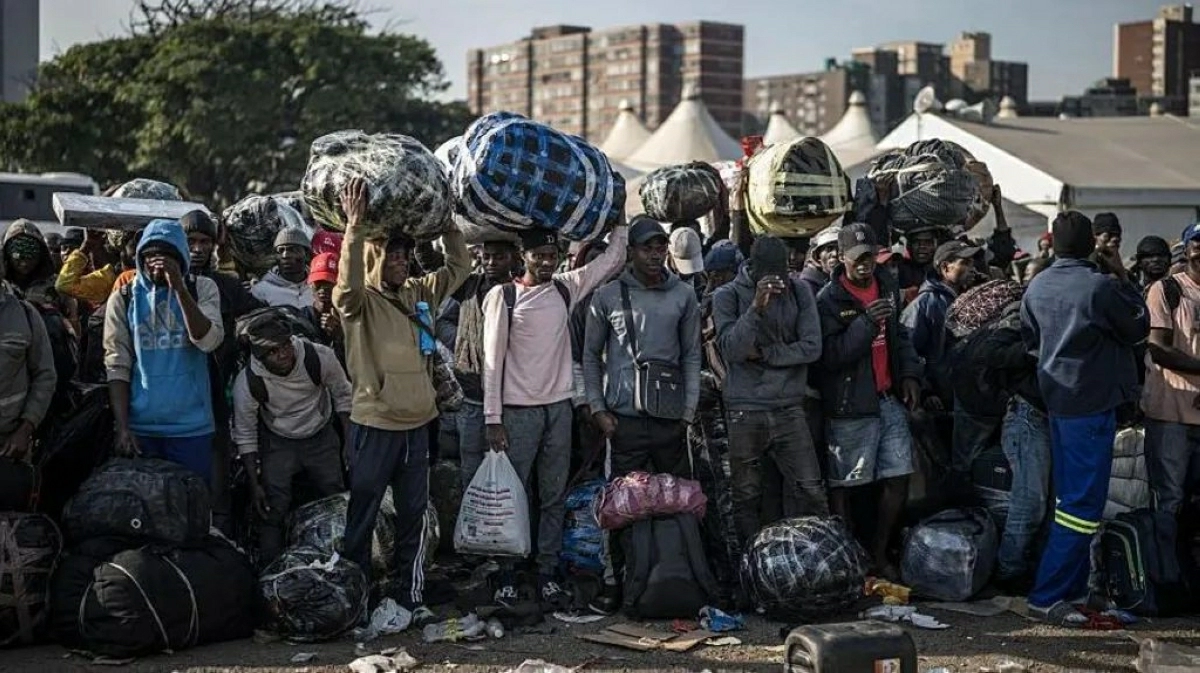
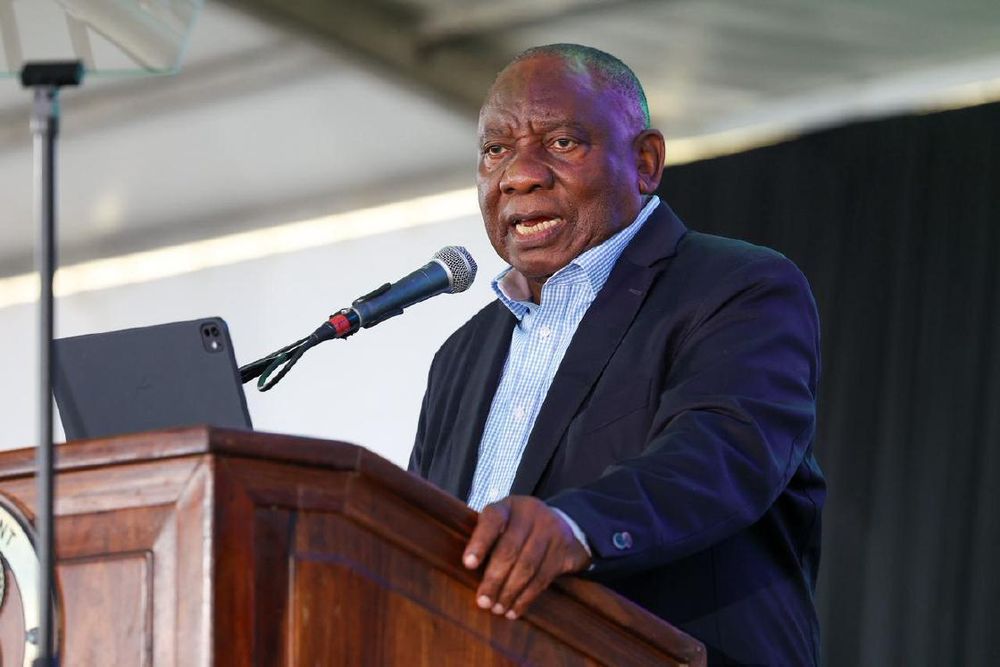
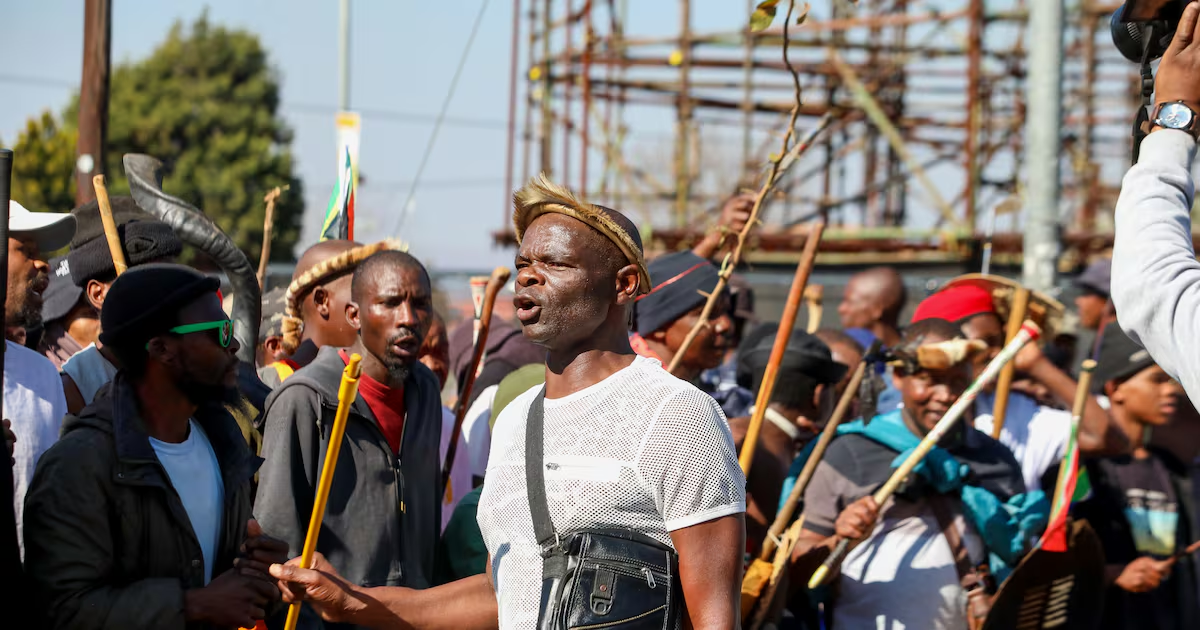
President Cyril Ramaphosa’s intervention appeared to defuse what had been billed as a major protest against illegal immigration in South Africa on Tuesday, blunting an effort he himself had described as an attempt to destabilise the country.A heavy show of force by law enforcement agencies largely kept dozens of planned demonstrations on Tuesday peaceful.In a press briefing on Tuesday night, acting police minister Firoz Cachalia lauded South Africans for not engaging in incidents of criminality during or after the protests against illegal foreign nationals in South Africa. He conceded there were isolated cases, which the police dealt with.The police confirmed on Tuesday afternoon that 195 people have been arrested and 103 criminal cases registered since March 1, specifically regarding protests against illegal migration. Many suspects have also been arrested since the early hours of Tuesday morning for isolated incidents of looting and attempted business break-ins.Protesters march against illegal immigrants from Beyers Naude Square to Hillbrow in Johannesburg on June 30 2026. Picture: (Freddy Mavunda) Cachalia said high police visibility will continue in the next weeks and months, as the government is concerned that protestors have indicated they will continue their actions until the local government elections in November, adding that it is evidence of a political motive behind the protests.“We had a good day. There was a lot of expectation [of criminality] that did not happen. The focus was never just on June 30. We have an ongoing responsibility. The army was deployed on a contingency basis all day. There was a deployment in [Johannesburg] but the police contained the situation. “The police are not demobilising. We are ready for the weeks and months ahead,” Cachalia said.He said claims by anti-immigrant organisations that the protests will continue until the local government elections seem to suggest a political agenda.“The president assured you that July 2021 will not happen again, and it did not happen,” justice minister Mmamoloko Kubayi said at the media briefing. More than 354 people died and R50bn was lost to the economy in 2021 when protestors ran amok, looting malls, warehouses and businesses.High police visibility through officers on the ground, helicopters, vehicles with flashing blue lights and drones, reportedly through a budget amounting to hundreds of millions of rand, prevented anti-immigration demonstrations from escalating into widespread violence, like the 2008, 2014 and 2021 social uprisings in South Africa.After being a little firmer for most of the day, by 7pm the rand had given back those gains, trading flat at R16.39/$. In the 10 days of riots sparked by the jailing of then-president Jacob Zuma in July 2021, the rand lost about 2% of its value.Months of preparation by the civic grouping March and March to embarrass the government through a nationwide protest, capitalising on citizens’ frustrations, did however cause substantial business disruptions.‘Decisive leadership’Political analyst Ryan Cummings said Ramaphosa demonstrated “decisive leadership” by engaging protest organisers rather than ignoring them, while simultaneously making it clear that any demonstrations had to remain peaceful and within the confines of the constitution. Cummings said the president’s willingness to engage with anti-immigration leaders reflects his consensus-driven leadership style, which seeks to bring opposing sides into dialogue rather than deepen divisions. “Ramaphosa did not leave it to his ministers… in 2021 they sat on their hands. Ramaphosa knows the right thing to do, and this time did what was necessary,” said a presidential aide who declined to be named.“Ramaphosa was cornered and came out fighting,” an ANC NEC member added when asked about Ramaphosa’s active response.Cummings also credited the extensive security deployment, informed by lessons from the 2021 unrest, with helping deter criminality and preventing widespread violence.Read: Ride-hailing services continue operating despite June 30 protestsPolitical analyst Paul Berkowitz described the outcome as a “qualified success”, saying strong co-ordination between the police and private security, with the state’s visible show of force, had gone far to ensure the demonstrations remained peaceful. However, he cautioned that the underlying social and economic pressures fuelling public frustration remain unresolved.Political analyst Ongama Mtimka said the government had little choice but to respond cautiously, arguing that while the demonstrations raised legitimate concerns about border management and weaknesses in immigration enforcement, the state also had to guard against perceptions that xenophobic sentiment was being condoned. Mtimka said authorities sought to balance the constitutional right to protest with protecting South Africa’s international reputation as a country committed to human rights.Ramaphosa in recent days met prominent anti-immigration and traditional leaders to prevent violence. The engagements were part of a broader diplomatic and security push by the state to de-escalate the tension.Ramaphosa’s spokesperson Vincent Magwenya confirmed that Ramaphosa warned the leaders that the constitutional right to protest is paired with a strict responsibility to observe the law. March and March founder Jacinta Ngobese-Zuma publicly distanced herself from the meeting, claiming on social media that she was excluded and only found out about the presidency’s engagement online.Among those Ramaphosa engaged is the Congress of Traditional Leaders of South Africa (Contralesa) to outline a five-pillar migration strategy where he urged kings and queens to act as stabilising forces to calm rising xenophobic tensions in rural and local communities. The president also met the head of the Zulu Royal Household King Misuzulu kaZwelithini to co-ordinate stability efforts, specifically in KwaZulu-Natal where the local regiments hold strong community sway.