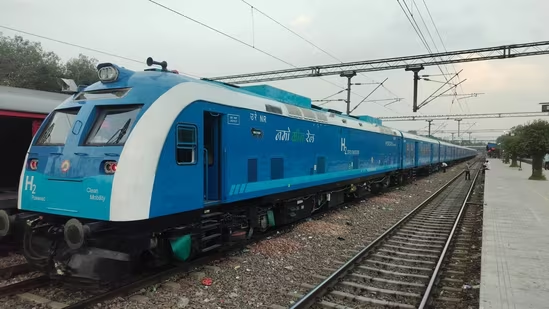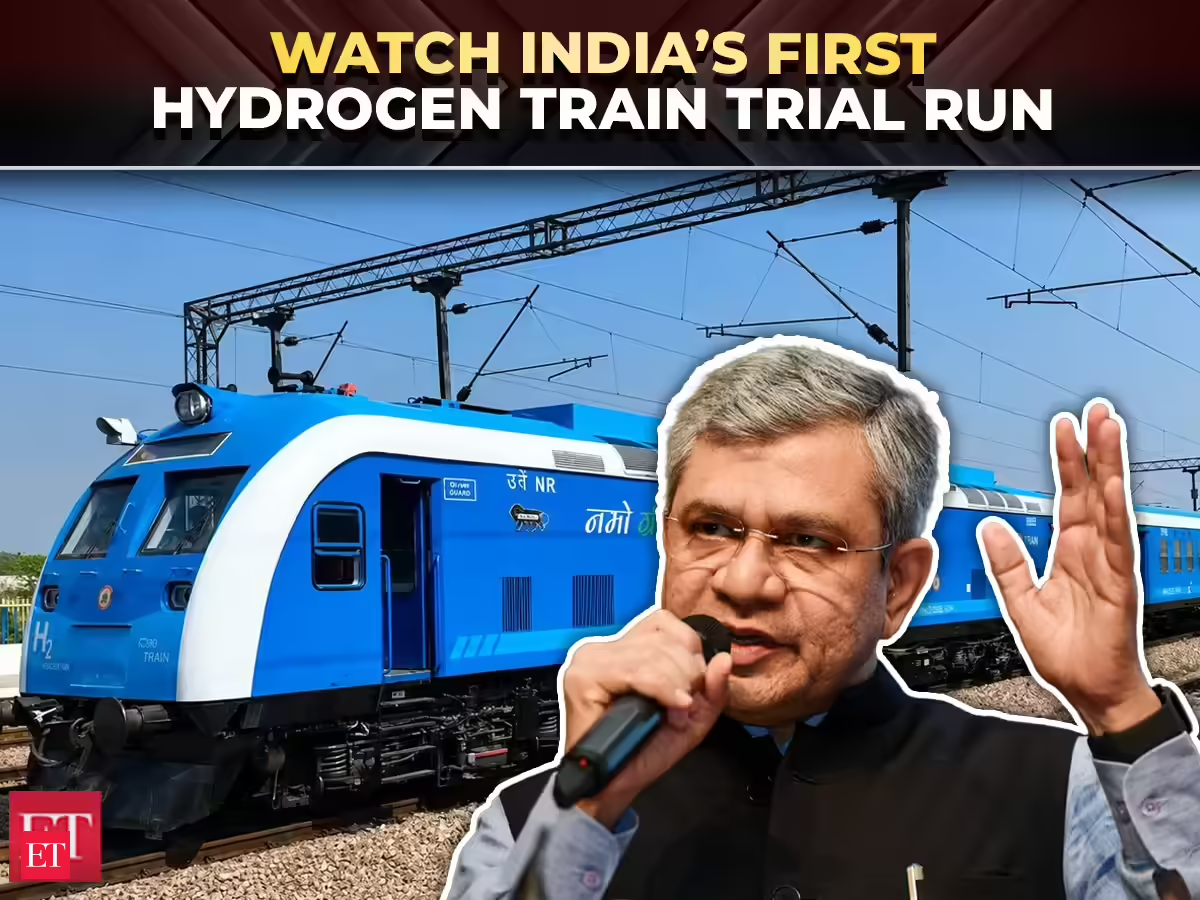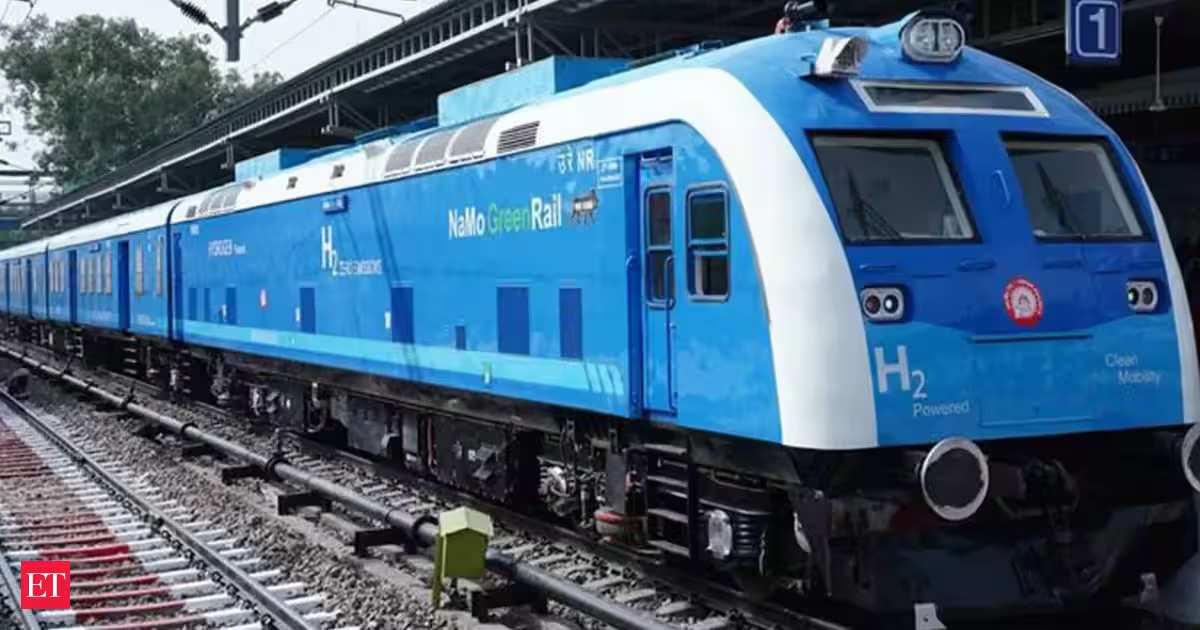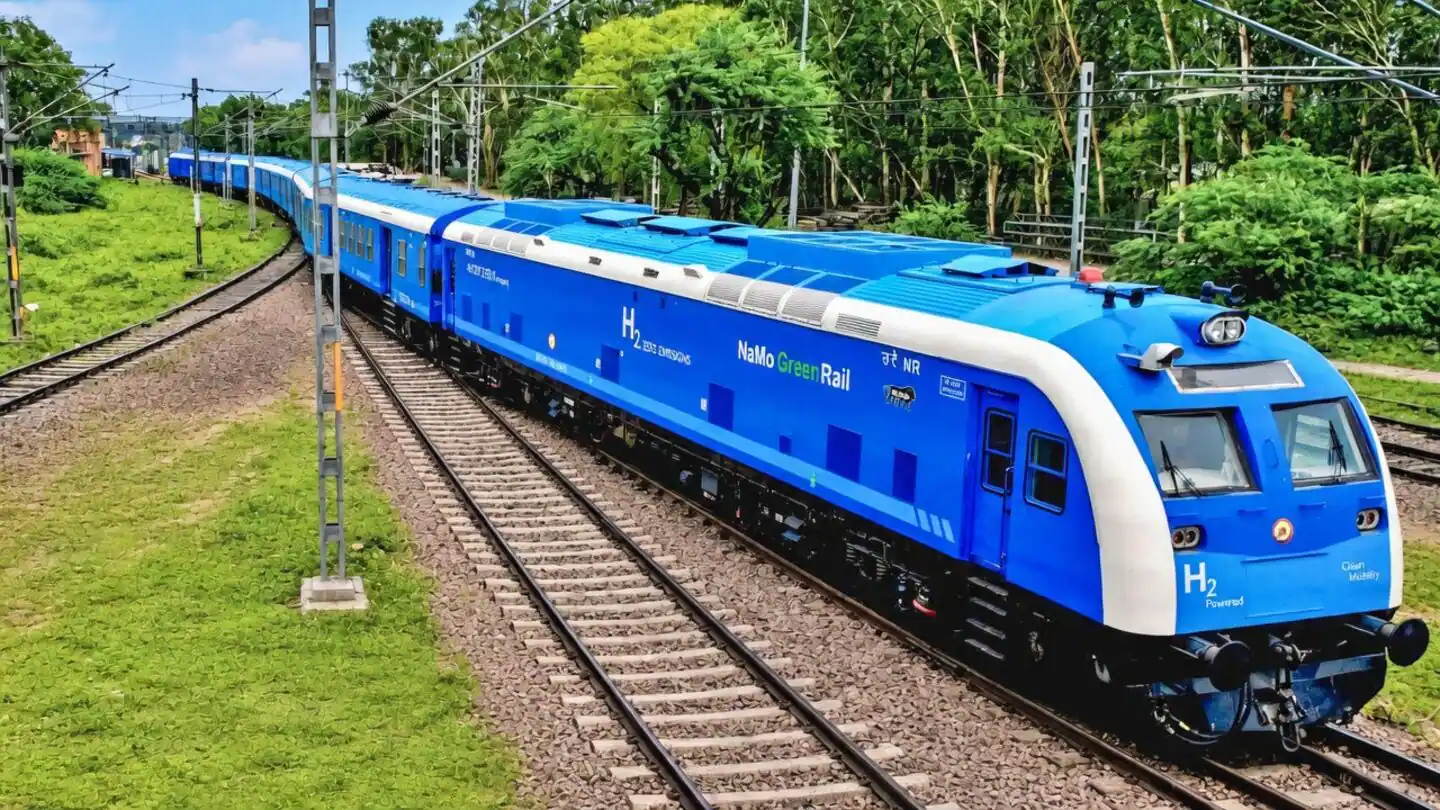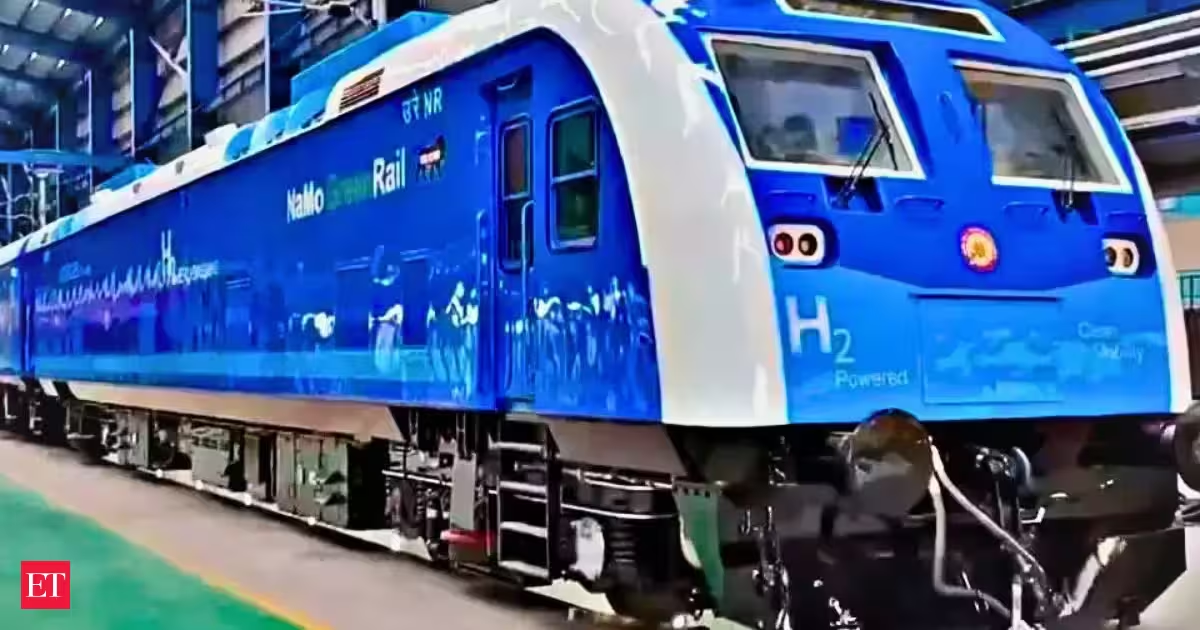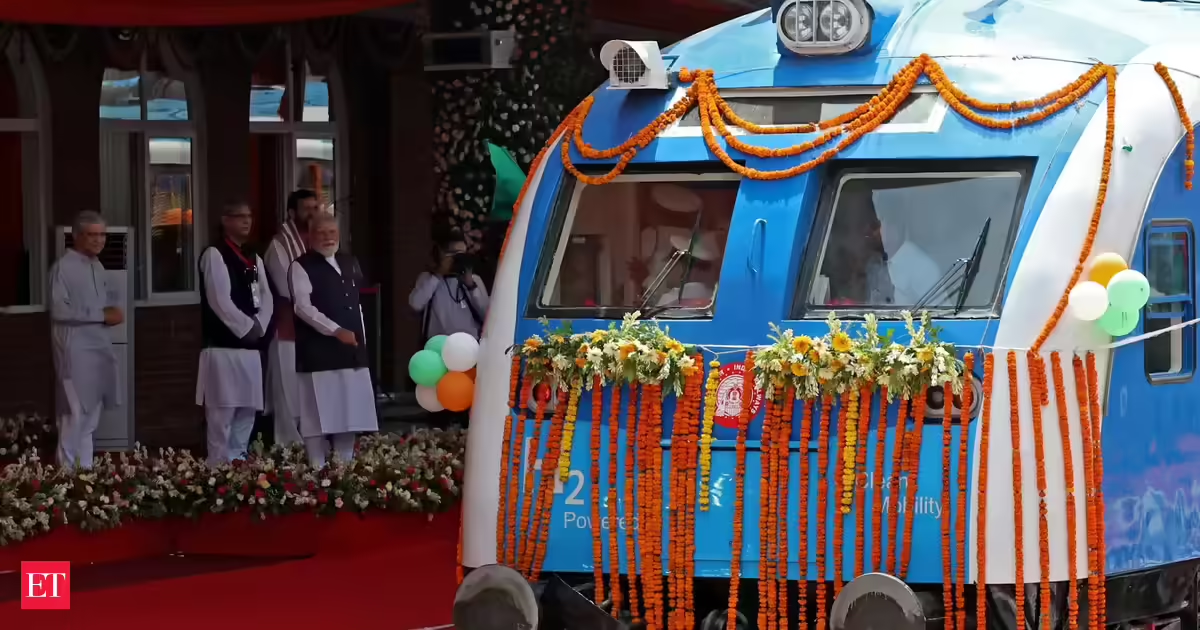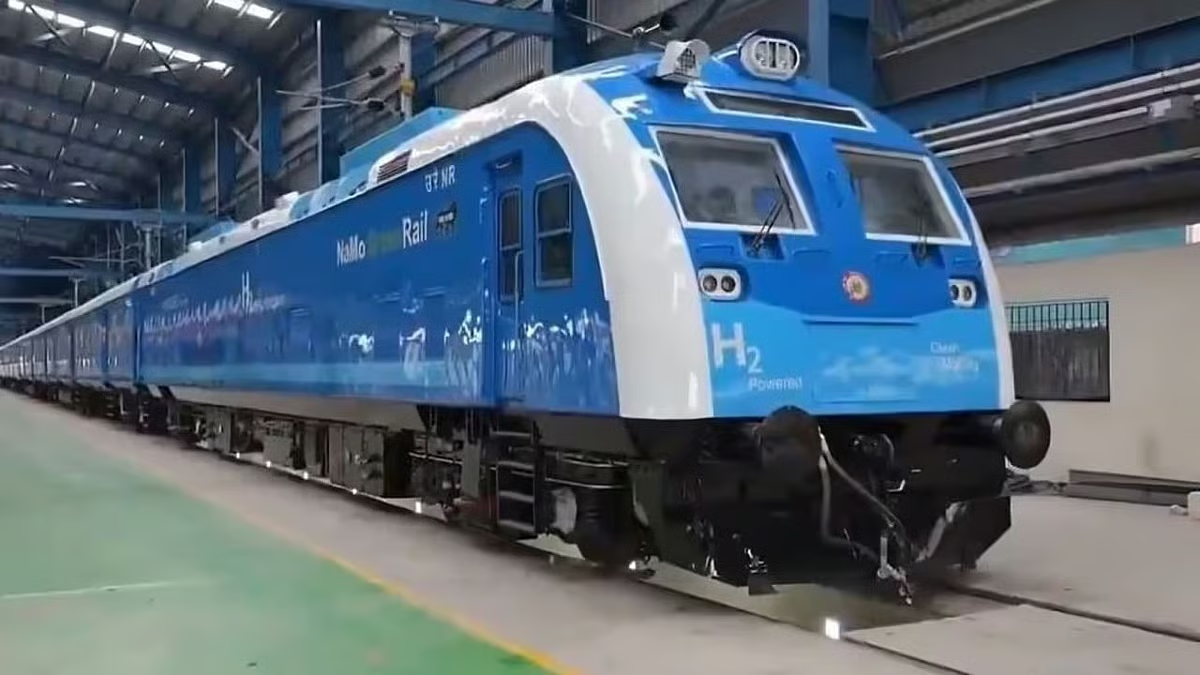
India is edging closer to launching its first indigenously developed hydrogen-powered train, marking a significant milestone in the country’s clean energy transition under Indian Railways’ sustainability drive.The hydrogen fuel-cell train is currently being tested on the Jind–Sonipat route in Haryana and is designed to deliver zero tailpipe emissions, producing only water vapour as a by-product.Milestone gains global spotlightThe official page of the Indian Embassy in the UAE has shared a video highlighting India’s upcoming breakthrough in sustainable transport — its first Swadeshi hydrogen-powered train.Zero-smoke hydrogen technology at its coreThe post describes the next-generation train as being powered by hydrogen fuel-cell technology, designed to significantly reduce emissions and deliver near-zero smoke operation, marking a shift towards cleaner rail mobility.Power, design and operational detailsAccording to the post, the train is equipped with a 1200 kW propulsion system and a 10-coach configuration. It is designed to operate at a maximum speed of up to 75 km/h, aligning with planned service requirements.Jind–Sonipat route approved for trialsThe project has been approved for deployment on the Jind–Sonipat route in Haryana. It forms part of Indian Railways’ broader strategy to build sustainable, future-ready infrastructure and expand clean energy adoption across the network.Key highlightsPower: 1,200 kW hydrogen fuel-cell system (2,400 kW total with two power cars)Coaches: 10-coach configuration (2 power cars + 8 passenger coaches)Speed: Up to 75 km/h in service (120 km/h during trials)Route: Jind–Sonipat pilot corridor in HaryanaEmissions: Only water vapour and heatRange: Around 250 km per refuelling cycleStatus: Approved for trials and early deployment phaseWhat makes this train differentThe train is a retrofitted diesel electric multiple unit (DEMU) converted into a hydrogen fuel-cell system. Instead of burning fuel, it generates electricity through a chemical reaction between hydrogen and oxygen.That electricity powers traction motors, similar to an electric train, but without overhead wires or diesel combustion.How hydrogen fuel-cell technology worksHydrogen fuel cells generate electricity through a reverse electrolysis process:Hydrogen stored onboard combines with oxygen from the airElectricity is produced to power the trainWater vapour and heat are released as by-productsThe system also includes batteries, which store excess energy and support acceleration as well as regenerative braking.Built in India under Swadeshi pushThe project has been developed under the Atmanirbhar Bharat initiative, with:Design by RDSO, LucknowManufacturing by Integral Coach Factory, ChennaiTechnology collaboration with global partnersIndia now joins a select group of countries exploring hydrogen rail systems, including Germany, Japan, China and the United States.Why Jind–Sonipat was chosenThe Haryana corridor has been selected as a pilot route due to:Dedicated hydrogen storage and refuelling facility at JindOperational suitability for controlled trialsSafe environment for testing systems and performanceThe route also fits into India’s wider plan to deploy hydrogen on non-electrified or difficult terrain sections.Safety and infrastructureIndian Railways has deployed multiple safety systems, including:Hydrogen leak and flame detectorsContinuous monitoring infrastructureTrained staff during the trial phasePESO-approved storage and dispensing licencesA dedicated hydrogen plant at Jind produces around 420–430 kg of hydrogen daily, with storage capacity of up to 3,000 kg.Why it mattersCleaner mobility pushHydrogen fuel-cell trains produce zero direct emissions, positioning them as a potential alternative for sustainable rail transport.Expanding green hydrogen ecosystemThe project supports India’s long-term goal of building a green hydrogen economy and reducing fossil fuel dependence.Strategic transport innovationIf successful, the technology could be expanded to routes where full electrification is difficult or economically challenging.Challenges aheadDespite its promise, hydrogen rail faces several hurdles:High production and infrastructure costsDependence on green hydrogen for full climate benefitsComplex storage and compression requirementsPerformance testing across varied climate conditionsThe bigger pictureThe hydrogen train is being viewed as a pilot for future rail transformation. While electrification remains India’s primary rail strategy, hydrogen is emerging as a complementary solution for niche and heritage routes.If successful, it could reshape how India approaches clean, flexible and self-reliant rail transport in the years ahead.
No diesel, only water: Inside India’s hydrogen train — speed, route and why it matters
India’s first hydrogen fuel-cell train on the Jind–Sonipat corridor promises zero tailpipe emissions, 75 km/h service speed and a major green rail milestone
622 words~3 min read