IMF says NZ economy likely contracted in June quarter because of Middle East conflictScales back 2026 growth forecast to 2 percent; 2.7 percent in 2027Inflation expected to hit 4 percent before easing; RBNZ should raise interest rates soonStructural reforms needed to tackle deficits; urges tax reforms, superannuation changesFinancial buffers need to be rebuilt to prepare for future shocksIMF recommends adopting artificial intelligence to drive growthThe government needs to get control of its finances and make broad-based tax and regulatory changes to bolster growth, according to the International Monetary Fund (IMF).In its annual health check on the country, it said the economy was growing at the start of the year before the disruption of the Middle East conflict and oil shock, which has probably meant growth contracted in the second quarter."This is weighing on New Zealanders' disposable income and raising input costs for New Zealand firms. There are signs that elevated uncertainty is affecting business confidence [and] investment decisions, and weakening household consumption," the IMF report said.It scaled back its growth forecast for this year to 2 percent, and 2.7 percent in 2027. Inflation was forecast to peak around 4 percent before falling to the Reserve Bank 2 percent target next year.However, the IMF said the RBNZ needed to start raising the official cash rate soon to get it back to a neutral level by the end of this year, which has been estimated to be around 3 percent.The IMF's New Zealand country manager, Yan Carriere-Swallow, said the RBNZ would have to be "nimble" about applying policy and move more quickly if there were signs that inflation was more broad-based and entrenched.Rebuild financial buffersCurrent financial policies were said to be appropriate with an emphasis on tackling deficits, and rebuilding financial buffers to be prepared for future shocks.Carriere-Swallow said the government needed to be careful as it looked to cut costs and return to surplus." While the efforts to contain operating expenditure and improve public-sector efficiency are welcome and should continue, workforce reductions should be carefully prioritised and sequenced to protect the highest value uses."It said there were challenges such as lifting productivity, addressing persistent infrastructure and housing supply gaps, and looking at the costs of an ageing population.Superannuation change neededThe IMF renewed its call for reform of superannuation, which Carriere-Swallow said was becoming urgent in the context of returning to budget surpluses."We think the reform agenda should include a look at raising the age of retirement and means testing."Such reforms need to be signalled early and carefully designed to distribute the adjustment across generations, preserve retirement-income adequacy, and support capital market deepening by mobilising long-term private savings."But he said the moves to strengthen KiwiSaver contribution rates and participation were welcome and accompanied changes to superannuation.Call for capital gains taxThe IMF said that as part of the government's move to get back to budget surplus and balanced books, it needed to look at further ways of raising revenue."Revenue reforms also introduce efficiency and equity trade-offs that would need to be carefully assessed. Potential measures could include a comprehensive capital gains tax and reforms to land value taxation."Carriere-Swallow said tax reform would reduce distortions in the tax system such as over-investment in housing.As part of its prescription for improved growth, the IMF said New Zealand was well placed to adopt artificial intelligence but needed to be careful about the impact on workers because potentially a third of them might be hit."The overall employment effects will depend on whether AI-related productivity gains generate sufficient demand and new job opportunities for these workers, and on how easily they can transition to other occupations."
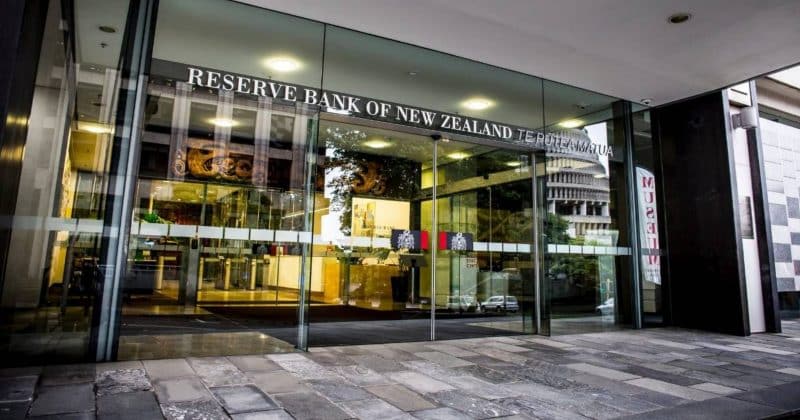
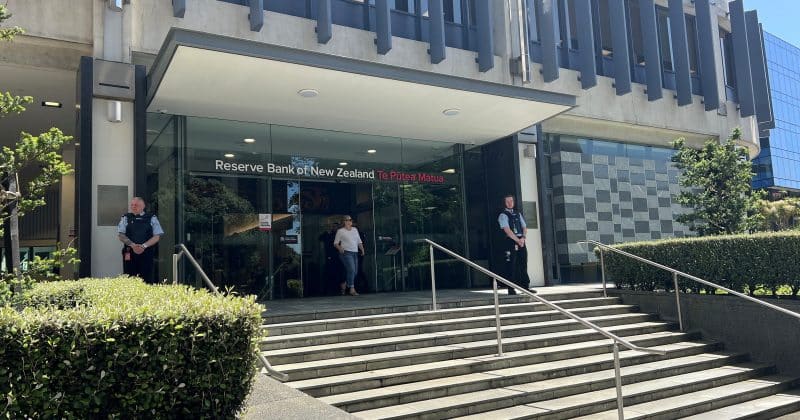
IMF calls on Reserve Bank to raise interest rates soon
The government needs to get control of its finances and make broad-based tax and regulatory changes to bolster growth, according to the International Monetary Fund (IMF).
598 words~3 min read