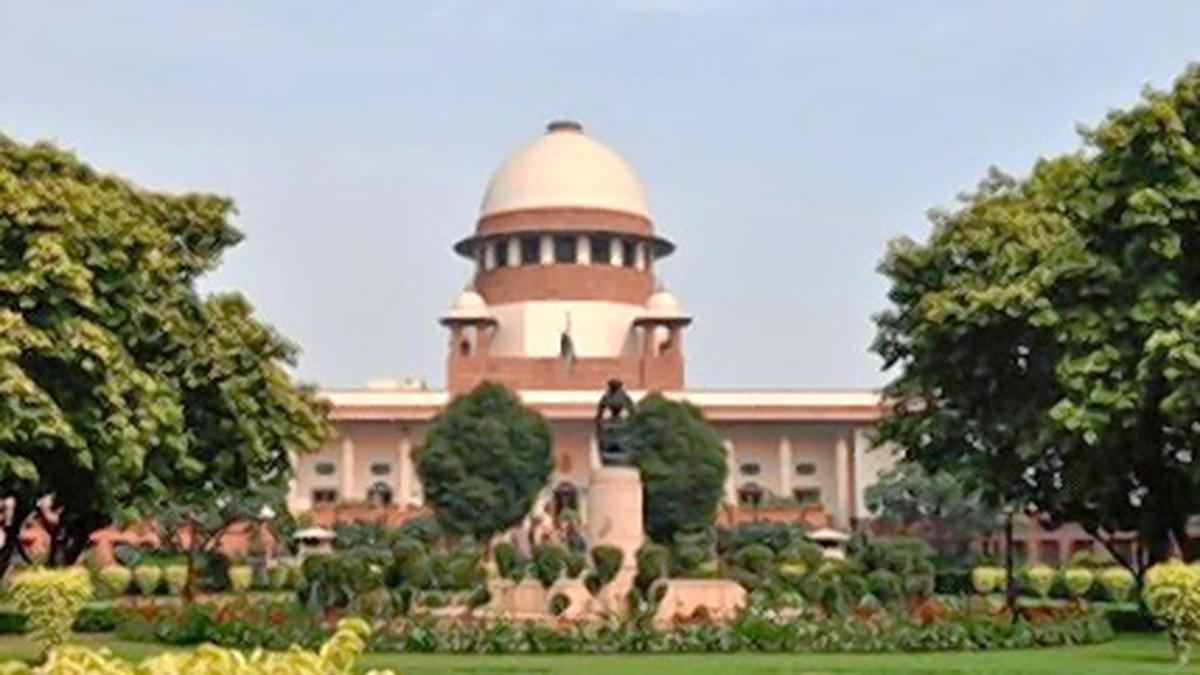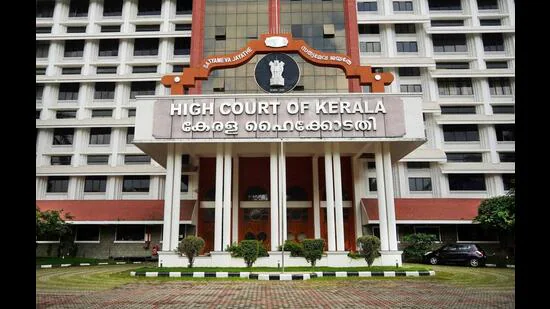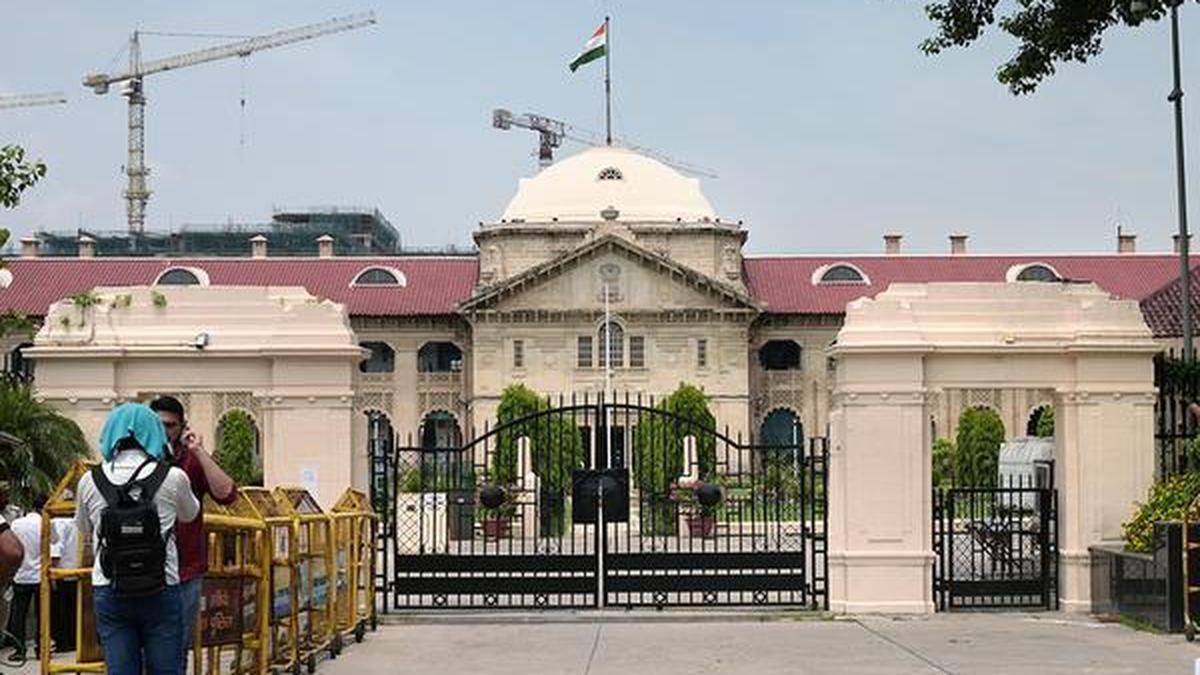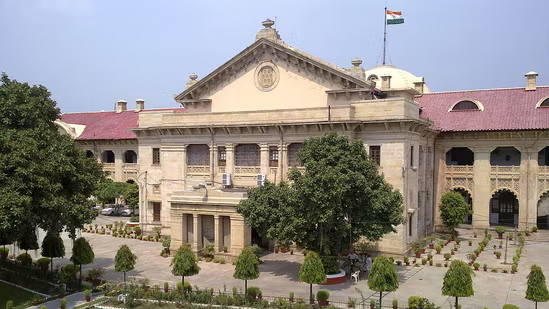
A recent order of the Allahabad High Court, arising from a criminal writ petition, ventured into an unexpected question: Who is “entitled” to be addressed as “Honourable”? The issue before the court was minor. A complaint in an FIR had referred to a Member of Parliament without the honorific style of address. Hearing this narrow procedural issue, the court declared that this particular style of address must be used for ministers, judges, and other “similar functionaries”.The Allahabad High Court's recent order sparked debate after it raised an unusual question: who can rightfully be addressed as 'Honourable'?At a cursory level, this may appear a matter of courtesy — or in this particular instance, a matter of failing to extend courtesy, whether inadvertent or deliberate. Consider it at length, and the matter raises a deeper constitutional question: What place do honorific titles have in a republic that explicitly abolished titles?Also Read: The Economist’s India column, ‘Ashoka', is condescendingOne need only look at Article 18, and the anti-feudal nature of the Constitution becomes clear. Article 18 forms part of the Constitution’s equality code. Its abolition of titles marked a decisive break from India’s colonial and feudal past. Colonial governance relied heavily on honorific distinctions — Raja, Maharaja, Nawab, Rai Bahadur, Sir — to reward loyalty to the colonial government and reinforce hierarchy. Titles created distance between rulers and the ruled.The Constitution rejected that hierarchy. In a republic, citizens are not ranked by State-sanctioned honour. As for public office, India’s foundational document reimagined this as service rather than status.The provision contains a narrow exception: The State may confer academic and military distinctions and recognise certain exceptional individuals by granting them certain honours. The reason is clear. Academic titles recognise learning; military decorations recognise service in defence of the nation. That said, common understanding in the country doesn’t make honorifics out of such conferments.The constitutional clarity on the matter makes the present development striking. The order does not formally confer a title. Yet, by declaring who is “entitled” to an honorific, it risks performing a similar function in practice. Judicial language does not operate in a vacuum. When courts speak of entitlement to honour, they can normalise a hierarchy the Constitution sought to dismantle.The social afterlife of titles has been long. Just days after the court’s order, media coverage of the 2026 Met Gala in New York introduced two Indian attendees as “Princess” Gauravi Kumari and “Maharaja” Sawai Padmanabh Singh, invoking dynastic lineage as contemporary identifiers. The event has no connection to the court’s order, yet the coincidence is revealing. In two different arenas — constitutional adjudication and global popular culture — the vocabulary of rank resurfaced almost simultaneously.Also Read: Waiting for a law against custodial tortureThe law withdrew recognition from hereditary titles decades ago; public language continues to find occasions to revive them.This brings us to the question: Does the dispensing of sovereign functions vest “honour” in a person or accountability? The high court order links the honorific in the present instance to the exercise of sovereign functions. This reasoning deserves scrutiny.In constitutional law, being a functionary for the sovereign is not a badge of prestige. It is the basis of accountability. The definition of “State” under Article 12 was expanded precisely so that those exercising public power could be held responsible for upholding fundamental rights. Sovereign authority is, thus, something citizens may question, challenge, and litigate against.Recasting sovereignty as a ground for honorific entitlement reverses this logic. It shifts emphasis from accountability to prestige. Public office begins to appear less as a position of responsibility and more as a source of ceremonial distinction.The order also creates an open category of “similar functionaries” who may be entitled to the honorific. Such open-ended language rarely contracts the ambit later. Over time, more offices may quietly acquire expectations of honorific address — not through law, but through habit, deference, and institutional culture.There is also a practical paradox. Criminal law may investigate allegations against public officials, though prior sanction requirements often make such investigations difficult to initiate. Against this background, the language of honour sits uneasily beside the language of accusation.In effect, there is a fundamental opposition of underlying ethos between the language of criminal law in the country and the using of honorifics for those who hold public office.To describe a person facing criminal allegations as “Hon’ble” produces immediate linguistic dissonance. Honorifics signal dignity and esteem; criminal allegations signal suspicion and scrutiny. This tension is not merely stylistic.Language shapes perception. When attention shifts from the substance of allegations to the tone in which authority is addressed, focus moves from accountability to etiquette.Also Read: Delhi's temperature read 37°C. It felt like 53°C. Here's why that is dangerousTone policing becomes a subtle mechanism of power: What is said matters less than how respectfully it is said.The deeper concern raised by this episode is cultural rather than doctrinal. The Constitution sought to move India away from the vocabulary of rank and honour toward a language of public service and accountability. That transition remains incomplete.When courts begin defining who is “entitled” to honorifics, the risk is not immediate legal violation but gradual constitutional drift. The republic begins to sound less like a community of equal citizens and more like a hierarchy of dignified offices.India’s constitutional promise was clear: The State would no longer confer titles, except in narrow academic and military contexts.The challenge today is to ensure that the republic does not slowly return to the language of rank that the Constitution sought to leave behind.Sumit Baudh is professor of law at OP Jindal Global University and author of the forthcoming book, Law at the Intersection of Caste, Class and Sex. The views expressed are personal
Who is ‘Honourable’ in the Indian republic? High Court order sparks a question
In a republic, citizens are not ranked by State-sanctioned honour. As for public office, the Constitution reimagined this as service rather than status.
946 words~4 min read