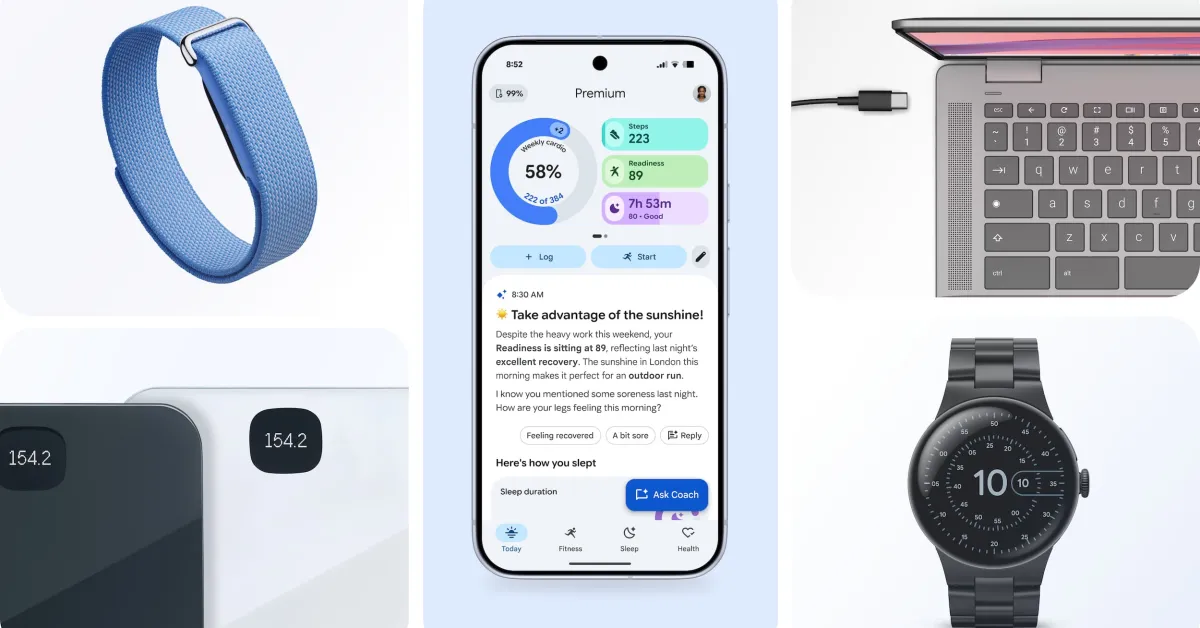
In the era of proactive wellness, health data integration has become the backbone of modern digital therapeutics. Whether it's tracking heart rate variability or monitoring blood glucose levels, the challenge isn't just getting the data—it's handling the massive scale of incoming telemetry from Apple HealthKit and Google Health Connect while ensuring it follows the FHIR standard (Fast Healthcare Interoperability Resources).
Building a Golang backend to handle this is a popular choice for developers who need low-latency processing and high concurrency. In this guide, we will design a scalable architecture that transforms raw, messy JSON from wearable devices into structured, interoperable healthcare records. If you're looking for more production-ready patterns regarding healthcare data privacy, check out the deep dives over at WellAlly Blog.
The Architecture: From Raw Telemetry to Interoperable FHIR
Processing wearable data at scale requires a decoupled architecture. We need to ingest data quickly, acknowledge the request, and process the heavy "standardization" logic asynchronously.
graph TD