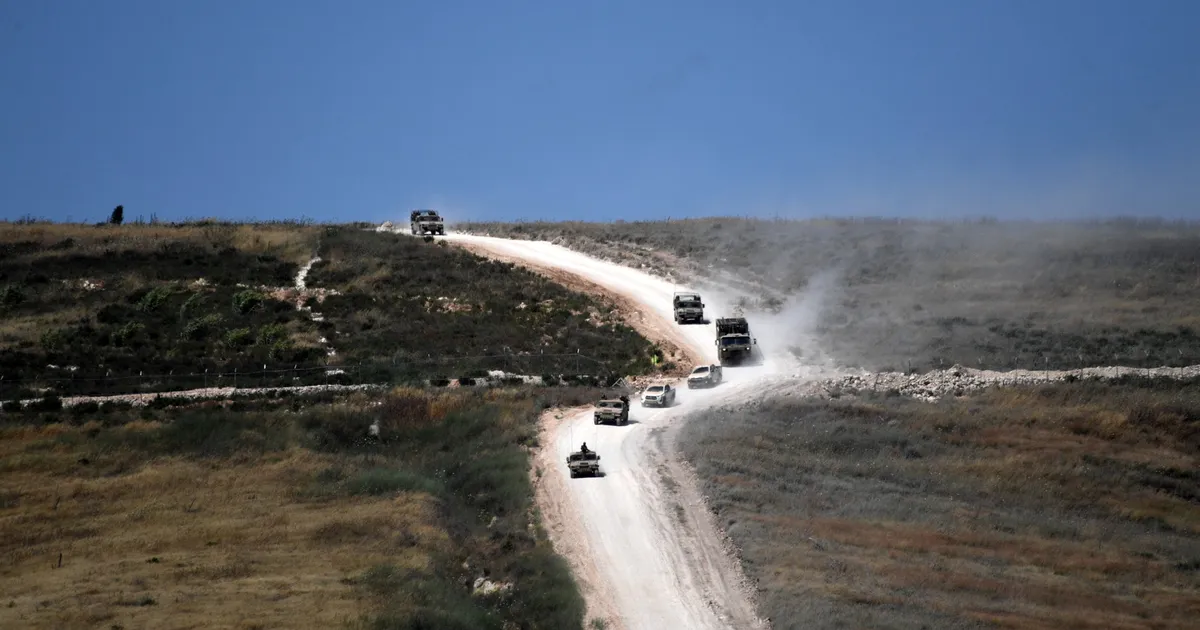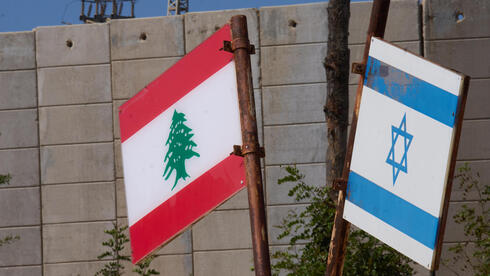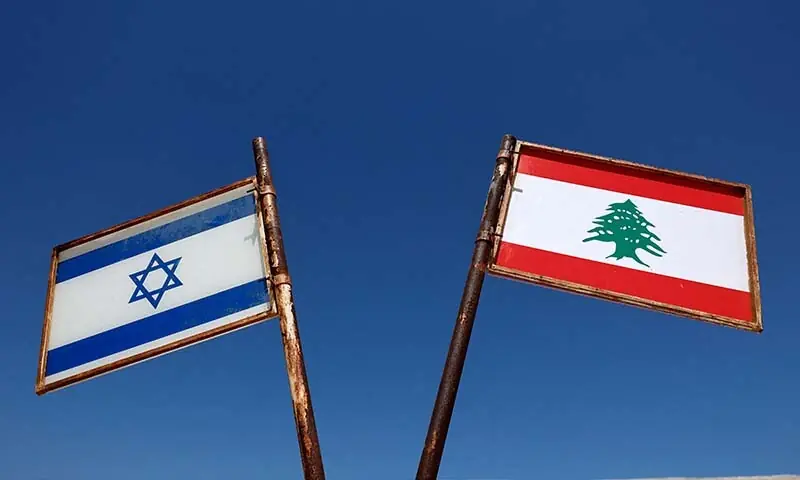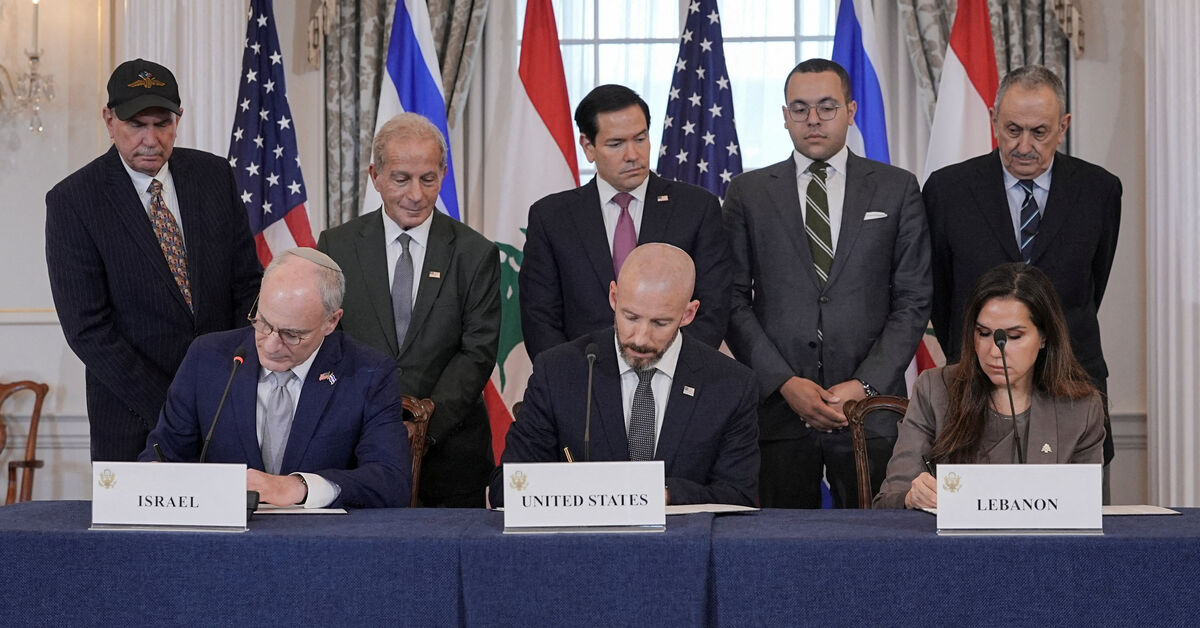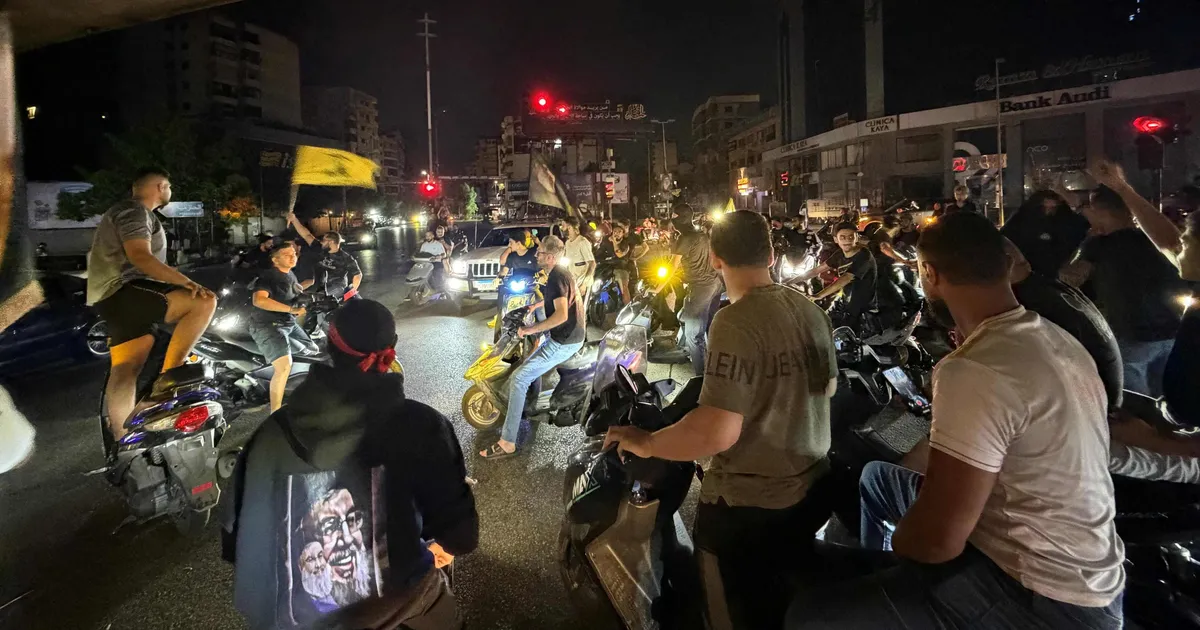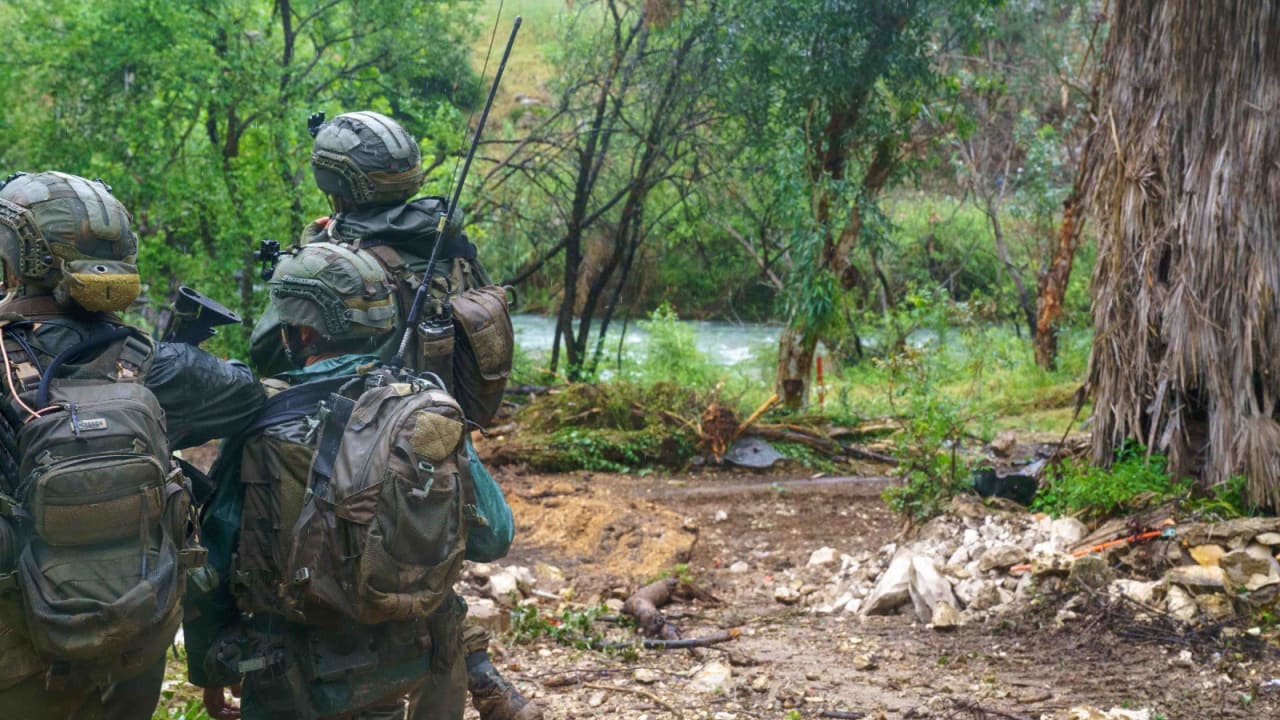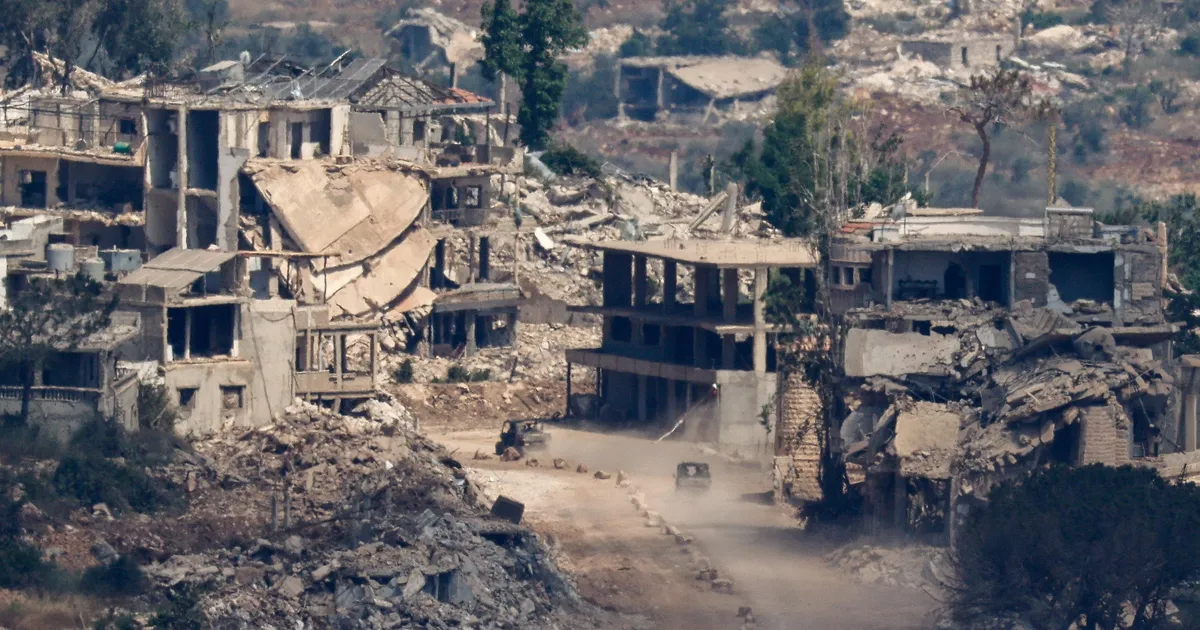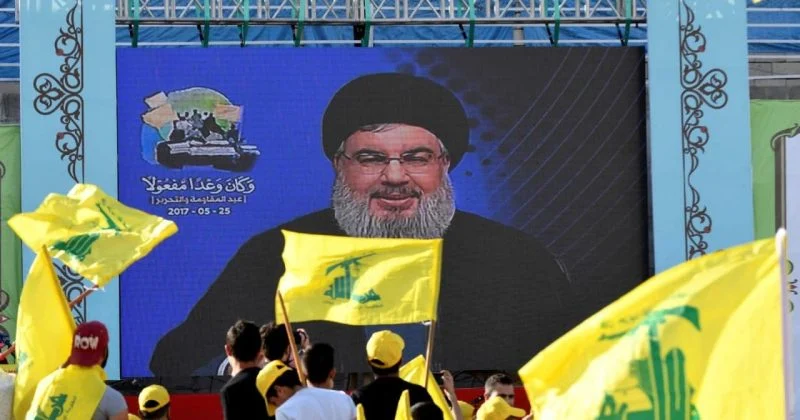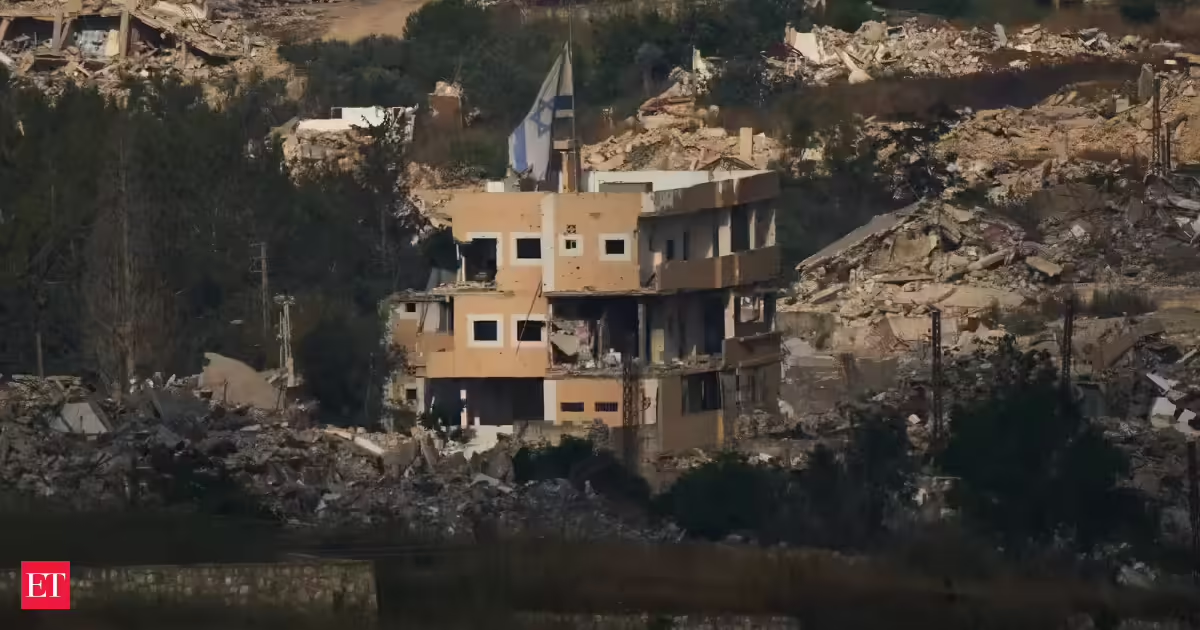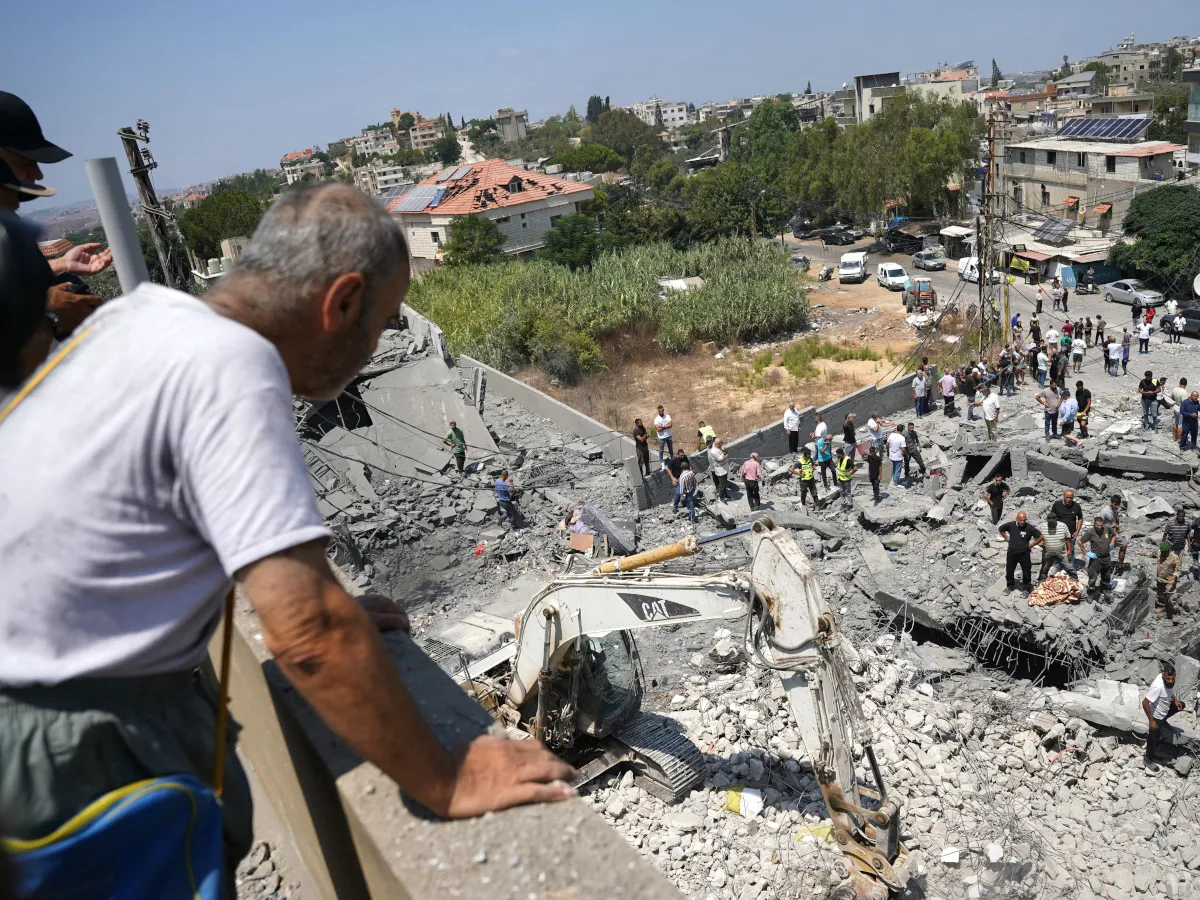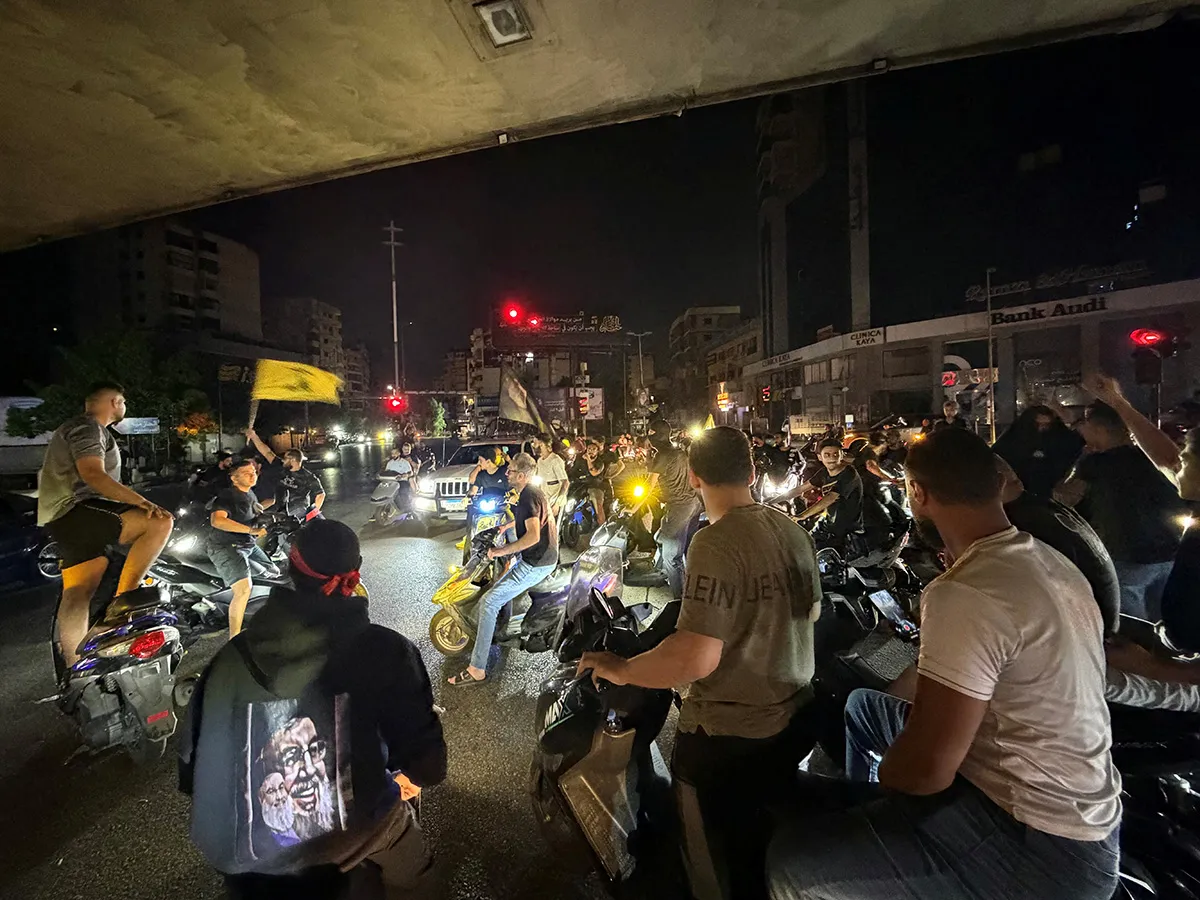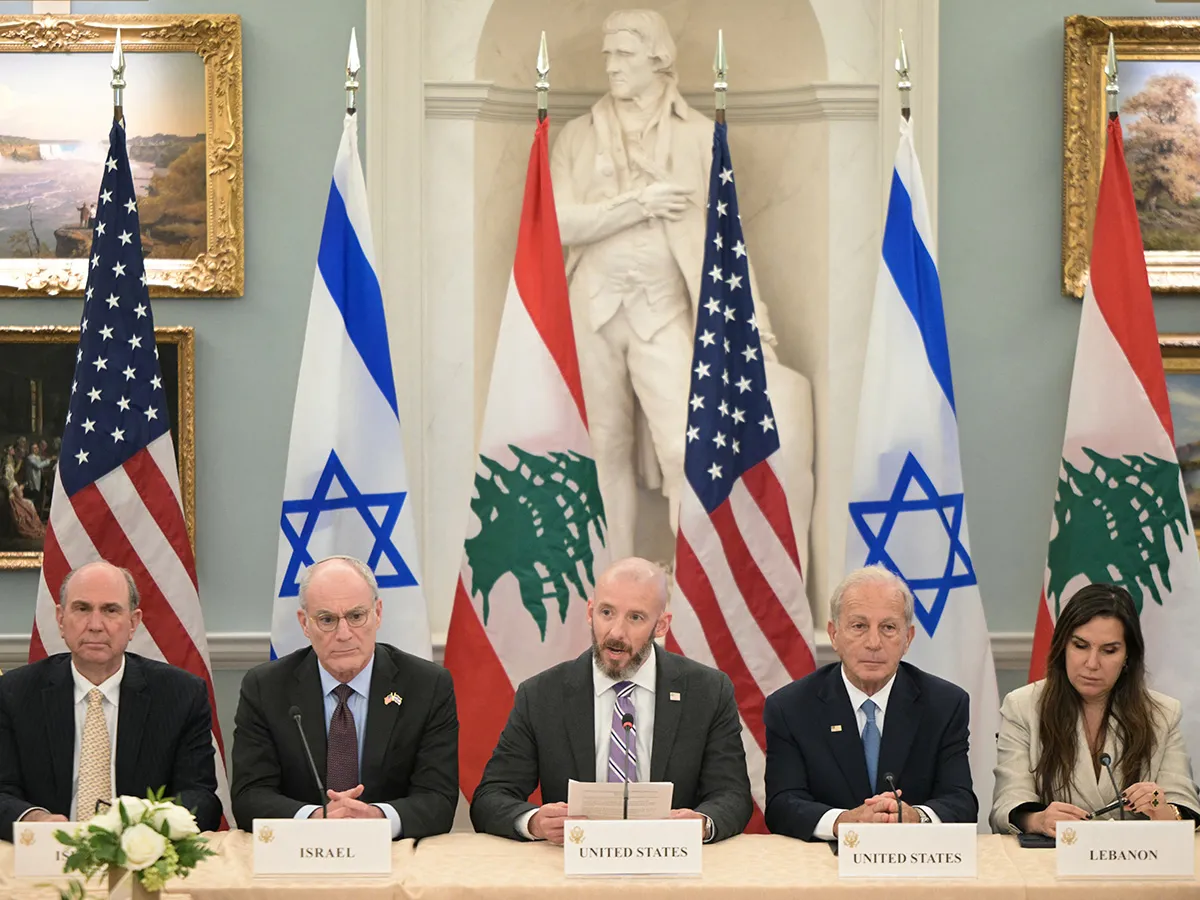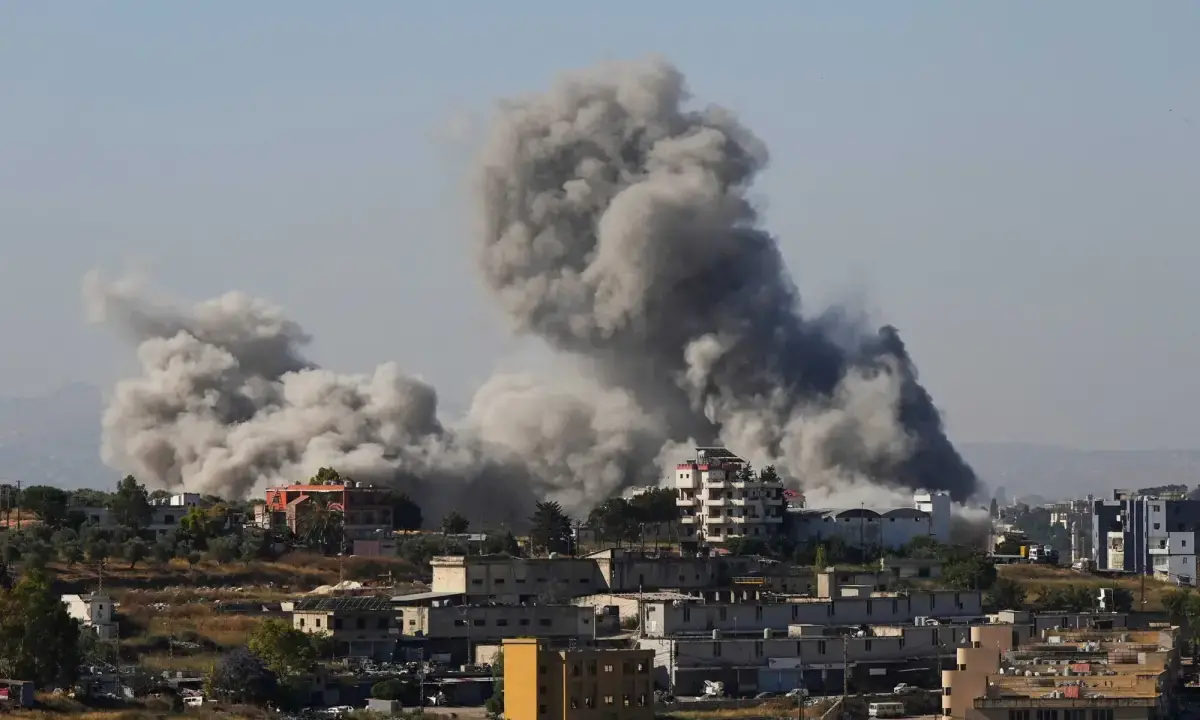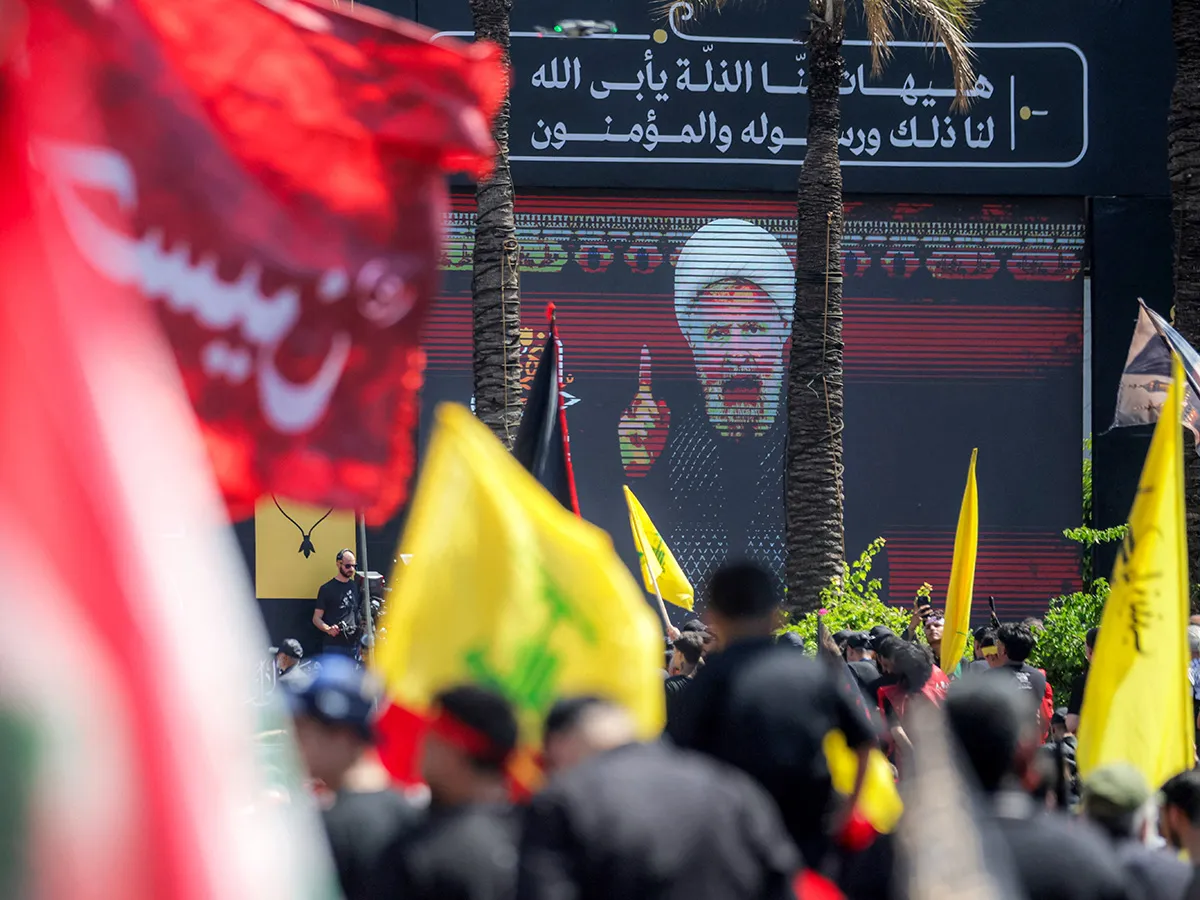
Skip to Content Subscribe Our Offers My Account Manage My Subscriptions FAQ Newsletters Canada Canadian True Crime Canadian Politics Health World Israel & Middle East Financial Post NP Comment Longreads Puzzmo Diversions Comics NP News Quiz New York Times Crossword Horoscopes Life Eating & Drinking Style Sponsored Play for Ontario Travel Travel Canada Travel USA Travel International Cruises Travel Essentials Culture Books Celebrity Movies Music Theatre Television Business Essentials Advice Lives Told Tails Told Shopping Buy Canadian Home Living Outdoor Living Kitchen & Dining Tech Style & Beauty Personal Care Entertainment & Hobbies Gift Guide Travel Guide Amazon Prime Day Deals Savings National Post Store More Sports Hockey Baseball Basketball Football Soccer Golf Tennis Driving Vehicle Research Reviews News Gear Guide Obituaries Place an Obituary Place an In Memoriam Classifieds Place an Ad Celebrations Working Business Ads Archives Healthing Epaper Manage Print Subscription Profile Settings My Subscriptions Saved Articles My Offers Newsletters Customer Service FAQ Newsletters Canada World Financial Post NP Comment Longreads Puzzmo Diversions Life Shopping Epaper Manage Print Subscription HomeNewsWorldIsrael & Middle EastFuture of Lebanon-Israel peace deal in doubt as Hezbollah vows to derail itIsrael has reiterated that its troops won’t withdraw from southern Lebanon territory until Hezbollah is disarmed and no longer poses a threatAuthor of the article: You can save this article by registering for free here. Or sign-in if you have an account.A crowd of Shia Muslim devotees watches a televised speech by Hezbollah leader Naim Qassem during a religious event in Beirut on June 26, 2026. Photo by Ibrahim Amro/AFP via Getty ImagesIsrael and Lebanon’s latest peace deal faces an uncertain future after Hezbollah, Iran’s most powerful proxy terrorist group, this week vowed to derail its implementation.Enjoy the latest local, national and international news.Exclusive articles by Conrad Black, Barbara Kay and others. Plus, special edition NP Platformed and First Reading newsletters and virtual events.Unlimited online access to National Post.National Post ePaper, an electronic replica of the print edition to view on any device, share and comment on.Daily puzzles including the New York Times Crossword.Support local journalism.Enjoy the latest local, national and international news.Exclusive articles by Conrad Black, Barbara Kay and others. Plus, special edition NP Platformed and First Reading newsletters and virtual events.Unlimited online access to National Post.National Post ePaper, an electronic replica of the print edition to view on any device, share and comment on.Daily puzzles including the New York Times Crossword.Support local journalism.Create an account or sign in to continue with your reading experience.Access articles from across Canada with one account.Share your thoughts and join the conversation in the comments.Enjoy additional articles per month.Get email updates from your favourite authors.Create an account or sign in to continue with your reading experience.Access articles from across Canada with one accountShare your thoughts and join the conversation in the commentsEnjoy additional articles per monthGet email updates from your favourite authorsSign In or Create an AccountorThe framework agreement — signed in Washington — lays out a plan for the gradual withdrawal of Israeli troops from southern Lebanon, pending “the verified disarmament of non-state armed groups,” referring to Hezbollah. The Lebanese army is meant to move into areas vacated by Israel to assert control.The U.S.-brokered accord is the first such deal between Israel and Lebanon since 1983, though that pact collapsed due to opposition from various groups in Lebanon, a nation deeply divided along political and religious lines.Columnist Jesse Kline keeps you up to date with what’s happening in Israel and the effects of antisemitism on life here in Canada. Friday mornings.By signing up you consent to receive the above newsletter from Postmedia Network Inc.A welcome email is on its way. If you don't see it, please check your junk folder.The next issue of Channel Israel will soon be in your inbox.We encountered an issue signing you up. Please try againU.S. Central Command Admiral Brad Cooper is in Lebanon and has already met with President Joseph Aoun and Lebanese army commander Rodolphe Haykal to discuss the execution of the plan. The deal is closely tied to the U.S.-Iran peace agreement, as Tehran has said Israel must stop attacking Hezbollah before a final deal can be reached.Yet there’s little evidence that implementing the agreement will be straightforward.Lebanese parliamentary speaker Nabih Berri, Hezbollah’s closest ally in government, said Monday that the accord won’t stand and warned of potential civil unrest.Hezbollah vowed the same.“You have volunteered on behalf of the Americans and Israelis to create this sedition,” Hezbollah MP Hussein Al Hajj Hasan said, addressing the government. “Do not delude yourselves into thinking that you can fulfill any of the pledges you made in this shameful agreement.”Hours after the U.S. announced the framework agreement last week, Hezbollah’s supporters took to the streets and tried to block a vital highway in Beirut that leads to the airport before soldiers dispersed them.Underlining the challenges facing the implementation of the accord, Israeli Prime Minister Benjamin Netanyahu and Defense Minister Israel Katz visited southern Lebanon on Tuesday, where they reiterated that Israeli troops won’t withdraw from territory until Hezbollah is disarmed and no longer poses a threat.Netanyahu told Israeli soldiers they are free to respond if they identify a threat, according to a statement from his office.The agreement is aimed at helping the Lebanese government and army overpower Hezbollah, while sidelining Iran, an objective that has proved unachievable in the past. On this occasion, the U.S. will provide aid to the Lebanese army, which has previously struggled to make inroads into the better resourced terrorist group.“The authors of the agreement were unambiguous in rejecting the idea that Iran has a legitimate role to play in determining the future of Lebanon’s political or security affairs, despite this notion being inherent in the U.S.-Iran MOU,” Robert Satloff, executive director of the Washington Institute, wrote in an article, referring to the initial deal signed between Iran and the U.S. that tacitly acknowledged Tehran’s influence over Lebanon. Lebanon’s government has historically had little influence over Hezbollah, which has undermined its decisions and helped to overthrow administrations it believes to be a threat.Hezbollah fired rockets at Israel a day after the U.S. and Israel launched airstrikes on Iran on Feb. 28, killing Supreme Leader Ali Khamenei. Israel retaliated with an air and ground campaign and said it would remove the group from its border areas to secure the safety of northern communities. At least 4,250 people have been killed in the war and a million more have been displaced, especially in areas of Hezbollah’s influence.Israel launched a similar military operation against Hezbollah in 2024, after almost a year of cross-border skirmishes in parallel with the war in Gaza. Israel killed top Hezbollah officials and degraded its arsenal in that conflict, which ended in a ceasefire in November of that year.Not everyone is against the latest pact. Several cabinet members and Hezbollah opponents including the head of the largest parliamentary bloc threw their weight behind the government.The pact “is the most significant political step taken by the Lebanese state in half a century, to extricate Lebanon and the Lebanese people” from Hezbollah,” said Samir Geagea, head of the Lebanese Forces, a Christian political party.He said the framework would expel the Israeli soldiers and rid Lebanon of Hezbollah and Iran.The Gulf Corporation Council welcomed the deal. The U.A.E., once one of Lebanon’s main benefactors along with Saudi Arabia, said it was ready to help the country economically and socially, a sign of Gulf support to the U.S.-backed president.In Israel, the deal was met positively, though with some doubt that Lebanon would be able to fulfill its side of the agreement.“This deal is very, very frightening for Hezbollah,” Avi Dichter, a member of Netanyahu’s security cabinet, told Galey Israel radio. He added there’s a possibility of a “civil war” in Lebanon if the government opted to take on Hezbollah, underlying how tense the situation remains. Join the Conversation This website uses cookies to personalize your content (including ads), and allows us to analyze our traffic. Read more about cookies here. By continuing to use our site, you agree to our Terms of Use and Privacy Policy.
Future of Lebanon-Israel peace deal in doubt as Hezbollah vows to derail it
Israel has reiterated that its troops won’t withdraw from southern Lebanon until Hezbollah is disarmed and no longer poses a threat.
1,344 words~6 min read