Got a story? Email patrick.harrington@dailymail.co.uk See more Daily Mail on Google - save us as a Preferred SourceBy JOHN PAUL BRESLIN, WEEKEND NEWS EDITOR - SCOTLAND and PATRICK HARRINGTON, UK NEWS REPORTER Published: 20:00 BST, 30 June 2026 | Updated: 22:57 BST, 30 June 2026
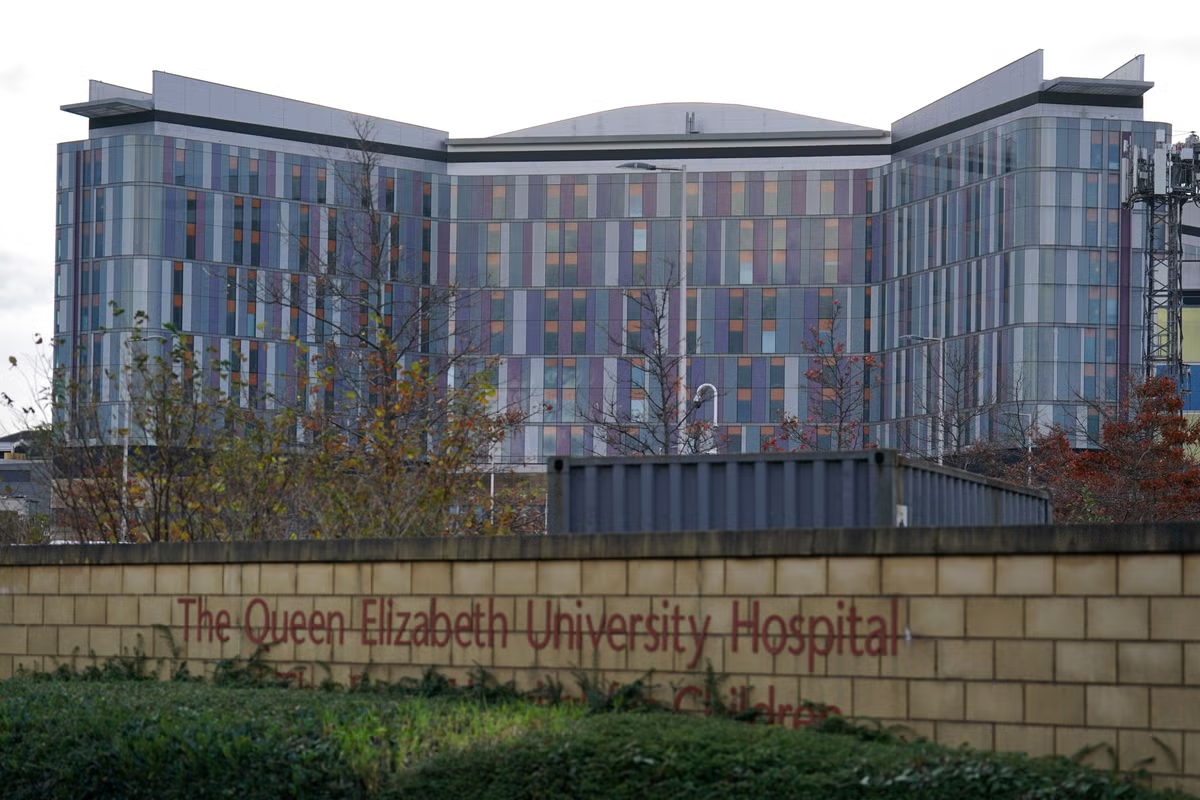
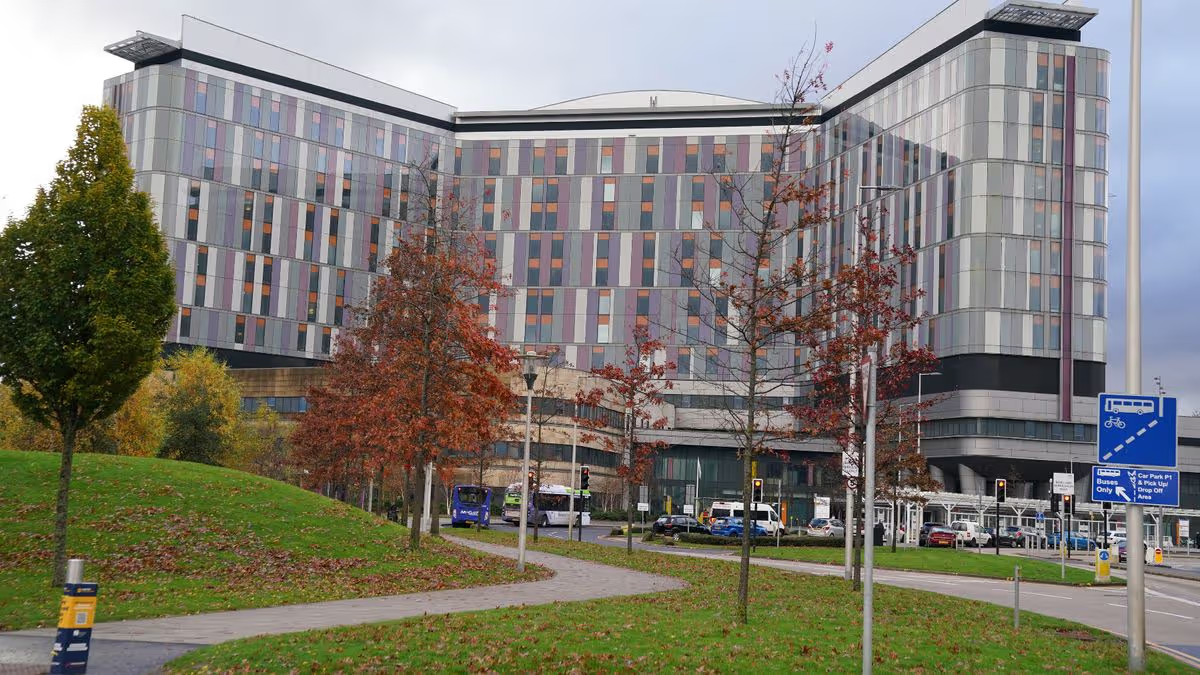
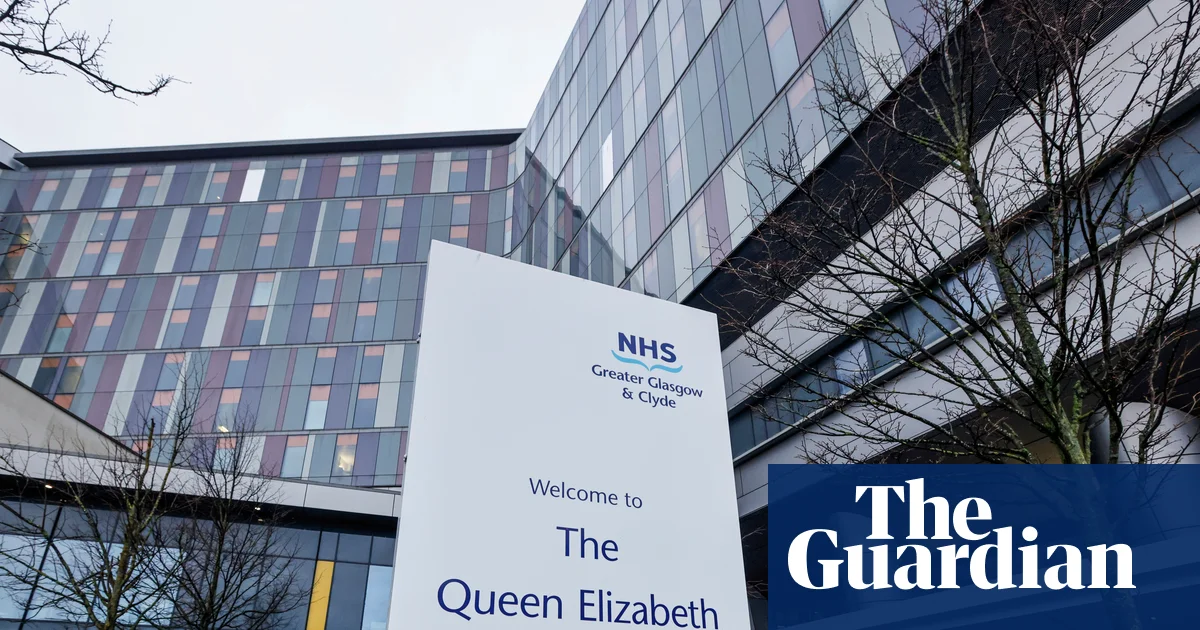
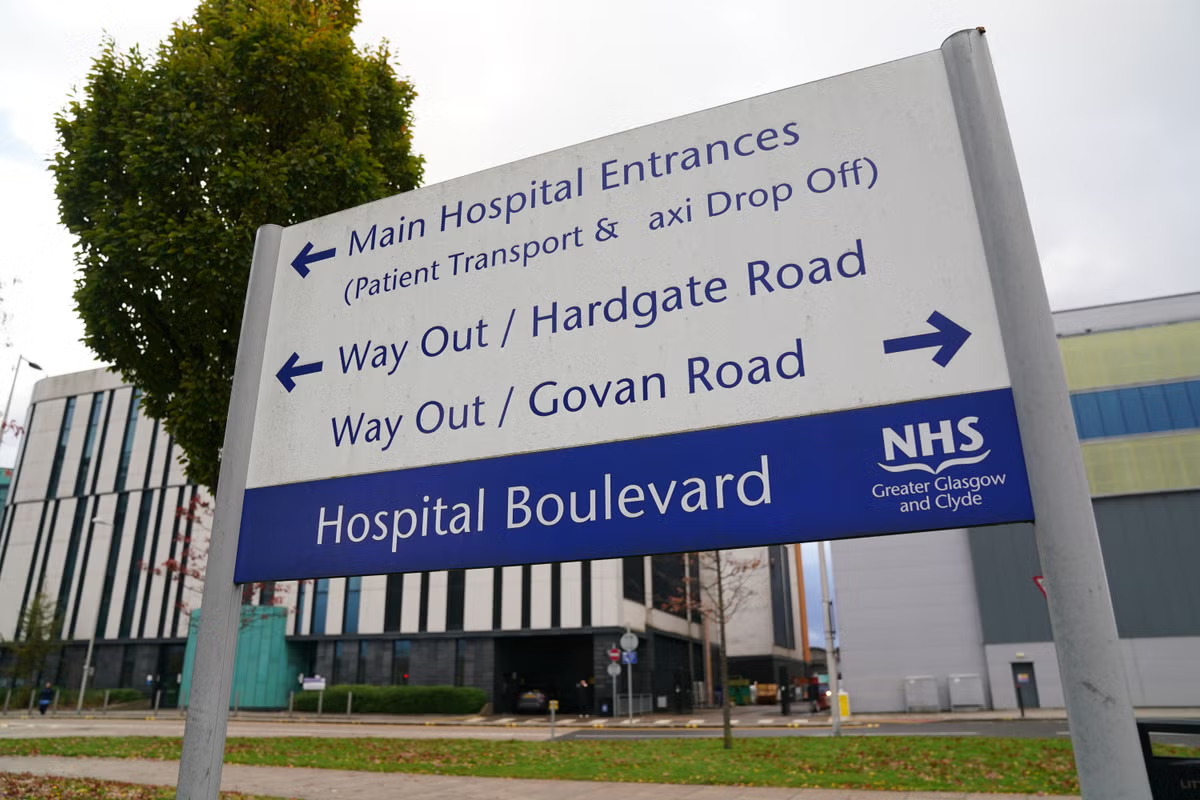
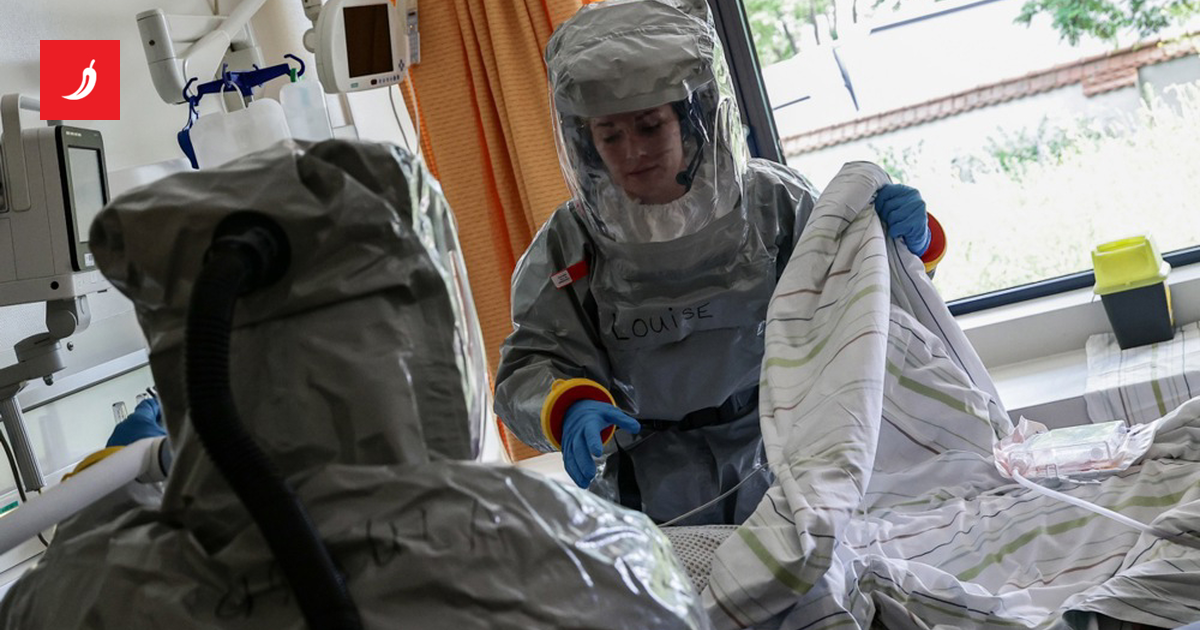
A suspected Ebola patient who forced a Scottish hospital into lockdown has tested negative for the deadly disease.Part of the Queen Elizabeth University Hospital in Glasgow was sealed off after the person presented at the Acute Receiving Unit at around 6am on Tuesday morning.The patient had reportedly arrived back in the city after visiting an Ebola-affected country, and sought medical attention after they developed worrying symptoms.An Ebola outbreak is ongoing in the Democratic Republic of Congo and Uganda, with the World Health Organization (WHO) declaring a public health emergency of international concern.To minimise any potential risk to others, the unit of the QEUH was urgently closed off to members of the public.The patient was immediately confined for treatment and further examination.Tests for the highly contagious disease later came back negative, bringing an end to the panic.A source told The National: 'The person came to the Acute Receiving Unit, where people are sent by their GP or the health board's 101 number to avoid having to present at accident and emergency. This was quickly shut down and sealed off from the rest of the hospital. Part of the Queen Elizabeth University Hospital (pictured) was locked down over fears a patient had Ebola Staff in protective gear carry the coffin of an Ebola victim in Mongbwalu, Democratic Republic of Congo, believed to be the epicentre of the current outbreak'The person was assessed there and then taken elsewhere in the hospital. I believe they were put into confinement while the tests to establish if they have Ebola or something else are carried out.'Another hospital worker told the Glasgow Times: 'The mere mention of the word Ebola strikes panic into people. You think of it as a disease that happens elsewhere.'The hospital has strict protocols and procedures to deal with these types of rare occurrences and everything seemed to be followed to a tee, but it is still a worry for those who were on duty at the time.'Central Africa is currently grappling with an Ebola outbreak, with around 1,300 confirmed cases in the Democratic Republic of Congo and a handful in Uganda.There has also been one confirmed case in France. Around 360 people are confirmed to have died from the current outbreak, which is the third-largest in history.If confirmed, this would have been the first case of Ebola in the UK for more than a decade.Ebola is transmitted through direct contact with blood or bodily fluids of symptomatic individuals or contaminated objects.A spokesperson for Public Health Scotland said: 'Public Health Scotland (PHS) is aware that an individual in Scotland was tested for Ebola as a precautionary measure. The test result has now been received and is negative.'PHS and NHS boards across Scotland have well established protocols for assessing and testing travellers arriving in the UK from areas affected by Ebola where necessary. 'Where required, contact tracing will occur and contacts may undergo clinical assessment and precautionary testing.'It is rare for Ebola cases to occur in returning travellers, but NHS Scotland has safe procedures in place for detecting and managing any such cases. 'As such, the risk to the general public remains low.'The UKHSA Returning Workers Scheme (RWS), which aims to protect and monitor the health of those who may travel from the UK to affected areas for their work, has been activated. 'Organisations deploying workers to affected areas where they may be exposed to Ebola through their work should register those workers with the scheme.'There are currently no confirmed cases of Ebola in Scotland.'France confirmed its first case of Ebola last week after a doctor tested positive.Health officials said the medic had returned from a humanitarian mission in the Democratic Republic of Congo (DRC).The patient, in mainland France, was said to be in a stable condition but has been isolated to prevent the disease spreading.Officials maintain that the risk to the general European population is low, but contact tracing efforts are underway as they scramble to identify anyone who may have been exposed through contact with the doctor.