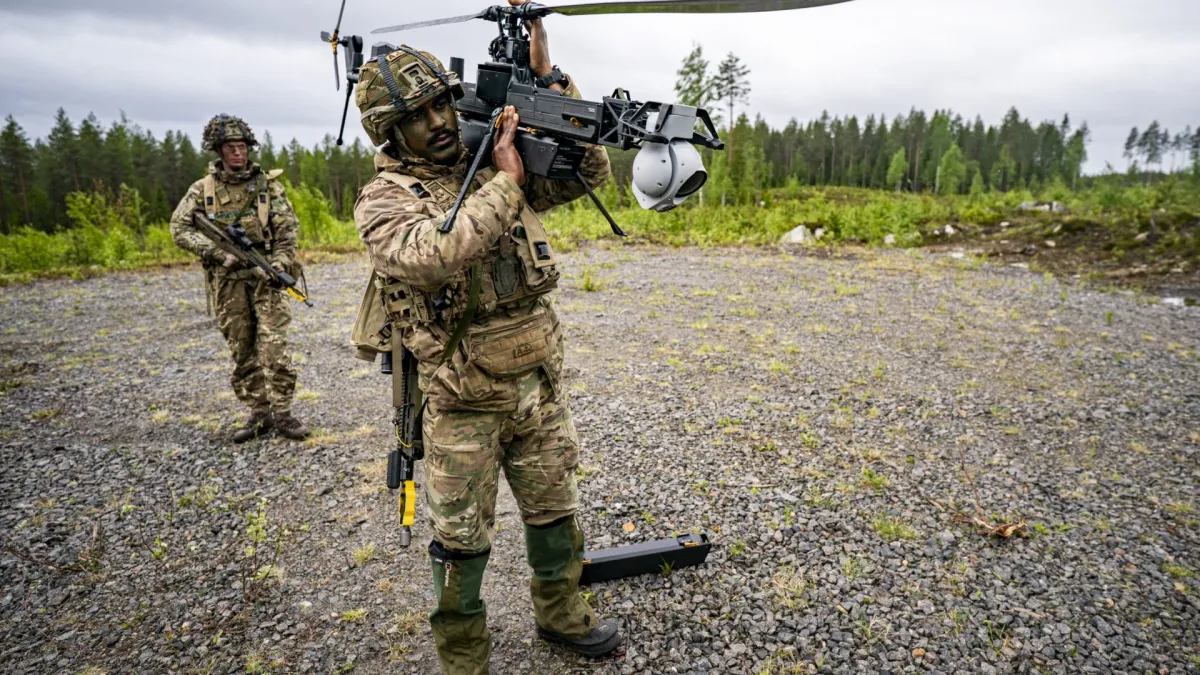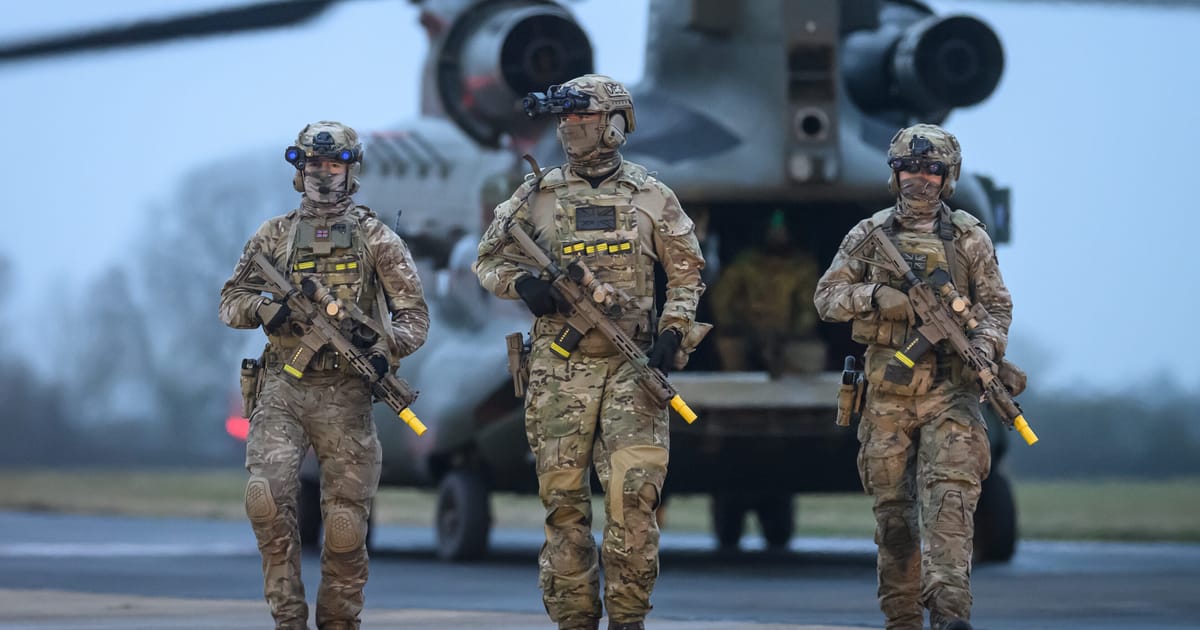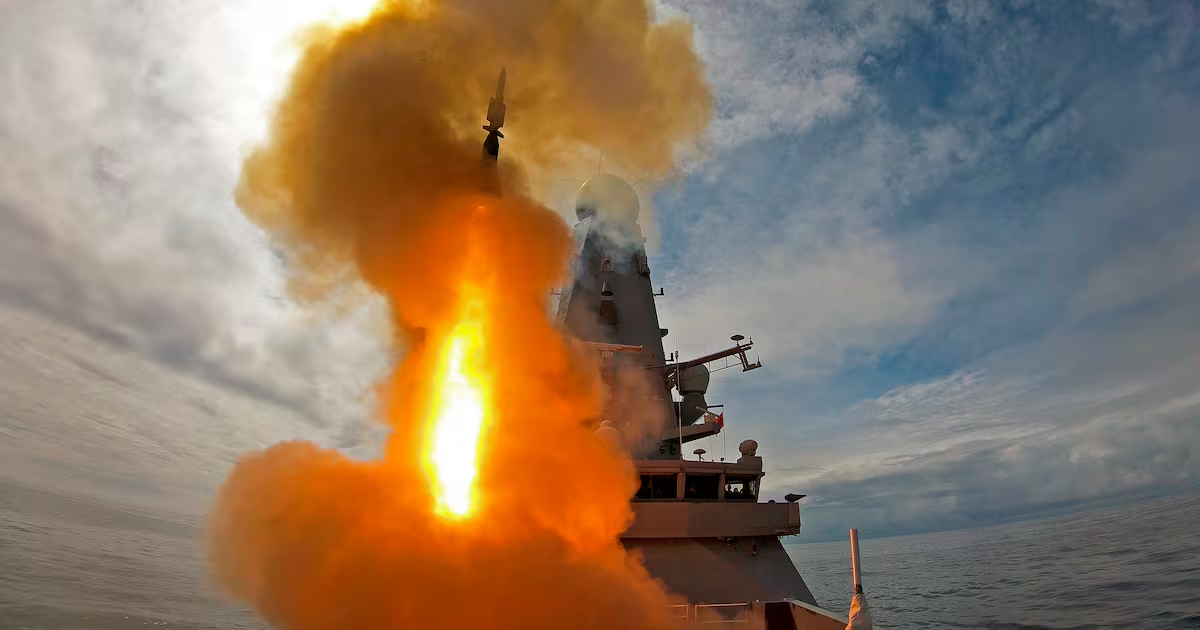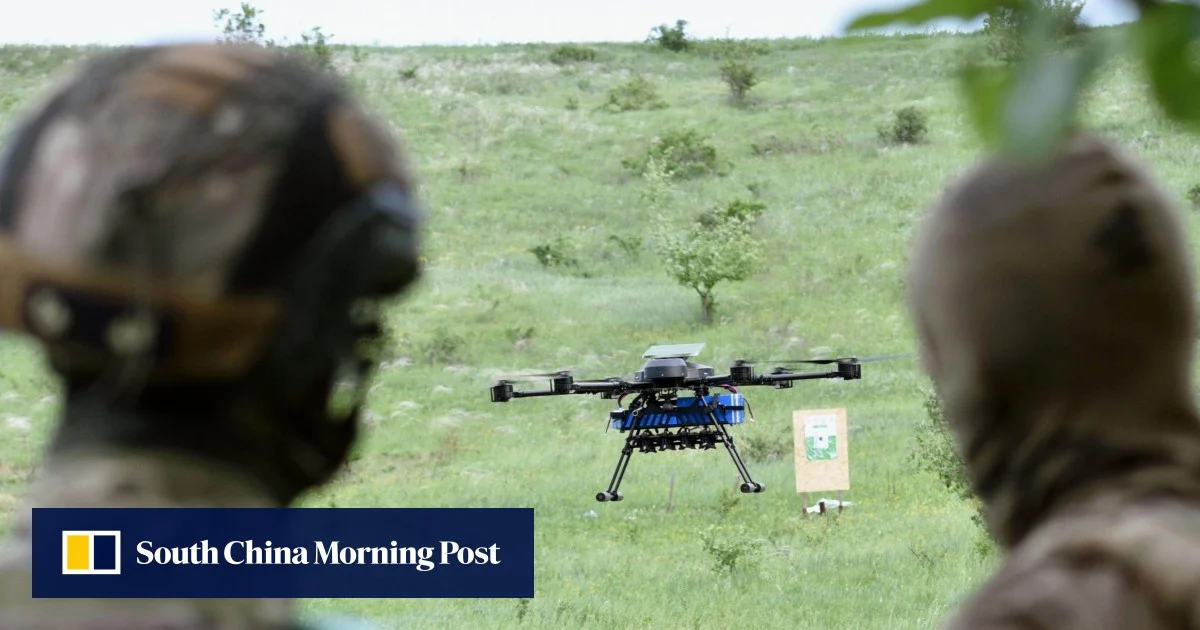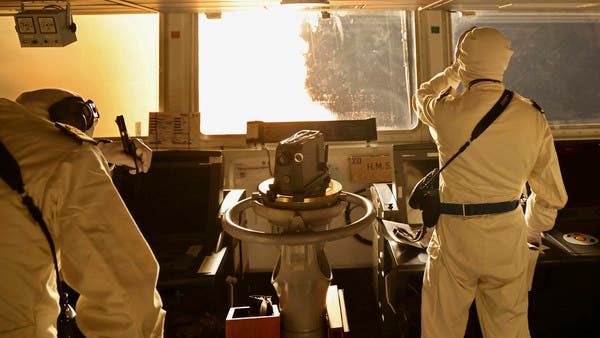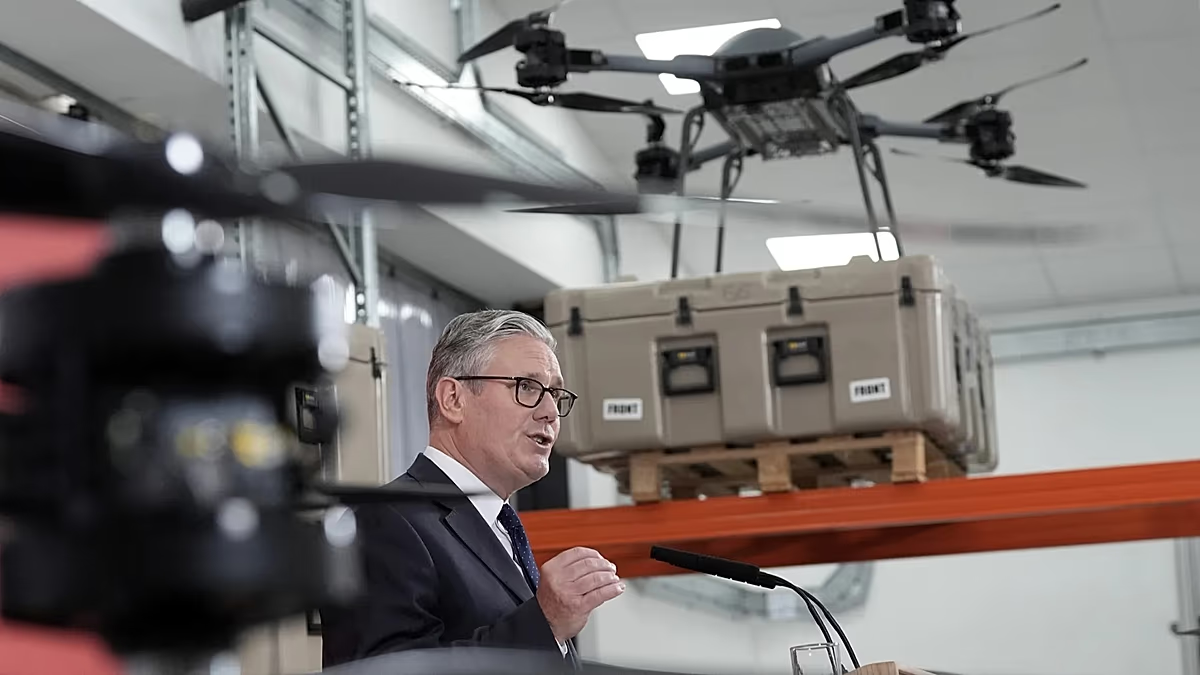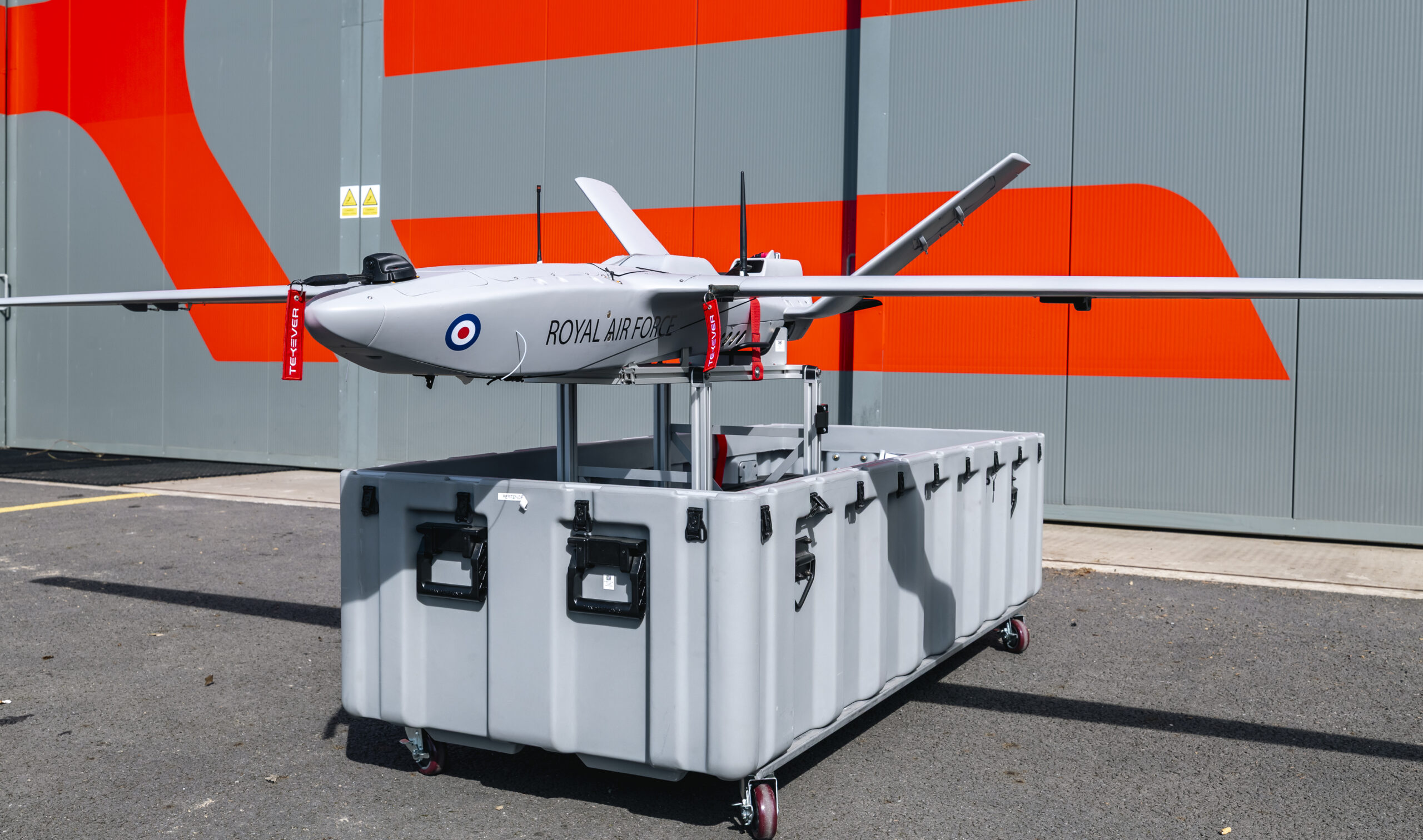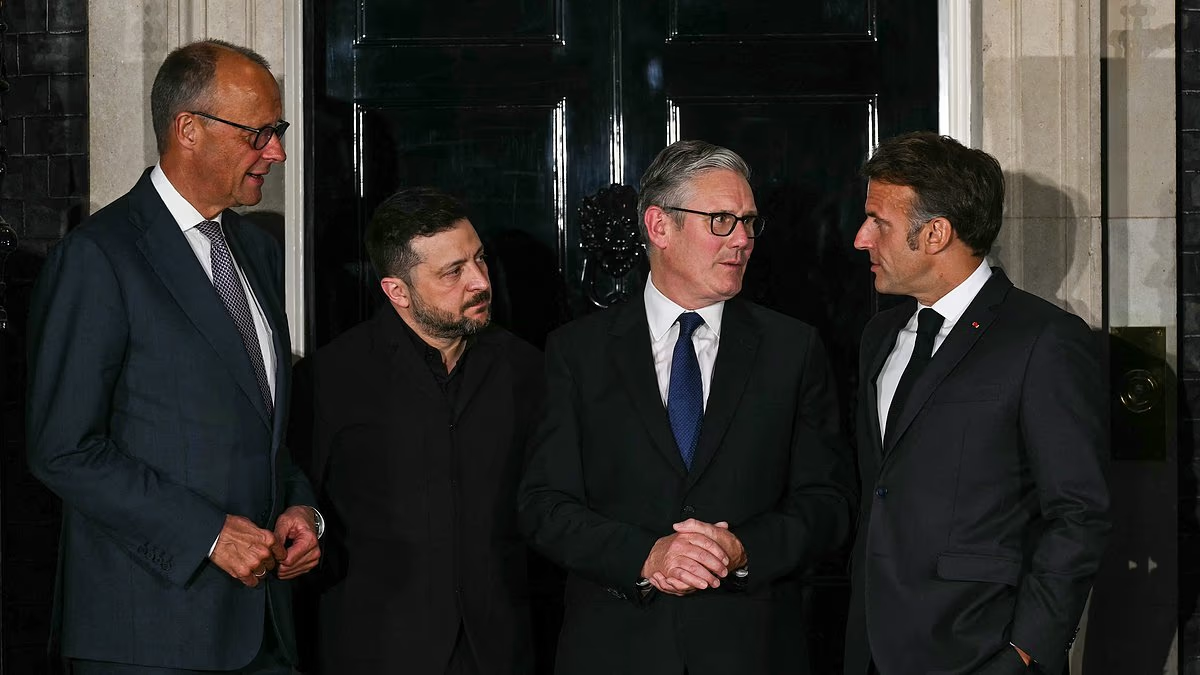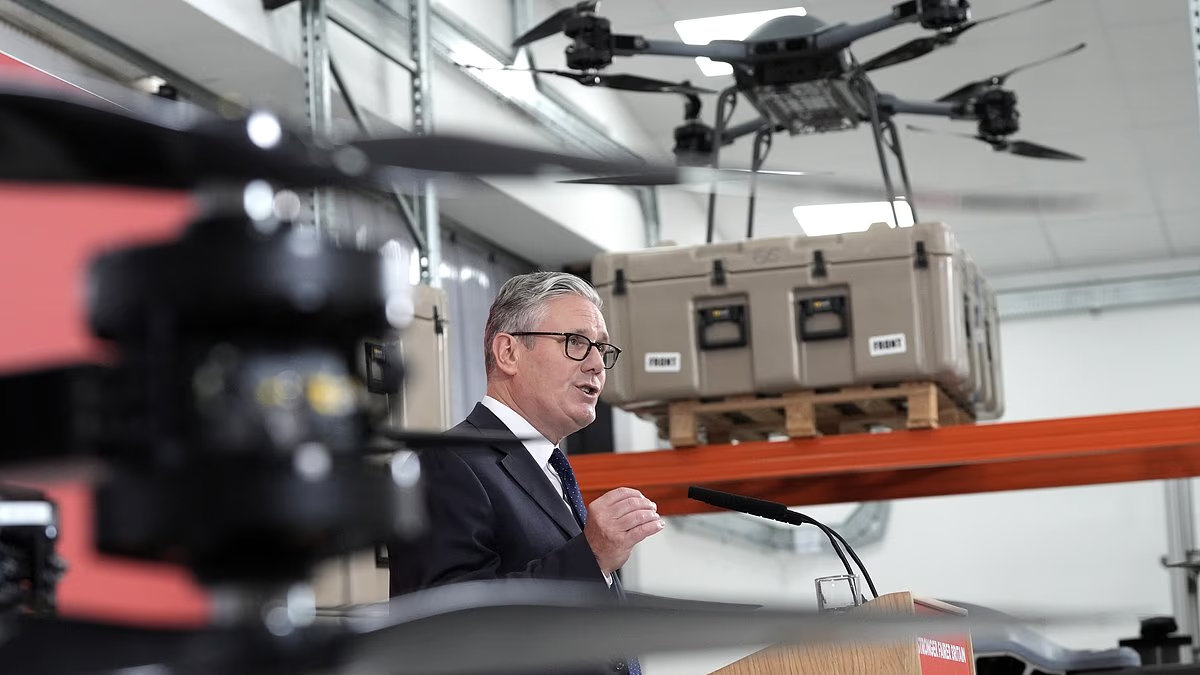
A new era of warfare was heralded by the long-awaited Defence Investment Plan yesterday, as it laid out Labour's uncosted route to improving the country's security.Traditional methods of defence, such as ground troops and manned tanks, will make way for crewless systems that have proved to be devastatingly effective in Ukraine.Through an extra £15billion of spending over four years – bringing defence investment to just 2.68 per cent of GDP by 2030 – the Navy is to be transformed into what the First Sea Lord General Sir Gwyn Jenkins calls 'the Hybrid Navy'. The RAF and Army are to undergo similar transitions.Spending on 'wider security', meanwhile, will jump to 4.2 per cent of GDP – with this potentially including the drive to Net Zero and tackling small-boat crossings.Here, the Daily Mail looks at the DIP's main points:DronesThe DIP's £5billion investment in drones – considered woefully short by Labour MP and reserve Royal Marines officer Al Carns – includes uncrewed systems across land, sea and air domains.And the futures of the Navy, RAF and Army will be AI-driven.The Navy's hybrid fleet will include uncrewed missile barges (Type 91) and submarines (Type 93). Sir Keir Starmer pictured in Berkshire on Tuesday morning ahead the publication of the long-delayed £15billion Defence Investment Plan, which announced a £5billion investment in drones Former Armed Forces Minister Al Carns (pictured) considered the investment proposals woefully short 'Autonomous' seabed warfare systems costing £230million will also be developed to thwart Russian attacks on communication infrastructures.Warships and submarinesManned warships will act as motherships for vast fleets of surface and subsurface vessels. To cut costs, the UK has entered shipbuilding programmes with the Netherlands and Norway.Britain will also deepen its submarine partnerships with the US and Australia as part of the Aukus group's plan to build 'up to 12' nuclear-powered attack subs.And in a nod to the crisis in the Strait of Hormuz, £1.3billion will be spent on mine-hunting capabilities. A further £120million will be spent this financial year on high-speed boats. The Prime Minister announced that spending on 'wider security' will jump to 4.2 per cent of GDP - with this potentially including the drive to Net Zero and tackling small-boat crossings As part of an overhaul of the Royal Navy, crewed vessels will be accompanied by uncrewed and autonomous platforms, with lessons learned from Ukraine's successful campaign in the Black Sea against the Russian navy incorporated into training plansTanks and helicoptersThe £6billion, issue-riddled Ajax armoured vehicle survived – with a further £1billion to be invested to ensure she enters service.There will be a £150million shift towards uncrewed ground vehicles and £210million to deliver a suite of long-range, one-way munitions and attack drones. Another £1billion will be spent on the Challenger 3 battle tank and £2.2billion on the 8x8-wheel Boxer all-terrain vehicle.NuclearSome £63.6billion will be spent improving the UK's nuclear deterrent, including 16 more submarines, a replacement for the Mk4 warhead, the creation of a nuclear fuel cycle and improved dock facilities.The country's nuclear deterrent will be prioritised, including through investment in current and future warheads and submarine programmes, as well as critical infrastructure upgrades.The Defence Nuclear Enterprise (DNE) will support a supply chain of 6,000 UK-based companies and 65,000 jobs by 2035. The proportion of the defence budget devoted to the DNE is expected to increase to between 20 and 25 per cent.The DIP said: 'We are building new attack submarines, new ballistic missile submarines, new warheads and new infrastructure as well as a new nuclear fuels programme.'This work is a national endeavour with central and local government, industry and academia working together to deliver vital programmes'.The Government will also fund the 'nuclear triple lock' – consisting of four Dreadnought submarines, a nuclear warhead programme and the transformation of manufacturing sites.
Revealed: The long overdue military blueprint
Traditional methods of defence, such as ground troops and manned tanks, will make way for crewless systems that have proved to be devastatingly effective in Ukraine.
865 words~4 min read