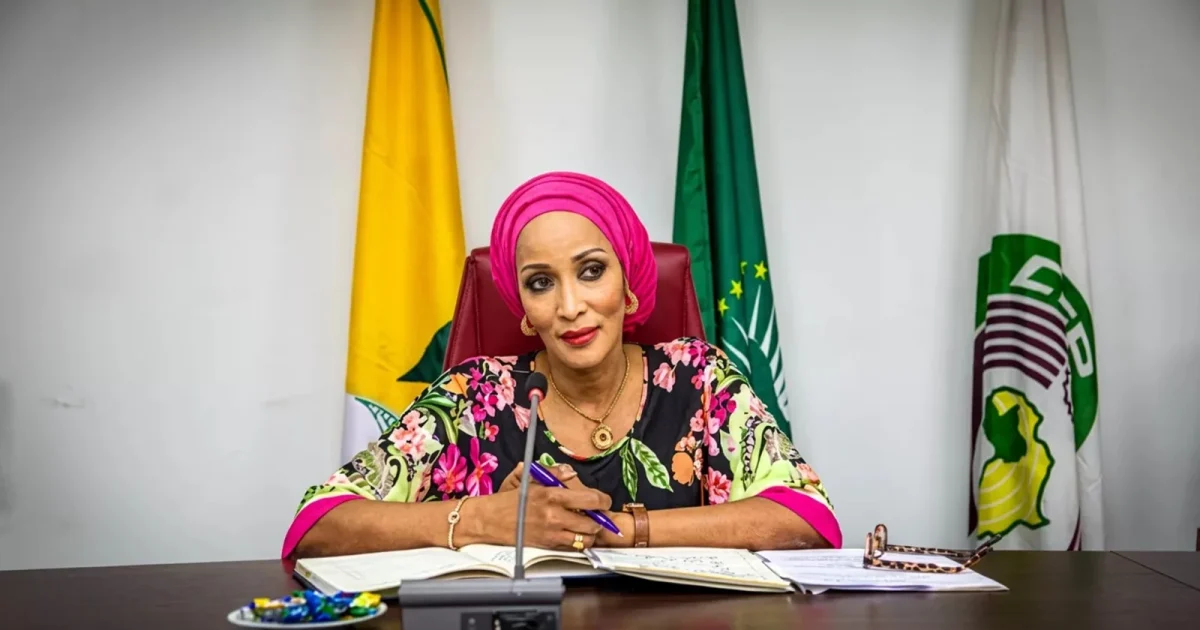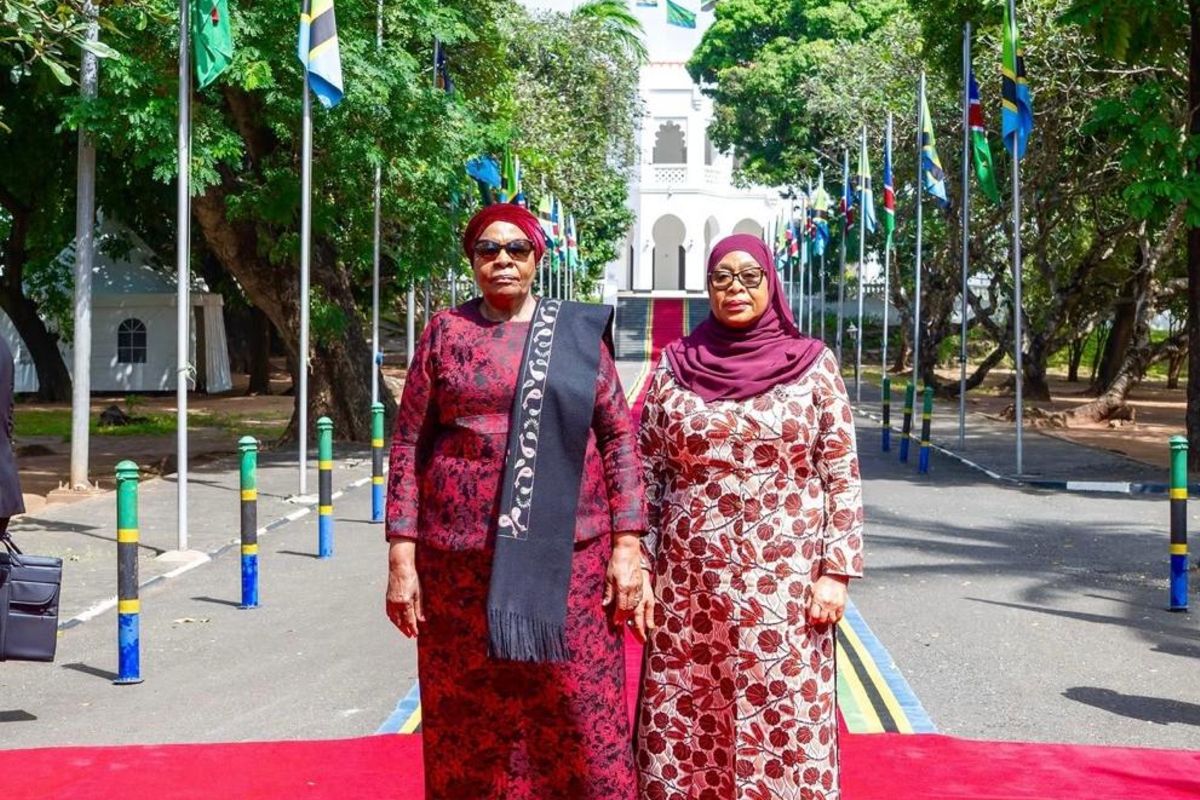
Minister of Foreign Affairs, Ambassador Bianca Odumegwu Ojukwu’s recent interventions in South Africa, Ethiopia and Ghana offer a timely illustration of a foreign policy that places citizens at its centre. In an age when diplomacy is often measured by summit photographs and policy statements, her approach reminds us that its primary purpose should be the protection, dignity and welfare of ordinary nationals wherever they find themselves.
When xenophobic violence flared again in parts of South Africa, the minister acted swiftly. Reports of attacks and intimidation directed at foreign nationals, Nigerians among them, demanded urgent attention. Odumegwu Ojukwu coordinated evacuations, engaged South African officials and issued an unambiguous warning that Nigeria would not tolerate abuse of its citizens abroad. That firmness reassured many at home and in the diaspora that their government will intervene when lives and livelihoods are threatened.
Equally significant is the prisoner transfer agreement with Ethiopia, which brings a humanitarian sensibility to routine consular work. For years too many Nigerians have languished in Ethiopian custody, isolated from families and without access to rehabilitative support. While the rule of law in host countries must be respected, some detainees are victims of failed migration, trafficking or administrative neglect. Allowing eligible prisoners to complete their sentences in Nigeria promises not only greater humane treatment but also better prospects for rehabilitation and reintegration into society. These moves sit comfortably within the Tinubu administration’s agenda which tailors foreign policy to the needs of Nigerians abroad. They show a practical recognition that diplomacy is not an abstract rehearsal of statecraft but a set of actions that should translate into real protection and tangible benefits for citizens.